en
en  English
 中文简体
中文简体 Español
 عربى
عربى
Product Consultation
Your email address will not be published. Required fields are marked *
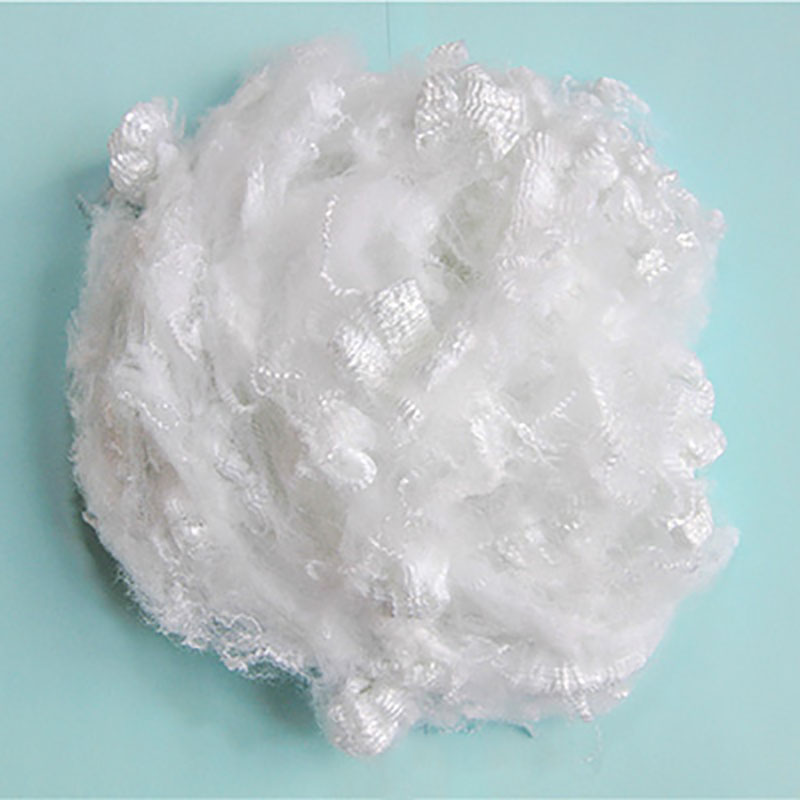
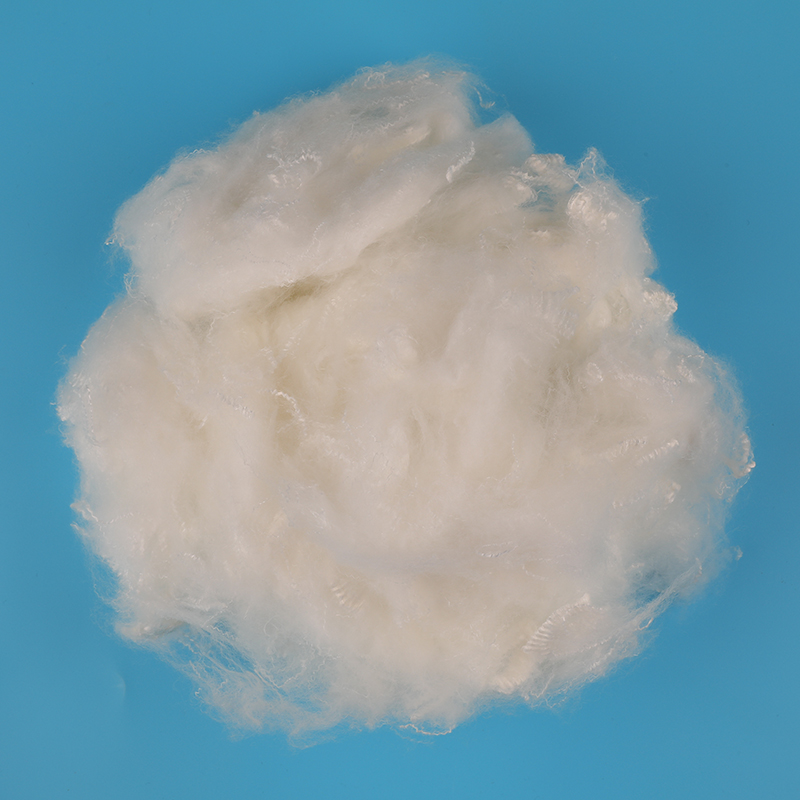
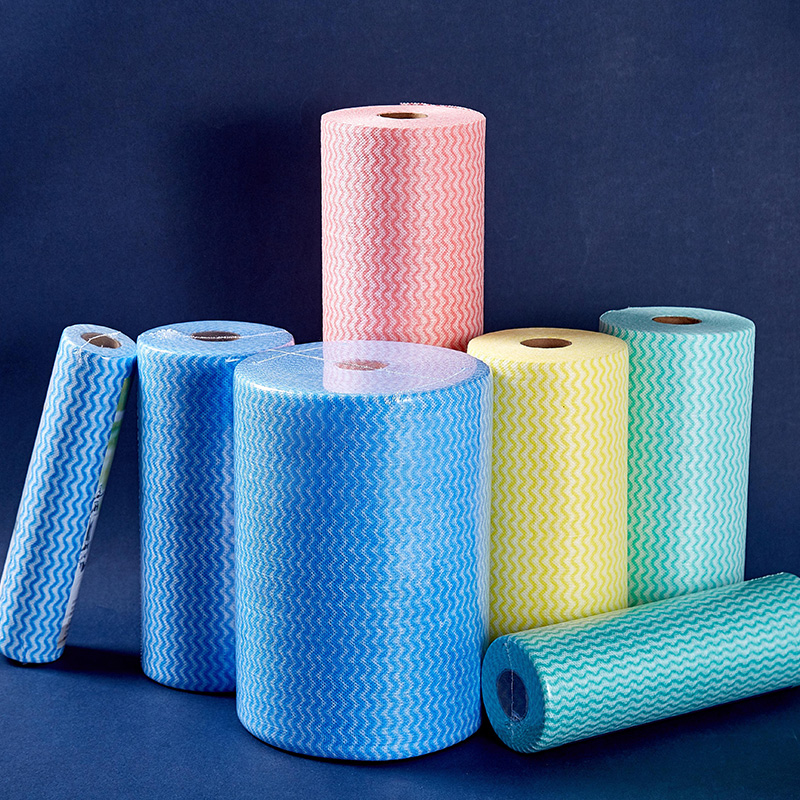
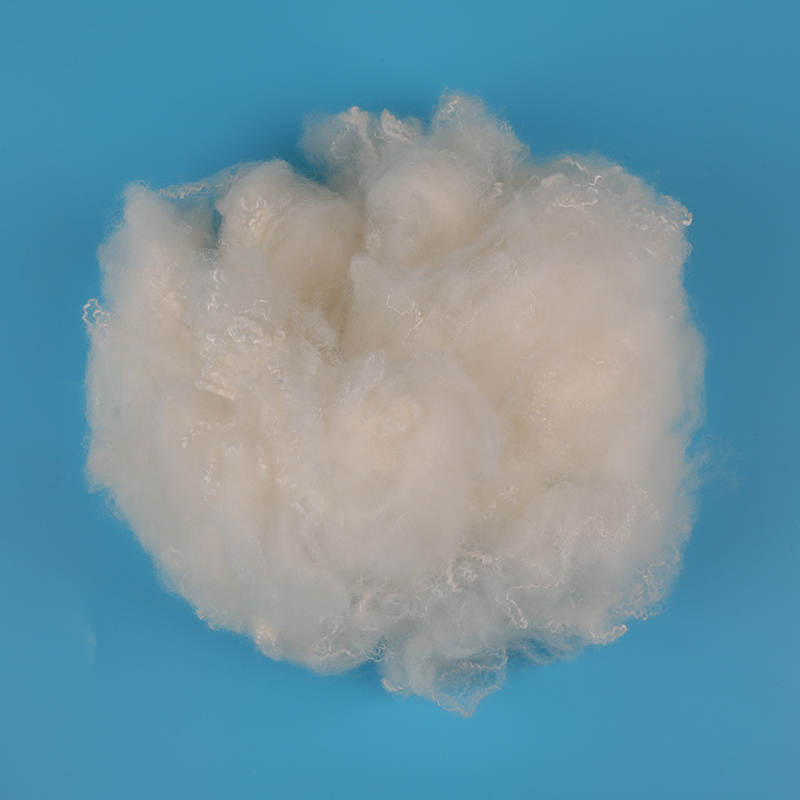
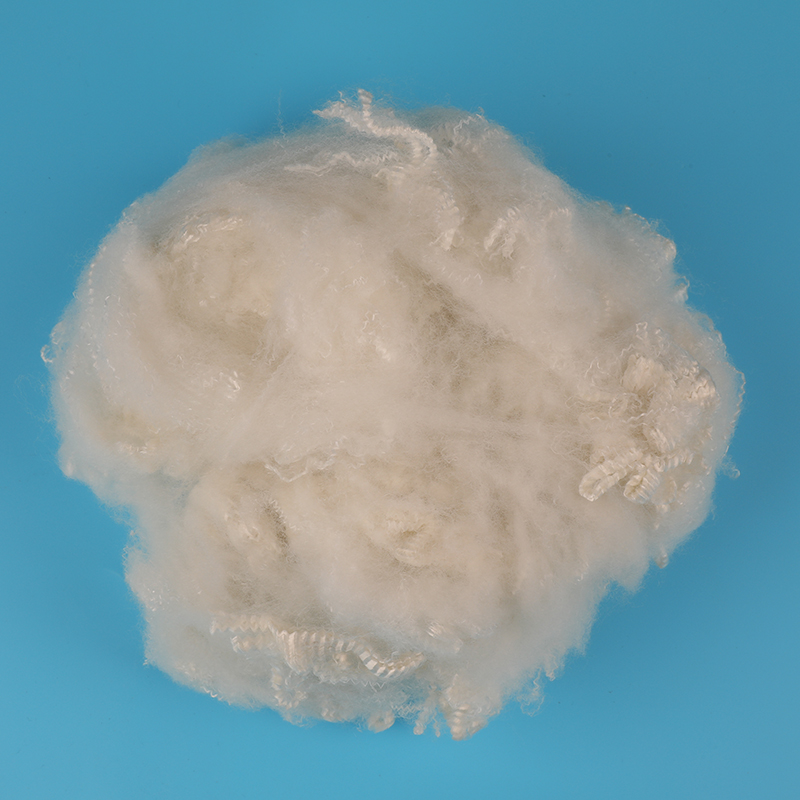
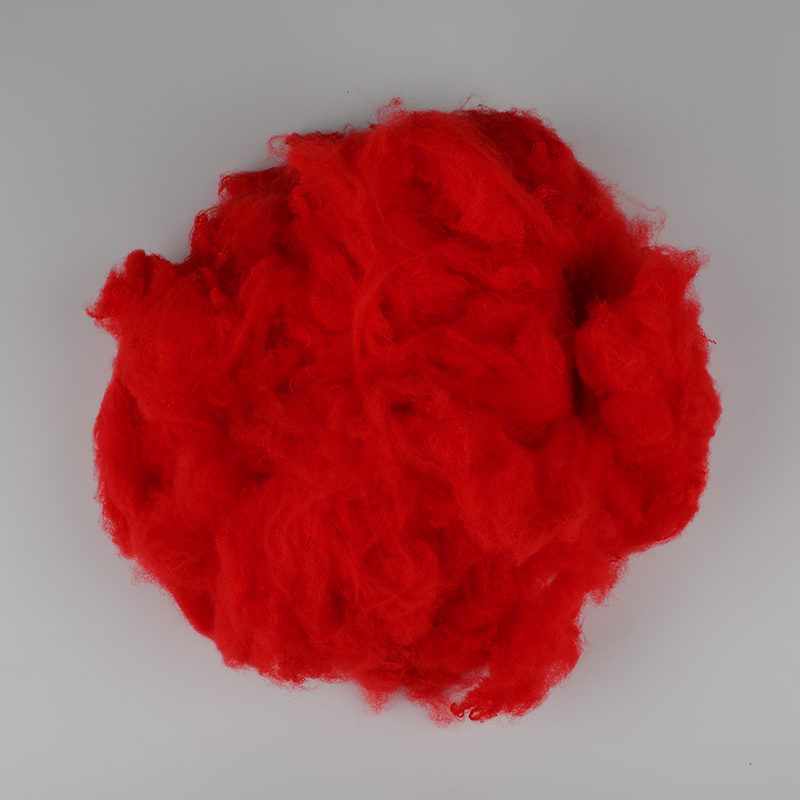
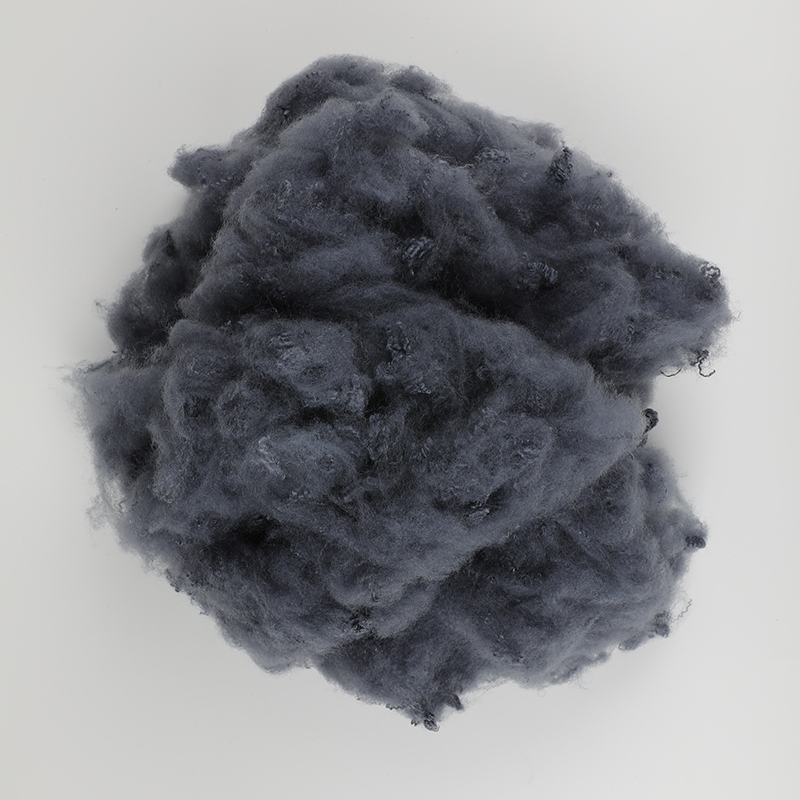
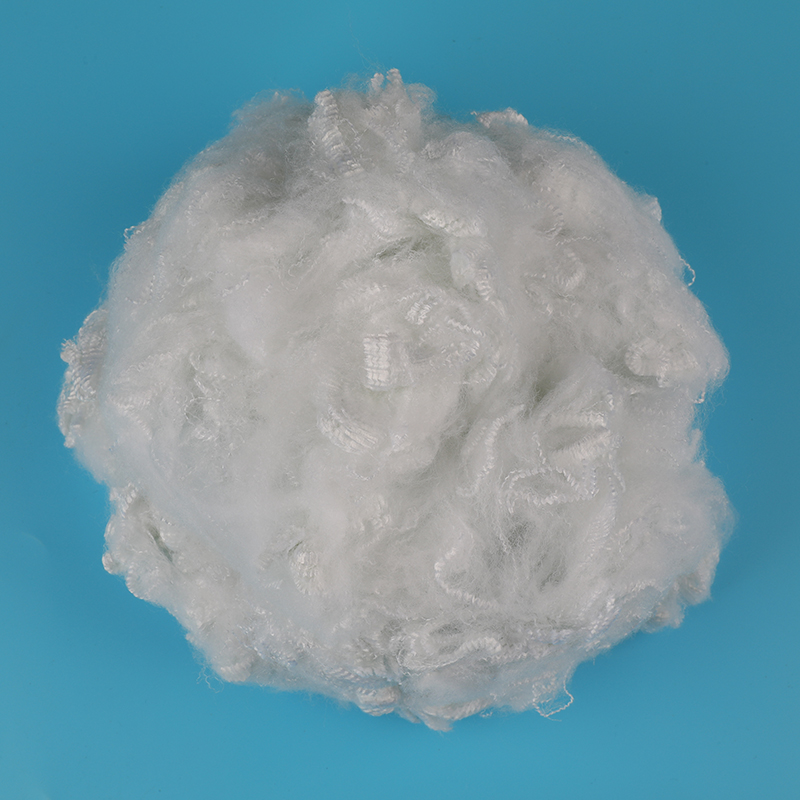
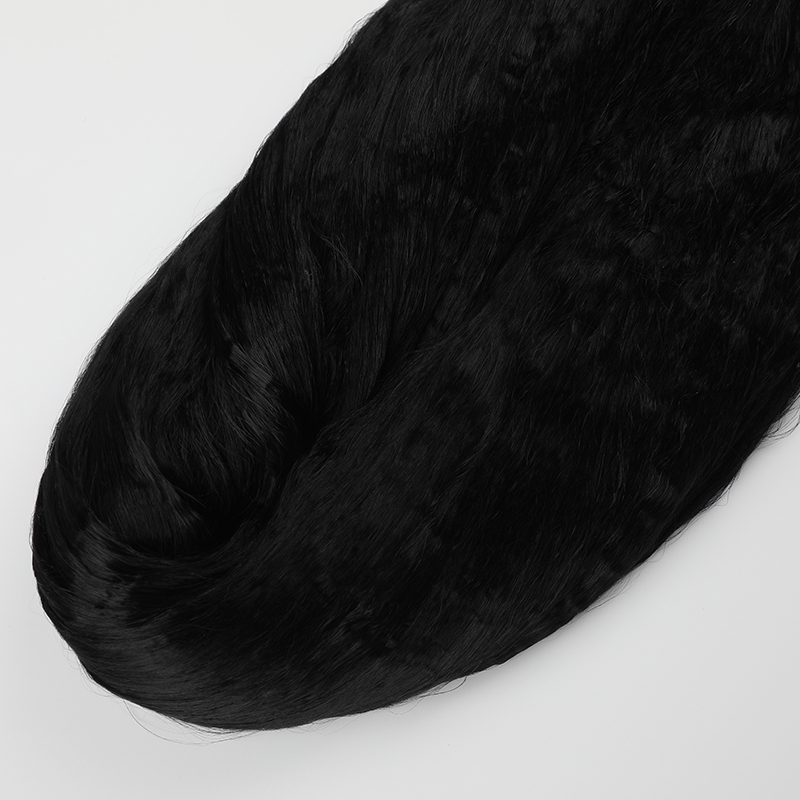
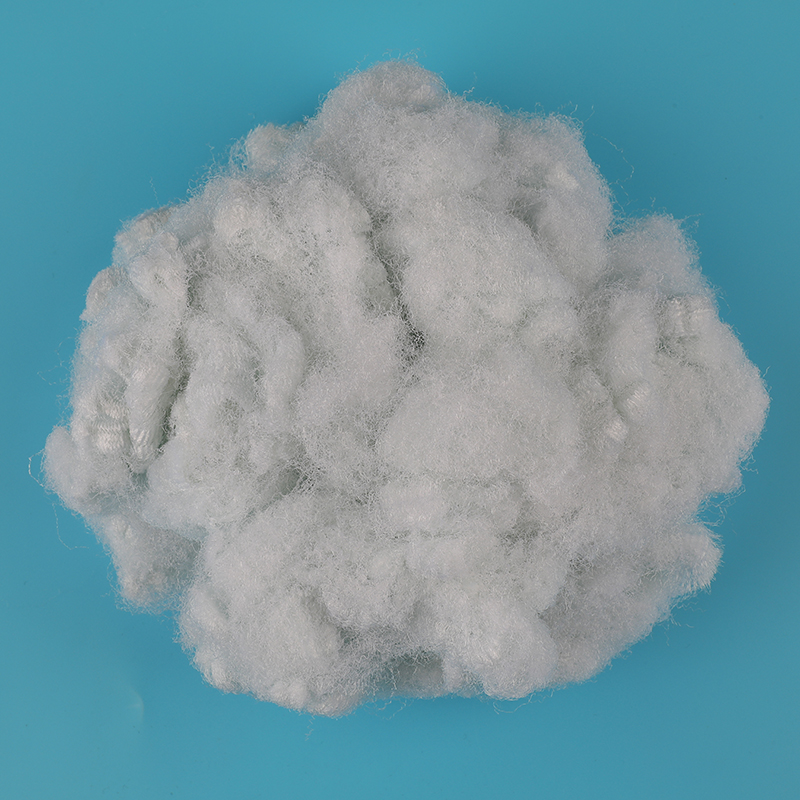
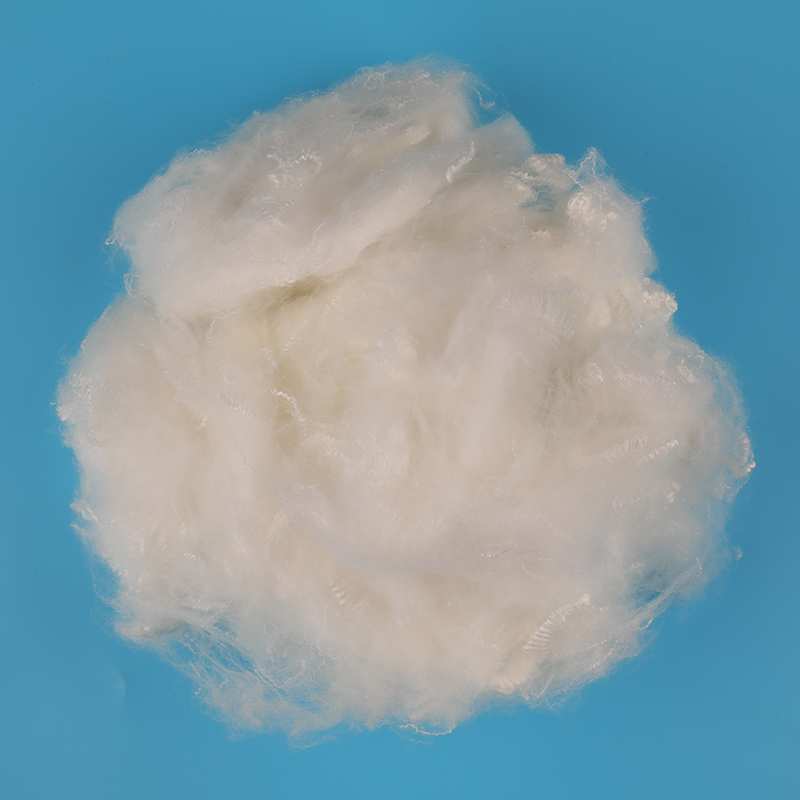
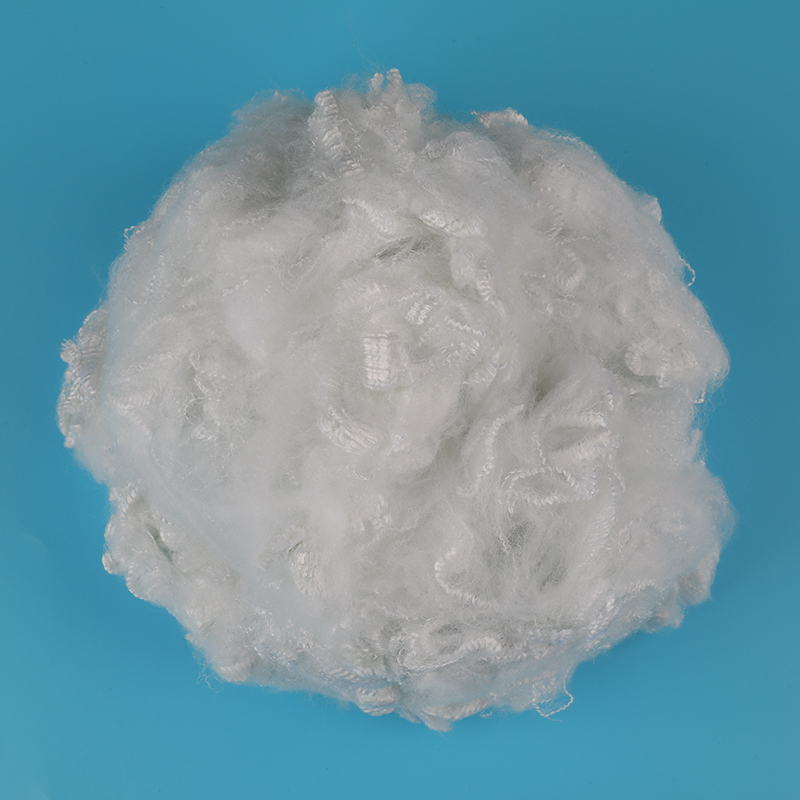
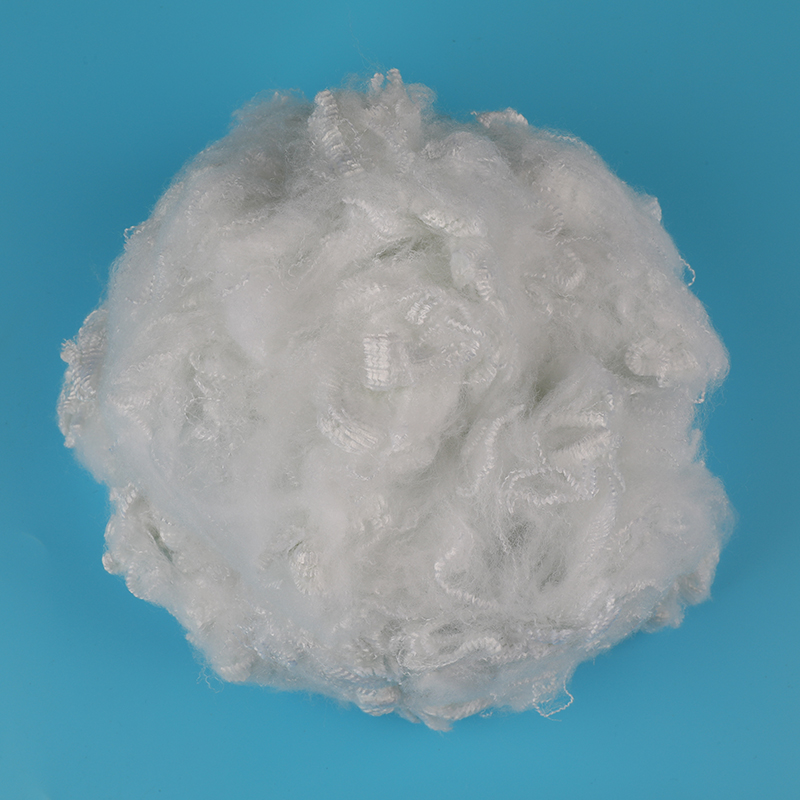
Recycle PSF (polyester staple fiber) is increasingly recognized as a key material in the textile and industrial sectors due to its environmental benefits and role in sustainable development. In this article, we will explore its applications, processing methods, market dynamics, performance comparisons, and contributions to eco-friendly initiatives. Additionally, we will integrate insights from related topics such as:
Recycle PSF (polyester staple fiber) is manufactured from post-consumer and post-industrial PET waste. The recycling process converts plastic bottles, fabric scraps, and production offcuts into staple fibers suitable for textile, nonwoven, and industrial applications.
Recycling PSF reduces dependency on virgin PET, minimizes landfill waste, and lowers carbon emissions. Compared to virgin fibers, recycled PSF can save up to 30-50% energy in production.
Despite its benefits, Recycle PSF (polyester staple fiber) faces technical challenges such as:
| Feature | Recycle PSF (polyester staple fiber) | Virgin PSF |
| Energy Consumption | 30-50% lower | Baseline |
| Carbon Emissions | Significantly reduced | Higher |
| Fiber Length Consistency | Variable | Stable |
| Color Uniformity | Challenging | Uniform |
Worldwide, the demand for Recycle PSF (polyester staple fiber) has been growing steadily due to stricter environmental regulations and sustainability goals. Major trends include:
Engineers and B2B buyers often assess mechanical properties, thermal stability, and dyeing performance when selecting fibers:
| Property | Recycle PSF (polyester staple fiber) | Virgin PSF |
| Tensile Strength | 85-95% of virgin PSF | 100% |
| Elongation at Break | Comparable | Comparable |
| Thermal Stability | Slightly lower | Higher |
| Dyeing Performance | Requires adjustment | Standard process |
Recycle PSF (polyester staple fiber) supports the circular economy by transforming waste into valuable raw materials. This reduces landfill accumulation and promotes resource efficiency.
Using recycled fibers significantly lowers greenhouse gas emissions compared to producing virgin polyester, contributing to corporate sustainability targets.
It is a fiber produced from recycled PET waste, mainly used in textiles, nonwovens, and industrial applications.
It has slightly lower tensile strength and thermal stability but significantly reduces energy consumption and carbon emissions.
Reduces landfill waste, lowers carbon emissions, and supports circular economy initiatives.
Challenges include color consistency, fiber length variability, and contamination removal.
High demand exists in Asia for production, Europe for quality-certified fibers, and North America for closed-loop recycling programs.
How does Composite Es Fiber perform in industrial applications?
2026-02-08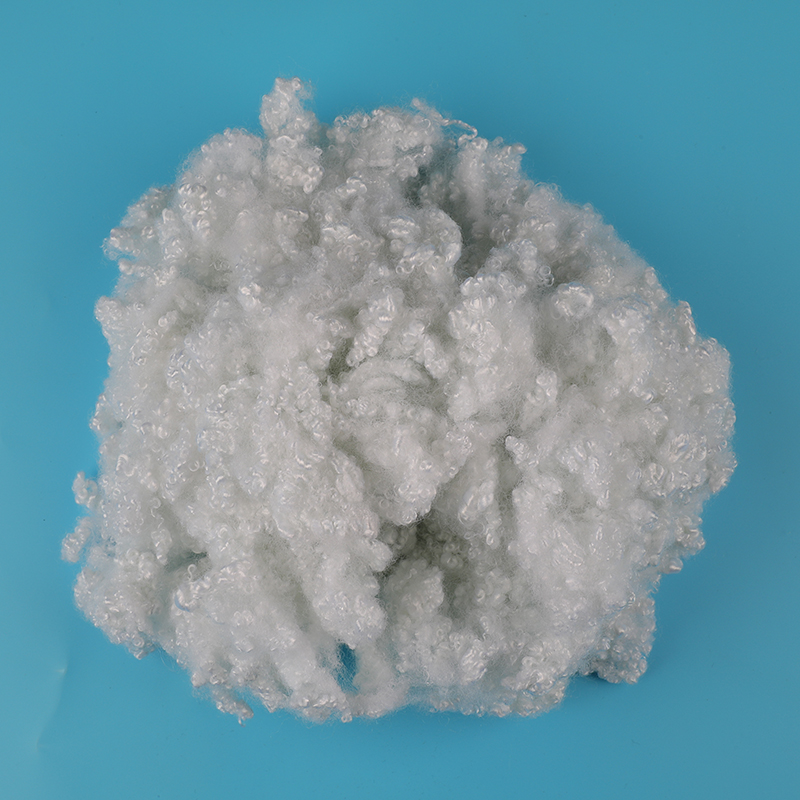
Hollow Microfiber / Hollow Fine: Advantages and Applications in Textiles
2026-02-22Your email address will not be published. Required fields are marked *

Focusing to the research and production of differentiated fiber. Applying recycle-material processing scientifically.
 86-18457317878
Zhulinjizhen, Xinfeng Town, Jiaxing City, Zhejiang Province
Copyright @ 2023 Jiaxing Fuda Chemical Fibre Factory All rights reserved
Polyester Staple Fiber Manufacturers

Friendship link - Anhui Fulin Environmental Protection Technology Co., Ltd.:https://www.ahflhb.com