en
en  English
 中文简体
中文简体 Español
 عربى
عربى

Product Consultation
Your email address will not be published. Required fields are marked *
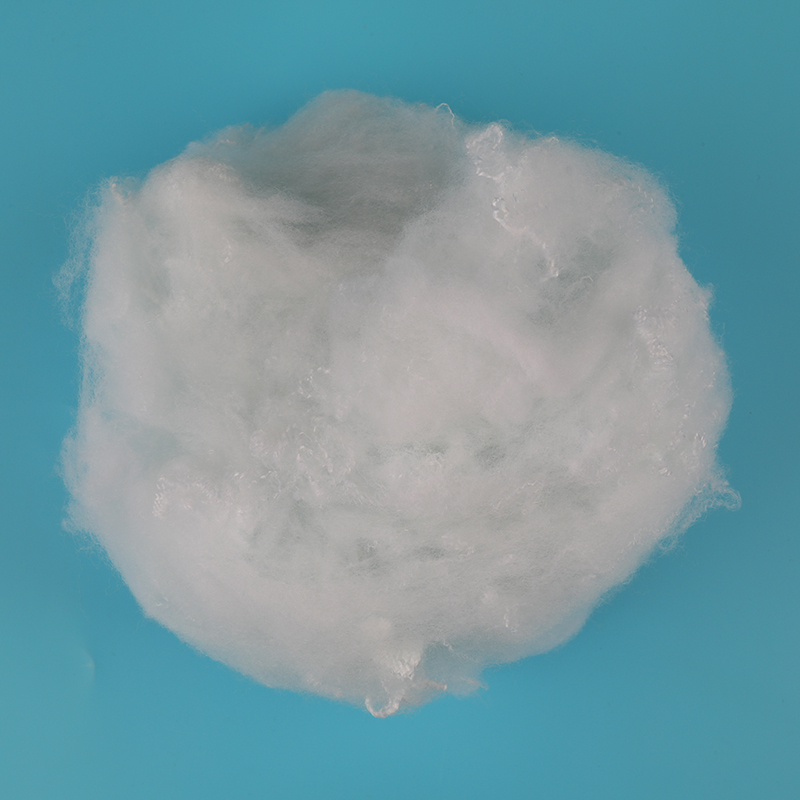
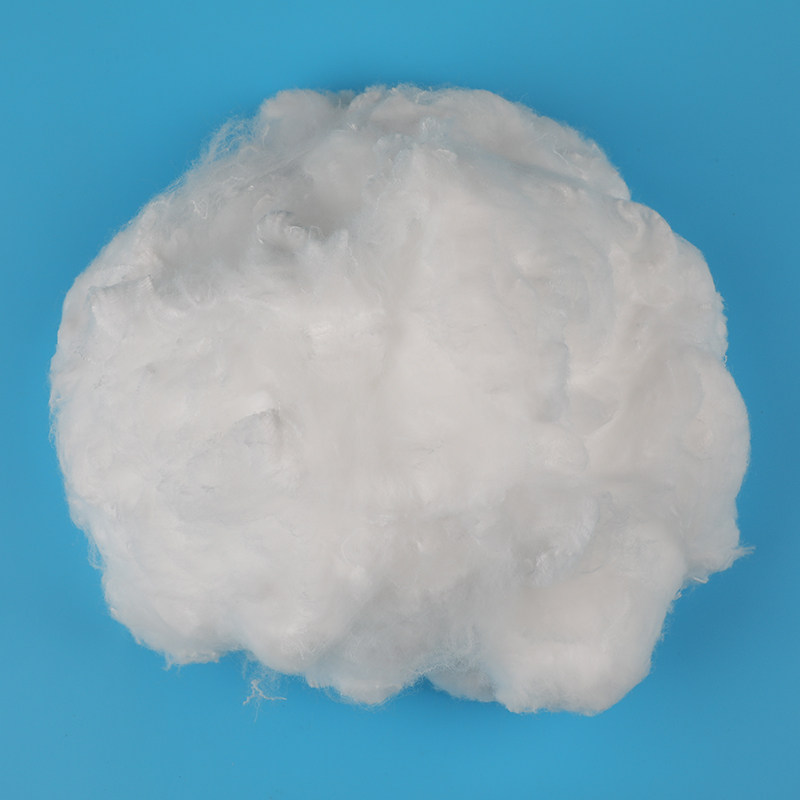
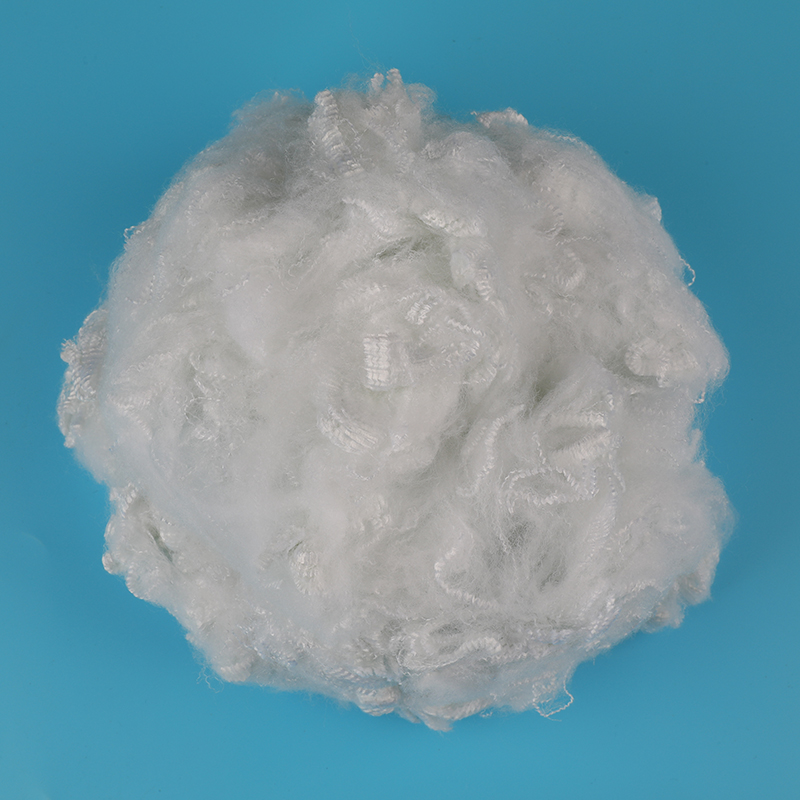
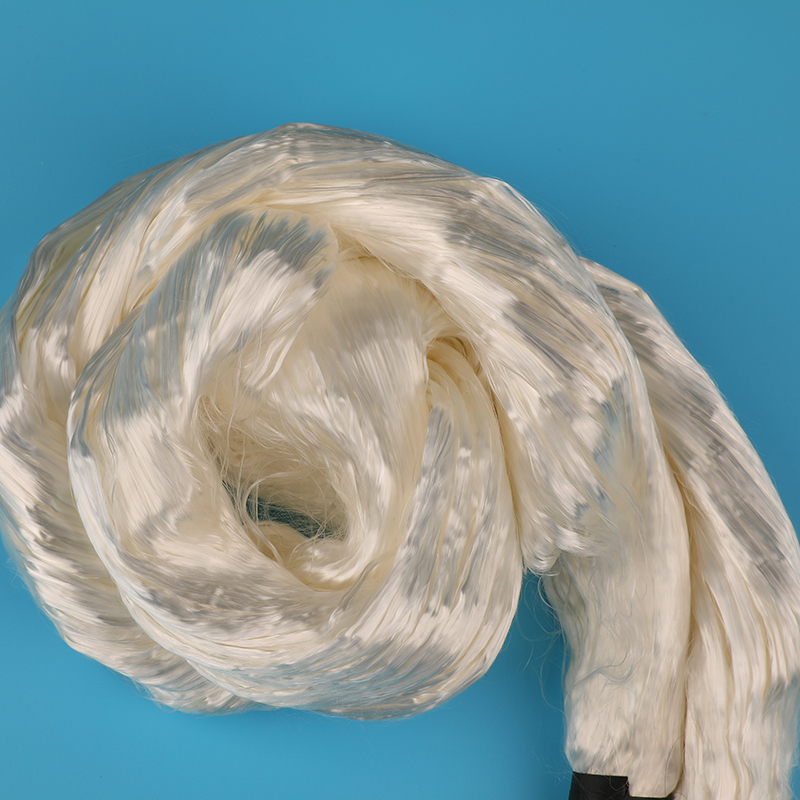
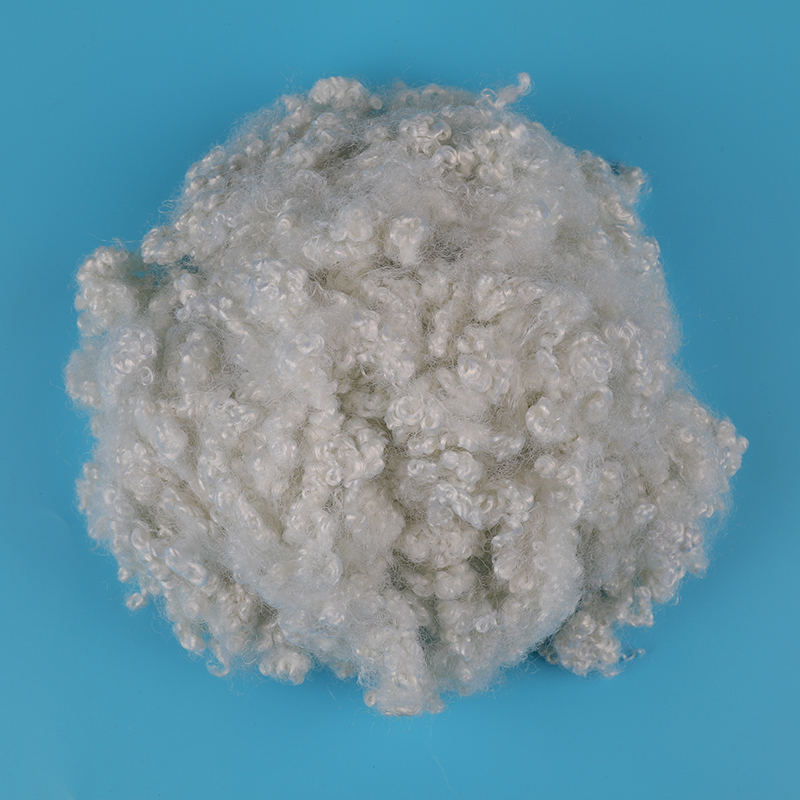
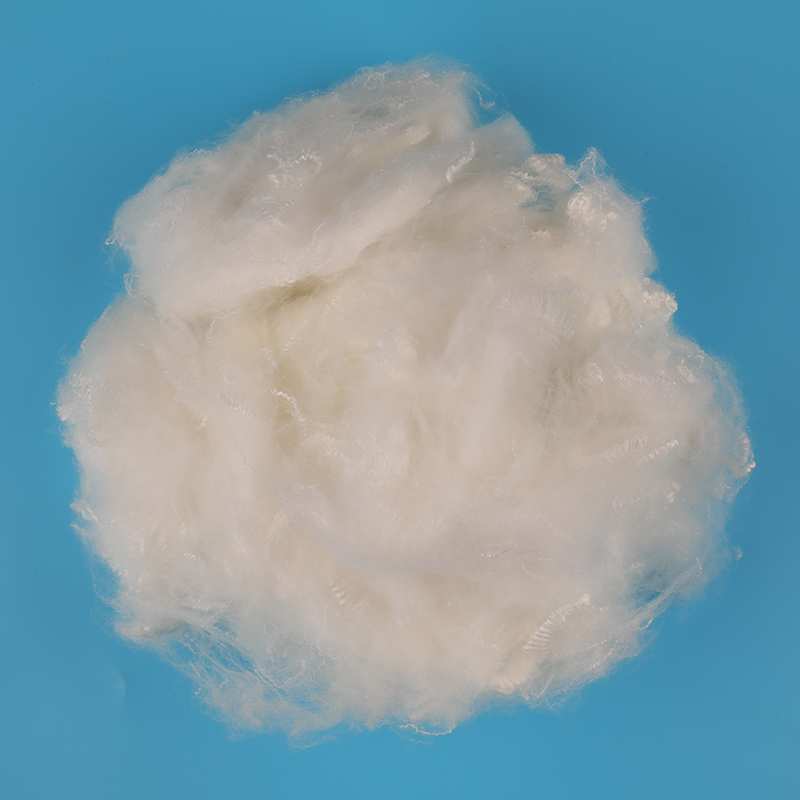
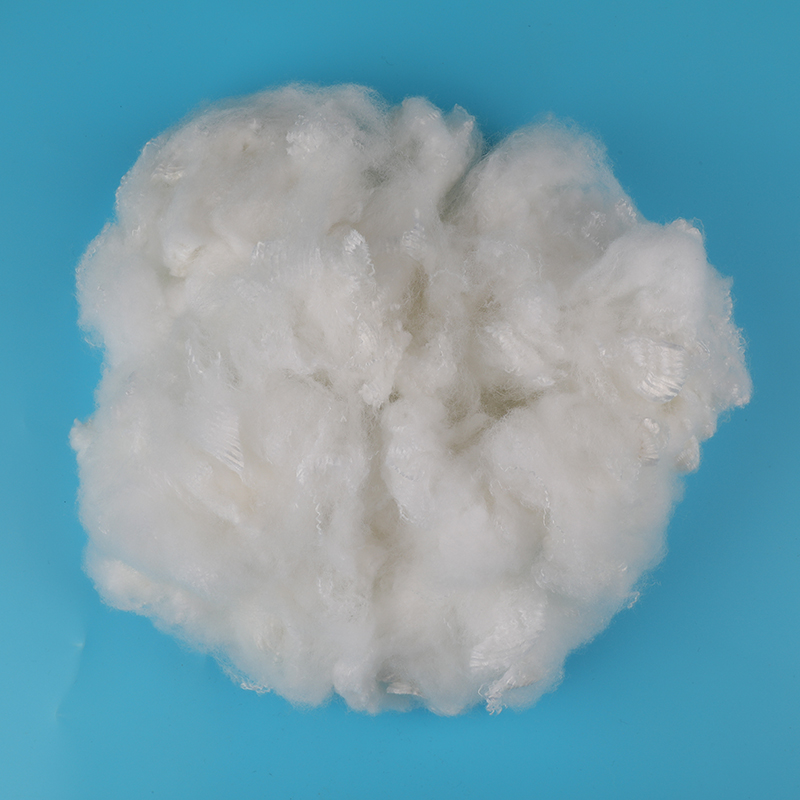
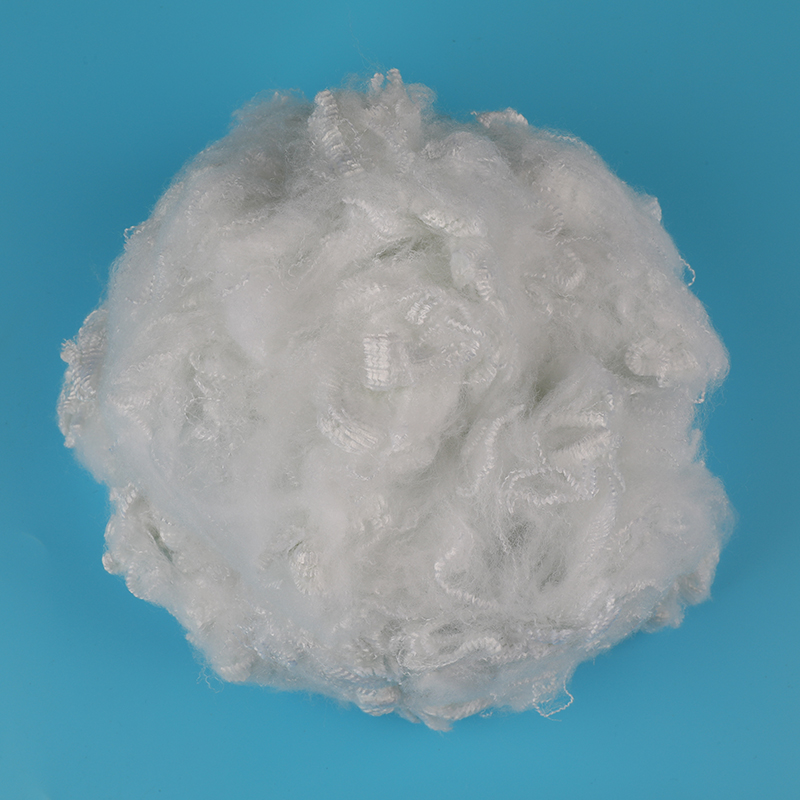
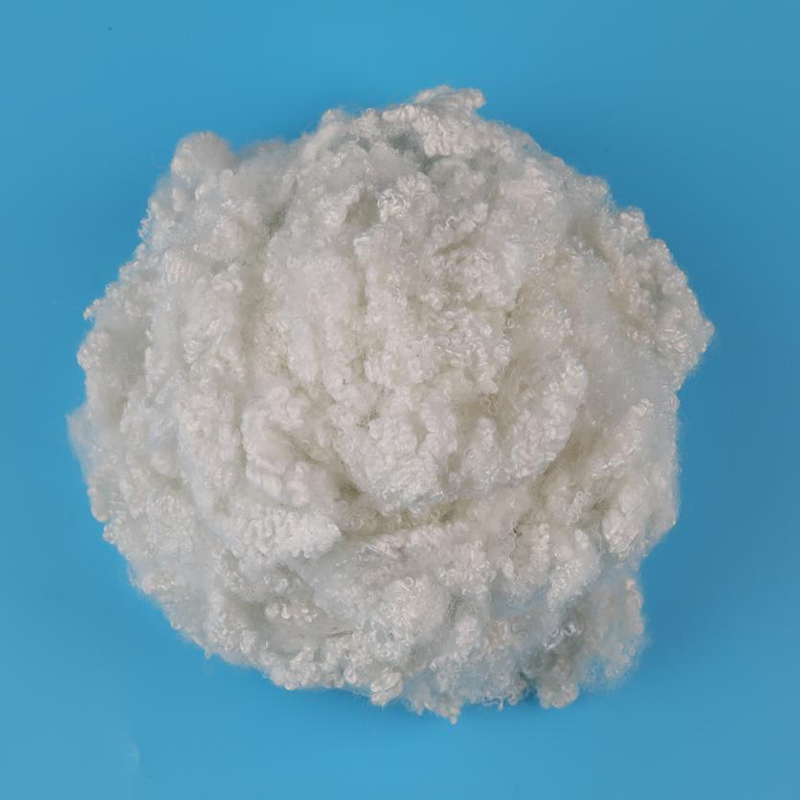
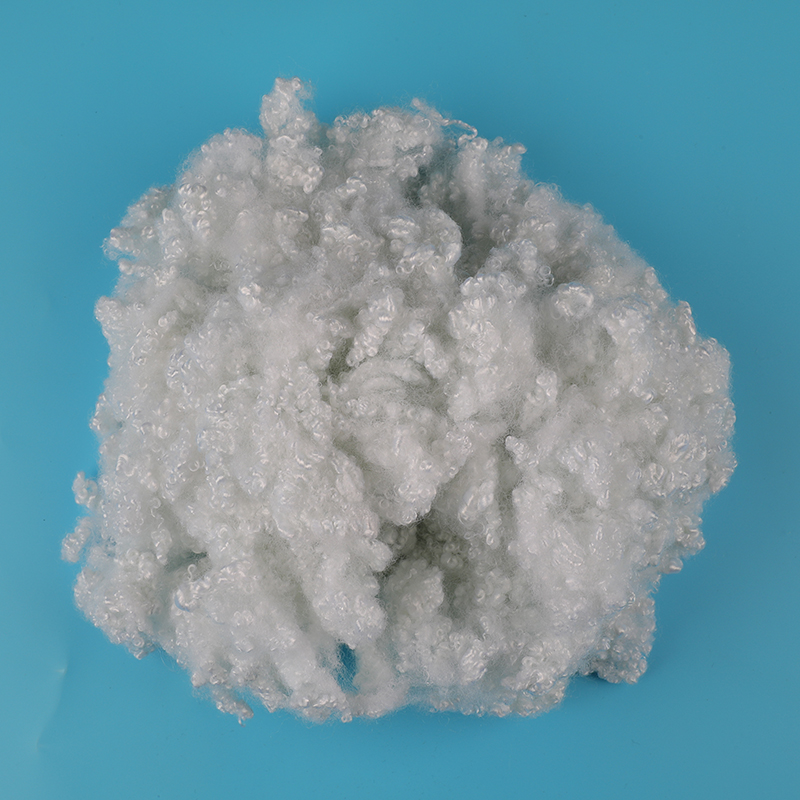
Raw white non-woven staple fibers serve as the foundational material for a vast array of non-woven fabrics, offering an optimal balance of purity, strength, and versatility. These fibers, naturally white and free from added dyes or pigments, are specifically engineered for applications requiring stringent hygiene standards and robust structural integrity. Their inherent characteristics make them indispensable in medical, hygiene, and advanced industrial sectors. The primary advantage of utilizing raw white staple fibers lies in their excellent processability and high cleanliness, which allows manufacturers to produce fabrics that are safe for human contact while maintaining the durability needed for demanding filtration and automotive applications.
Non-woven fabrics differ significantly from traditional textiles because they are not woven or knitted. Instead, they are manufactured by bonding staple fibers together through chemical, mechanical, heat, or solvent treatments. The quality of the final non-woven fabric is intrinsically linked to the properties of the staple fibers used. Raw white fibers provide a blank canvas, ensuring that the final product meets specific visual and performance criteria without the risk of dye bleeding or chemical interference from colorants. This comprehensive guide delves into the fundamental properties, manufacturing processes, primary applications, and selection criteria for raw white non-woven staple fibers.
The performance of any non-woven fabric begins with the inherent physical and chemical properties of its constituent staple fibers. Raw white non-woven staple fibers are formulated to maximize specific traits that are highly valued in commercial manufacturing.
The term "raw white" indicates that the fibers have not been subjected to harsh optical brightening agents or artificial dyes. This natural whiteness is a critical requirement in industries where cleanliness is visually and functionally paramount. For instance, in medical settings, a white fabric subconsciously communicates sterility. Furthermore, the absence of dyes means there are no additional chemicals that could potentially cause skin irritation, making these fibers exceptionally safe for personal hygiene products.
Despite being engineered for softness in certain applications, raw white staple fibers boast impressive tensile strength. The structural integrity of the fibers ensures that the resulting non-woven fabric can withstand mechanical stress during both the manufacturing process and its end-use. The high tensile strength prevents tearing and fraying, which is essential for durable goods such as industrial wipes, geotextiles, and automotive interior components.
Depending on the polymer base—such as polypropylene, polyester, or viscose—these staple fibers exhibit varying degrees of chemical resistance. Polypropylene staple fibers, for example, are highly resistant to acids and alkalis, making them suitable for aggressive filtration environments. Thermal stability is another crucial characteristic; fibers must maintain their structural form under the heat generated during the bonding processes of non-woven manufacturing, such as calendering or thermal bonding.
Understanding how raw white non-woven staple fibers are transformed into finished fabrics requires an examination of the primary bonding techniques. The choice of process dictates the texture, density, and performance of the final product.
In the spunlace process, high-pressure water jets are used to entangle the staple fibers, binding them together without the need for chemical binders. Raw white staple fibers are ideal for this process because their clean surface allows for optimal fiber-to-fiber friction. The result is a highly soft, drapable fabric often used in premium wet wipes and medical sponges. The natural white color is preserved perfectly throughout this water-based process.
Thermal bonding utilizes heat and pressure to melt and fuse the staple fibers together. This is typically achieved using a calendering machine with engraved rollers. For this process, a blend of raw white staple fibers is often used—specifically, a homopolymer fiber mixed with a lower-melting-point copolymer fiber. When heated, the copolymer melts and acts as a binder for the more robust homopolymer fibers. This method produces strong, dimensionally stable fabrics used in hygiene back sheets and tea bag packaging.
Needle punching is a mechanical process where barbed needles repeatedly punch through a fibrous web, pushing fibers vertically and interlocking them. Raw white staple fibers with higher denier and length are preferred for needle punching to create thick, durable fabrics. These fabrics are heavily utilized in automotive carpets, furniture lining, and geotextiles, where bulk and resilience are more important than softness.
The versatility of raw white non-woven staple fibers allows them to be seamlessly integrated into a wide spectrum of industries. Their applications range from life-saving medical devices to everyday convenience items.
In the medical field, non-woven fabrics made from raw white fibers are ubiquitous. They are used to manufacture surgical gowns, drapes, face masks, and sterilization wraps. The natural white color is not just an aesthetic choice; it ensures that any contamination or fluid strike-through is immediately visible to medical professionals. The fibers must meet stringent regulatory standards for purity and linting, ensuring a sterile environment in operating rooms.
The personal care industry heavily relies on these fibers for the production of baby diapers, adult incontinence products, and feminine hygiene items. Specifically, the top sheet—the layer directly in contact with the skin—is often made from spunbond non-woven fabric using raw white polypropylene staple fibers. The fibers are engineered to be ultra-soft while rapidly channeling liquids away from the skin. Additional applications include:
Beyond hygiene, raw white staple fibers play a crucial role in industrial filtration. Non-woven fabrics created from polyester staple fibers are used as filter media for air and liquid purification. The random arrangement of the fibers creates a complex maze that traps particulate matter efficiently. In the automotive sector, these fibers are used for cabin air filters, engine intake filters, and interior trim linings, providing both acoustic insulation and structural support.
The shift from traditional woven textiles to non-woven fabrics in many sectors is driven by several distinct advantages. By utilizing raw white non-woven staple fibers, manufacturers can achieve outcomes that are difficult to replicate with woven materials.
As the global focus on environmental sustainability intensifies, the non-woven industry is adapting by re-evaluating the staple fibers it utilizes. While traditional polypropylene and polyester offer superior performance and cost benefits, they are derived from petrochemicals and pose end-of-life disposal challenges. Consequently, there is a significant push towards bio-based and biodegradable raw white staple fibers.
Viscose, lyocell, and polylactic acid (PLA) fibers are becoming increasingly popular. These materials maintain the desirable raw white aesthetic and processability but break down naturally over time under the right conditions. Furthermore, manufacturers are optimizing their processes to reduce energy consumption and water usage during the bonding phases. The development of recyclable non-woven composites is also underway, allowing post-industrial scrap and post-consumer non-woven waste to be repelletized and spun into new staple fibers, closing the manufacturing loop.
Choosing the appropriate raw white non-woven staple fiber requires a thorough understanding of the end product's demands. Key specifications such as fiber length, denier (linear density), and tensile strength must be carefully matched to the intended manufacturing process and application. The table below provides a general guideline for matching fiber specifications to common non-woven applications.
| Fiber Type | Denier Range | Length Range | Ideal Application |
|---|---|---|---|
| Polypropylene (PP) | 1.5 - 3.0 D | 30 - 50 mm | Hygiene top sheets, medical gowns |
| Polyester (PET) | 3.0 - 15.0 D | 50 - 75 mm | Automotive interiors, geotextiles |
| Viscose | 1.0 - 2.0 D | 30 - 40 mm | Wet wipes, absorbent cores |
| Bicomponent (PE/PET) | 2.0 - 4.0 D | 40 - 50 mm | Thermal bonding applications, tea bags |
In conclusion, raw white non-woven staple fibers are a critical component in modern material science, bridging the gap between cost-effective manufacturing and high-performance end products. Their natural purity, customizable physical properties, and compatibility with various bonding techniques make them an unmatched resource. By carefully selecting the polymer type, length, and denier, manufacturers can continue to innovate across medical, hygiene, and industrial landscapes, ensuring that the final non-woven fabrics meet the exacting standards of safety, durability, and sustainability.
How Does Composite Es Fiber Improve Structural Material Durability?
2026-06-15
Chemical methods and biological enzymes, who is the latecomer?
2026-06-30Your email address will not be published. Required fields are marked *

Focusing to the research and production of differentiated fiber. Applying recycle-material processing scientifically.
 86-18457317878
Zhulinjizhen, Xinfeng Town, Jiaxing City, Zhejiang Province
Copyright @ 2023 Jiaxing Fuda Chemical Fibre Factory All rights reserved
Polyester Staple Fiber Manufacturers

Friendship link - Anhui Fulin Environmental Protection Technology Co., Ltd.:https://www.ahflhb.com