en
en  English
 中文简体
中文简体 Español
 عربى
عربى

Product Consultation
Your email address will not be published. Required fields are marked *
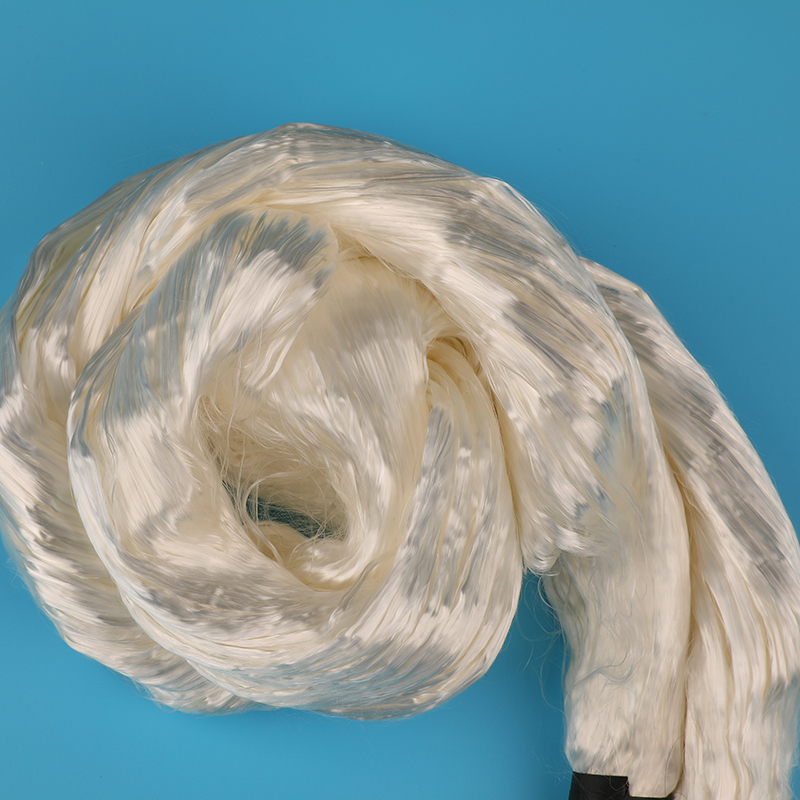
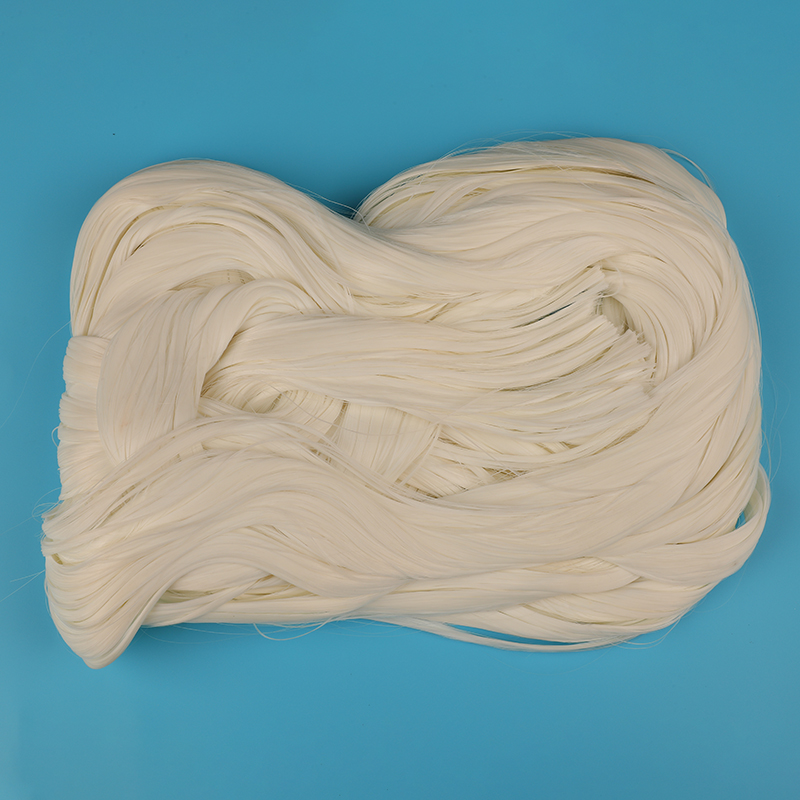
Composite Es Fiber is a high-performance modified glass fiber composite material with excellent mechanical strength, chemical stability and molding adaptability. Compared with conventional glass fibers, it offers a balanced improvement in tensile, corrosion, and thermal resistance and can be widely used in structural reinforcement, industrial anti-corrosion, lightweight manufacturing, and other fields. It has become a mainstream base material for medium and high-end composite products due to its cost-performance advantage and comprehensive performance compatibility, and can replace multiple traditional fiber materials in most industrial application scenarios.
Composite Es Fiber is a modified composite fiber material developed based on traditional E-glass fiber, with optimized component ratio and microstructural design. Different from single-component glass fiber, it adopts a multi-phase composite structure in the fiber forming process, which effectively makes up for the performance defects of traditional glass fiber in toughness, fatigue resistance and environmental adaptability. The core structural feature of this fiber is the uniform distribution of modified functional components inside the fiber matrix, which forms a stable microscopic bonding structure and avoids the performance attenuation caused by single structural failure.
In terms of microscopic structure, Composite Es Fiber has a finer and more uniform fiber diameter distribution. The internal molecular arrangement is more compact, and the interfacial bonding force between fiber monomers is significantly improved. In the composite molding process with resin, rubber and other matrix materials, this structural feature can greatly enhance the interfacial adhesion strength. Test data shows that the interfacial bonding rate of Composite Es Fiber and organic matrix materials is more than 20% higher than that of ordinary E-glass fiber, which fundamentally improves the overall structural stability of composite products.
In addition, the composite structure design enables the fiber to have better structural uniformity after stretching and molding. It will not produce local stress concentration under long-term load, which effectively reduces the risk of cracking and damage of composite materials in service. This structural characteristic also endows the material with good processability, which can adapt to various molding processes such as winding, pultrusion, laminating and injection molding.
Composite Es Fiber stands out among intermediate glass fiber materials because of its balanced mechanical and physical properties. It not only retains the basic high-strength characteristics of traditional glass fiber, but also optimizes flexibility and durability, solving the common problems of brittleness and easy fracture of traditional fiber materials in complex working conditions. Its comprehensive performance indicators can fully meet the manufacturing standards of industrial structural parts, anti-corrosion equipment and lightweight components.
The tensile strength and flexural strength of Composite Es Fiber have been significantly improved after component modification. Its overall mechanical retention rate after long-term cyclic load can reach more than 90%, which is far higher than that of ordinary glass fiber composites. For industrial components that need to bear alternating stress and dynamic load for a long time, this high retention performance can effectively extend the service life of products and reduce maintenance and replacement costs.
Different from carbon fiber which has high strength but poor impact resistance, Composite Es Fiber has moderate hardness and excellent toughness. It can absorb external impact energy through micro-deformation without brittle fracture, making it more suitable for outdoor equipment and structural parts that are prone to collision and vibration.
Composite Es Fiber has excellent temperature resistance and can maintain stable structural performance in a wide temperature range. It will not undergo obvious softening, deformation or performance attenuation in conventional high-temperature working environments, and can also avoid embrittlement failure in low-temperature environments. This wide temperature adaptability enables the material to be applied in both high-temperature industrial workshops and low-temperature outdoor environments.
In terms of environmental resistance, the modified component structure greatly improves the moisture resistance and aging resistance of the fiber. It can effectively resist the erosion of humid air, industrial dust and mild chemical media, and slow down the aging speed of composite materials caused by ultraviolet radiation and climate change. Compared with traditional fiber materials, its outdoor service cycle is significantly prolonged.
Chemical corrosion resistance is one of the core competitive advantages of Composite Es Fiber. Traditional glass fiber is prone to alkali corrosion and hydrolysis reaction in long-term use, resulting in fiber peeling, strength decline and composite layer separation. Composite Es Fiber optimizes the internal chemical structure through composite modification technology, which greatly improves its resistance to alkali, acid and water medium erosion.
In industrial scenarios such as chemical industry, sewage treatment and marine engineering, materials need to face the erosion of various corrosive media for a long time. Composite Es Fiber can maintain stable chemical properties in weak acid, weak alkali and salt solution environments. After long-term immersion in conventional corrosive media, the strength loss of Composite Es Fiber composites is controlled within a very low range, which avoids the structural failure of equipment caused by material corrosion.
In addition, the fiber has good hydrolysis resistance. In high humidity and water immersion environment, it will not produce chemical hydrolysis reaction, and the bonding state between fiber and matrix remains stable. This performance makes it an ideal material for manufacturing anti-corrosion pipelines, water treatment equipment and marine auxiliary structures.
Excellent processability is an important reason why Composite Es Fiber can be widely promoted in industrial production. The fiber has uniform softness and stable sizing performance, which can adapt to almost all mainstream composite molding processes. It has good compatibility with epoxy resin, polyester resin, vinyl resin and other common matrix materials, and will not produce poor bonding or interfacial defects due to material mismatch.
Compared with high-performance fibers with complex processing requirements, Composite Es Fiber has lower production and processing thresholds, and will not increase excessive production costs while ensuring product performance. It realizes the organic unity of high performance and economic benefit, and is very suitable for large-scale industrial batch production.
With its balanced mechanical properties, corrosion resistance and processability, Composite Es Fiber has been widely used in many industrial fields, replacing traditional metal materials and ordinary fiber composite materials, and realizing lightweight and anti-corrosion upgrading of industrial products.
In chemical industry, environmental protection and sewage treatment industries, a large number of equipment and pipelines need long-term anti-corrosion protection. Composite Es Fiber composites can be used to make anti-corrosion lining, pipeline outer protection layer and equipment shell. Its excellent medium resistance can effectively delay equipment corrosion failure and reduce the frequency of equipment maintenance and replacement.
In transportation, new energy equipment and construction auxiliary structures, lightweight is an important development direction. Composite Es Fiber composites have lower density than metal materials and higher structural stability than ordinary fiber materials. It can effectively reduce the overall weight of equipment, reduce energy consumption, and ensure structural safety and load-bearing capacity.
Outdoor facilities are affected by climate change, ultraviolet radiation and humid environment all year round, and traditional materials are easy to age and damage. Composite Es Fiber has excellent weather resistance and aging resistance, and can be used for reinforcement and protection of guardrails, support structures, communication auxiliary facilities and outdoor decorative structural parts, greatly improving the service life of infrastructure.
In order to intuitively reflect the comprehensive advantages of Composite Es Fiber, the core performance of several common industrial fiber materials is compared below. Composite Es Fiber achieves a perfect balance between performance and cost, avoiding the defects of single performance limitation or excessive cost of traditional materials.
| Material Type | Mechanical Toughness | Corrosion Resistance | Processing Adaptability | Cost Performance |
|---|---|---|---|---|
| Ordinary E-glass Fiber | General | Weak | Good | Medium |
| Composite Es Fiber | Excellent | Excellent | Excellent | High |
| Carbon Fiber | High strength, low toughness | Good | General | Low |
It can be seen from the comparison that Composite Es Fiber has no obvious performance shortcomings in all core indicators. It makes up for the poor corrosion resistance of ordinary glass fiber, and also solves the problem of high cost and poor impact toughness of carbon fiber, making it more suitable for large-scale industrial popularization and application.
With the continuous upgrading of industrial manufacturing towards lightweight, high durability and low energy consumption, the market demand for high-performance composite fiber materials is increasing year by year. As a modified composite material with balanced performance, Composite Es Fiber is gradually replacing traditional single fiber materials and becoming a key basic material in the composite industry.
In the future, with the continuous optimization of fiber modification technology and production processes, the performance of Composite Es Fiber will be further improved, and the production cost will be further controlled. It will be more widely used in emerging fields such as new energy equipment, intelligent manufacturing components and marine engineering facilities. Its comprehensive alternative potential to traditional industrial materials will continue to expand, bringing more efficient and economical material solutions for modern industrial manufacturing.
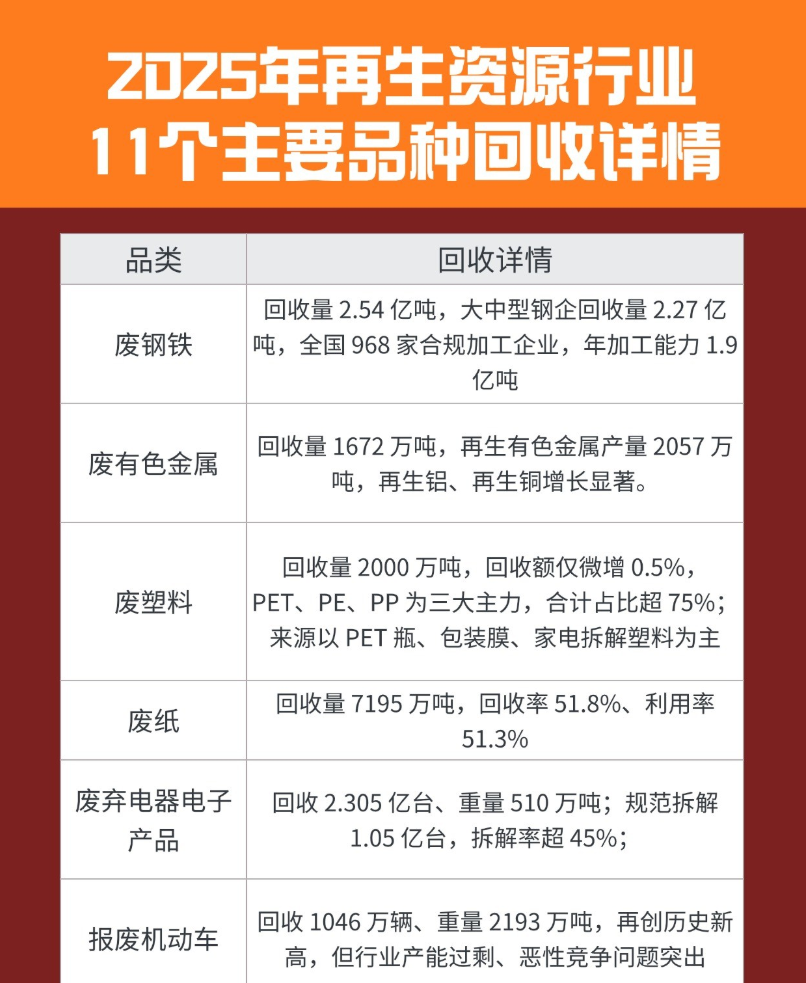
Recycling details of 11 major types of renewable resources industry in 2025
2026-06-18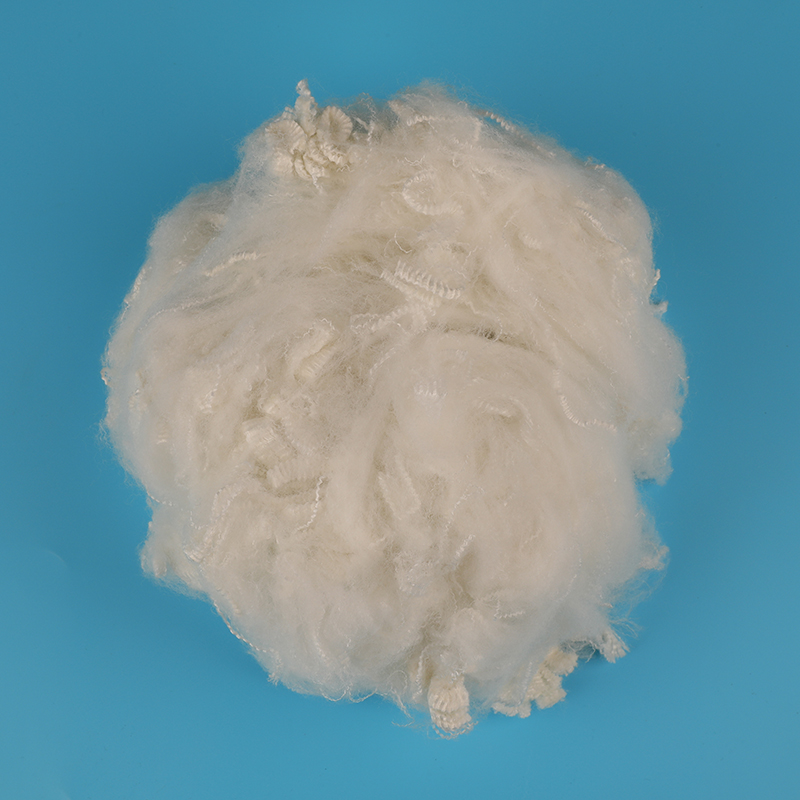
What are the irreplaceable core advantages of Raw White Non-Woven Staple Fibers?
2026-06-22Your email address will not be published. Required fields are marked *

Focusing to the research and production of differentiated fiber. Applying recycle-material processing scientifically.
 86-18457317878
Zhulinjizhen, Xinfeng Town, Jiaxing City, Zhejiang Province
Copyright @ 2023 Jiaxing Fuda Chemical Fibre Factory All rights reserved
Polyester Staple Fiber Manufacturers

Friendship link - Anhui Fulin Environmental Protection Technology Co., Ltd.:https://www.ahflhb.com