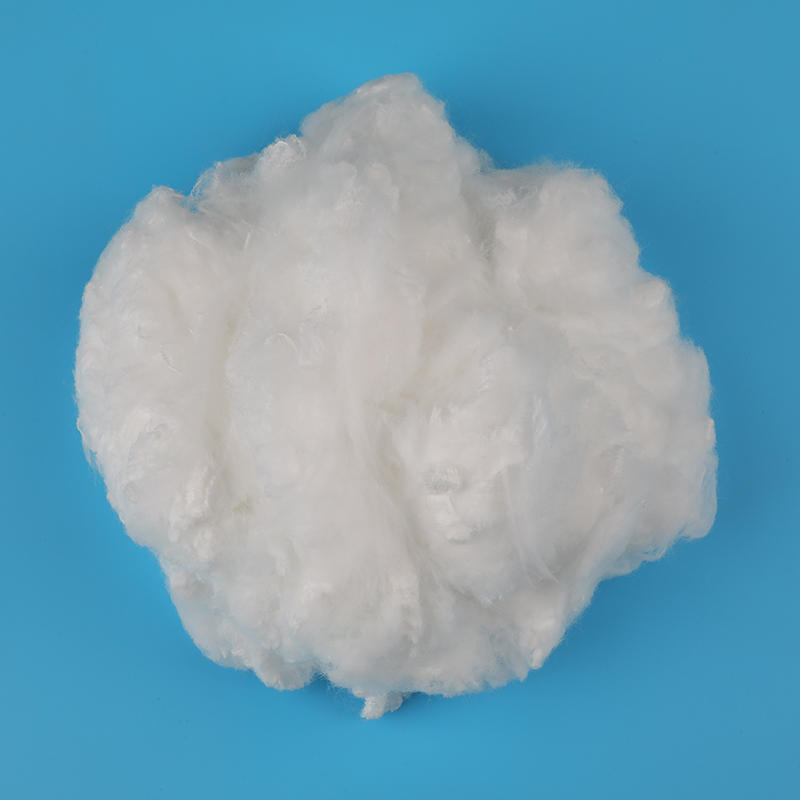
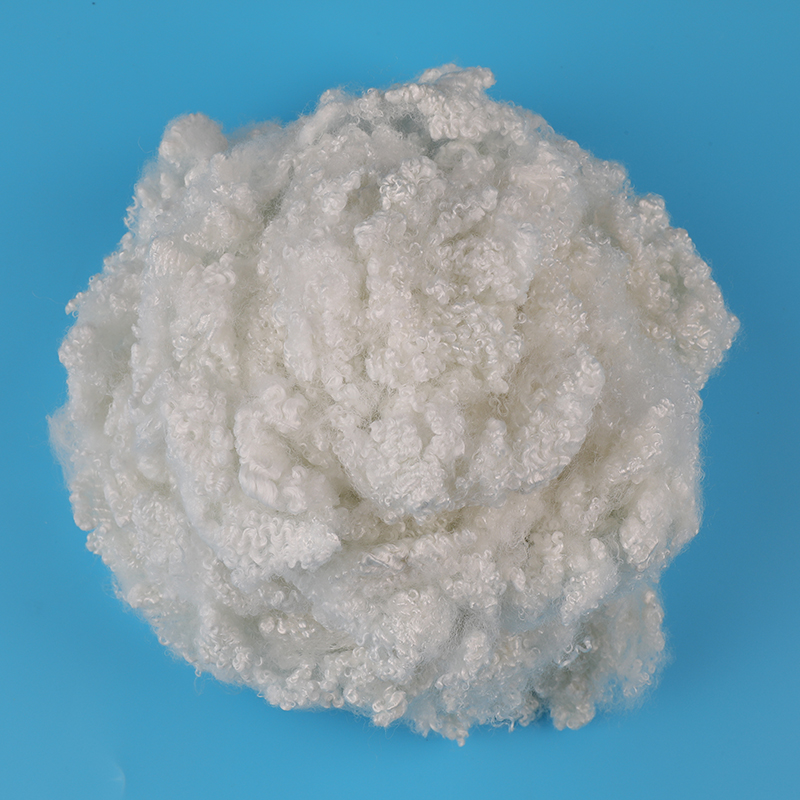
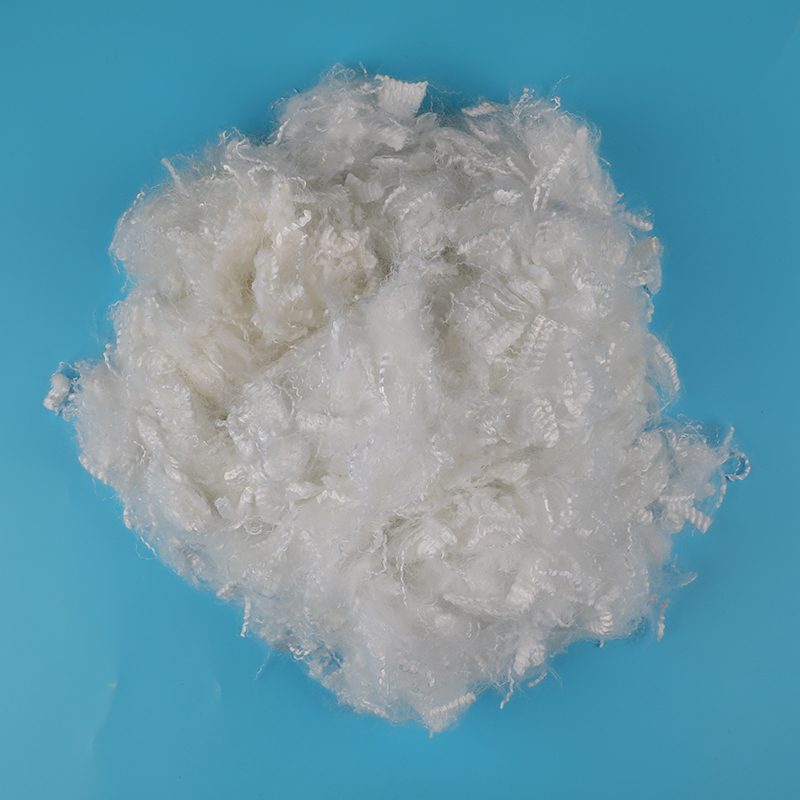
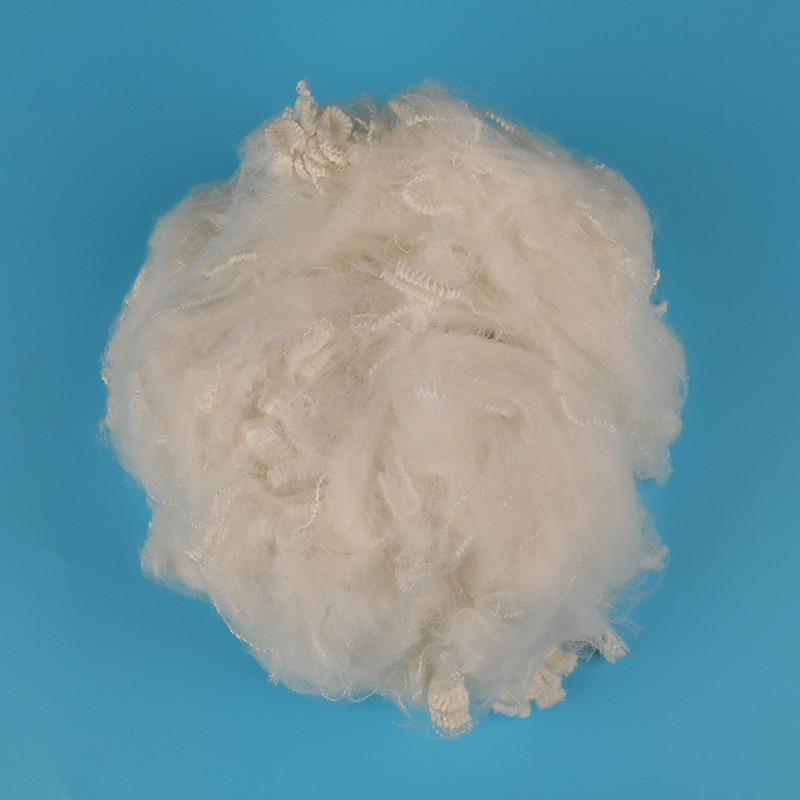
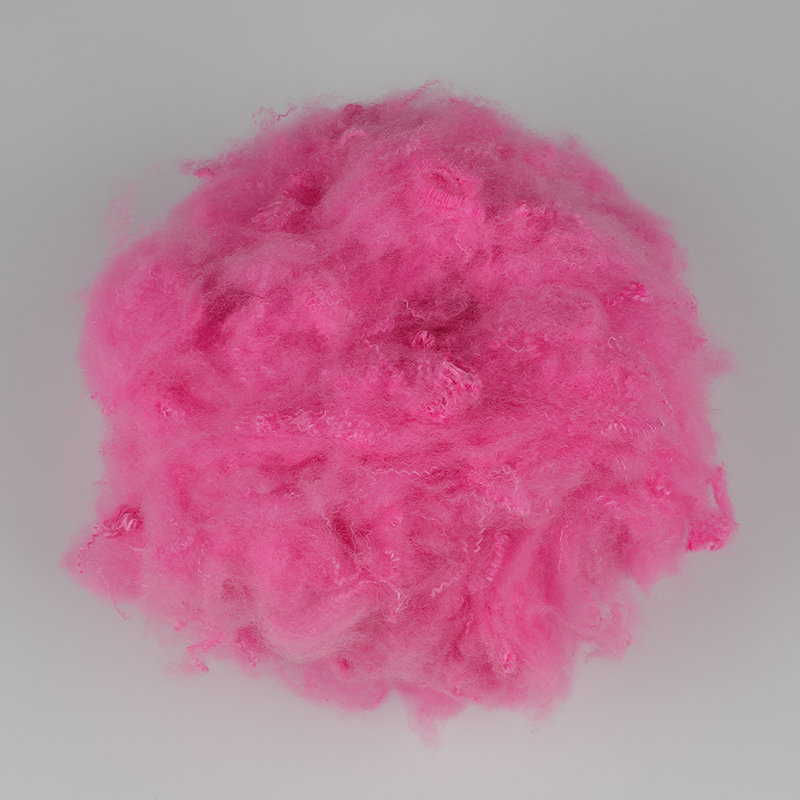
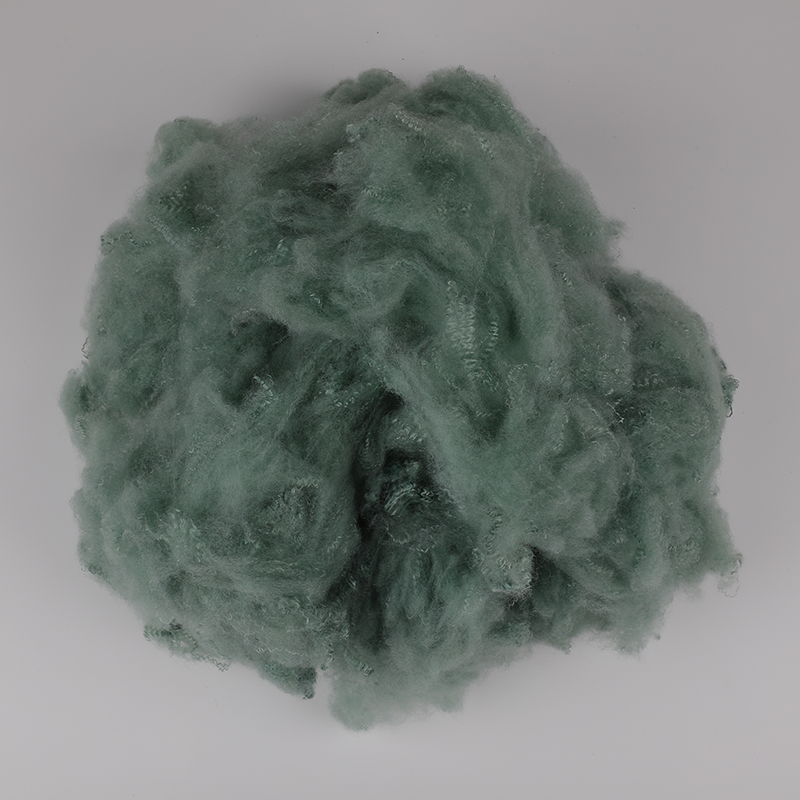
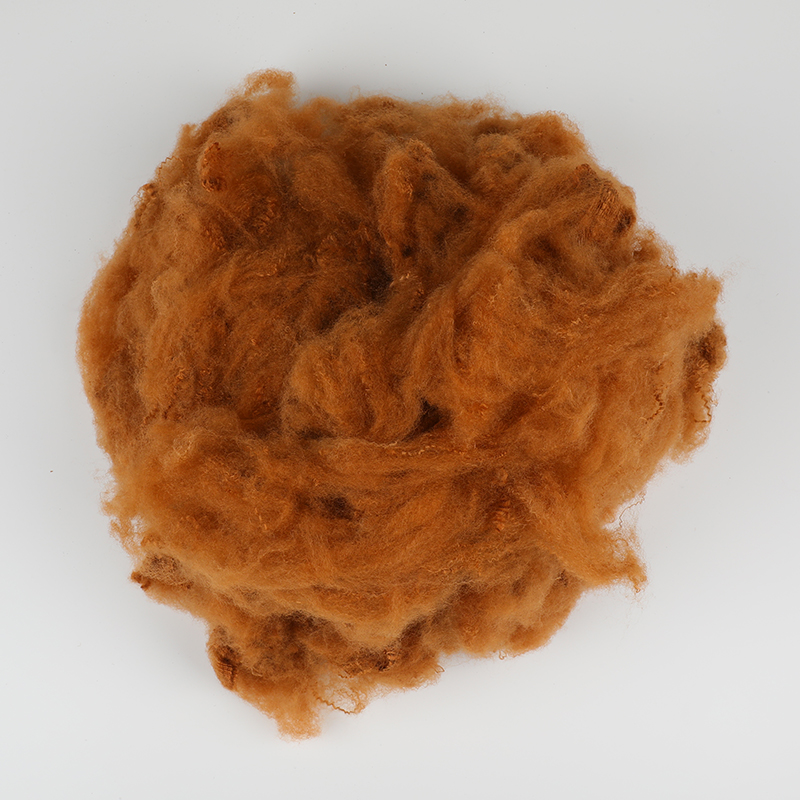
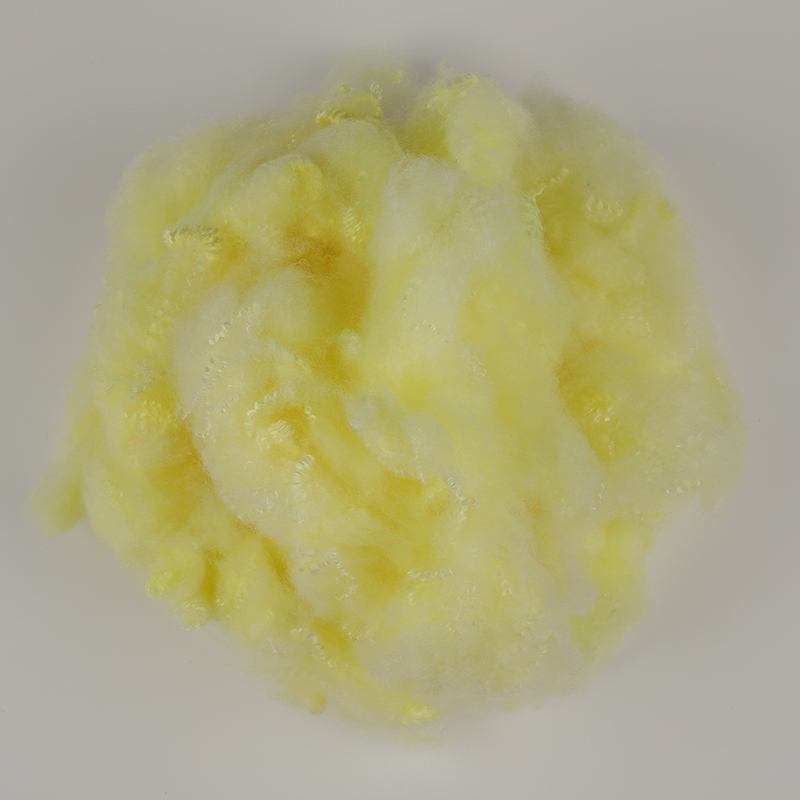
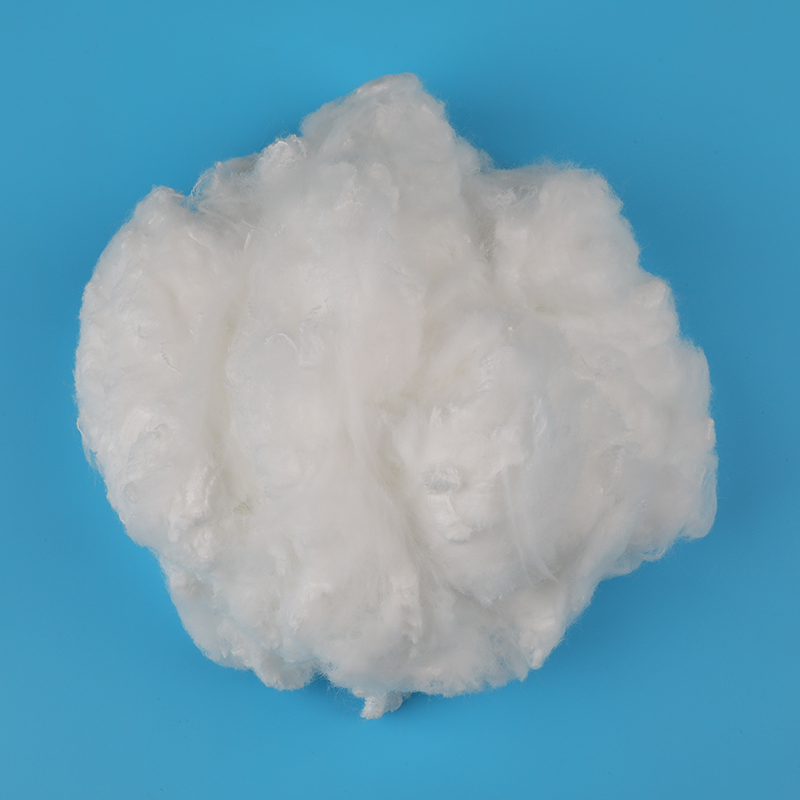
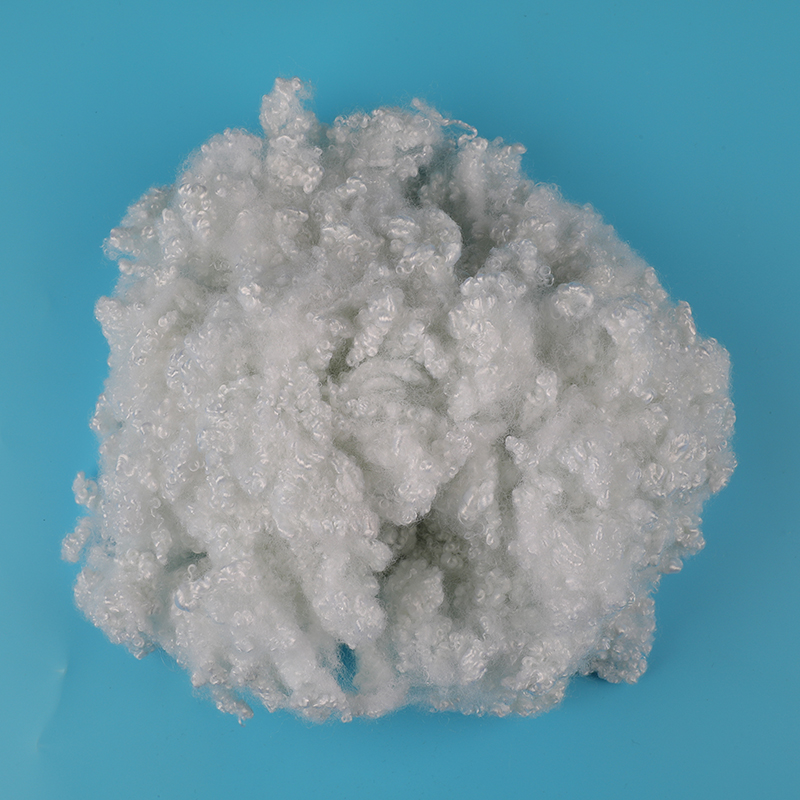
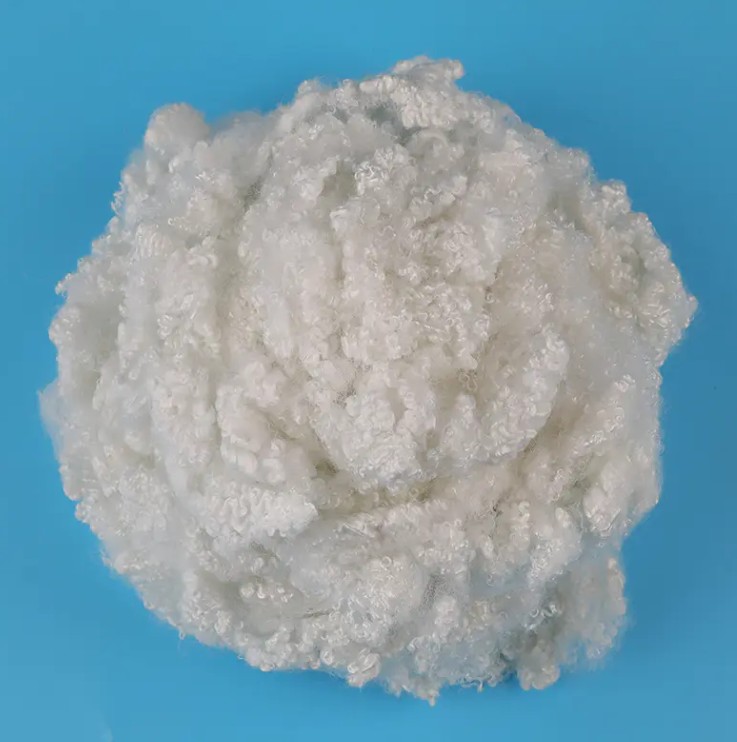
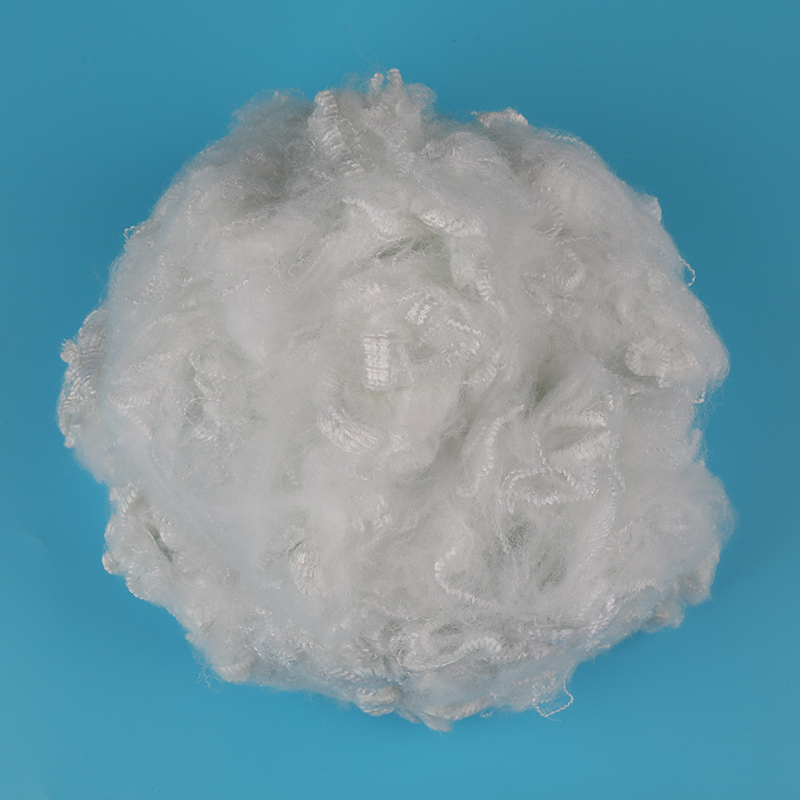
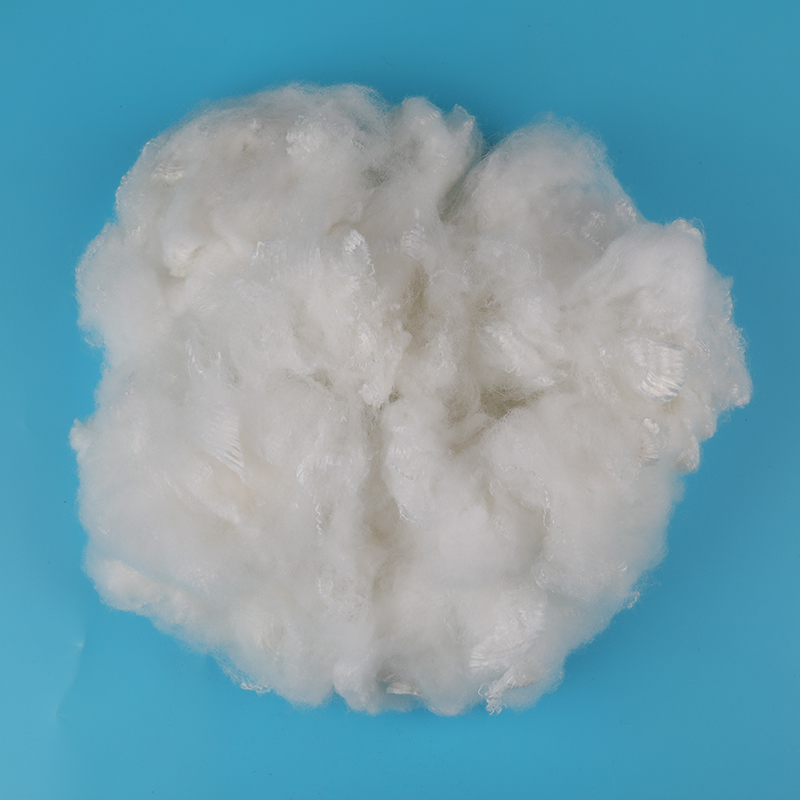
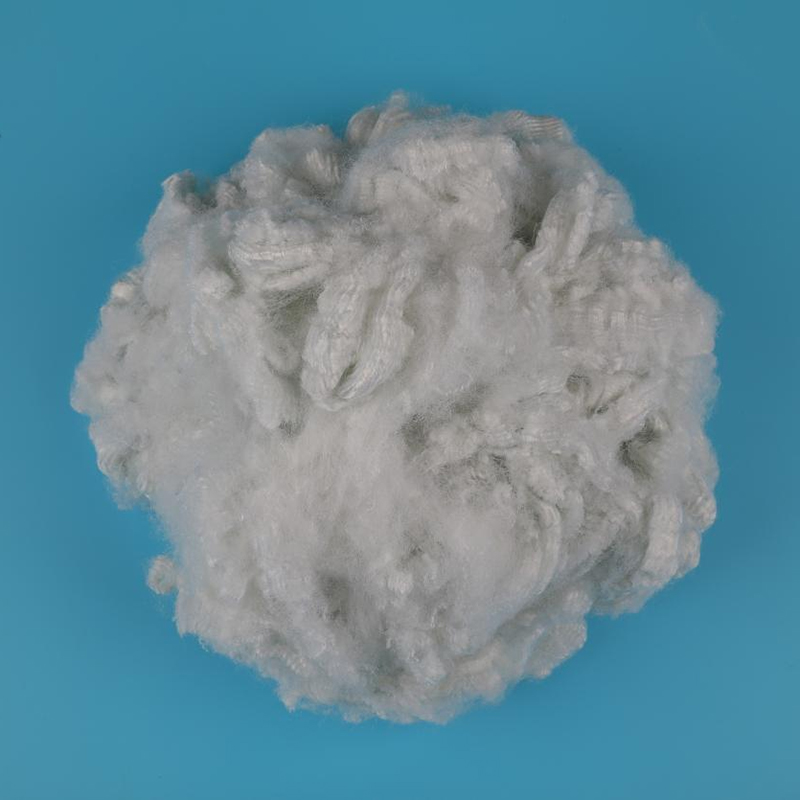
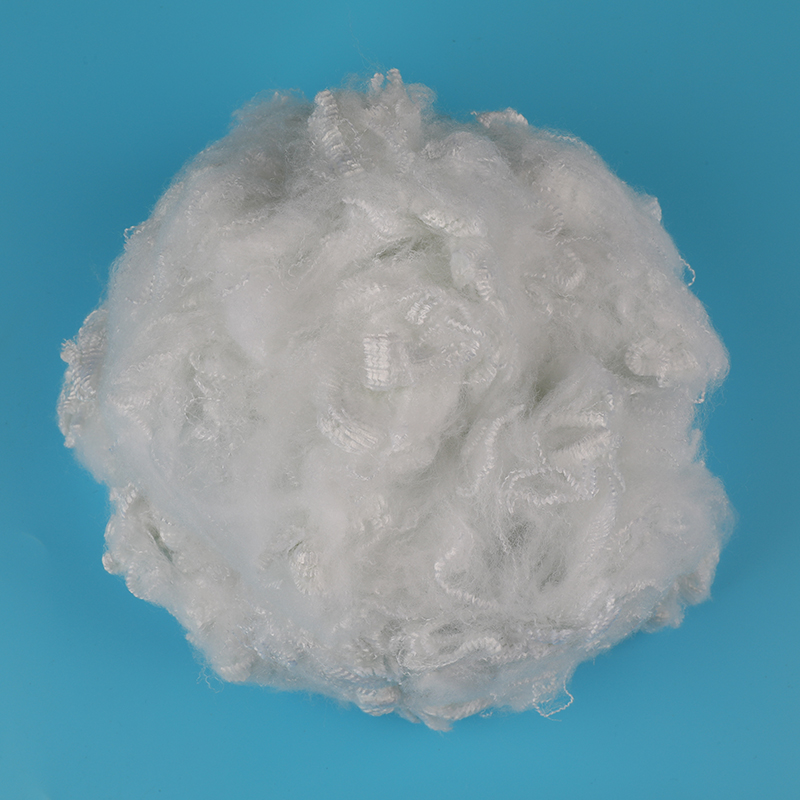
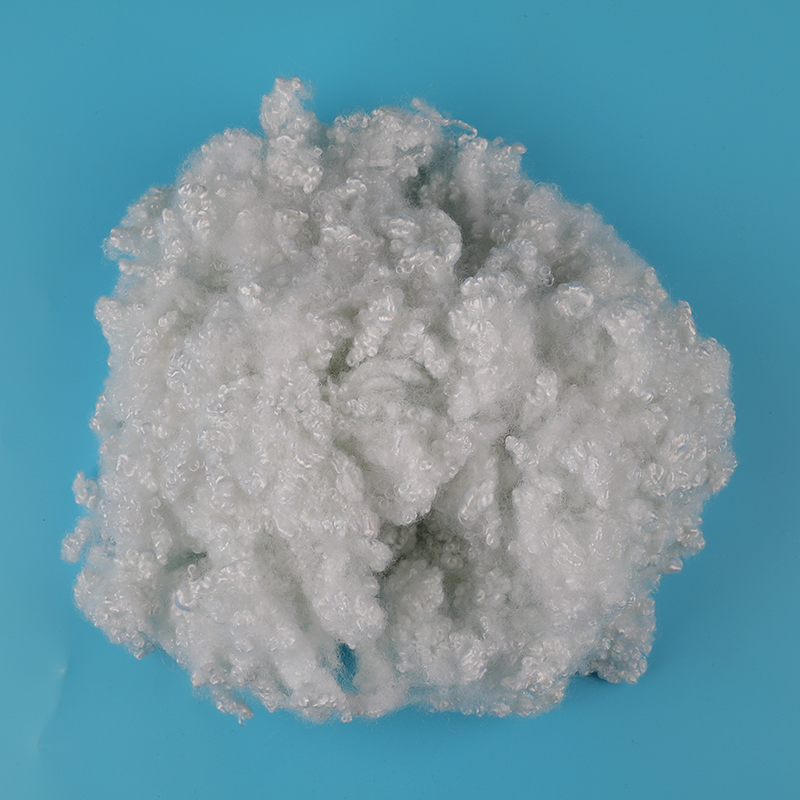
Hollow microfiber fine filling is an inexpensive synthetic filling cloth designed to provide insulation
Hollow microfiber fine filling is an inexpensive synthetic filling cloth designed to provide insulation and breathability, frequently utilized in pillows and duvets but additionally apparel, sofas, and plush toys. More durable than feather or down materials including down-crammed pillows, it can even be gadget washed without losing its form; moreover it requires no fluffing while purchased as compared to a few feather merchandise that want normal fluffing.
This invention describes a technique for producing hole microfibers through co-extruding one-of-a-kind polymers with awesome performance traits in their pass-section of fiber. This creates multi-element fibers that can be processed into staple, filament, or microfiber paperwork and might show specific traits consisting of precise luster or moisture transport residences.
At the center of hollow microfiber production lies its uniform residences across its entire duration. To accomplish this goal, the hole fiber substrate is heated and multiplied in a strain vessel within a co-extruder where non-solvent intrusion from outside coagulant at air gap place, in addition to gravity and spinning-line stresses, can create finger-like microvoids within hollow microfibers that bring about their manufacturing.
After increasing nascent hollow microfibers, they're cured to form green hollow pleasant fibers with variable wall thickness and outer diameter, typically before curing a variant of = five for each parameter. Curing green hollow high-quality fibers generally involves heating them, the use of hot air or heated convection float; this leads to dense hole systems with average wall thicknesses between 0. Five to 50 mm, mainly 8 to fifty-five mm, and preferably 12-24 mm.
Once inexperienced hollow microfibers are stretched on a flatbed stretching apparatus, they regain their authentic form and desired properties, consisting of high PES awareness of their hollow center, expanded strength, superior water permeability, and an adjustable outer layer pore size that influences water resistance and salt rejection.
Glycerol remedy of as-spun hollow fibers facilitates mitigation of any impact from hint amounts of residual solvent or additives on porosity, with the aid of dislodging them from polyamide selective layers. As a result, hollow microfibers therefore produced their own better water permeability than their untreated pristine opposite numbers whilst nonetheless imparting terrific salt rejection at working pressures up to 30 bar.