en
en  English
 中文简体
中文简体 Español
 عربى
عربى
Product Consultation
Your email address will not be published. Required fields are marked *
The use of Hollow microfiber and Hollow fine materials in textiles has seen a significant rise in recent years. These fibers offer unique properties that enhance both the functional and aesthetic qualities of fabric products. In this article, we will explore the advantages and applications of these materials in detail, compare them with traditional fibers, and help you understand how they are revolutionizing the textile industry.
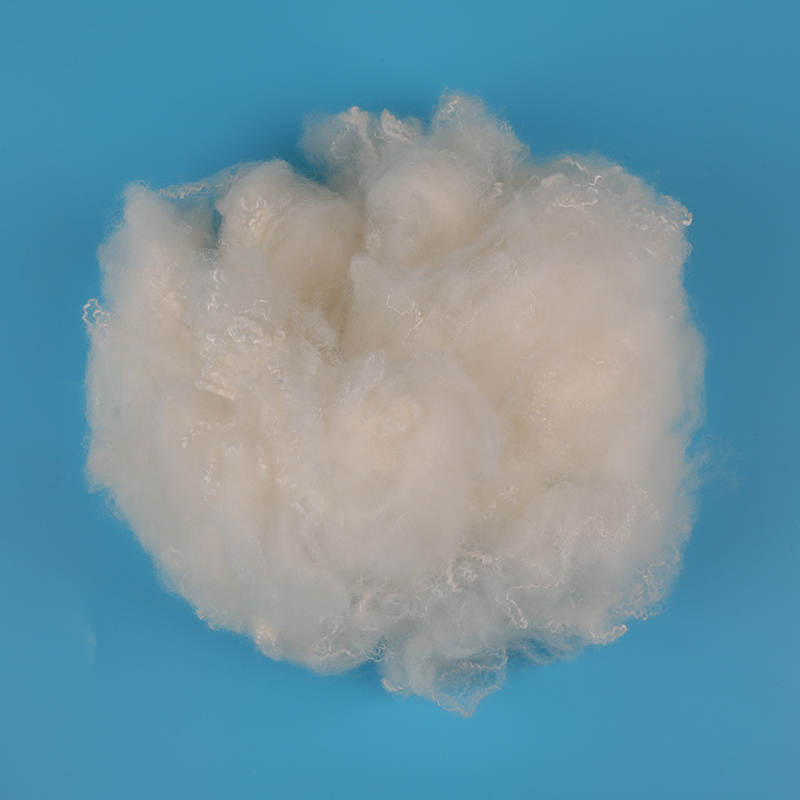
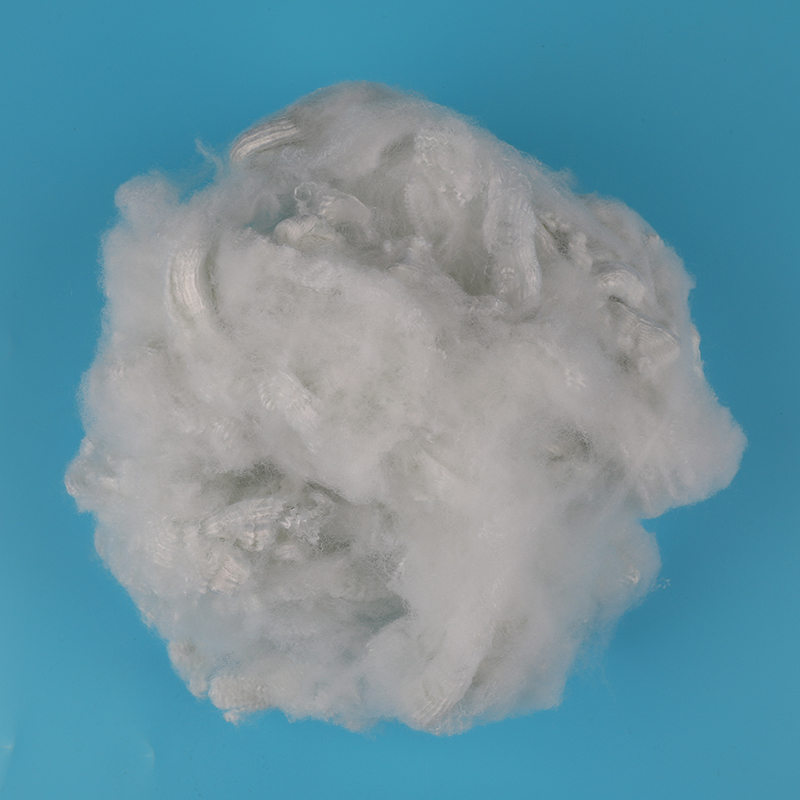
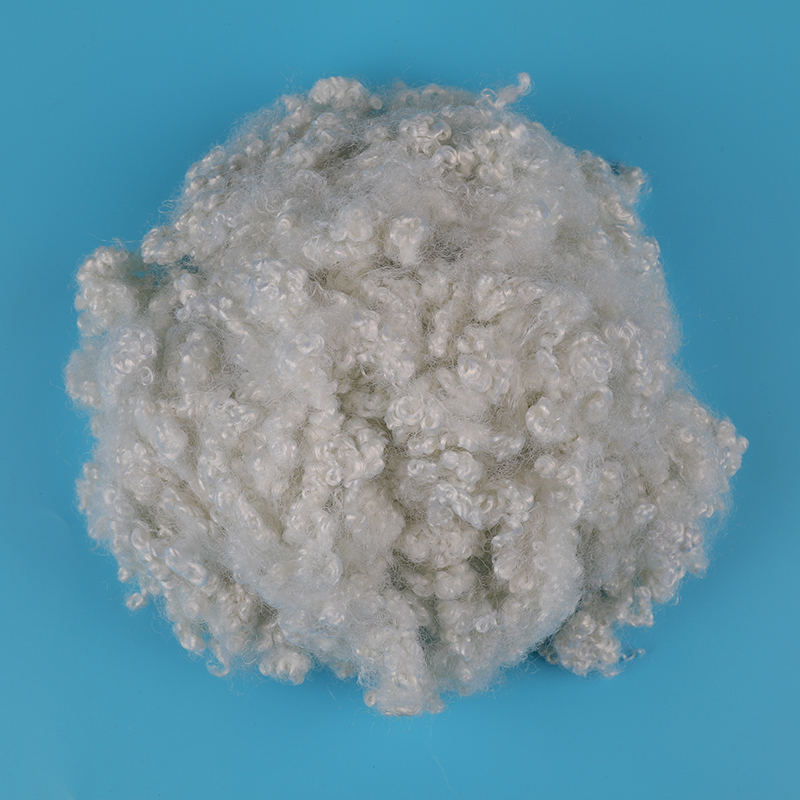
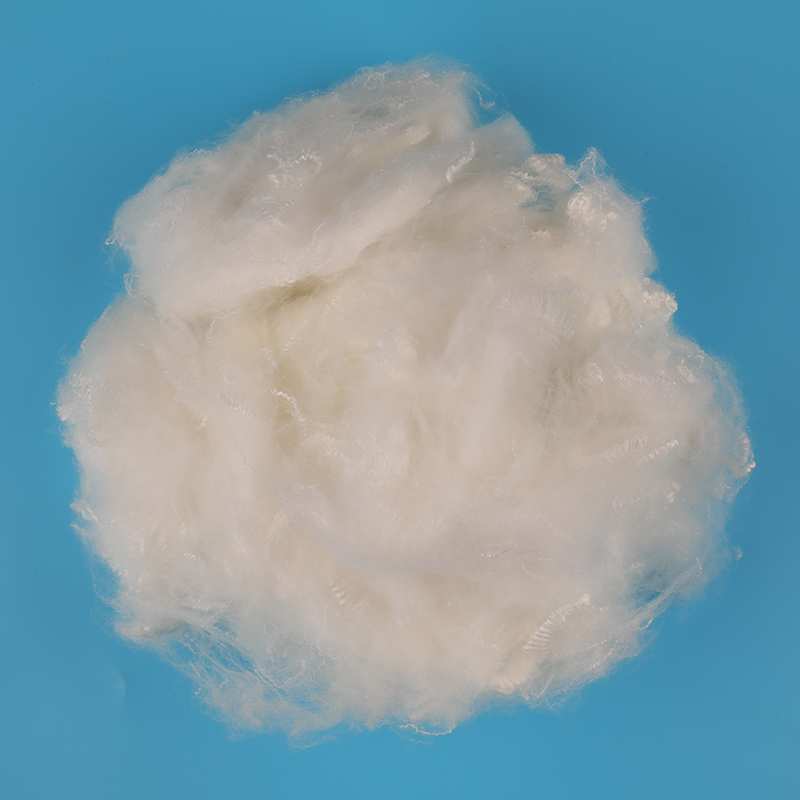
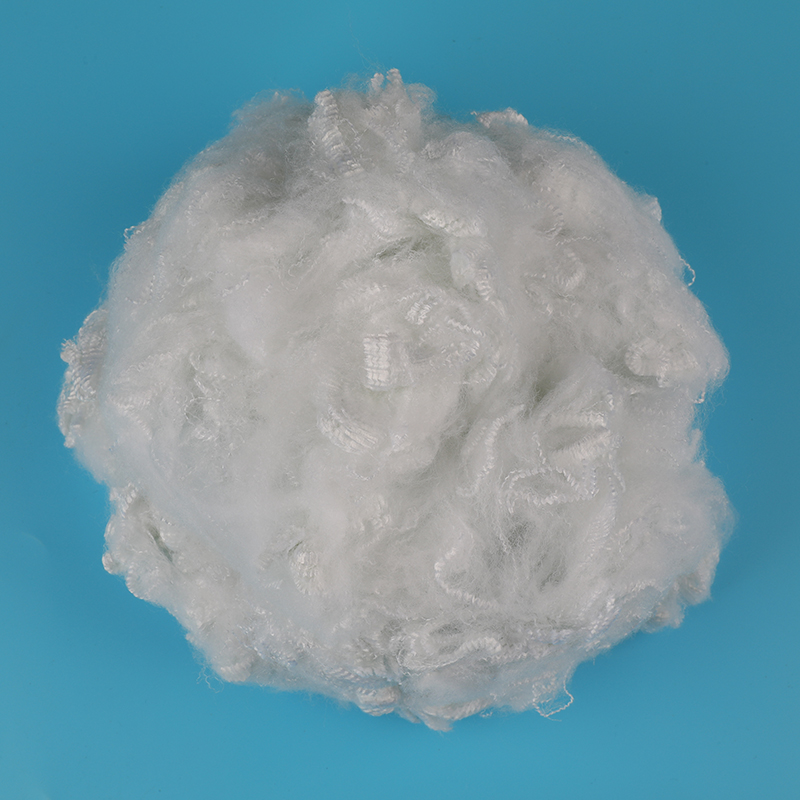
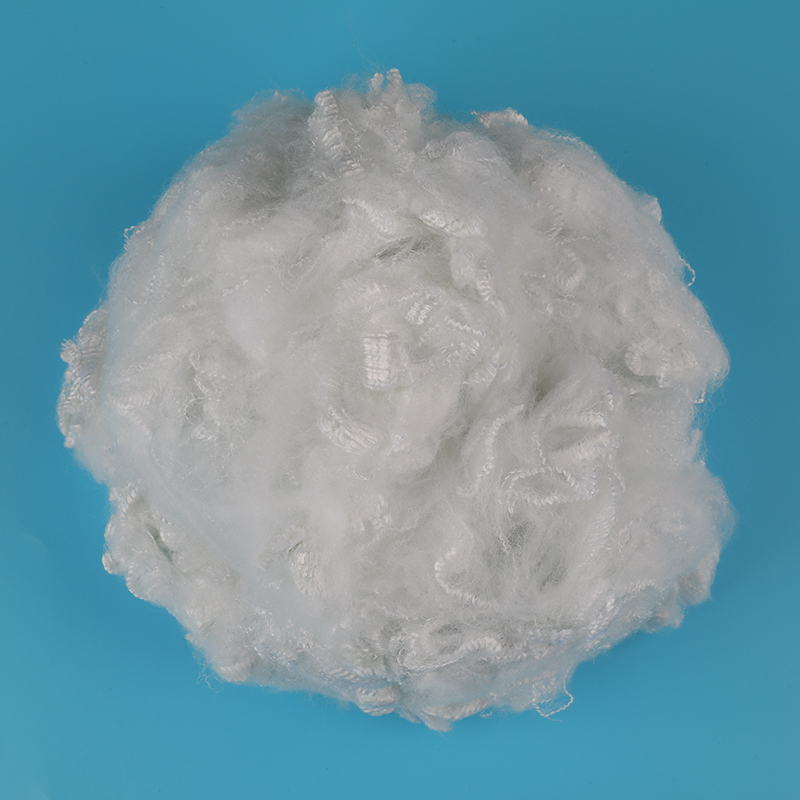
Hollow microfiber and Hollow fine are types of synthetic fibers that are characterized by their hollow core structure. This unique design gives these fibers several advantages, including better insulation, lighter weight, and improved durability. Both fibers are made through similar processes but differ in their specific applications and properties.
One of the key benefits of Hollow microfiber is its lightweight nature, which makes it ideal for applications in clothing, bedding, and upholstery. It offers superior softness compared to traditional fibers, resulting in more comfortable fabrics. Similarly, Hollow fine fibers are also lightweight but provide a finer finish, making them suitable for delicate fabrics like fine garments.
Because of the hollow core structure, both Hollow microfiber and Hollow fine have superior thermal insulation properties. The air trapped inside the fibers creates a barrier that helps retain body heat while also allowing moisture to escape. This makes these fibers perfect for activewear and outdoor clothing, where both insulation and breathability are essential.
Unlike traditional fibers, Hollow microfiber and Hollow fine have higher resistance to abrasion and damage. The hollow core structure reduces friction, extending the lifespan of the fabric. These fibers are particularly useful in products like carpets, upholstery, and industrial textiles that require long-term durability.
Both Hollow microfiber and Hollow fine are used extensively in the activewear industry. Their ability to wick moisture away from the body while providing thermal insulation makes them ideal for sportswear like yoga pants, jackets, and running gear. The lightweight nature also adds to the comfort during physical activity.
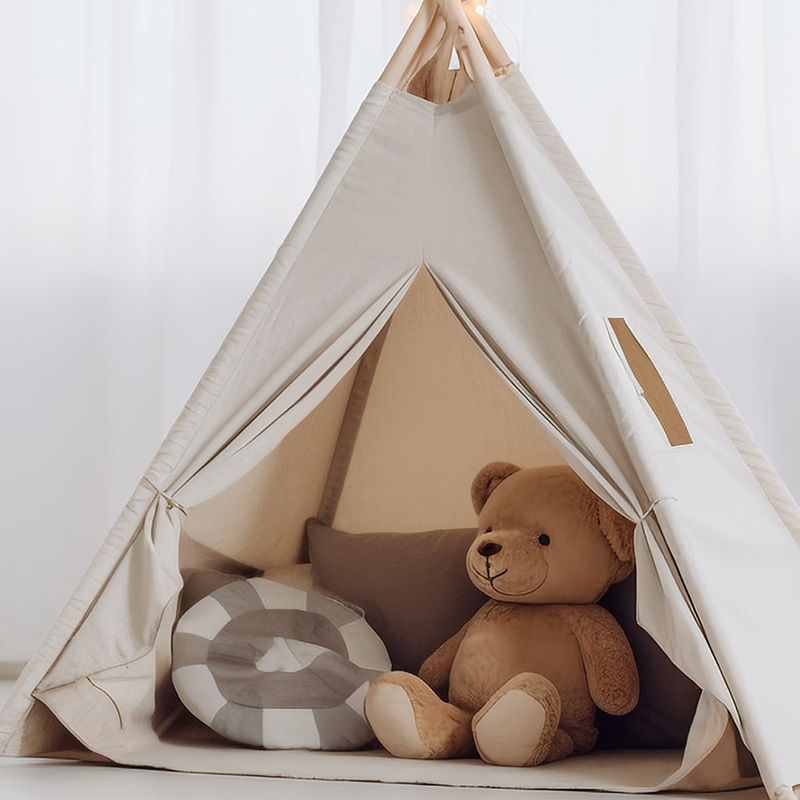
The softness and insulating properties of Hollow microfiber make it a popular choice in bedding products such as comforters, pillows, and mattresses. Similarly, Hollow fine fibers are used in high-end upholstery, where the fine texture and durability of the material are highly valued.
In industrial applications, Hollow microfiber and Hollow fine are used in filter fabrics, geotextiles, and other technical textiles. The ability to resist wear and tear while maintaining performance under harsh conditions makes these fibers suitable for engineering fabrics that need to withstand extreme environments.
While both Hollow microfiber and Hollow fine have similar properties, their differences make them suitable for different applications. The table below compares the two based on key factors:
| Feature | Hollow Microfiber | Hollow Fine |
| Weight | Lightweight, but bulkier | Extremely lightweight, finer finish |
| Softness | Soft and smooth | Very soft and delicate |
| Insulation | Good insulation properties | Superior insulation with finer texture |
| Durability | High durability, resistant to abrasion | Moderately durable, best for delicate applications |
| Applications | Activewear, bedding, industrial fabrics | Fine garments, high-end upholstery |
Both Hollow microfiber and Hollow fine fibers offer significant advantages in textile applications. From providing better insulation and breathability to offering enhanced softness and durability, these fibers are increasingly becoming the go-to choice for a variety of industries. Understanding their specific properties will help you choose the right material for your needs, whether you're in the fashion industry, bedding sector, or industrial textiles.
How Recycle PSF (polyester staple fiber) Contributes to Environmental Protection and Sustainable Development?
2026-02-15
Why Recycled Polyester Staple Fiber Sustainable Fashion Is a Key Material
2026-03-01Your email address will not be published. Required fields are marked *

Focusing to the research and production of differentiated fiber. Applying recycle-material processing scientifically.
 86-18457317878
Zhulinjizhen, Xinfeng Town, Jiaxing City, Zhejiang Province
Copyright @ 2023 Jiaxing Fuda Chemical Fibre Factory All rights reserved
Polyester Staple Fiber Manufacturers

Friendship link - Anhui Fulin Environmental Protection Technology Co., Ltd.:https://www.ahflhb.com