en
en  English
 中文简体
中文简体 Español
 عربى
عربى

Product Consultation
Your email address will not be published. Required fields are marked *
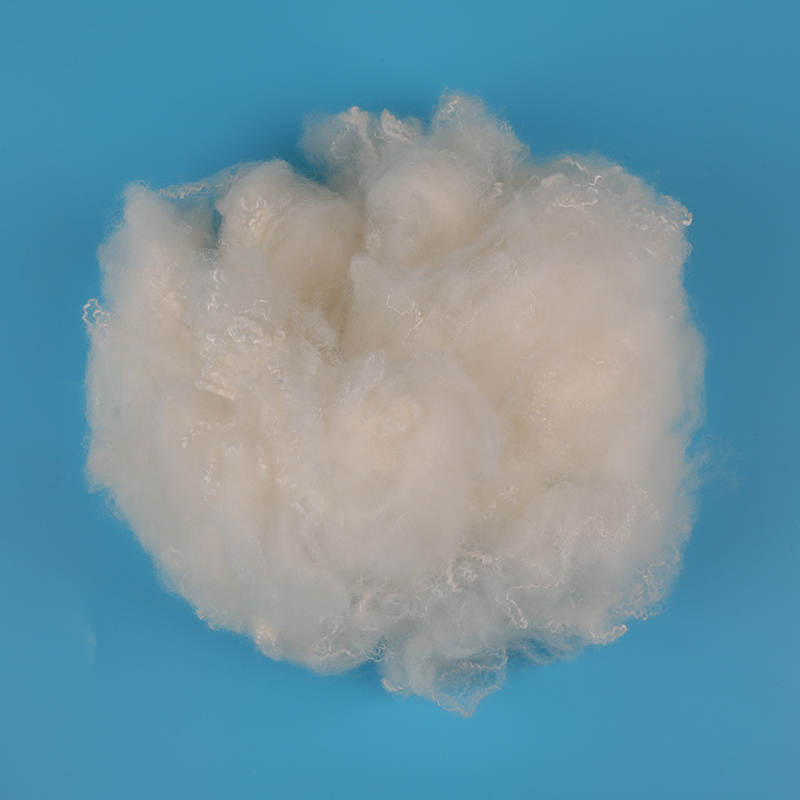
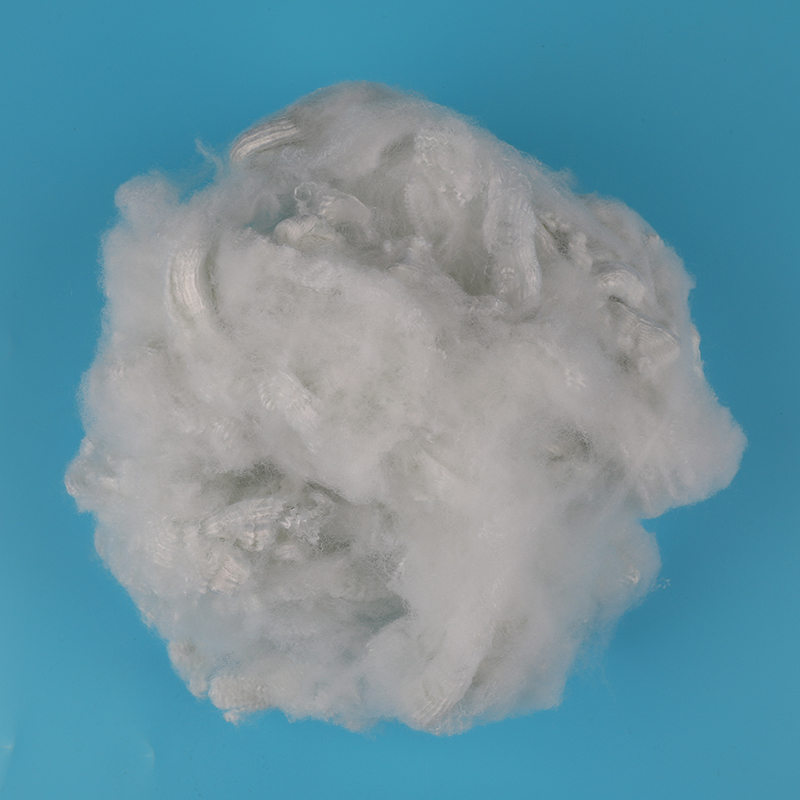
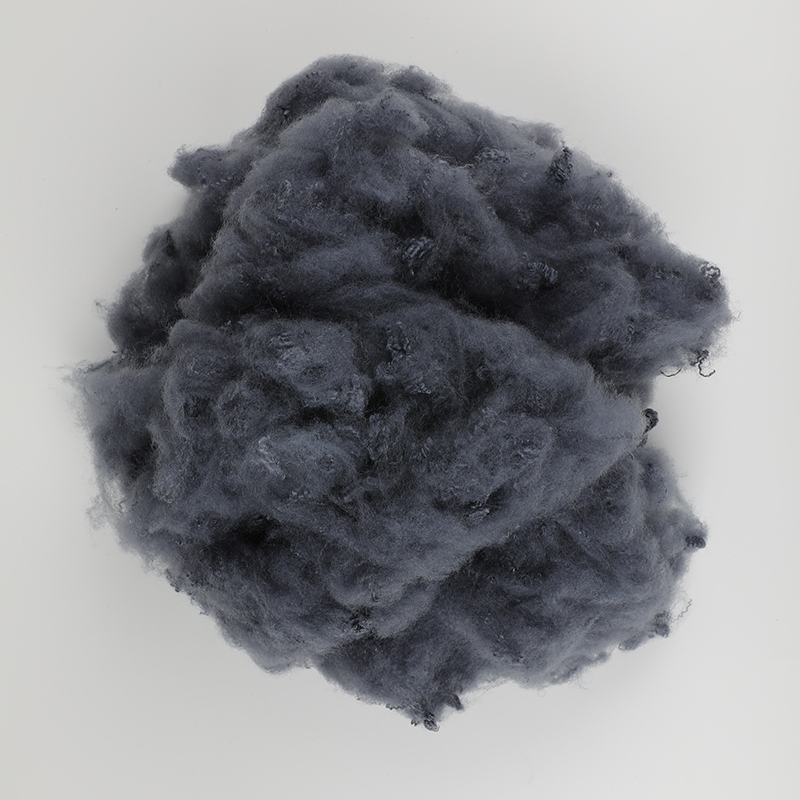
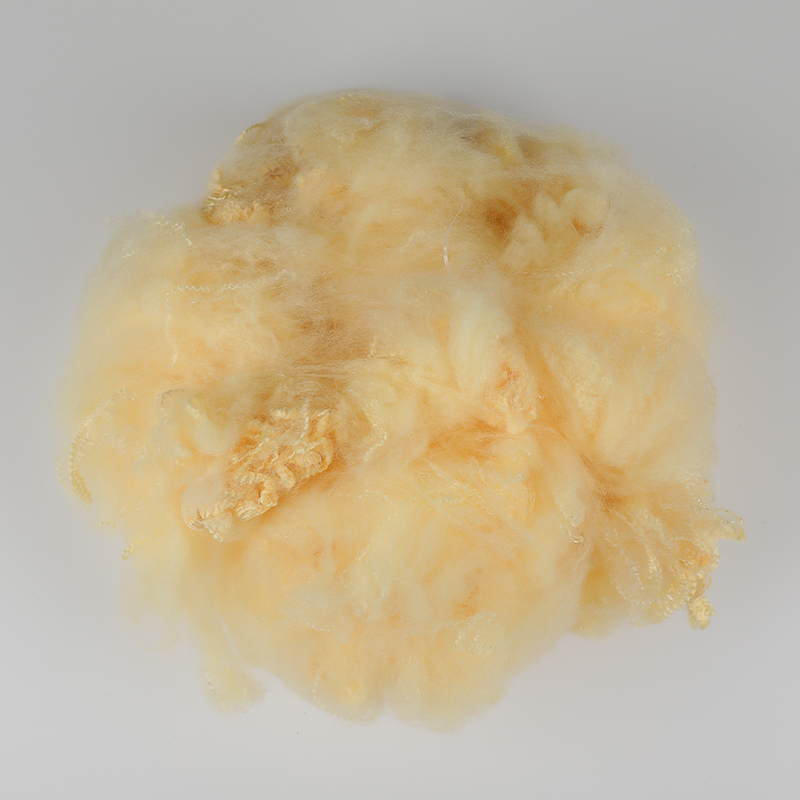
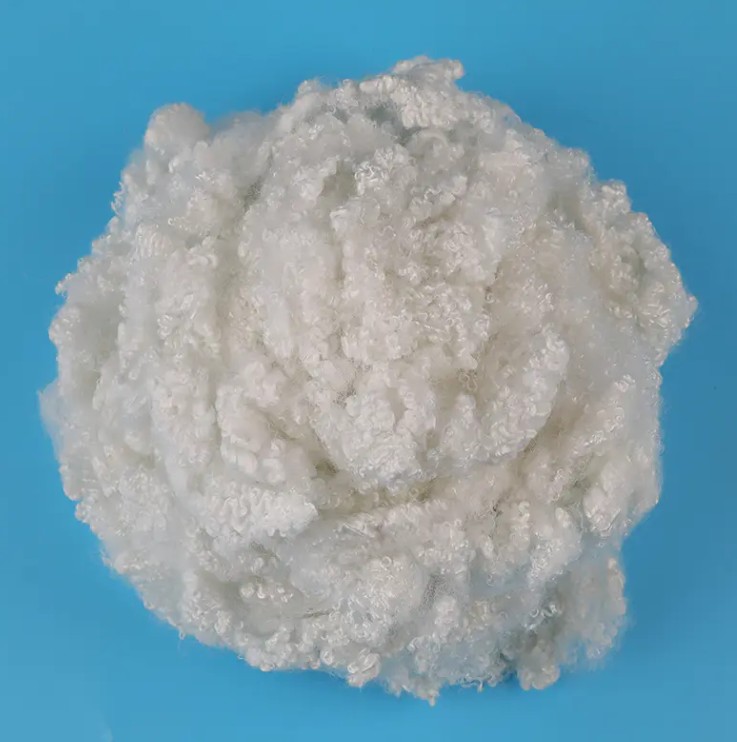
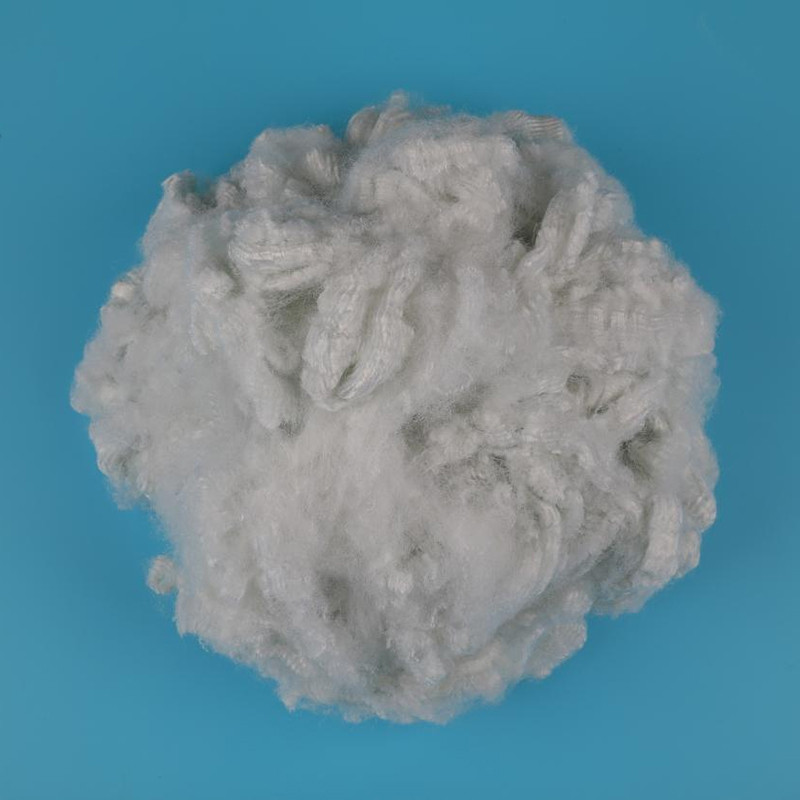
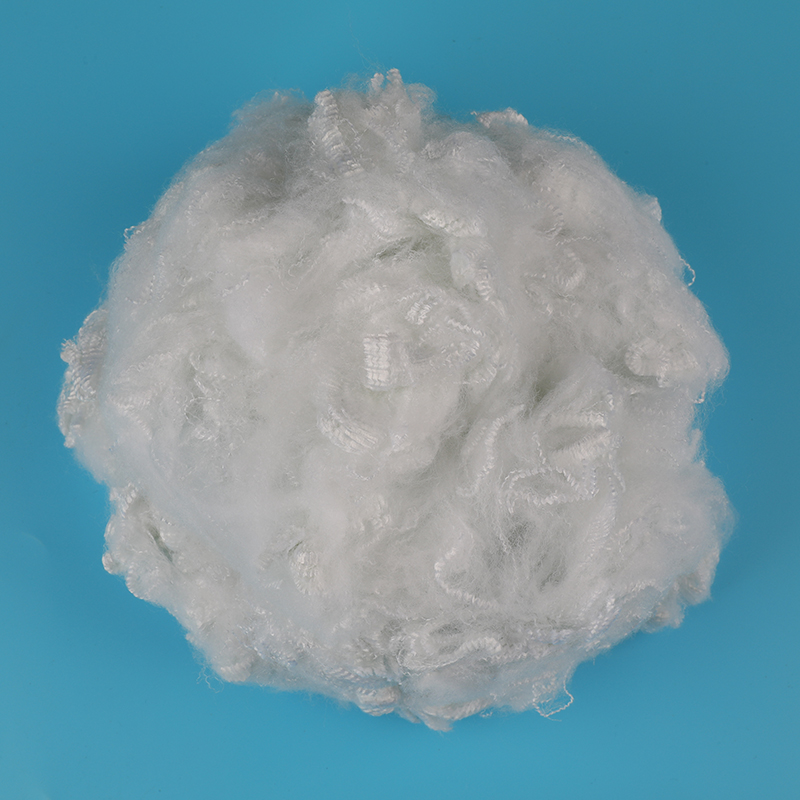
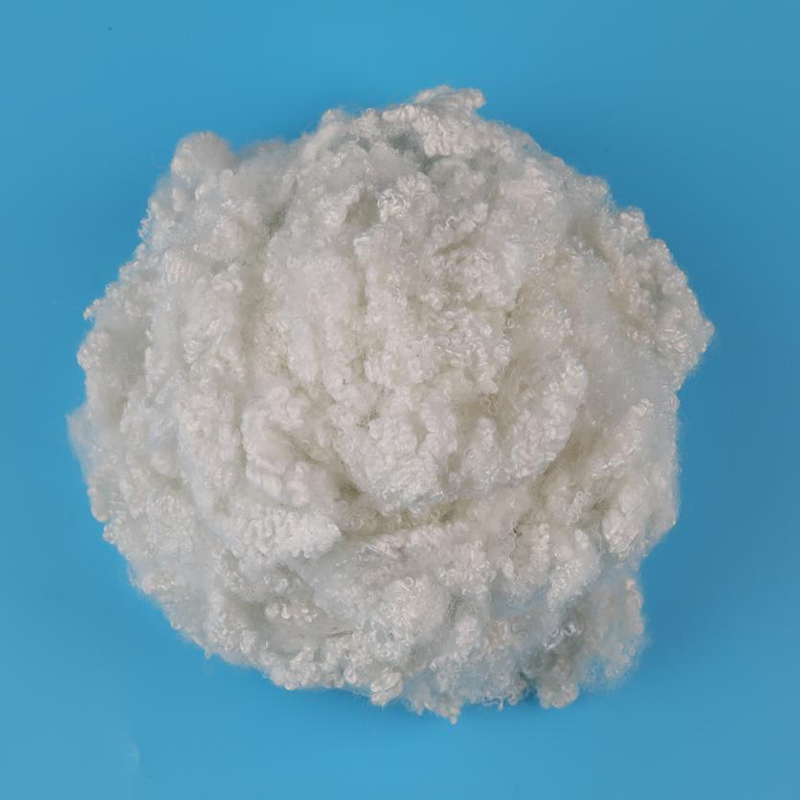
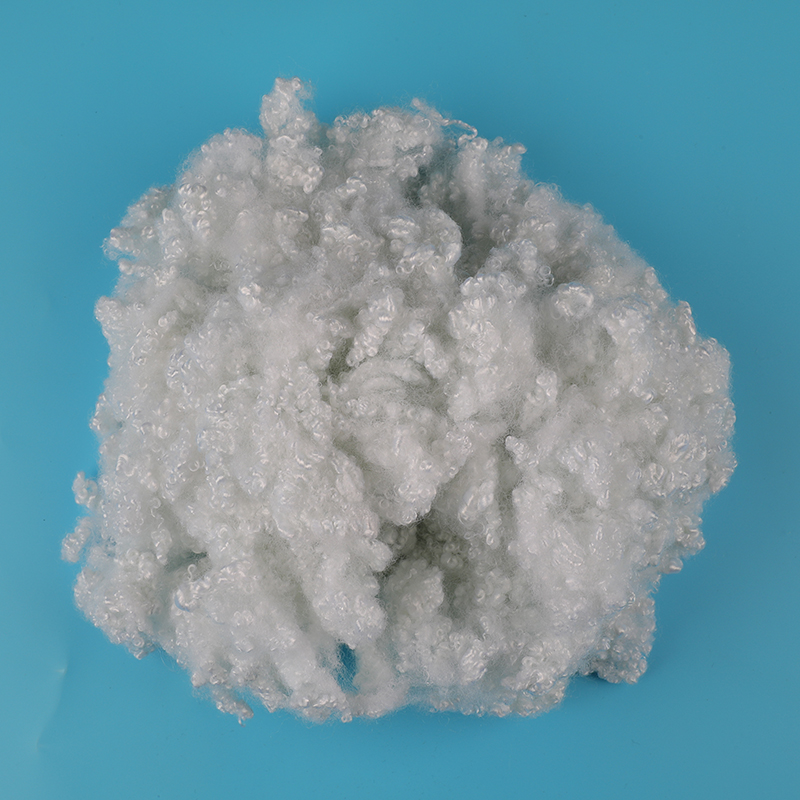
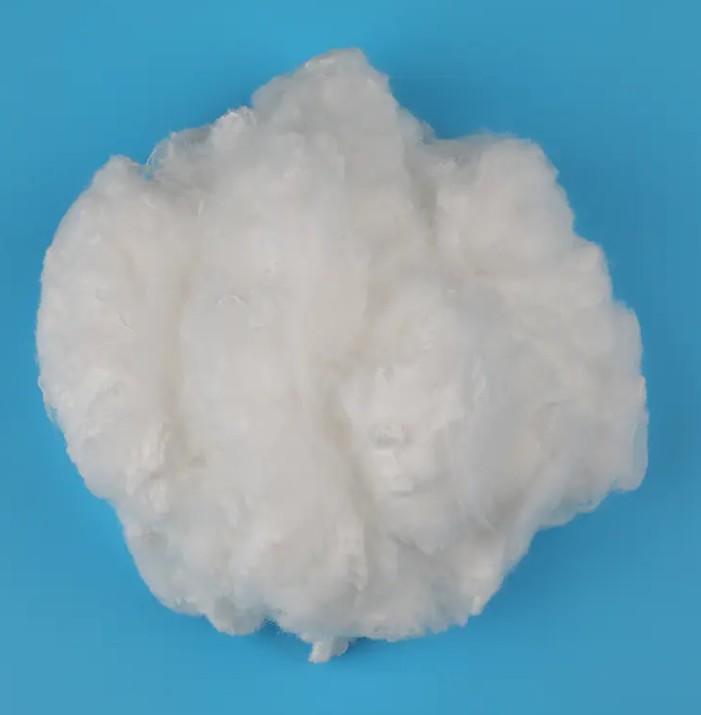
For textile manufacturers and apparel brands, sourcing fibers that combine sustainability, performance, and cost-effectiveness is a growing challenge. Recycled polyester staple fiber, a sustainable fashion solution, is produced by converting post-consumer PET bottles and industrial polyester waste into fibers that meet modern production requirements. This approach allows companies to reduce environmental impact while maintaining consistent quality across sportswear, casual apparel, and technical textiles.
Recycled polyester staple fiber (RPSF) is produced by collecting and processing used polyester materials, including PET bottles and fabric scraps. Through mechanical or chemical recycling, the polyester is transformed into short fibers with controlled denier, consistent tensile strength, and reliable performance for textile applications.
Involves cleaning, shredding, and re-extruding polyester waste into staple fibers.
Breaks down polyester polymers to monomers and re-polymerizes them into high-quality fibers.
RPSF can achieve industry certifications such as Global Recycled Standard (GRS) and OEKO-TEX Standard 100, which verify both recycled content and safety for textiles. Typical fiber specifications range from 1.2 to 1.5 dtex, suitable for woven, knitted, and nonwoven applications.
Recycled polyester staple fiber sustainable fashion finds use across multiple segments:
Manufacturers report that fabrics made from RPSF maintain durability and colorfastness comparable to virgin polyester while supporting sustainability targets. Using RPSF also reduces energy consumption during finishing processes by up to 30%, helping brands meet carbon reduction goals.
When evaluating recycled polyester staple fiber, consider the following:
Selection tip: Choose suppliers that can provide consistent fiber specifications, certifications, and technical support to align with product performance and sustainability goals.
Mechanical recycling shreds and re-extrudes waste into fibers, while chemical recycling breaks down polymers into monomers before re-polymerization. Chemical recycling often yields higher-purity fibers.
Yes, in most cases. High-quality RPSF matches virgin polyester in tensile strength, colorfastness, and processability, though very specialized technical fabrics may require additional testing.
Impact is evaluated via carbon footprint, water usage, and waste diversion. Using RPSF reduces fossil fuel dependency and can lower energy consumption by up to 30% during finishing.
Global Recycled Standard (GRS) and OEKO-TEX Standard 100 are widely recognized for recycled content verification and safety compliance.
Denier typically ranges from 1.2 to 1.5 dtex, with staple lengths between 38–64 mm, depending on intended fabric application.
Recycled polyester staple fiber sustainable fashion combines technical performance with measurable environmental benefits. Using RPSF allows manufacturers and brands to:
For reliable sourcing, Jiaxing Fuda Chemical Fiber Factory offers high-quality recycled polyester staple fibers with consistent specifications and certifications for diverse textile applications. Request a quote or product details at fudafiber.com.
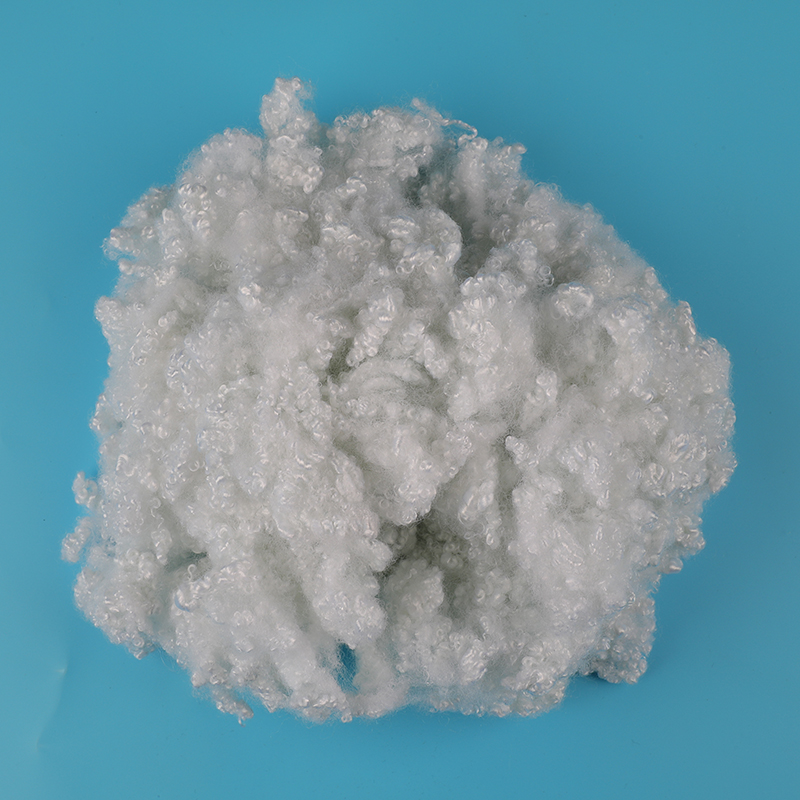
Hollow Microfiber / Hollow Fine: Advantages and Applications in Textiles
2026-02-22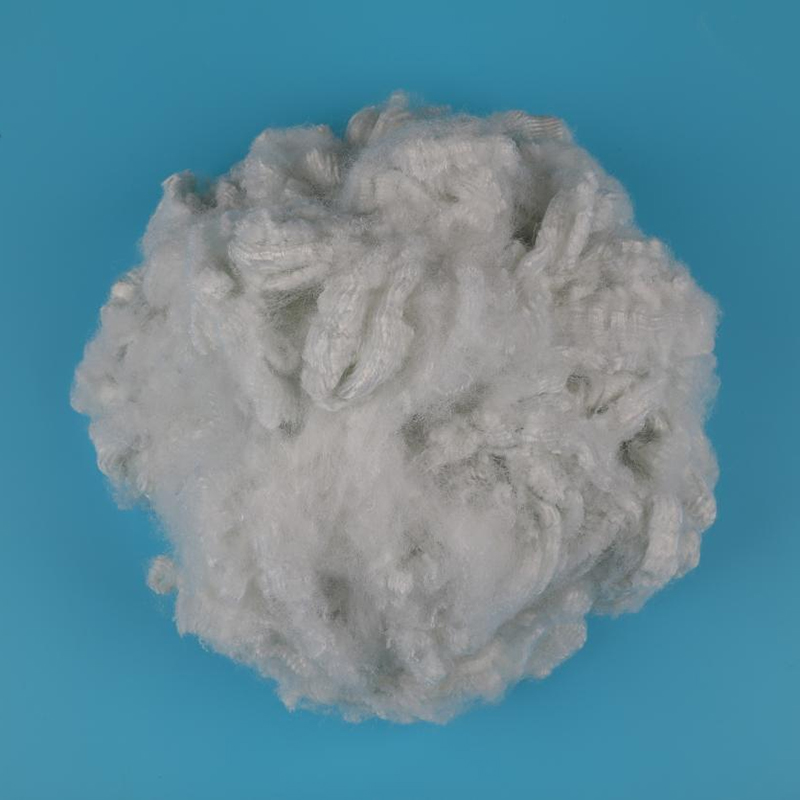
Hollow Conjugated Polyester Fiber Manufacturer: A Comprehensive Guide for Textile and Nonwoven Fabric Purchasers
2026-03-08Your email address will not be published. Required fields are marked *

Focusing to the research and production of differentiated fiber. Applying recycle-material processing scientifically.
 86-18457317878
Zhulinjizhen, Xinfeng Town, Jiaxing City, Zhejiang Province
Copyright @ 2023 Jiaxing Fuda Chemical Fibre Factory All rights reserved
Polyester Staple Fiber Manufacturers

Friendship link - Anhui Fulin Environmental Protection Technology Co., Ltd.:https://www.ahflhb.com