en
en  English
 中文简体
中文简体 Español
 عربى
عربى

Product Consultation
Your email address will not be published. Required fields are marked *
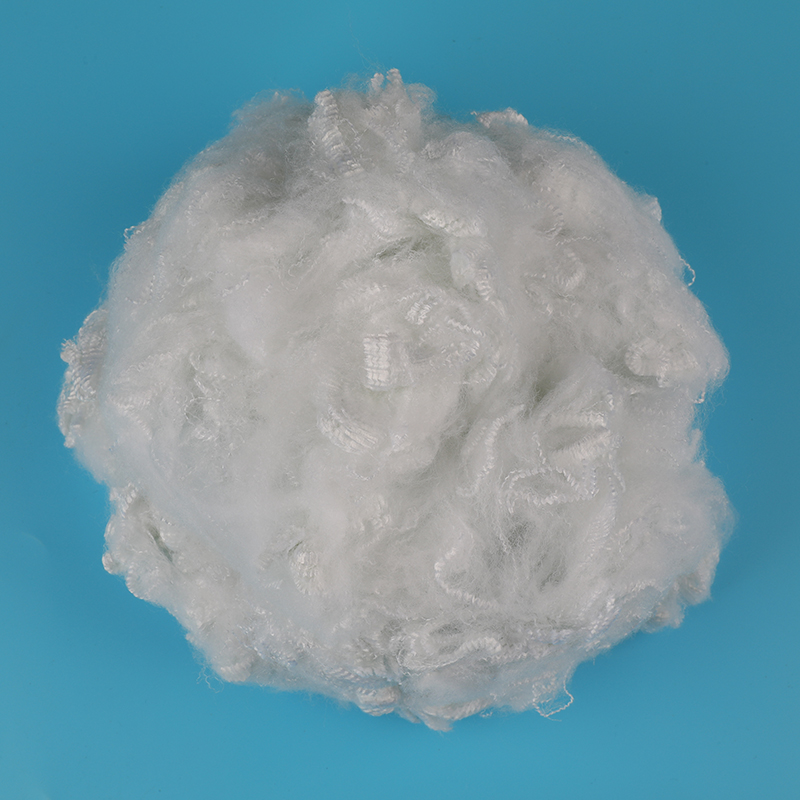
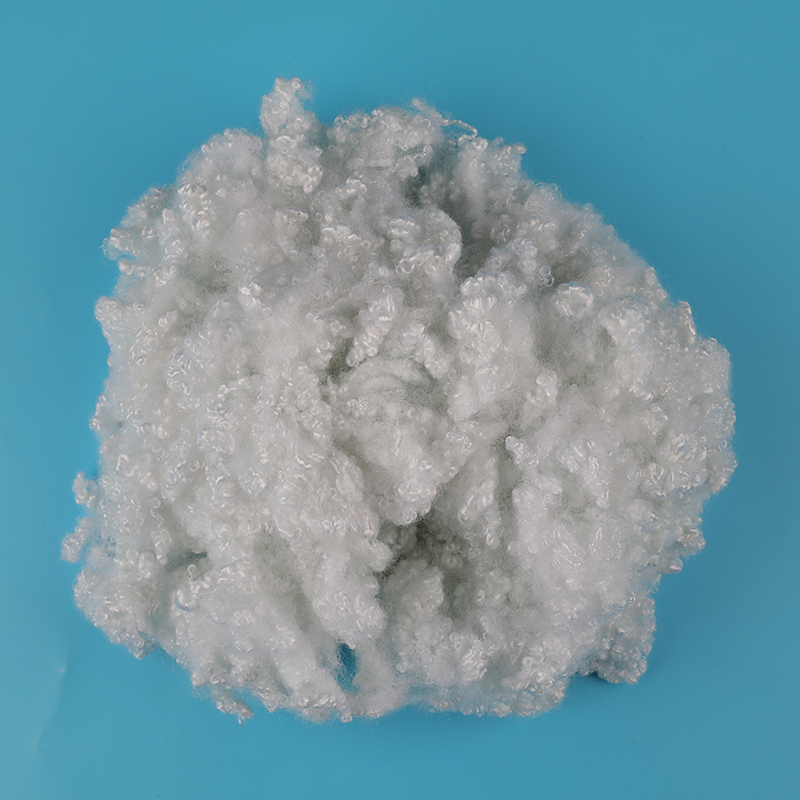
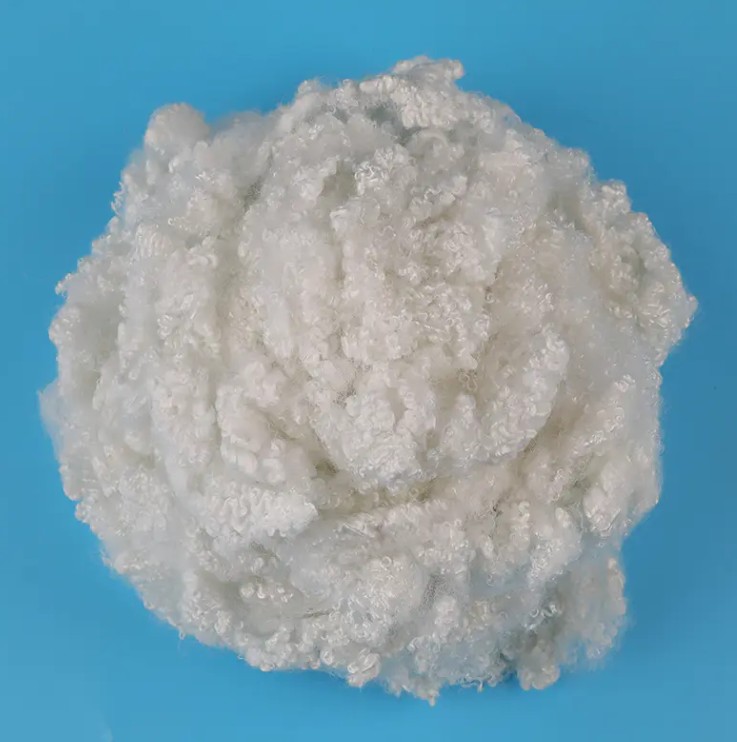
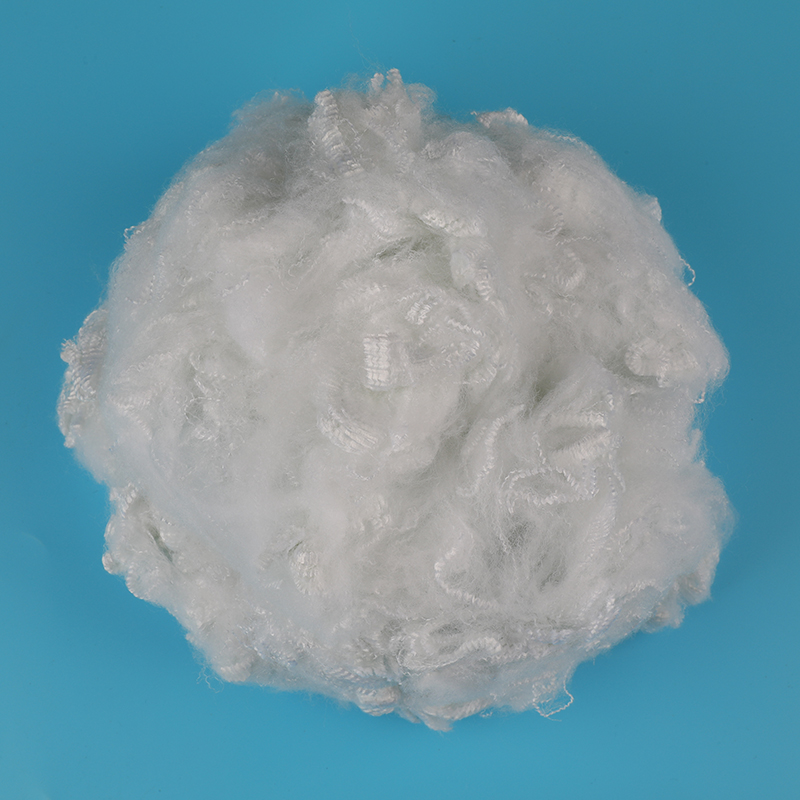
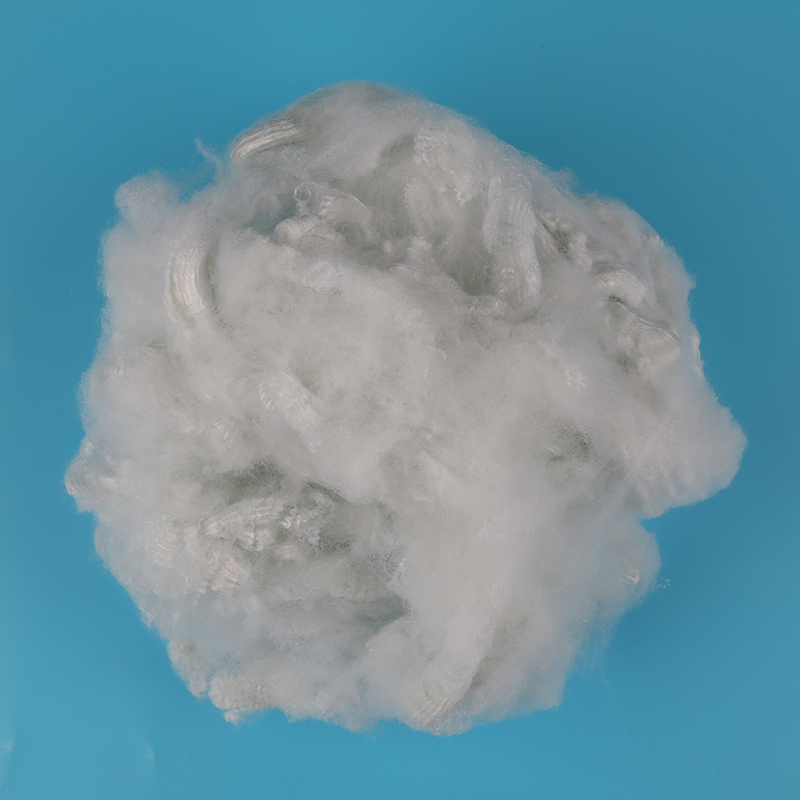
With the growing awareness of environmental protection, the use of recycled materials has gradually become an important trend in the textile industry. Wool, as a natural fiber, is widely used in various clothing and home furnishings due to its softness, warmth, and breathability. The Recycle Wool Spinning Fiber Series is an innovative product born from this trend. It not only effectively reduces the waste of discarded wool but also enhances the environmental performance and market value of wool textiles.
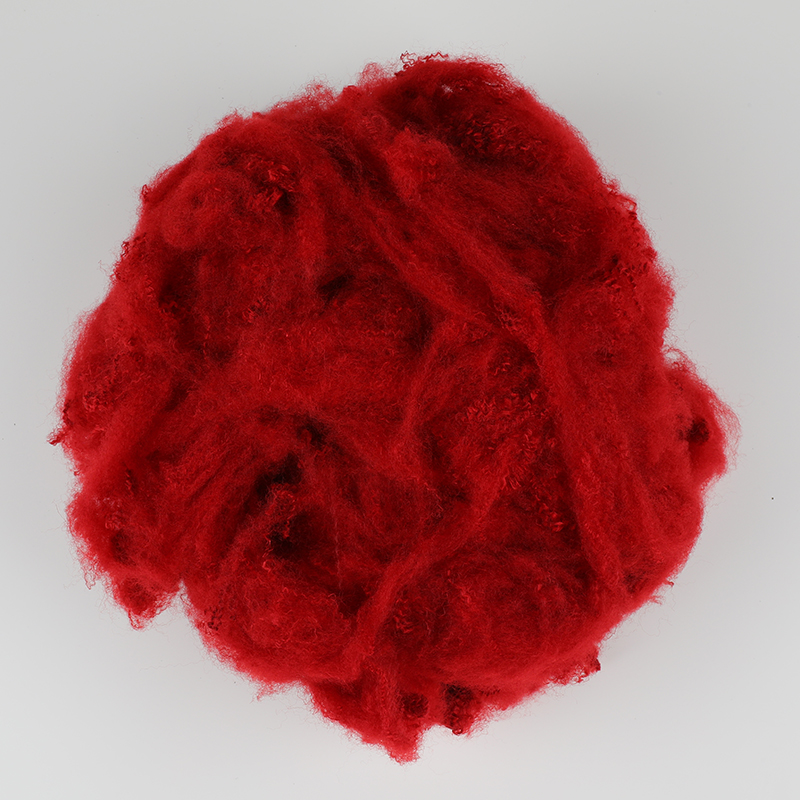
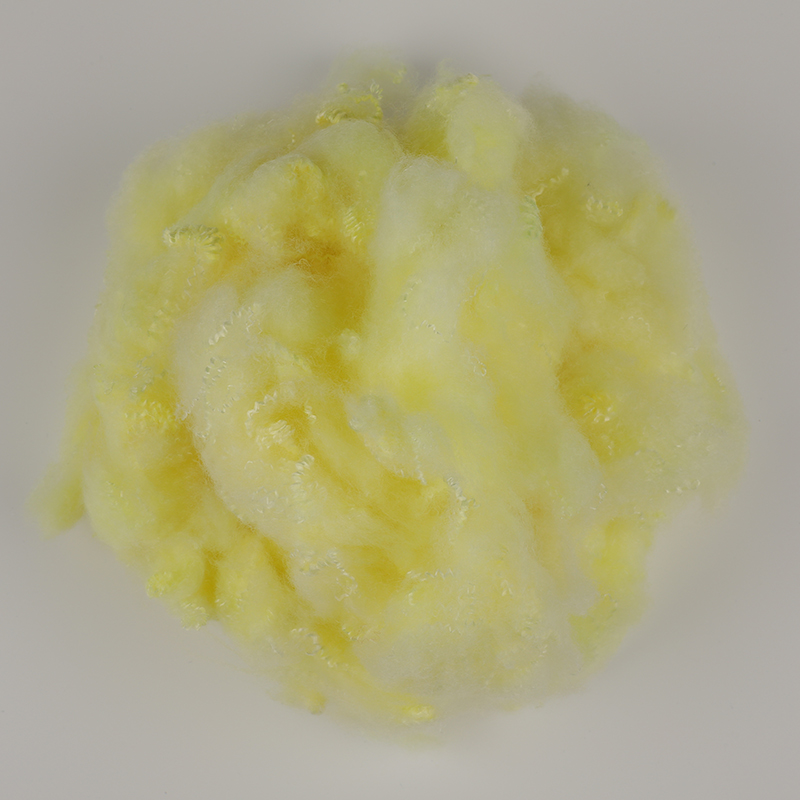
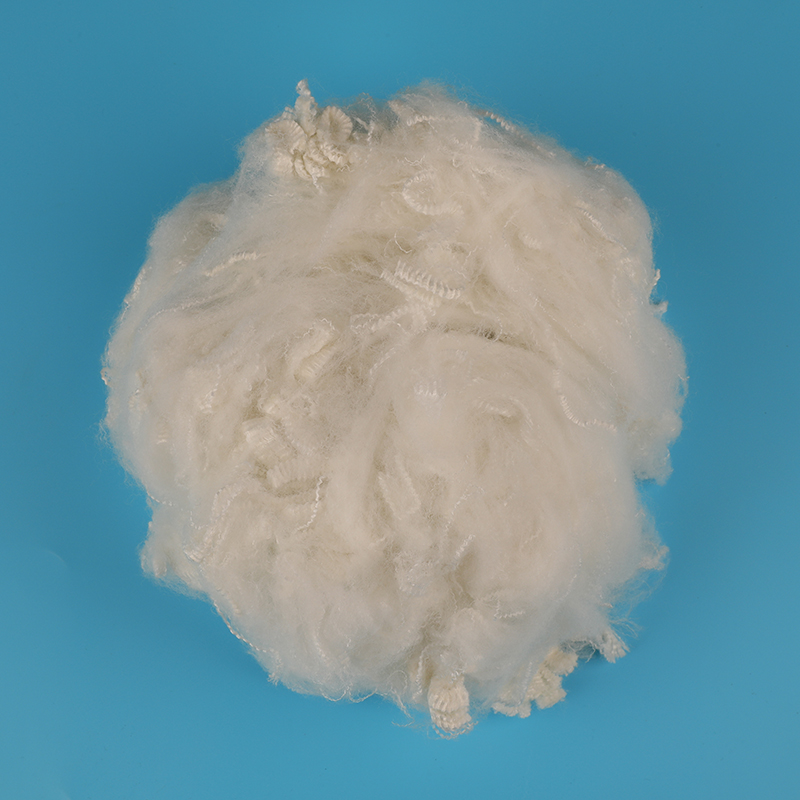
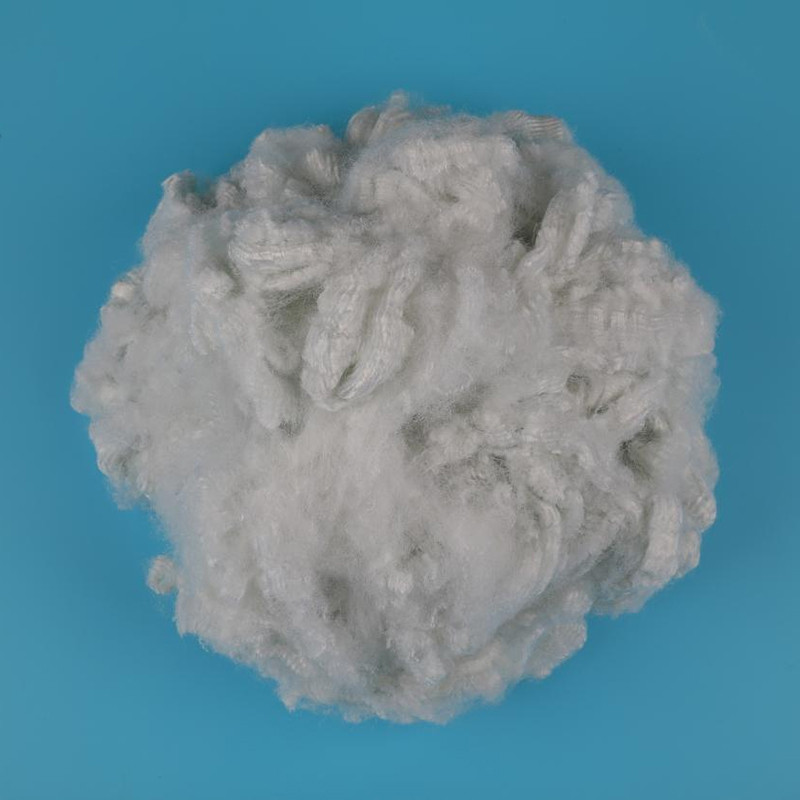
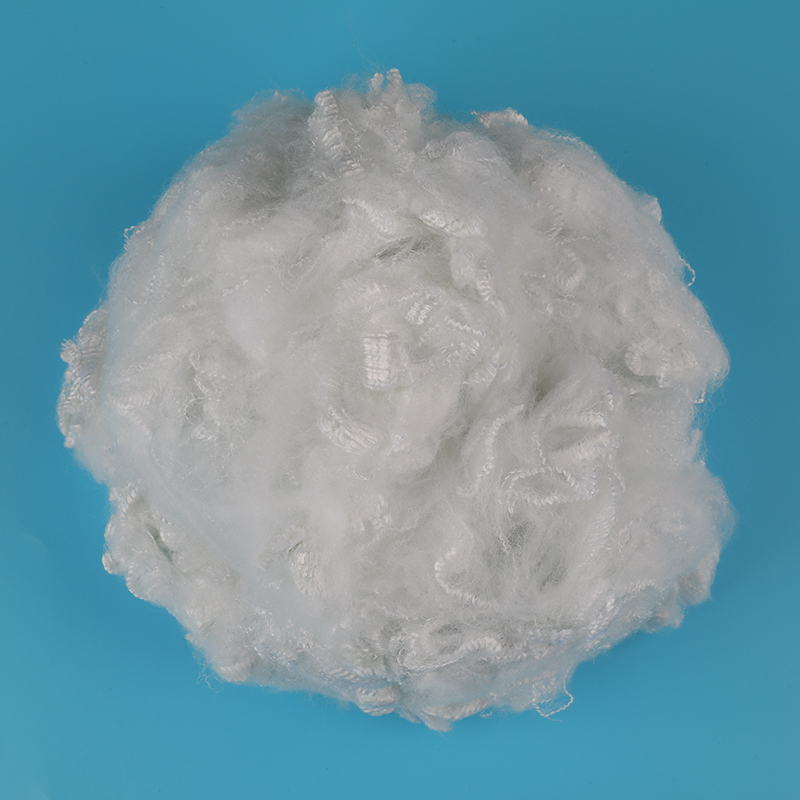
Recycled wool spinning fiber refers to the process of recycling discarded or used wool textiles and transforming them into reusable textile fibers through a series of sophisticated processes. This process involves restoring the quality and function of the fibers by using techniques such as cleaning, separation, and reprocessing of old clothing, defective products, or wool waste.
Compared to virgin wool, recycled wool spinning fiber has significant advantages in terms of environmental protection and sustainability. Recycled wool not only reduces the demand for natural resources but also reduces the burden on the environment by avoiding sending wool waste to landfills or incineration. The production process of recycled wool fibers usually requires fewer resources and less energy than that required to manufacture brand-new wool, thus offering significant advantages in reducing carbon footprint and saving energy.
The production process of recycled wool spinning fiber is a highly sophisticated and technically demanding process. In this process, discarded wool first undergoes a series of cleaning treatments to remove impurities and stains. The cleaned wool fibers are then sorted, degreased, and disinfected to ensure that their quality after recycling meets the required standards. Subsequently, using modern spinning technology, the processed wool fibers are reprocessed into long fibers suitable for further weaving and processing.
This process requires not only high-precision equipment support but also strict control over various properties of the wool (such as elasticity, softness, and strength). The carefully processed recycled wool fibers can not only maintain excellent characteristics similar to virgin wool but also greatly improve the utilization efficiency of waste materials.
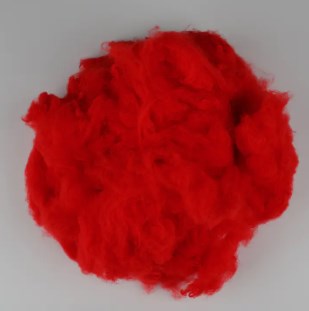
One of the biggest advantages of recycled wool spinning fibers is their positive impact on the environment. By recycling wool, the reliance on natural resources for wool fiber production is significantly reduced, and the pollution caused by waste is minimized. Furthermore, since the waste wool mostly comes from already used products, the recycling process consumes less energy and resources, further promoting the sustainable development of the industry.
After professional processing, recycled wool can retain the natural advantages of virgin wool, such as excellent insulation, breathability, and moisture absorption. This allows recycled wool spinning fibers to be comparable to virgin wool in performance, and they are widely used in high-end clothing, home textiles, and sports equipment.
The production cost of recycled wool is relatively low because it utilizes waste wool resources, avoiding multiple stages and high costs from wool production to finished products. In addition, because of the savings in raw material procurement and transportation costs during the production process, the price of recycled wool spinning fibers is often more competitive than that of brand-new wool fibers.
In today's society, consumers are increasingly concerned about environmental protection and sustainability. Brands that use recycled wool spinning fibers can not only meet consumers' demand for environmentally friendly products but also establish a responsible brand image, attracting a larger group of loyal consumers.
The wide application of recycled wool spinning fibers makes them play an important role in multiple fields. In the high-end clothing industry, recycled wool spinning fibers are often used to manufacture various wool coats, sweaters, and scarves. Thanks to their superior warmth and comfort, they are highly favored by consumers.
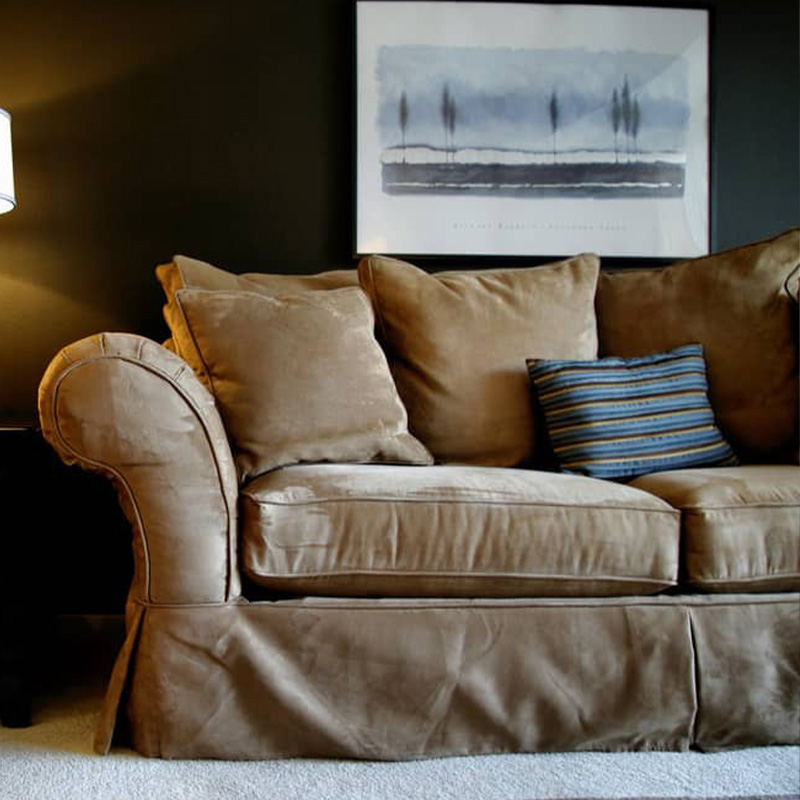
In the home textile field, recycled wool is also widely used in the production of bedding and carpets. The breathability and moisture absorption characteristics of recycled wool make it an ideal raw material for bedding, providing a comfortable sleeping experience. In addition, recycled wool is often used in the production of various sports equipment, especially in the field of outdoor sports, where recycled wool can effectively provide insulation while ensuring comfort and breathability.
Recycled wool spinning fibers are mainly divided into several types based on their source, processing technology, and application scenarios. Common types of recycled wool include:
These recycled wool fibers not only possess excellent physical properties but also embody an environmentally friendly concept, making them increasingly popular in the market.
A1: After modern processing, recycled wool yarn effectively retains the excellent characteristics of wool, such as softness, breathability, and warmth. While there may be slight differences in some details, recycled wool is virtually indistinguishable from virgin wool in terms of performance and comfort.
A2: Yes, the production of recycled wool yarn saves a significant amount of natural resources and energy compared to virgin wool, resulting in a much lower environmental impact. Recycled wool reduces waste and carbon emissions, making it a very environmentally friendly material.
A3: Generally, the cost of recycled wool yarn is lower because it reduces expenses related to raw material procurement, transportation, and production. This makes recycled wool a cost-effective option, especially for some mid-to-low-end markets.
Through the production process and advantages of recycled wool yarn, it is clear that recycled wool is not only an innovative technology but also a positive driving force for the sustainable development of future textiles. With continuous technological advancements and increasing consumer environmental awareness, recycled wool yarn will play an increasingly important role in the future textile industry.
Polyester Staple Fiber: A Core Material in the Era of High-Performance Fibers
2025-12-08
How do hollow microfibers enhance comfort and thermal insulation?
2025-12-22Your email address will not be published. Required fields are marked *

Focusing to the research and production of differentiated fiber. Applying recycle-material processing scientifically.
 86-18457317878
Zhulinjizhen, Xinfeng Town, Jiaxing City, Zhejiang Province
Copyright @ 2023 Jiaxing Fuda Chemical Fibre Factory All rights reserved
Polyester Staple Fiber Manufacturers

Friendship link - Anhui Fulin Environmental Protection Technology Co., Ltd.:https://www.ahflhb.com