en
en  English
 中文简体
中文简体 Español
 عربى
عربى
Product Consultation
Your email address will not be published. Required fields are marked *
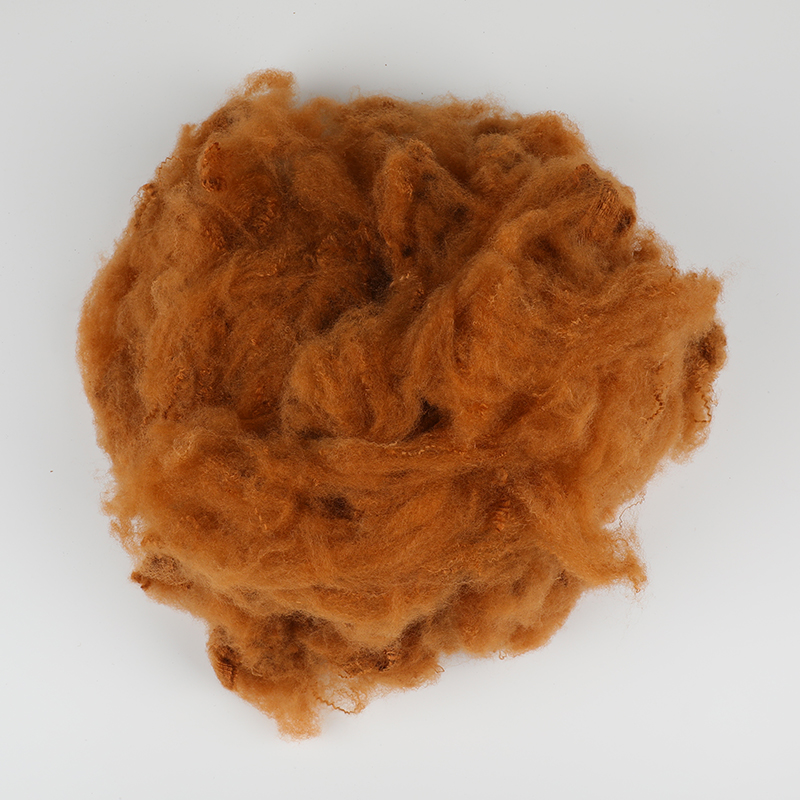
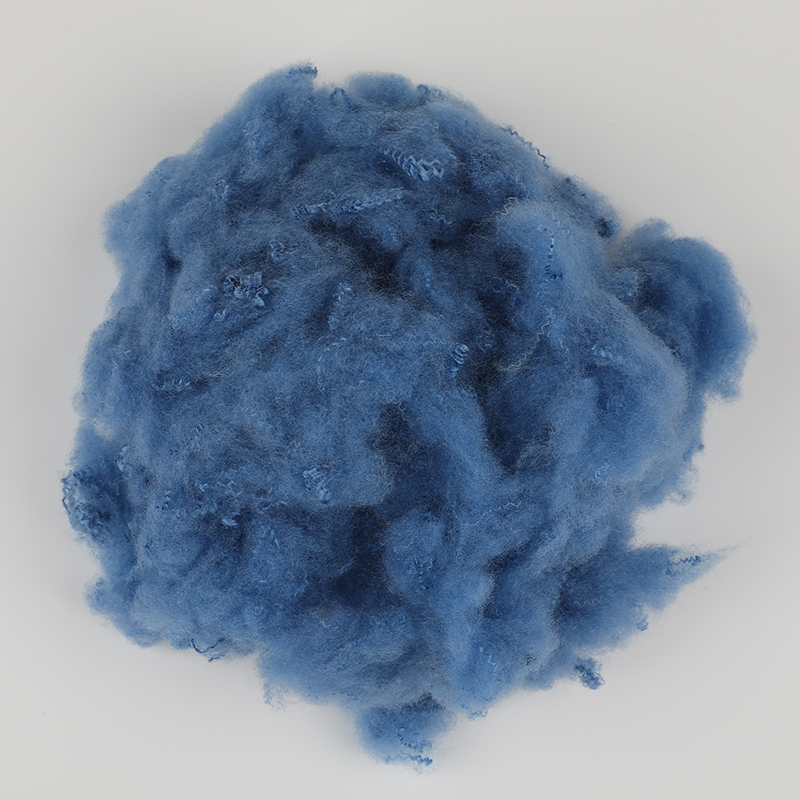
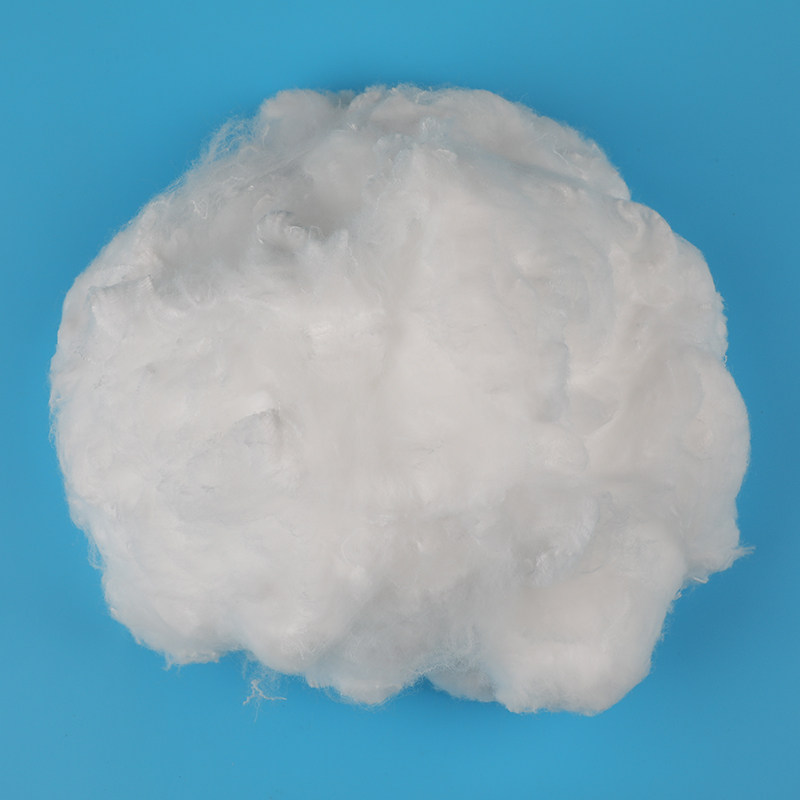
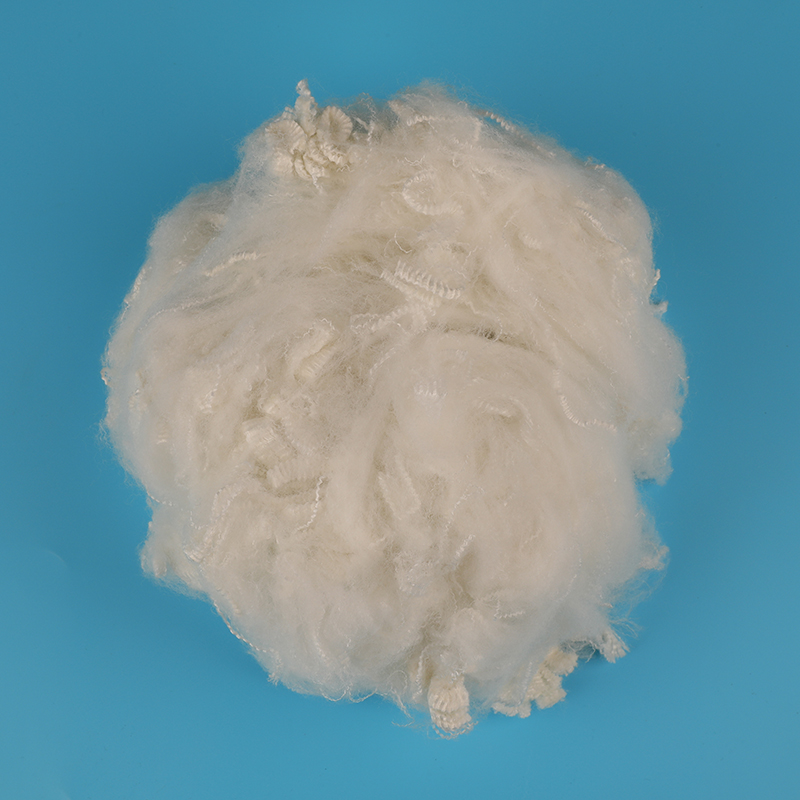
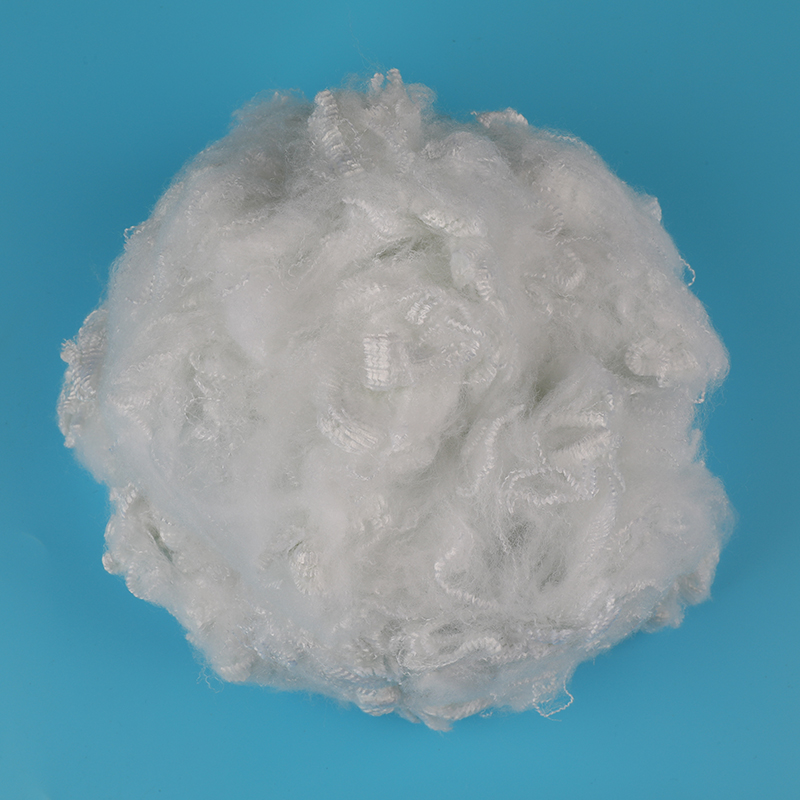
In the modern textile industry, polyester staple fiber, as a high-performance synthetic fiber, has become an indispensable basic raw material in the market. Its unique chemical structure and excellent physical properties make it widely used in clothing, home textiles, and industrial fabrics.
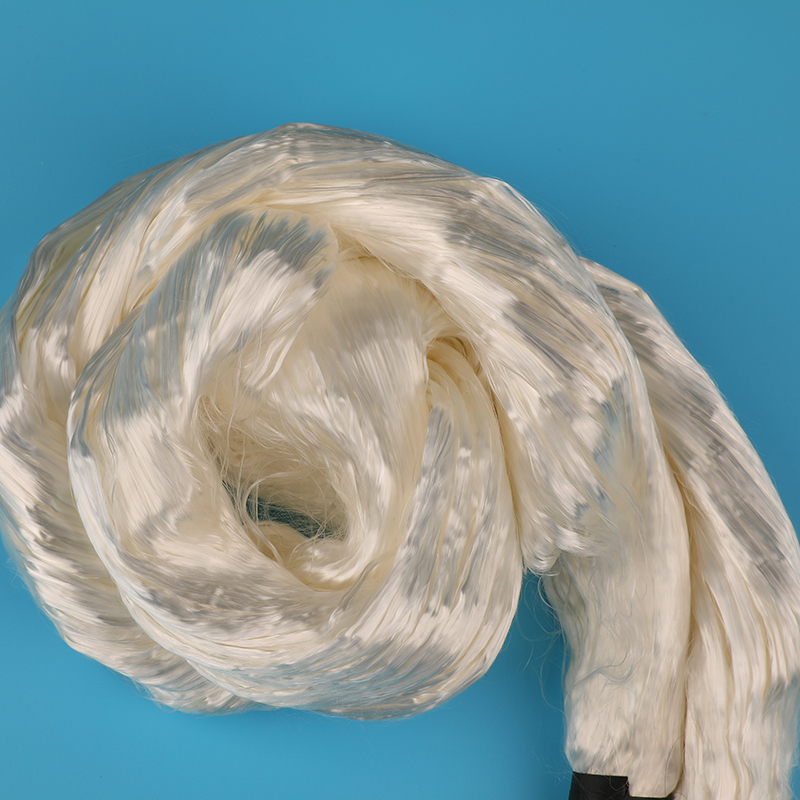
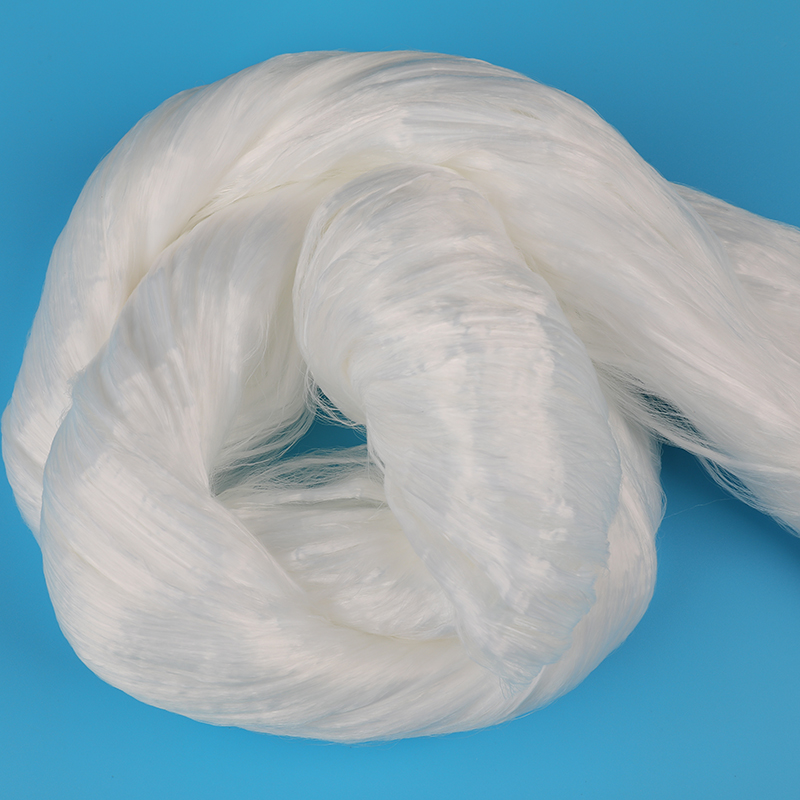
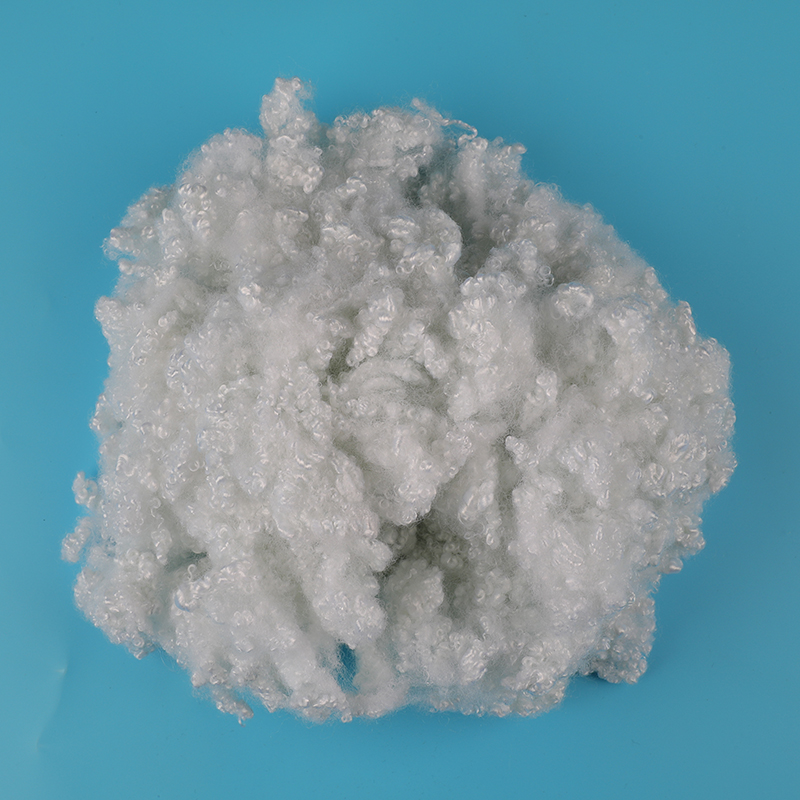
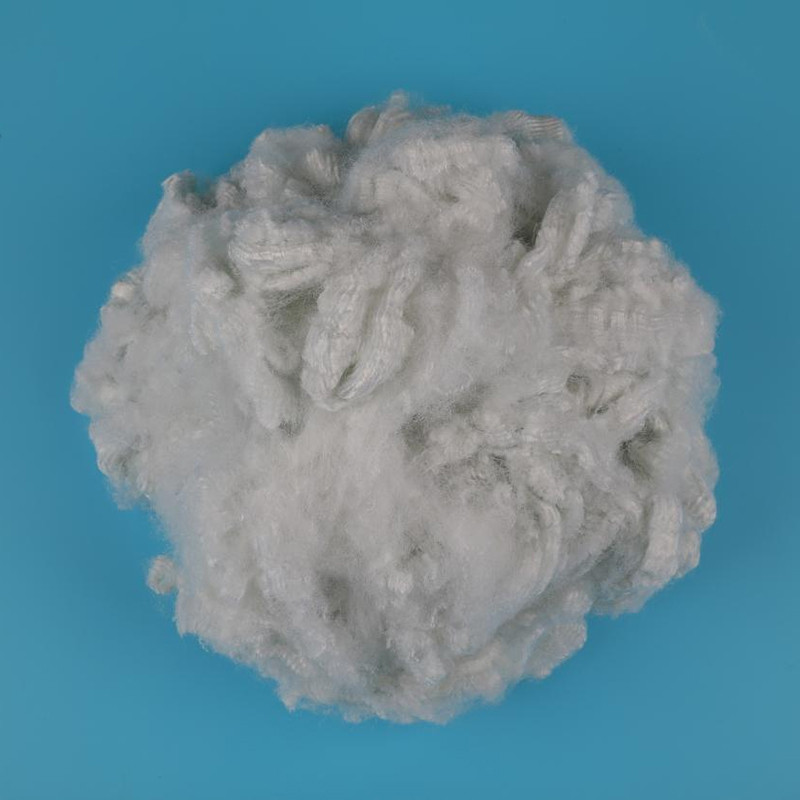
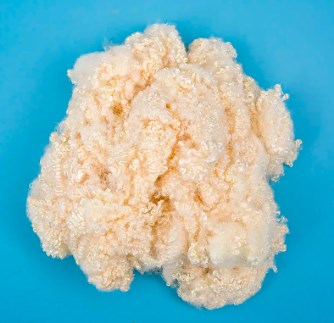
Polyester staple fiber belongs to the polyester synthetic fiber family. It is a short-cut fiber made primarily from polyethylene terephthalate (PET) through melt spinning or solution spinning processes. Compared to natural fibers, polyester staple fiber has high stability and controllability; its length, diameter, and cross-sectional shape can be precisely adjusted through process parameters to meet the needs of different textile products.
Polyester staple fiber has excellent strength and elasticity, maintaining high tensile properties even under wet conditions. This fiber also exhibits outstanding abrasion resistance and chemical corrosion resistance, able to withstand repeated washing, dyeing, and high-temperature treatments without significant damage. Furthermore, while polyester staple fiber has low moisture absorption, this also endows it with fast drying and wrinkle resistance, giving it a unique advantage in functional textiles.
The performance of polyester staple fiber is highly dependent on its manufacturing process. From raw material polymerization to spinning and chopped strand processing, each step affects the final properties of the fiber. Melt spinning is the most common production method, allowing for the production of fibers with different diameters and cross-sections by controlling melt temperature, spinneret structure, and draw ratio. After cooling and drawing, the filaments are then cut into staple fibers, becoming the final form of polyester staple fiber.
Surface treatments and finishing processes also play a crucial role in fiber properties. For example, chemically modified or coated polyester staple fibers can significantly improve hydrophilicity, dyeing uniformity, and blending properties with other fibers. This flexibility makes polyester staple fiber widely applicable to various functional fabrics and composite materials.
Polyester Staple Fiber's unique advantage lies in its comprehensive performance. Its mechanical strength and modulus of elasticity are higher than most natural fibers, maintaining shape stability even under prolonged stretching or repeated use. It exhibits outstanding heat resistance, preserving its fiber structure even under high-temperature steam, heat setting, and industrial washing. Its resistance to chemical corrosion makes it suitable for harsh environments, such as protective clothing, industrial filter media, and technical fabrics.
Chemically, Polyester Staple Fiber's highly ordered molecular chains provide strong resistance to UV radiation and oxidation, extending fabric lifespan and ensuring long-term physical property stability. The smooth fiber surface and low water absorption give it excellent softness and drape, while also facilitating dyeing and finishing processes.
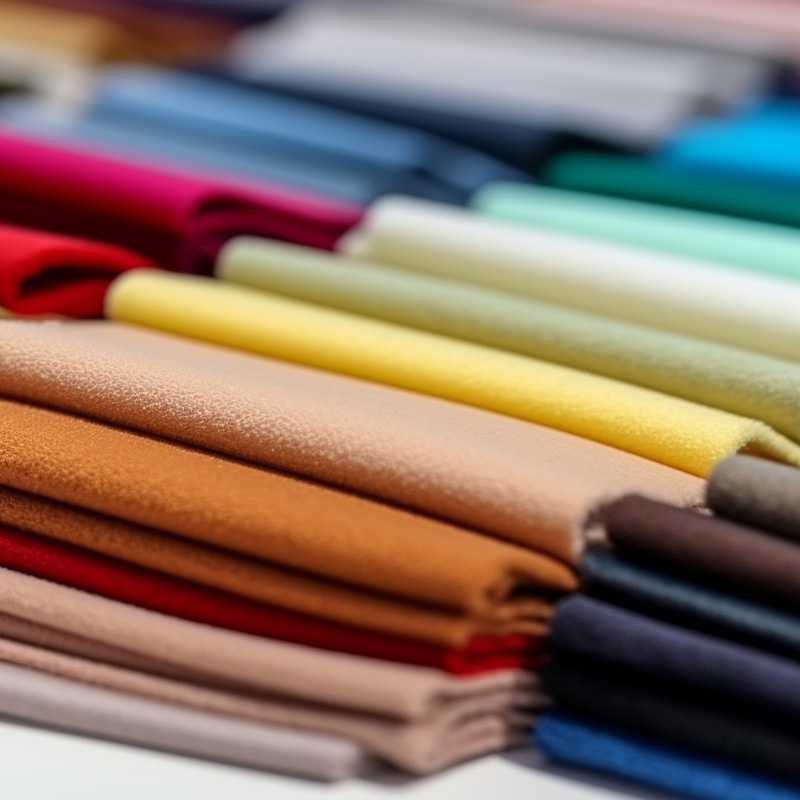
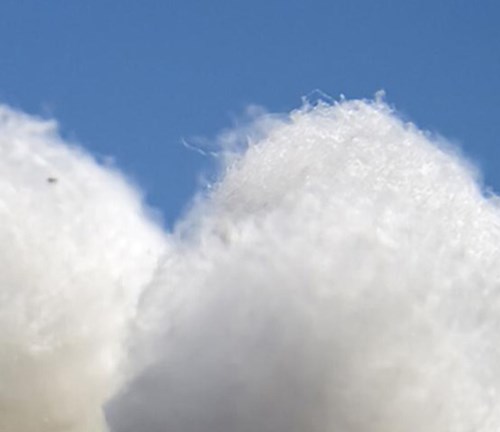
Polyester staple fiber is widely used in knitted, woven, nonwoven, and blended fabrics. Its stable physical properties make it an important component of clothing fabrics, enhancing abrasion resistance and elasticity, as well as improving the drape and hand feel of finished products. In the home textile industry, polyester staple fiber is widely used as a filling material in mattresses, pillows, and quilts due to its excellent resilience and compression resistance.
In industrial applications, polyester staple fiber is used in filter materials, automotive interiors, carpet backings, and as a reinforcing fiber in composite materials due to its chemical resistance and high-temperature resistance. This versatility and performance stability make polyester staple fiber an important raw material in the textile industry and new materials fields.
Although polyester staple fiber is a synthetic fiber, its environmental performance is improving with the development of recycling technologies. Regenerated staple fiber, produced by recycling PET bottles or waste polyester fibers, can effectively reduce resource waste and environmental pollution. At the same time, recycled polyester staple fiber is close to virgin fiber in physical properties, meeting the needs of most textile applications. This also makes polyester staple fiber occupy an important position in sustainable development and the circular economy.
A1: Staple fiber is fiber cut from filament. Its length is controllable and it's more suitable for blends and knitting, offering better bulk and filling properties. Filament, on the other hand, is used for weaving fabrics, resulting in continuous and smooth fibers.
A2: Although its moisture absorption is lower, the fiber's quick-drying ability and good breathability compensate for this. Furthermore, blending it with natural fibers can improve the wearing experience.
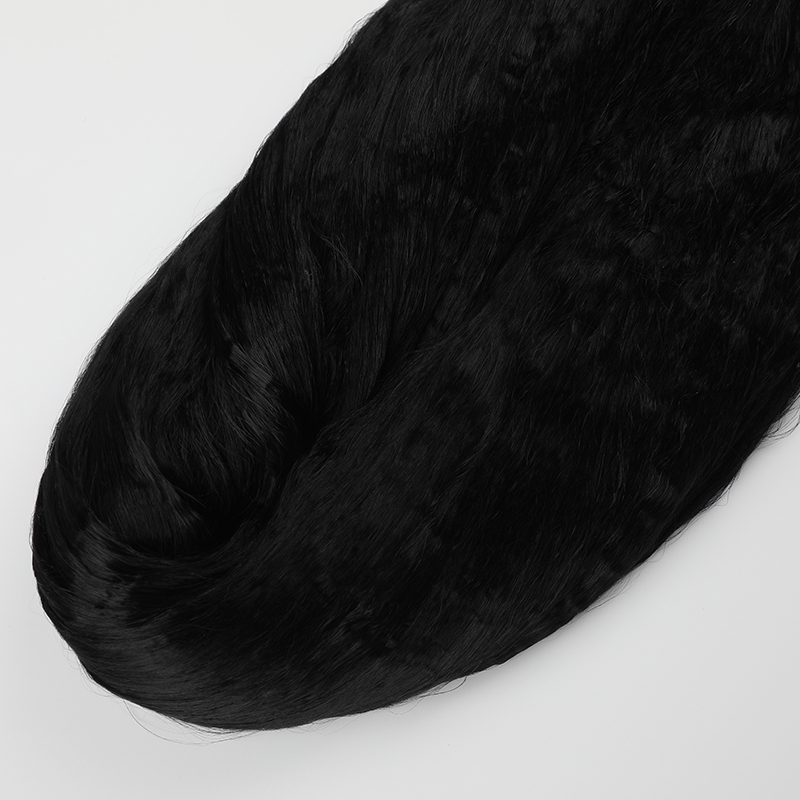
A3: Yes, through high-temperature dyeing or disperse dyeing, polyester staple fiber can achieve uniform and durable dyeing results, making it particularly suitable for multi-colored fabrics and functional fabrics.
A4: Recycled polyester staple fiber has properties close to virgin fiber, making it suitable for most textile applications while also contributing to resource conservation and environmental protection.
What are the core performance advantages of hollow conjugated fibers?
2026-01-08
How Does Composite Es Fiber Enhance Structural Strength and Durability in Industrial Equipment?
2026-01-22Your email address will not be published. Required fields are marked *

Focusing to the research and production of differentiated fiber. Applying recycle-material processing scientifically.
 86-18457317878
Zhulinjizhen, Xinfeng Town, Jiaxing City, Zhejiang Province
Copyright @ 2023 Jiaxing Fuda Chemical Fibre Factory All rights reserved
Polyester Staple Fiber Manufacturers

Friendship link - Anhui Fulin Environmental Protection Technology Co., Ltd.:https://www.ahflhb.com