en
en  English
 中文简体
中文简体 Español
 عربى
عربى
Product Consultation
Your email address will not be published. Required fields are marked *
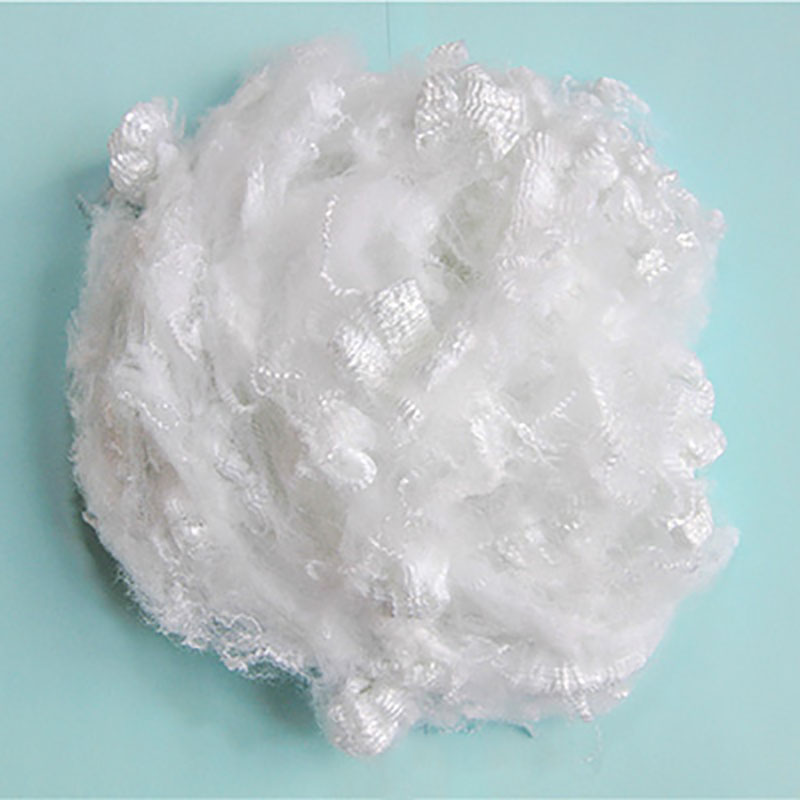
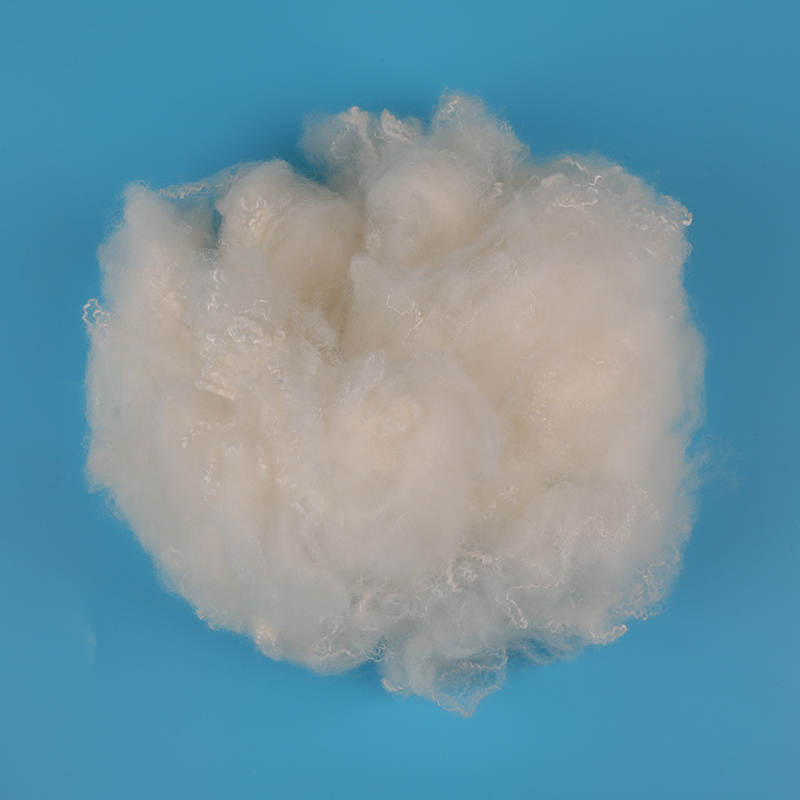
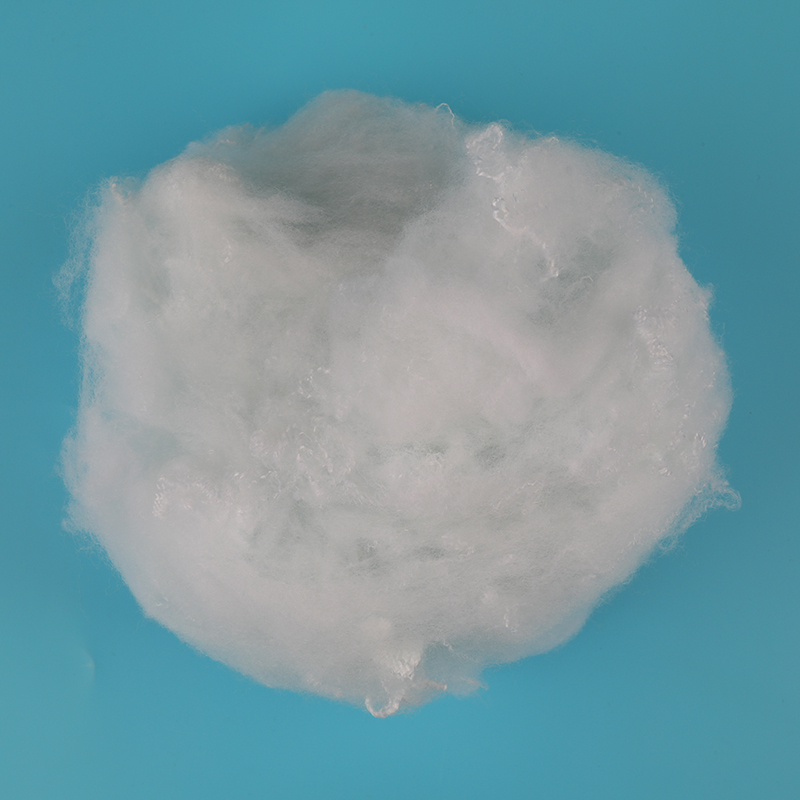
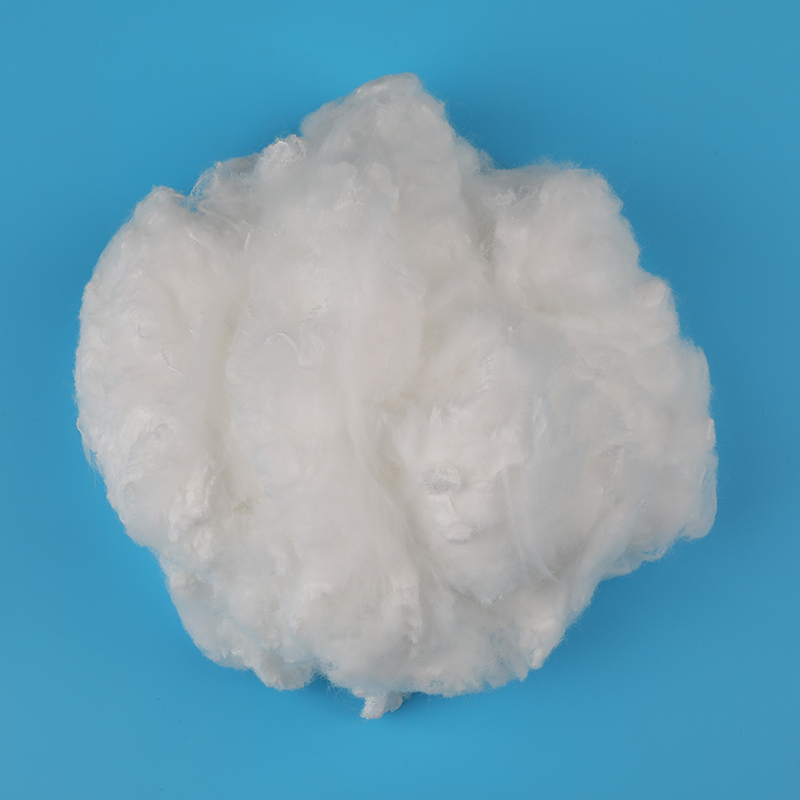
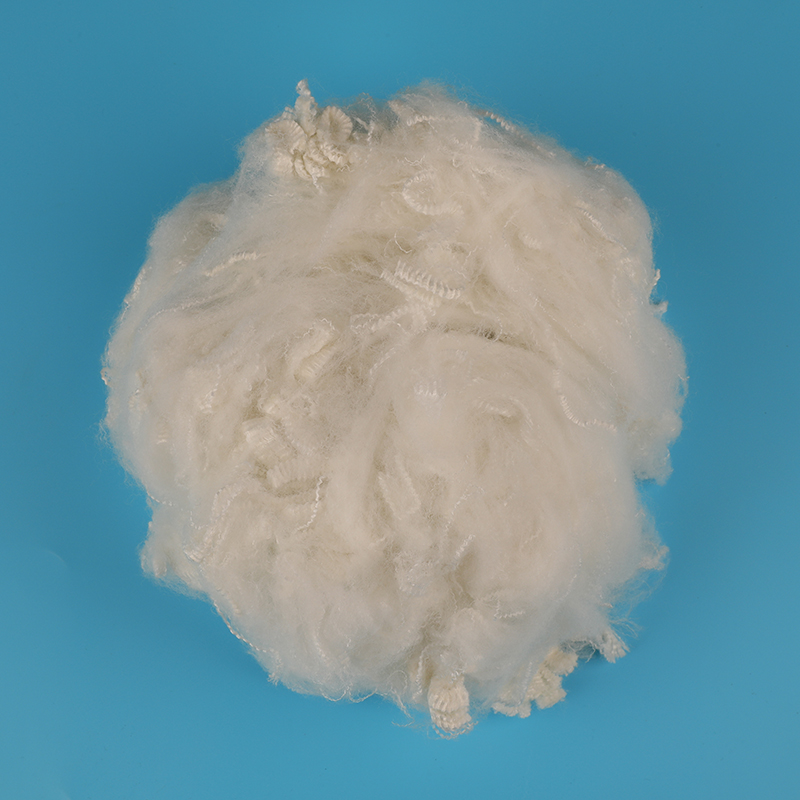
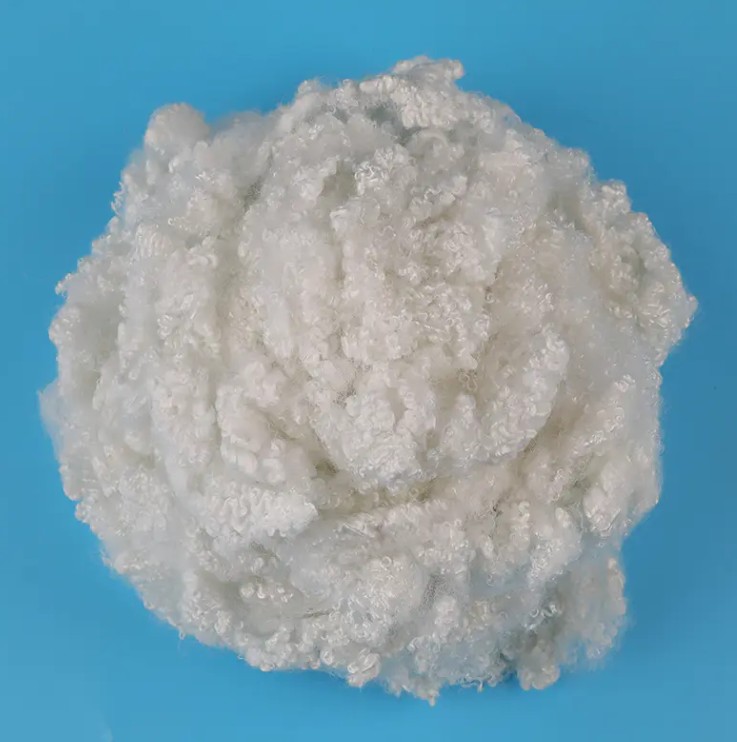
In the field of functional chemical fibers, hollow conjugated fibers have long maintained high industry attention and search popularity due to their unique structural design and comprehensive performance. As downstream applications increasingly demand improved material comfort, stability, and processability, hollow conjugated fibers, with their mature technology and stable product performance, have gradually become one of the core raw materials in various filling and non-woven materials.
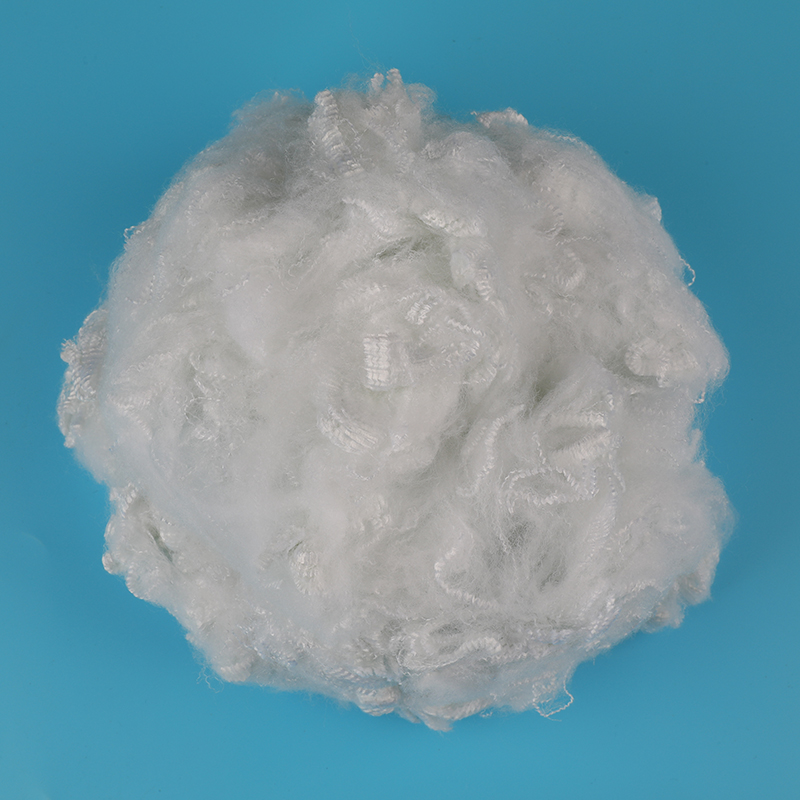
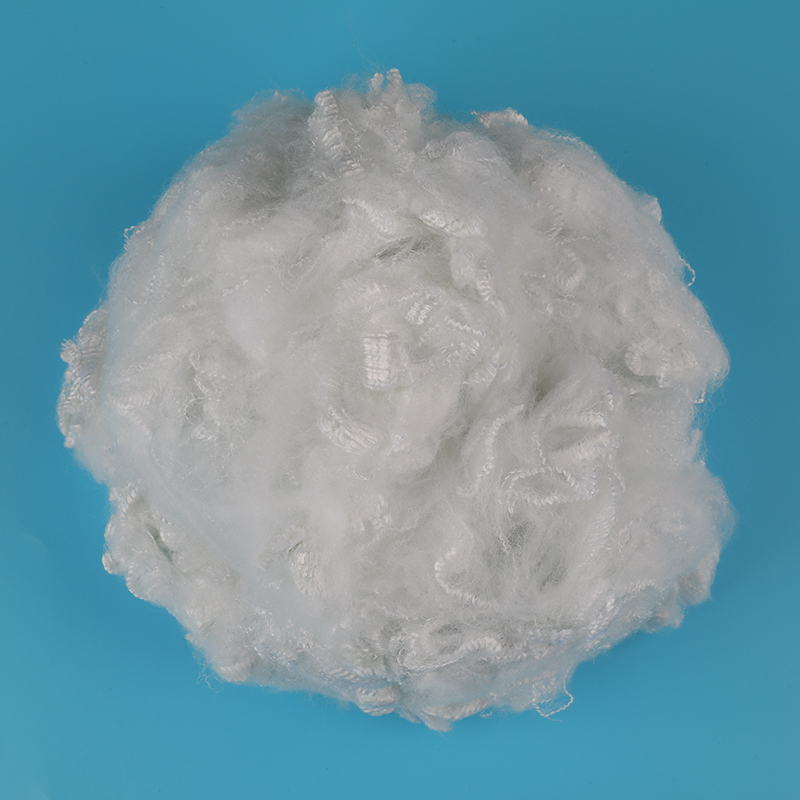
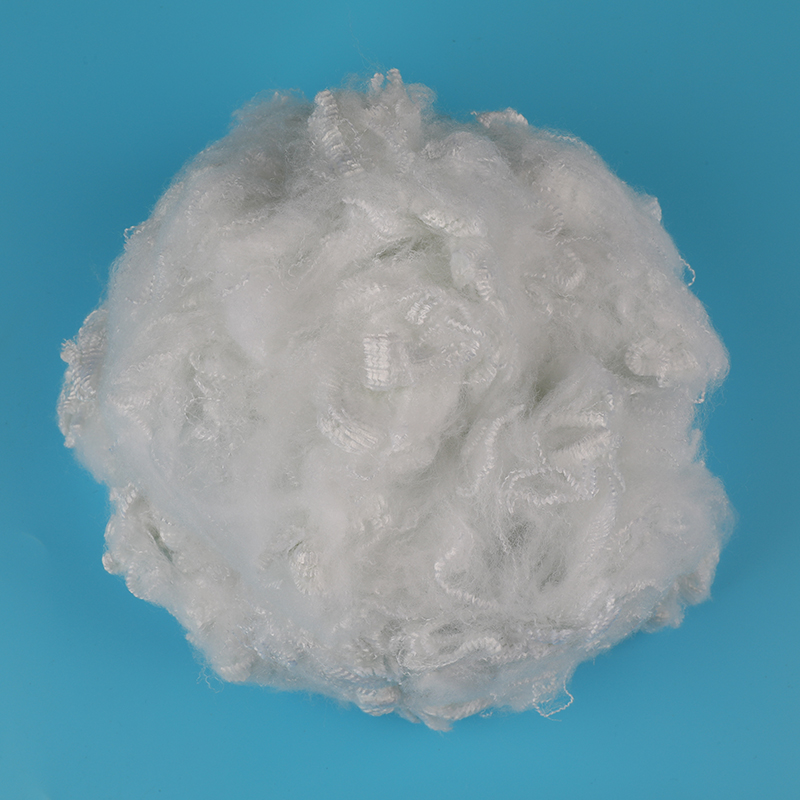
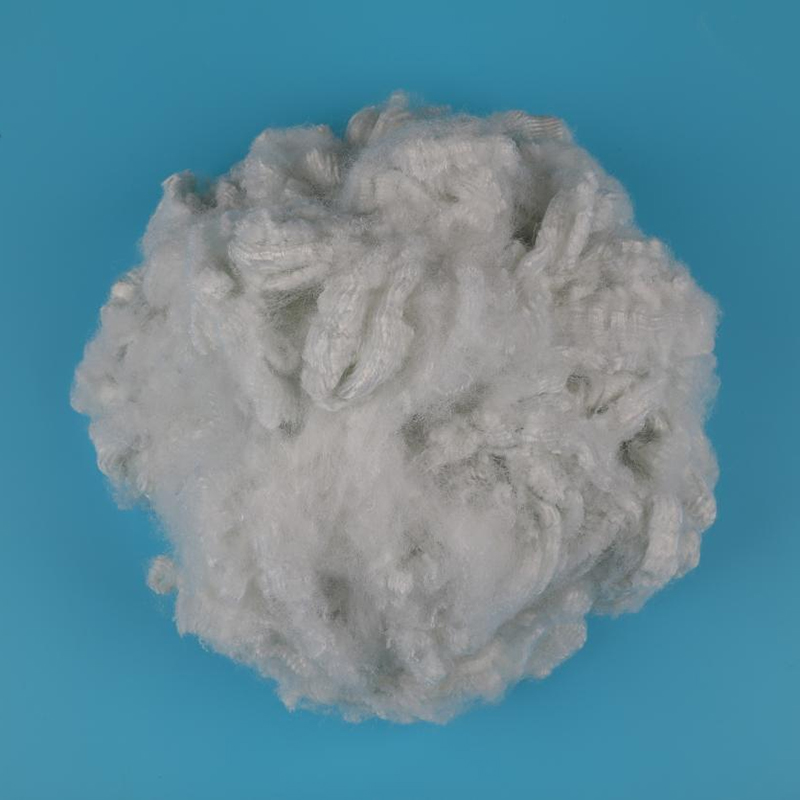
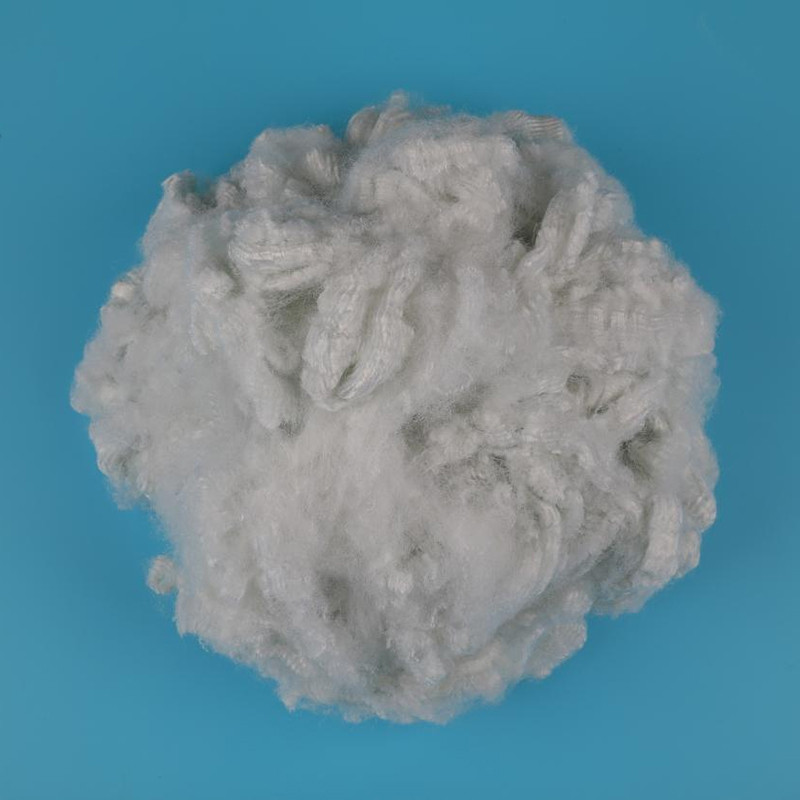
Hollow conjugated fibers are essentially hollow chemical fibers produced through a conjugated spinning process. Their core characteristic lies in the presence of a continuous or semi-continuous cavity structure within the fiber cross-section, while the fiber is formed by a stable combination of two or more polymer materials in the cross-section. This structure is not a simple superposition, but rather achieved through precise melt flow control, creating internal stress differences between different components in the fiber, thus giving the fiber natural crimp properties.
The presence of the hollow structure allows the fiber to maintain a low linear density while possessing higher bulkiness and superior resilience. The conjugated structure further strengthens the three-dimensional crimped morphology of the fiber, allowing it to exhibit good elasticity and stability without additional mechanical processing.
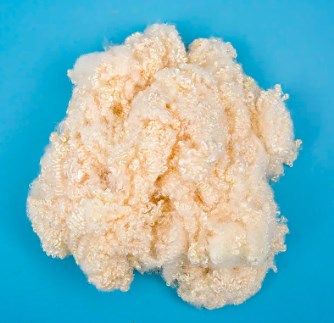
From a product performance perspective, the advantages of hollow conjugated fibers are mainly reflected in lightweight, bulkiness, and structural stability. The hollow cavity effectively reduces the unit mass density, making the material lighter under the same volume conditions. The presence of the internal air layer also enhances the overall resilience and recovery ability of the fiber. Even after long-term use or repeated compression, the fiber can still maintain its original shape, which is particularly important in the field of filling materials.
The natural crimp brought about by the conjugated structure creates more support points between the fibers, enhancing the overall structural support and resistance to collapse. This crimp is not randomly generated, but determined by the thermal shrinkage differences of the materials themselves, thus possessing high consistency and durability, which helps to improve the service life of the final product.
In terms of tactile feel, hollow conjugated fibers typically have a soft and elastic feel. The hollow structure allows the fiber to deform more easily under stress while recovering quickly, resulting in a soft yet resilient tactile experience. For applications requiring high levels of comfort, this fiber structure achieves a good balance between support and softness.
The air layer within the fiber helps regulate heat conduction to a certain extent, resulting in relatively stable thermal properties during use. This structural characteristic is not dependent on post-processing techniques but is an inherent property of the fiber itself, making it more durable in the long term.
From a processing perspective, hollow conjugate fibers exhibit excellent opening and blending adaptability. During production, the fibers have uniform crimp and stable length distribution, which helps improve processing efficiency and reduce waste. Under reasonable design, the hollow structure does not significantly weaken the fiber strength; instead, it improves the material's compression recovery performance, making it more suitable for products subjected to repeated compression.
The structural stability of conjugate fibers means they are less prone to uncontrolled deformation during heat treatment and molding, which is crucial for maintaining the consistency of the final product's appearance and performance. For downstream customers who prioritize consistent quality, this predictability itself is a significant product value.
As material applications become increasingly specialized, the product value of hollow conjugate fibers is gradually extending from basic performance to a comprehensive user experience. The fluffiness, resilience, and durability provided by its structure make it highly versatile and suitable for various applications. By adjusting the hollow ratio, fiber fineness, and conjugation method, multiple performance orientations can be achieved within the same technical framework, meeting the needs of different product positioning.
This high degree of adjustability makes hollow conjugate fibers not only a standardized raw material but also a functional basic material with potential for secondary development, facilitating brand and product differentiation.
Under reasonable design, the hollow structure does not significantly reduce the overall strength of the fiber; instead, it helps improve resilience and compression resistance.
The conjugate crimp originates from the inherent physical properties of the material and exhibits good durability under normal use conditions, and does not significantly degrade over time.
Its core performance mainly comes from the fiber structure itself; post-processing is primarily for optimizing feel or appearance, not the main source of performance.
Mature conjugated spinning processes can ensure the stability of fiber structure and performance, which is beneficial for large-scale and continuous applications.
How does denier fiber perform in terms of stability and durability?
2026-01-01
How Effective is Polyester Staple Fiber in Industrial Fabrics?
2026-01-15Your email address will not be published. Required fields are marked *

Focusing to the research and production of differentiated fiber. Applying recycle-material processing scientifically.
 86-18457317878
Zhulinjizhen, Xinfeng Town, Jiaxing City, Zhejiang Province
Copyright @ 2023 Jiaxing Fuda Chemical Fibre Factory All rights reserved
Polyester Staple Fiber Manufacturers

Friendship link - Anhui Fulin Environmental Protection Technology Co., Ltd.:https://www.ahflhb.com