en
en  English
 中文简体
中文简体 Español
 عربى
عربى
Product Consultation
Your email address will not be published. Required fields are marked *
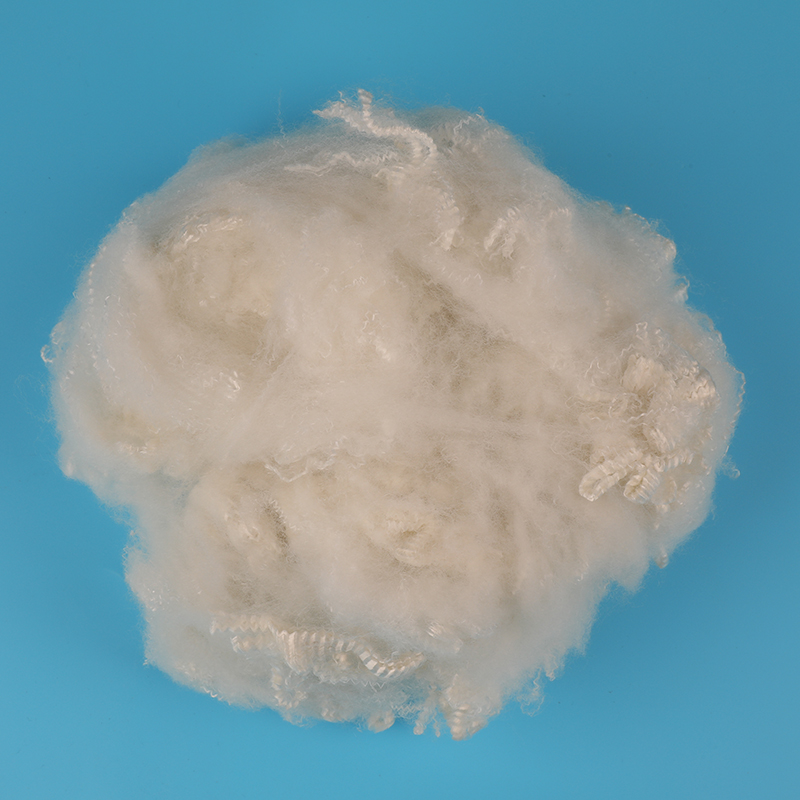
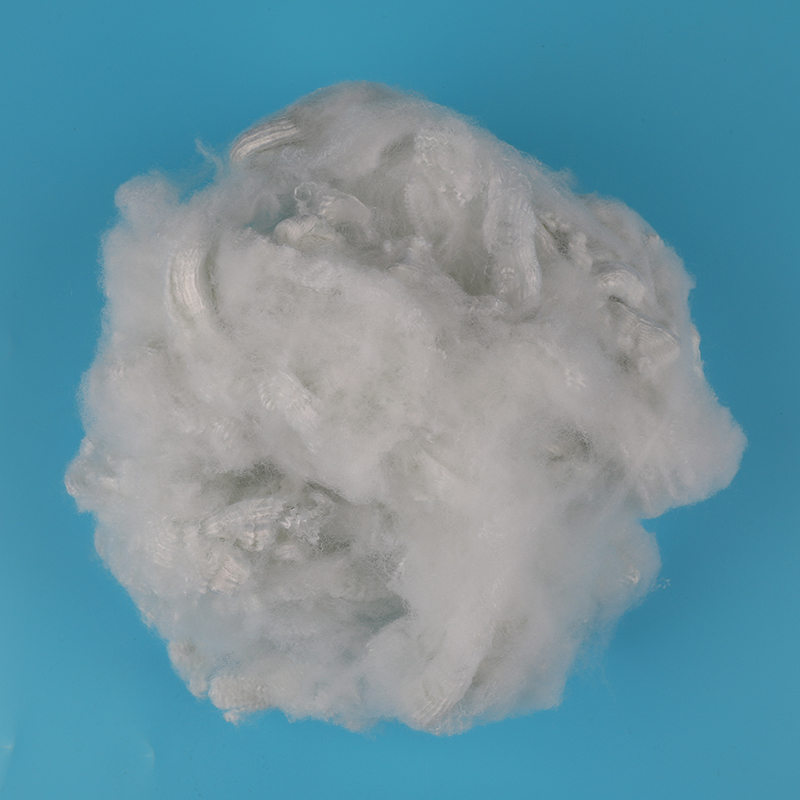
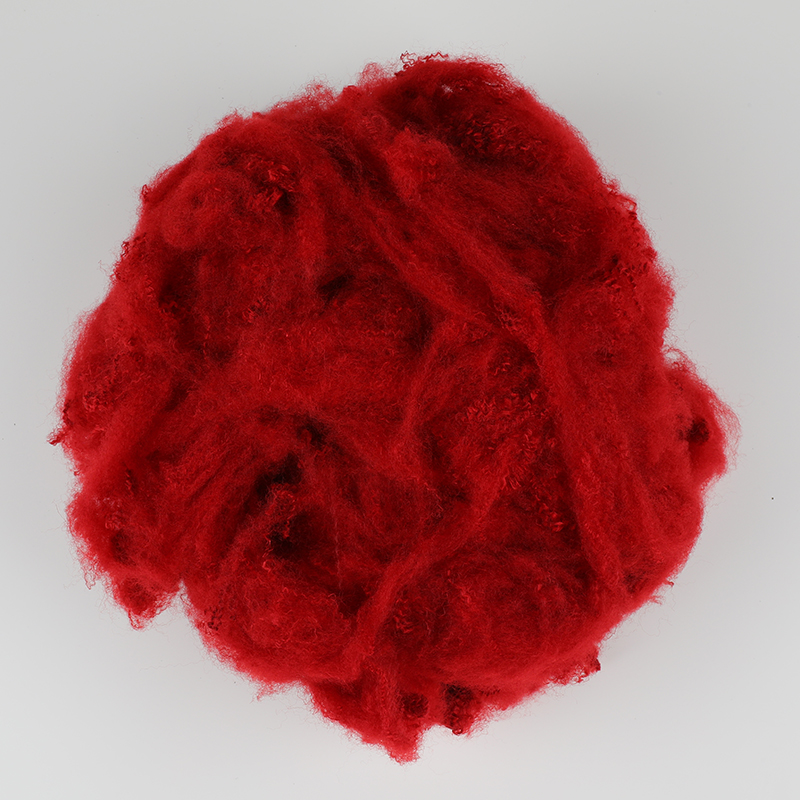
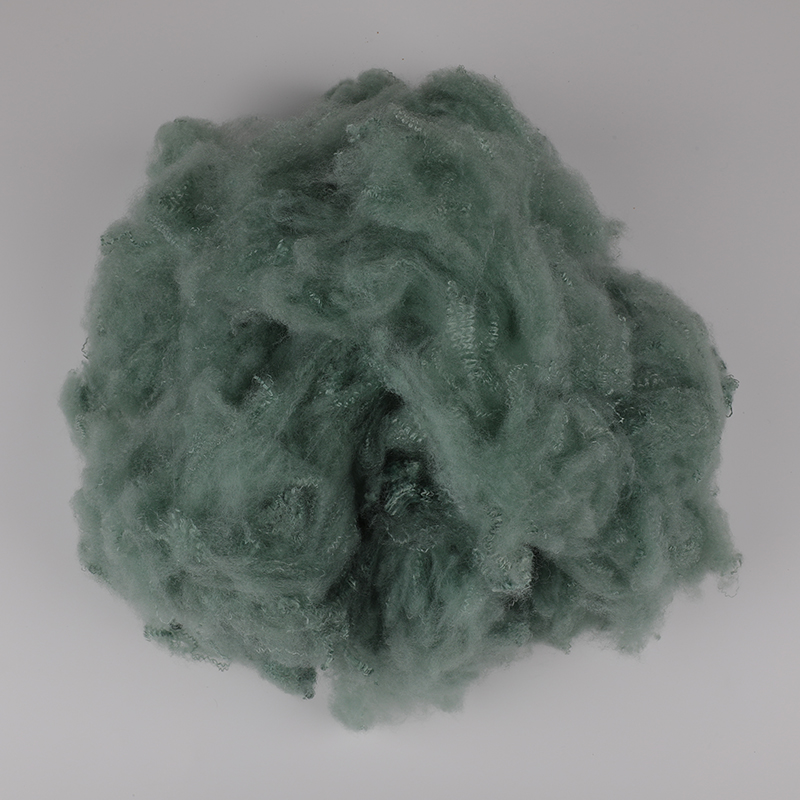
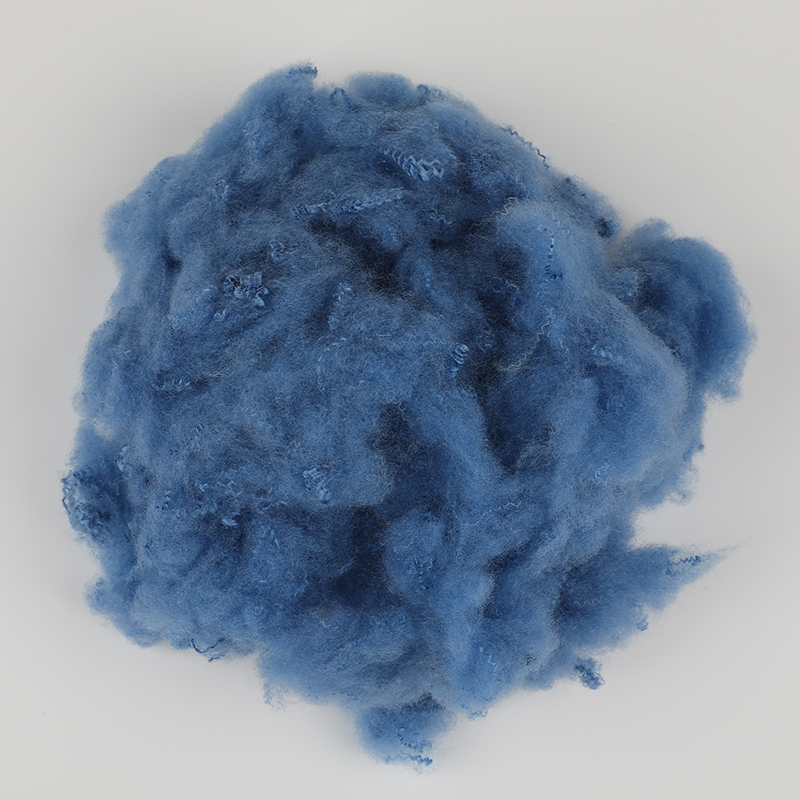
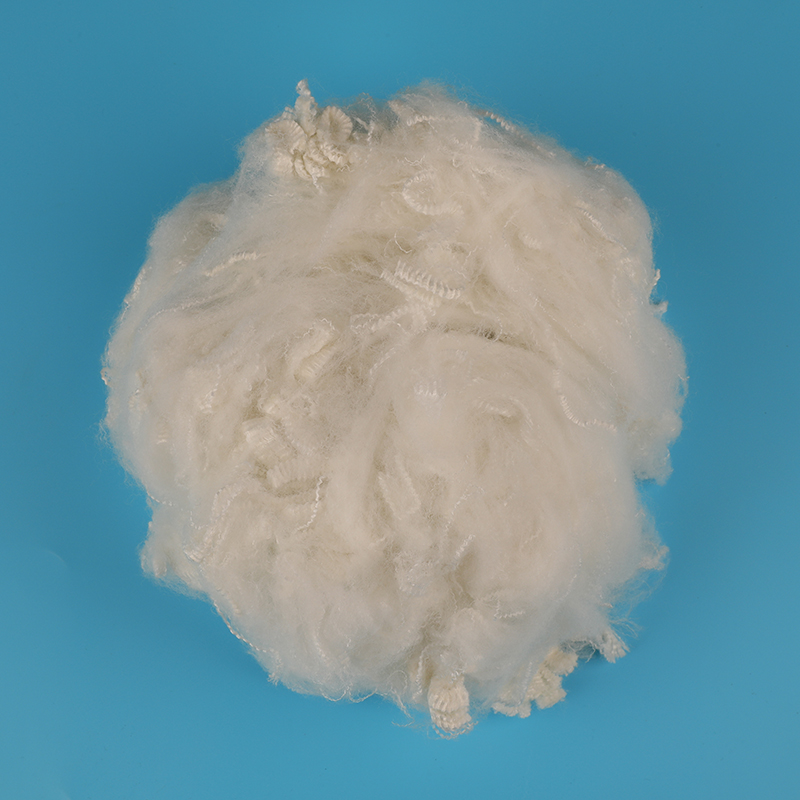
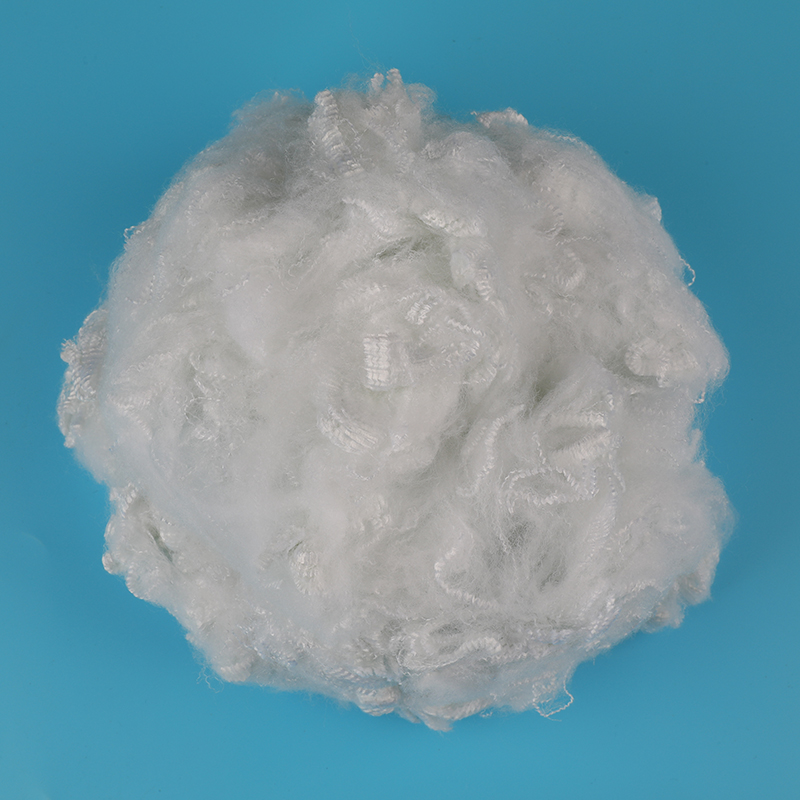
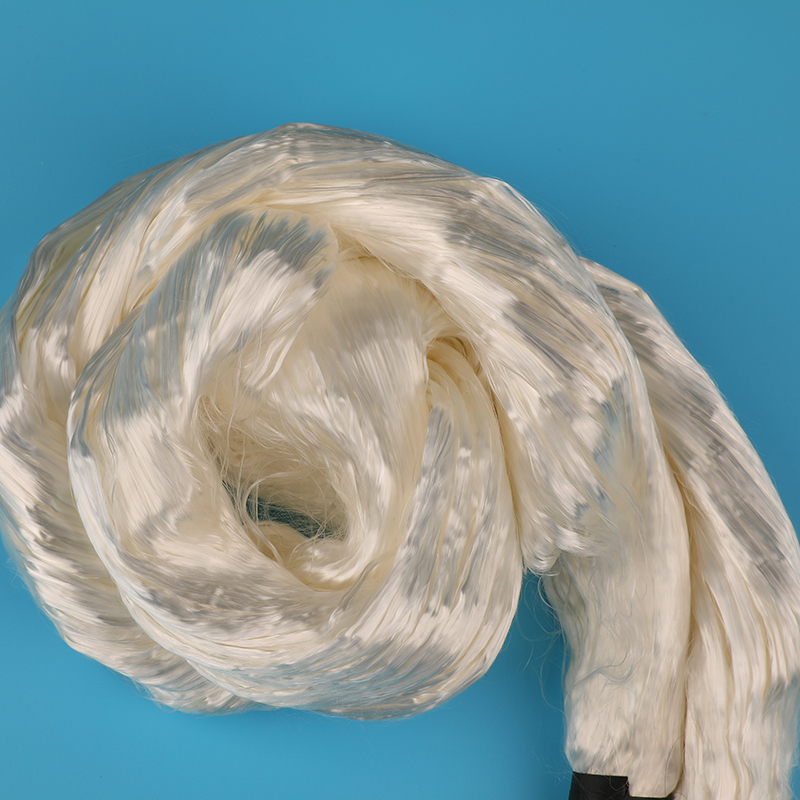
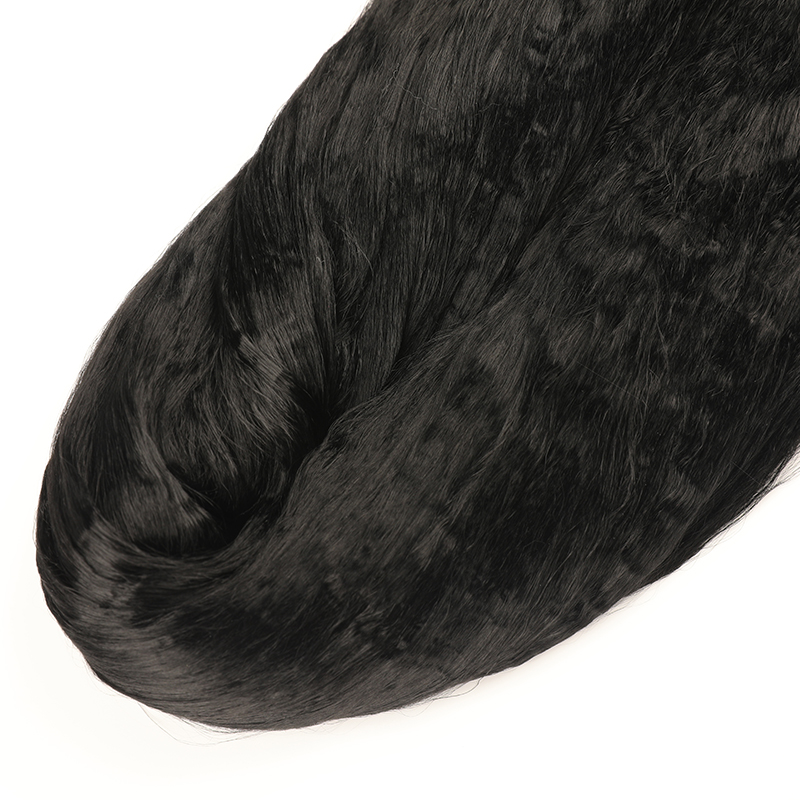
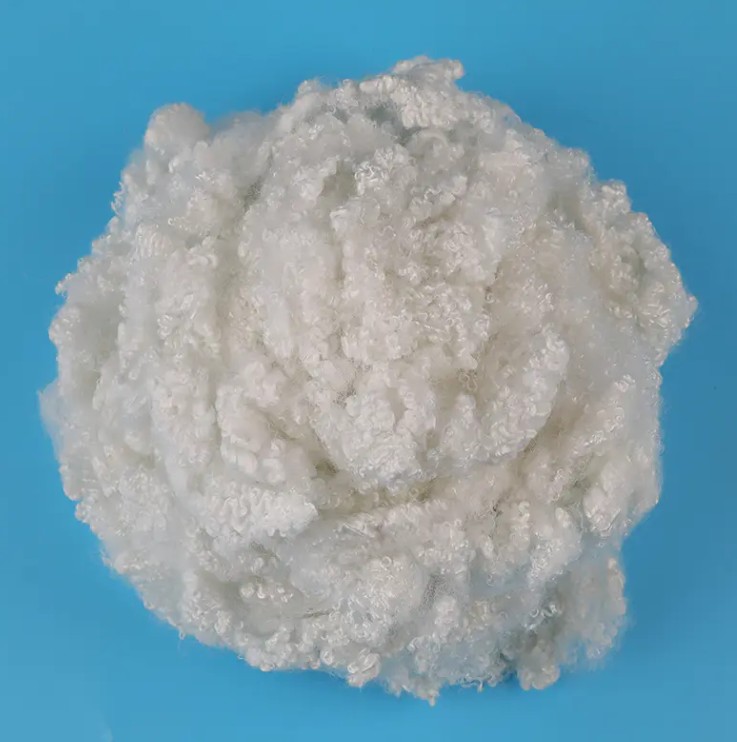
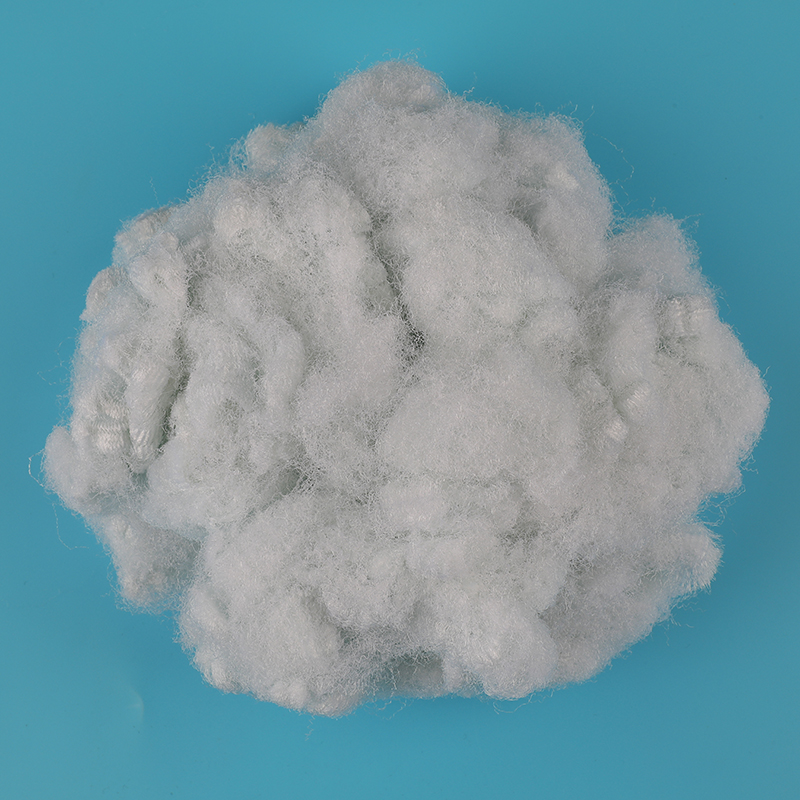
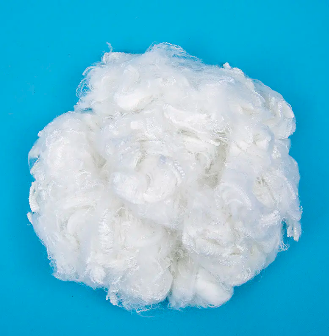
Polyester staple fiber is the most widely used synthetic textile fiber in the global textile industry, featuring excellent comprehensive performance, low production cost, strong durability and easy processing characteristics. It is a short-cut polyester fiber with fixed length, spun from polyester polymer chips, and can be blended with various natural and chemical fibers to make diversified textile products. With stable physical and chemical properties, it occupies a dominant position in apparel, home textiles and industrial textiles fields, and its market demand maintains a steady growth trend all year round.
Different from polyester filament with continuous long fiber structure, polyester staple fiber is cut into uniform short fibers, which is more suitable for traditional spinning processes. It accounts for more than 60% of the total output of synthetic staple fibers worldwide, becoming an indispensable basic raw material for the modern textile manufacturing system. Its flexible collocation performance and cost advantage make it irreplaceable in both civilian textile consumption and industrial supporting scenarios.
Polyester staple fiber refers to short fiber products obtained by melt-spinning polyethylene terephthalate (PET) polymer raw materials, followed by drafting, crimping, heat setting and fixed-length cutting. The fiber length is usually set according to spinning requirements, and the conventional length range matches the spinning standards of cotton, wool and other natural fibers, which facilitates mixed spinning and weaving. This fiber belongs to thermoplastic synthetic fiber, with stable molecular structure and excellent anti-deformation ability.
The core competitiveness of polyester staple fiber comes from its superior comprehensive performance, which covers physical mechanical properties, chemical stability and daily use durability. The main characteristics are summarized as follows:
Polyester staple fiber has a complete classification system, which can be divided into multiple types according to fiber length, fineness, function and use scenario. Different types of products correspond to different production processes and application fields, forming a diversified product system.
Fiber length is the core indicator affecting spinning effect, and polyester staple fiber is mainly divided into cotton-type, wool-type and medium-length types, adapting to different spinning systems:
| Fiber Type | Length Feature | Main Application Scenarios |
|---|---|---|
| Cotton-type | Short length, uniform fineness | Blended spinning with cotton, making casual clothing, bedding fabrics |
| Wool-type | Longer length, good elasticity | Blended with wool, making woolen fabrics, coats and sweaters |
| Medium-length | Medium length, strong cohesion | Industrial textiles, non-woven fabrics, decorative materials |
With the upgrading of textile demand, functional modified polyester staple fiber has become the mainstream development direction. On the basis of conventional fiber performance, it is endowed with special functions through chemical modification or physical treatment:
The production of polyester staple fiber is a continuous industrial production process, which takes PET polyester chips as the core raw material, and completes fiber forming and shaping through multiple precision processes. The whole production process is mature and standardized, with high automation and stable product quality.
The overall yield of industrial standardized production of polyester staple fiber can reach more than 95%, with stable batch quality, which lays a foundation for large-scale and low-cost application.
With its excellent performance and cost advantage, polyester staple fiber covers almost all textile fields, including civilian apparel textiles, home textile products and industrial supporting textiles, and has become the most versatile textile raw material.
Polyester staple fiber is widely used in clothing production, mostly in blended spinning with cotton, wool and other natural fibers. Blended fabrics can complement the advantages of various fibers, overcoming the shortcomings of easy wrinkling and poor durability of natural fibers, and avoiding the problems of poor air permeability and stiff texture of pure polyester fabrics. It is used to make casual clothes, business clothes, sportswear and children's clothing, with comfortable hand feel and durable use.
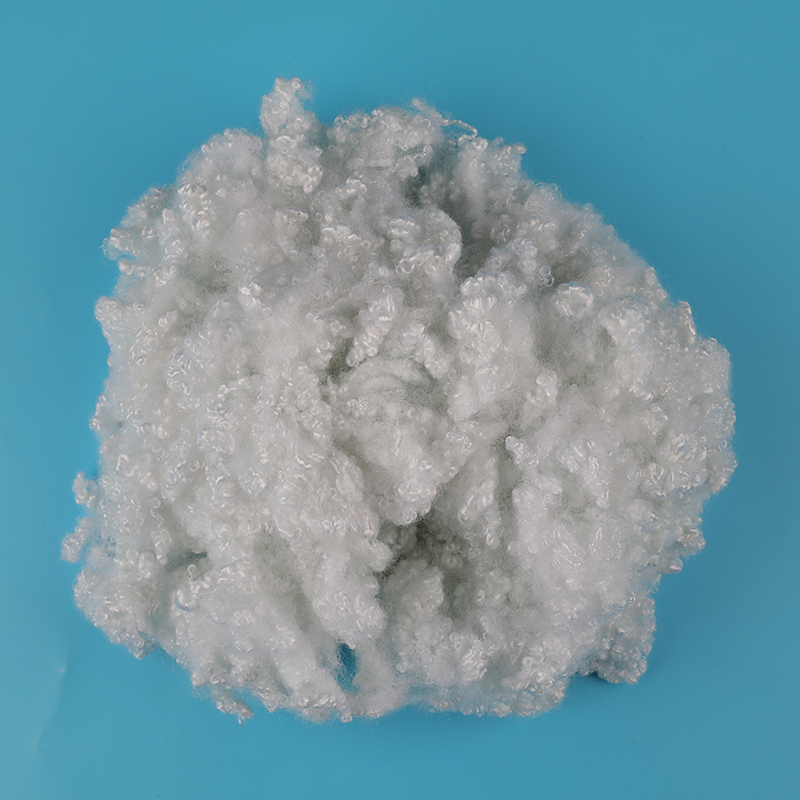
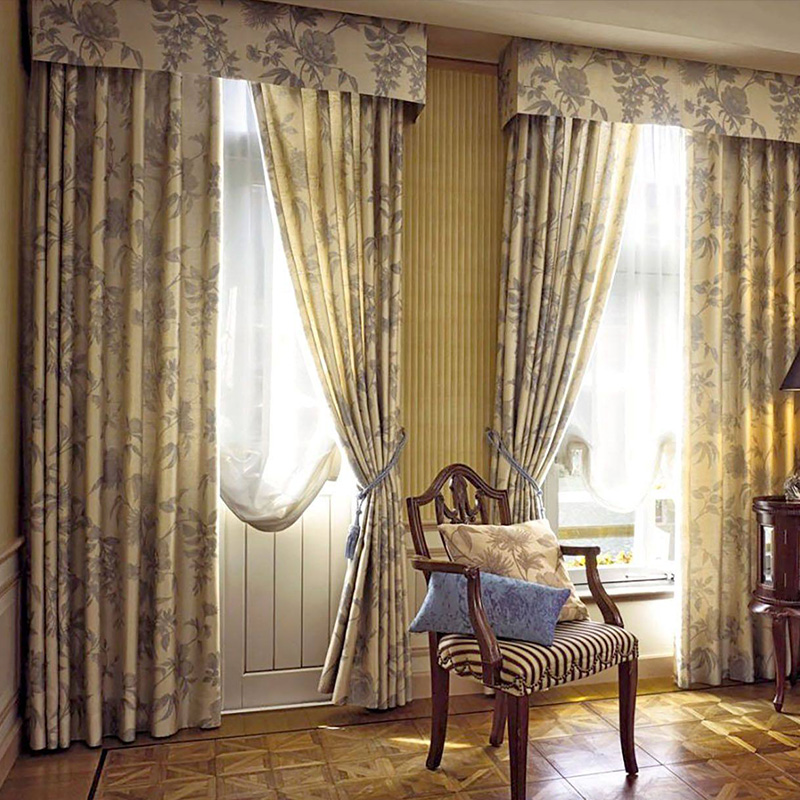
Home textiles are the largest consumption scenario of polyester staple fiber. Conventional and hollow staple fibers are used in bedding, curtains, carpets, sofa fabrics and plush products. The products have good wrinkle resistance, washability and fluffiness, and can maintain a neat appearance after long-term use and repeated cleaning, which meets the daily use needs of families. Home textile consumption accounts for nearly 50% of the total consumption of polyester staple fiber in the civilian market.
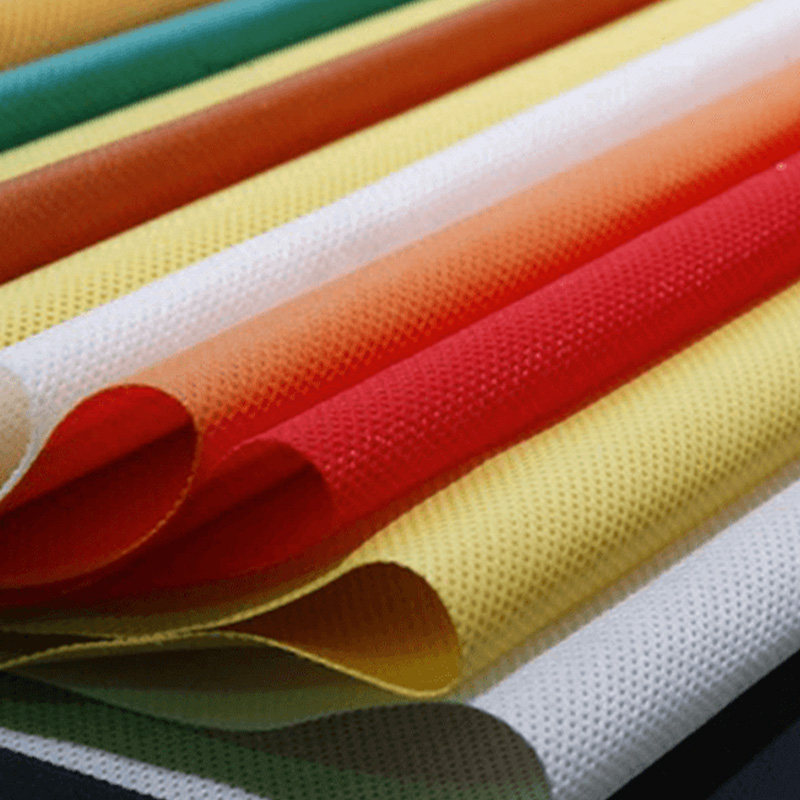
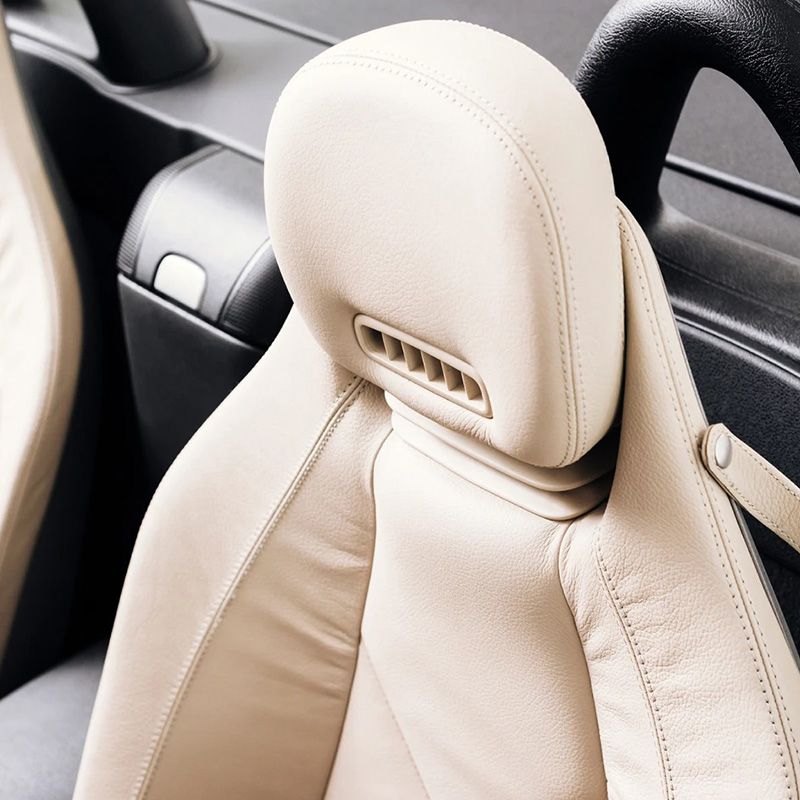
Industrial textiles are the fastest-growing application field of polyester staple fiber in recent years. Modified staple fibers are used in automotive interior materials, filter fabrics, geotextiles, protective textiles and non-woven products. Relying on high strength, corrosion resistance and stable performance, it can adapt to harsh industrial environments and meet the functional requirements of industrial supporting materials.
Compared with natural fibers and other synthetic fibers, polyester staple fiber has irreplaceable comprehensive advantages. First, it has extremely high cost performance, with lower production cost and more stable price fluctuation than cotton and wool fibers, which is suitable for large-scale mass production. Second, it has strong performance adaptability, and can be modified into various functional fibers to meet differentiated market demands. Third, it has excellent processability, compatible with all mainstream textile spinning and weaving processes, with low production difficulty and high production efficiency.
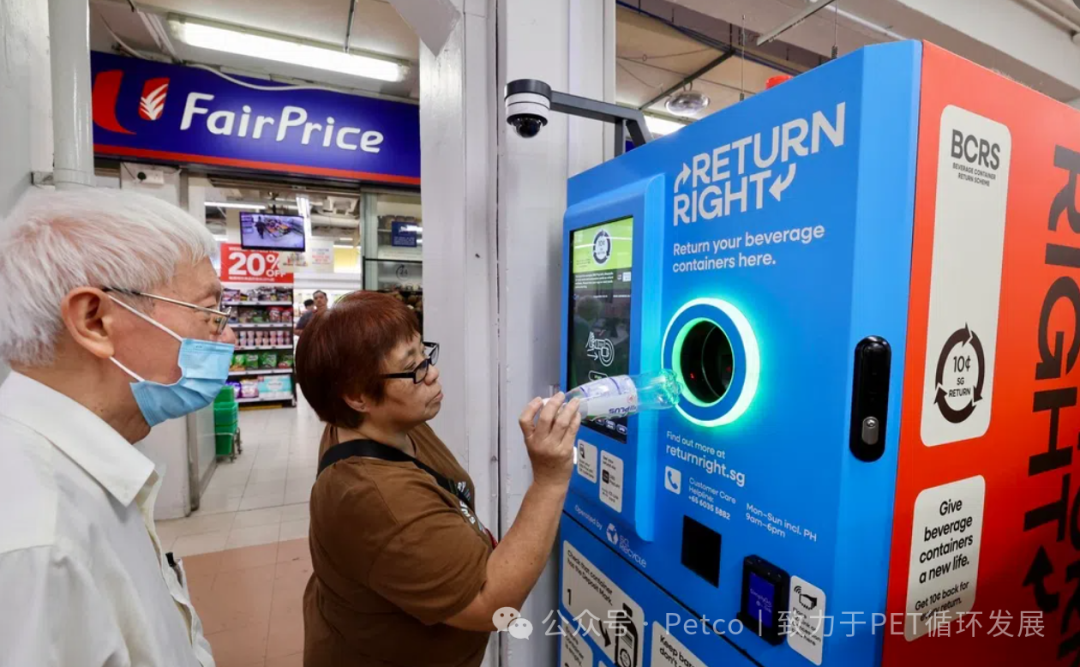
With the upgrading of global environmental protection policies and textile consumption demand, the polyester staple fiber industry is moving towards green environmental protection, functional diversification and recycled development. Recycled polyester staple fiber, made from waste PET materials, has achieved large-scale promotion, and its market share is increasing year by year, which effectively reduces resource consumption and environmental pollution.
In addition, high-performance modified fibers such as ultra-fine staple fibers, temperature-adjusting fibers and antibacterial fibers have become the mainstream research and development direction, continuously expanding the application boundary of polyester staple fiber. The industry is also gradually eliminating backward production capacity, improving production automation and product precision, and developing towards high-quality and high-value-added products.
Many market users easily confuse polyester staple fiber and polyester filament, but there are essential differences in structure, performance and application between the two, which are suitable for different textile scenarios respectively:
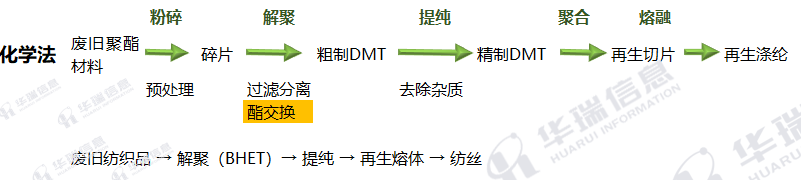
Chemical methods and biological enzymes, who is the latecomer?
2026-06-30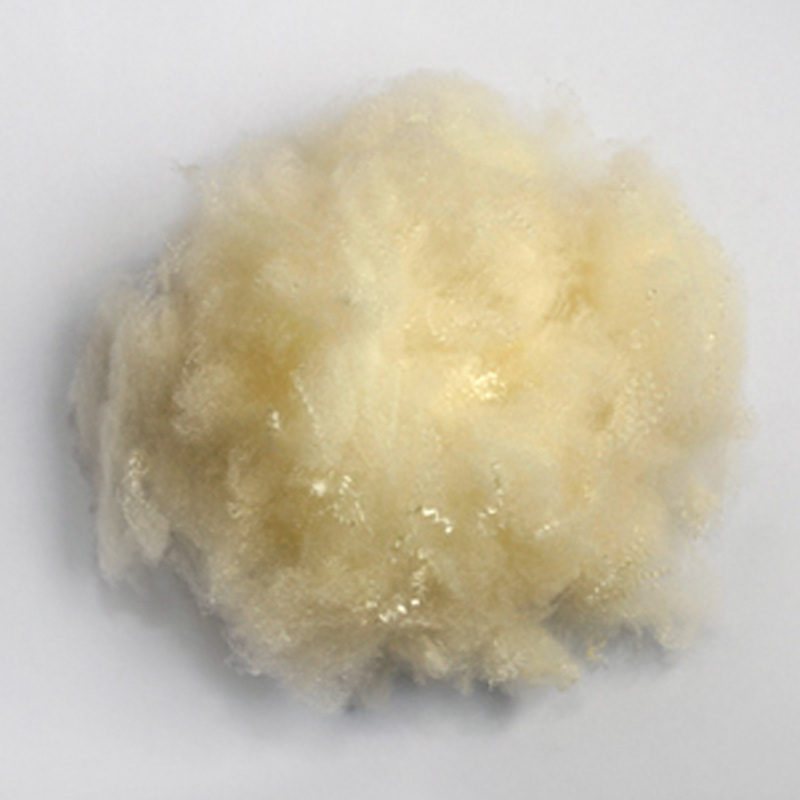
Why is composite ES fiber considered a cost-effective solution for hygiene products?
2026-07-08Your email address will not be published. Required fields are marked *

Focusing to the research and production of differentiated fiber. Applying recycle-material processing scientifically.
 86-18457317878
Zhulinjizhen, Xinfeng Town, Jiaxing City, Zhejiang Province
Copyright @ 2023 Jiaxing Fuda Chemical Fibre Factory All rights reserved
Polyester Staple Fiber Manufacturers

Friendship link - Anhui Fulin Environmental Protection Technology Co., Ltd.:https://www.ahflhb.com