en
en  English
 中文简体
中文简体 Español
 عربى
عربى
Product Consultation
Your email address will not be published. Required fields are marked *
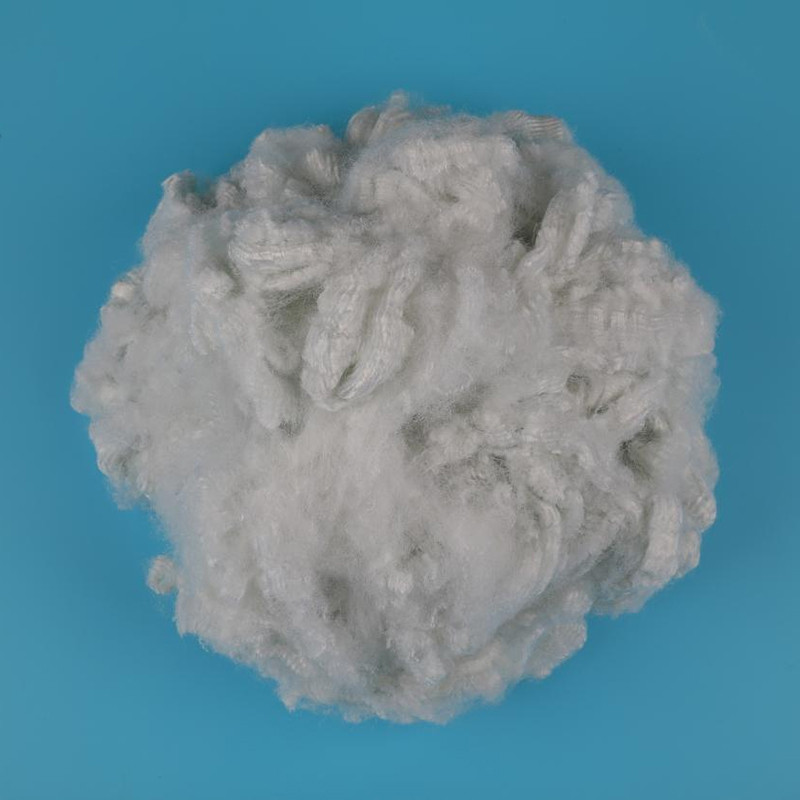
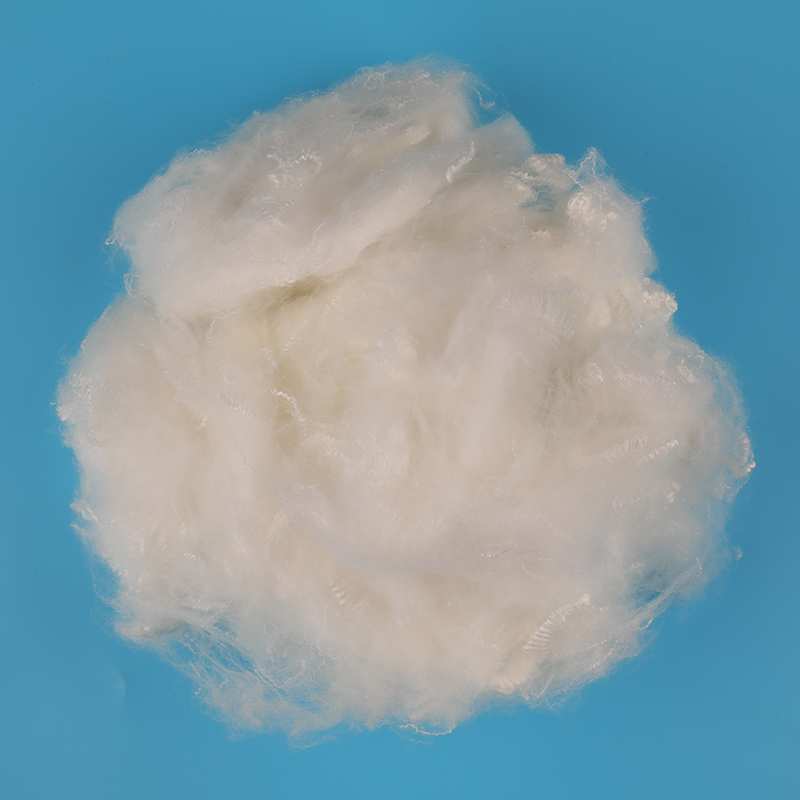
Composite ES Fiber is a specialized bicomponent fiber that has revolutionized the nonwoven textile industry by offering an optimal balance of softness, strength, and thermal bondability. Primarily composed of a sheath-core structure where the sheath has a lower melting point than the core, this fiber allows fabrics to be bonded together without the need for chemical adhesives. This results in a nonwoven material that is hypoallergenic, breathable, and exceptionally durable. Its widespread adoption in hygiene products, medical textiles, and filtration systems stems from its ability to provide a cloth-like feel while maintaining high industrial production efficiency. Consequently, Composite ES Fiber represents a critical material for manufacturers looking to enhance product performance through advanced material engineering.
The term "Composite" in Composite ES Fiber refers to its bicomponent nature, meaning it is created by extruding two different polymers simultaneously. The most common configuration is the "sheath-core" structure, although "side-by-side" arrangements also exist depending on the intended application. In the sheath-core model, the core polymer provides the structural integrity and tensile strength of the fiber, while the sheath polymer is designed with a lower melting point to facilitate thermal bonding.
Typically, the core consists of polypropylene (PP) for its high strength and chemical resistance, while the sheath is made of polyethylene (PE). This combination is often referred to as ES (Ethylene-Propylene Side-by-side or sheath-core). When heat is applied during the manufacturing process, the polyethylene sheath melts and flows, bonding with adjacent fibers at their crossover points. Once cooled, these bonds form a cohesive web. Crucially, the polypropylene core remains solid, preserving the fiber's original dimensions and the fabric's bulkiness. This distinct melting behavior is what separates composite fibers from mono-component fibers, offering superior control over the fabric's final texture and stiffness.
Switching to Composite ES Fiber offers numerous benefits compared to traditional mono-component fibers like standard polypropylene or polyester. These advantages impact not only the end-user experience but also the manufacturing process and environmental footprint.
To fully appreciate the utility of Composite ES Fiber, it is helpful to compare its characteristics against those of standard polypropylene (PP) fibers and chemical-bonded fibers. The following table highlights the critical differences in performance and application.
| Feature | Composite ES Fiber | Standard Polypropylene (PP) | Chemical Bonded Fiber |
|---|---|---|---|
| Bonding Method | Thermal (Heat) | Mechanical (Needle Punch) | Adhesives / Latex |
| Softness / Hand Feel | High (Cloth-like) | Medium to Rough | Stiff / Hard |
| Chemical Additives | None Required | None Required | Heavy Usage |
| Production Speed | Fast | Slow to Moderate | Slow (Drying Time) |
The versatility of Composite ES Fiber allows it to be processed into nonwoven fabrics using several distinct methods. The choice of technique often depends on the desired weight, texture, and end-use of the fabric.
In spunbond processes, ES filaments are extruded, drawn, and laid directly onto a conveyor belt to form a web. This web is then passed through heated calender rolls. The pressure and heat cause the sheath to melt, bonding the fibers at the crossover points. Spunbond ES fabrics are known for their high strength and uniformity, making them ideal for covers and backing layers in hygiene products.
For staple fibers, the carding process aligns the fibers into a web. This web is then thermally bonded, often using through-air ovens. In this method, hot air circulates through the loose web, melting the sheath of the fibers uniformly. This creates a lofty, soft, and bulky fabric with high resilience, which is frequently used in wipes and padding. Through-air bonding results in a fabric that is softer than calender-bonded fabrics because the fibers are not crushed by heavy rollers.
While ES fibers are distinct from meltblown microfibers, they are often used in composite structures known as SMS (Spunbond-Meltblown-Spunbond). In these laminates, ES spunbond layers provide strength and softness, while the meltblown layer provides barrier properties against fluids and particles. The use of ES fibers in the outer layers enhances the comfort of the final composite product.
The unique properties of Composite ES Fiber make it indispensable across a wide range of sectors. Its ability to combine performance with cost-efficiency ensures its continued dominance in the following areas:
The largest market for ES fibers is the hygiene industry. They are used in the manufacturing of diapers, feminine care products, and adult incontinence pads. In these applications, the fiber is used for the topsheet (the layer in contact with the skin) due to its softness and dry feel, as well as in acquisition distribution layers (ADL) where its porosity helps quickly absorb and distribute fluid, preventing leaks. The hypoallergenic nature of the thermally bonded fabric is also a critical factor for sensitive skin.
In the medical field, Composite ES Fiber is used to produce surgical gowns, drapes, face masks, and caps. The material can be engineered to be breathable yet resistant to fluid penetration. Additionally, because the bonding process avoids chemical binders, the risk of chemical reactions or particle shedding in sterile environments is minimized. The ability to sterilize these fabrics using gamma radiation or autoclaving without significant degradation is another key advantage.
The durability and softness of ES fiber make it a prime choice for both industrial and consumer wipes. Whether for baby care, personal hygiene, or household cleaning, the fabric maintains its integrity when wet. The thermal bonding ensures that the wipes do not lint or shed fibers during use, which is crucial for cleaning sensitive surfaces or electronics.
Due to the ability to control pore size and density, ES nonwovens are effective in filtration applications, such as liquid filtration for industrial processes or HVAC air filters. Furthermore, the lofty structure achieved through through-air bonding provides excellent thermal insulation properties, making it suitable for thermal filling in jackets and sleeping bags.
As the global textile industry shifts towards more sustainable practices, the development of eco-friendly Composite ES Fibers has become a priority. Traditional ES fibers rely on polyolefins derived from fossil fuels. However, current research is focused on creating bicomponent fibers using bio-based polymers or biodegradable materials without compromising the thermal bonding characteristics.
One area of innovation is the use of polylactic acid (PLA) as a core or sheath component. Additionally, manufacturers are improving the recyclability of nonwoven waste by promoting mono-material solutions where the sheath and core are chemically compatible, or by simplifying the separation of composite layers in products like diapers. The future of Composite ES Fiber lies in balancing high-performance functionality with a reduced environmental impact, ensuring it remains a material of choice in a circular economy.
In summary, Composite ES Fiber stands as a cornerstone of modern nonwoven engineering. Its innovative sheath-core structure facilitates efficient thermal bonding, resulting in fabrics that are soft, strong, and free from chemical binders. From providing comfort in diapers to ensuring safety in surgical gowns, the practical applications of this material are vast and impactful. As manufacturing technologies evolve and sustainability becomes increasingly important, Composite ES Fiber will continue to adapt, offering advanced solutions that meet the complex demands of global industries.
How is polyester staple fiber manufactured?
2026-07-01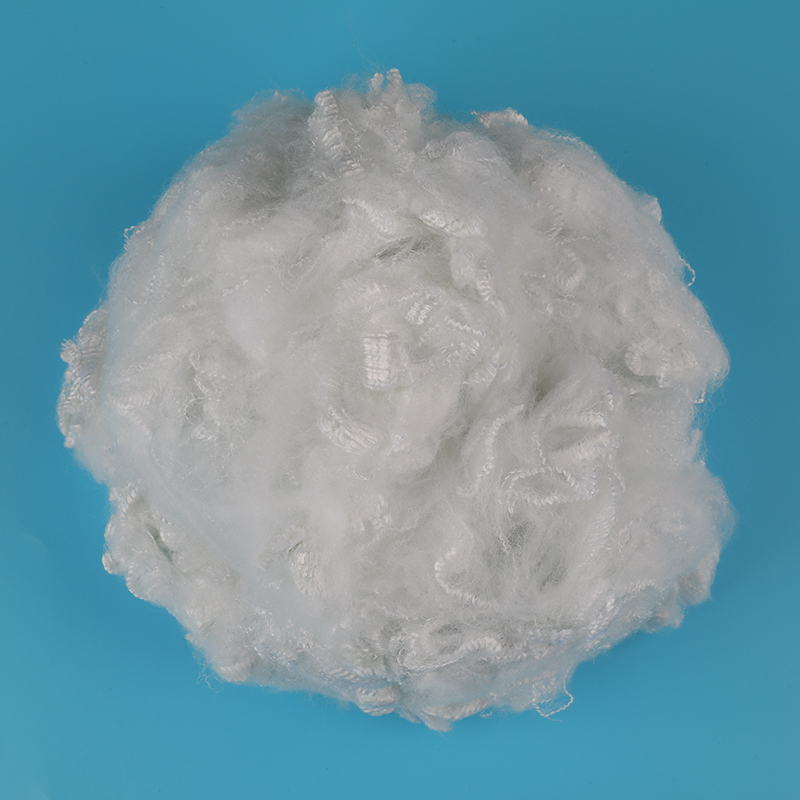
What Is the Difference Between Raw White and Dyed Non-Woven Staple Fibers?
2026-07-15Your email address will not be published. Required fields are marked *

Focusing to the research and production of differentiated fiber. Applying recycle-material processing scientifically.
 86-18457317878
Zhulinjizhen, Xinfeng Town, Jiaxing City, Zhejiang Province
Copyright @ 2023 Jiaxing Fuda Chemical Fibre Factory All rights reserved
Polyester Staple Fiber Manufacturers

Friendship link - Anhui Fulin Environmental Protection Technology Co., Ltd.:https://www.ahflhb.com