en
en  English
 中文简体
中文简体 Español
 عربى
عربى
Product Consultation
Your email address will not be published. Required fields are marked *
A hygiene nonwovens line was failing rewet tests at the third liquid insult, and the fiber specification said only "hydrophilic 2D PE/PET bicomponent fiber." That label did not say whether the finish was built for a one-time pass-through or for repeated wetting. In diaper, sanitary, and medical nonwovens, the choice between single-hydrophilic and multi-hydrophilic bicomponent fiber decides strike-through speed, rewet values, and how far liquid travels before the core fills.
Single-hydrophilic bicomponent fiber is finished to wet out quickly once and pass liquid through, while multi-hydrophilic bicomponent fiber stays wettable across repeated insults and spreads liquid across the web plane.
Both products are sheath-core filaments, most commonly PE/PET or PE/PP, and the finish sits on the outer PE sheath. Untreated PE has a surface energy around 31 mN/m and a water contact angle near 90 degrees, so a bare fiber repels water. A hydrophilic spin finish lowers the contact angle to roughly 40 to 60 degrees, letting water wet the fiber and wick along it.
The practical difference is chemistry and add-on level. Single-hydrophilic finishes are typically applied at 0.3 to 0.5 percent add-on and are formulated for fast first strike-through. Multi-hydrophilic finishes run at 0.6 to 1.0 percent add-on and use lower-mobility wetting agents that resist migration, so the fiber stays wettable after several liquid contacts. Spec sheets rarely state these numbers; ask for them.
Single-hydrophilic means one-pass surface wetting. Multi-hydrophilic means durable wetting and horizontal distribution across repeated insults.
In a multilayer hygiene construction, the topsheet needs single-hydrophilic fiber and the acquisition-distribution layer (ADL) needs multi-hydrophilic fiber.
The topsheet contacts the skin and receives liquid first. It must let liquid strike through fast, typically under 3 seconds, and release as little as possible back to the skin. The layer is wet once per use, so a durable multi-insult finish adds cost without adding value.
The ADL sits below the topsheet and above the core. It receives several insults over the product life and must distribute liquid horizontally so the core is used evenly. A multi-hydrophilic finish keeps strike-through low on the second and third insults and can improve horizontal wicking distance by 30 to 50 percent compared with a single-hydrophilic finish in the same web.
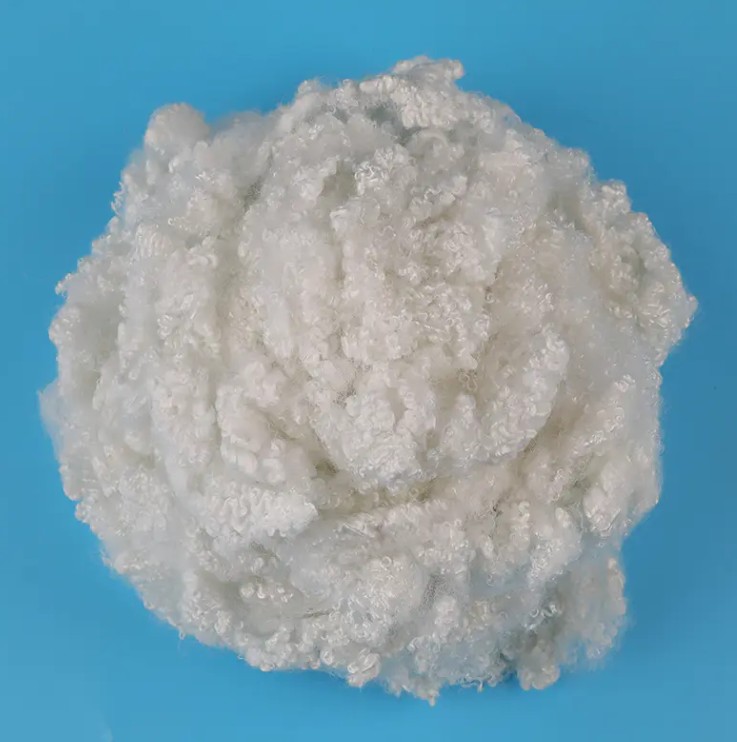
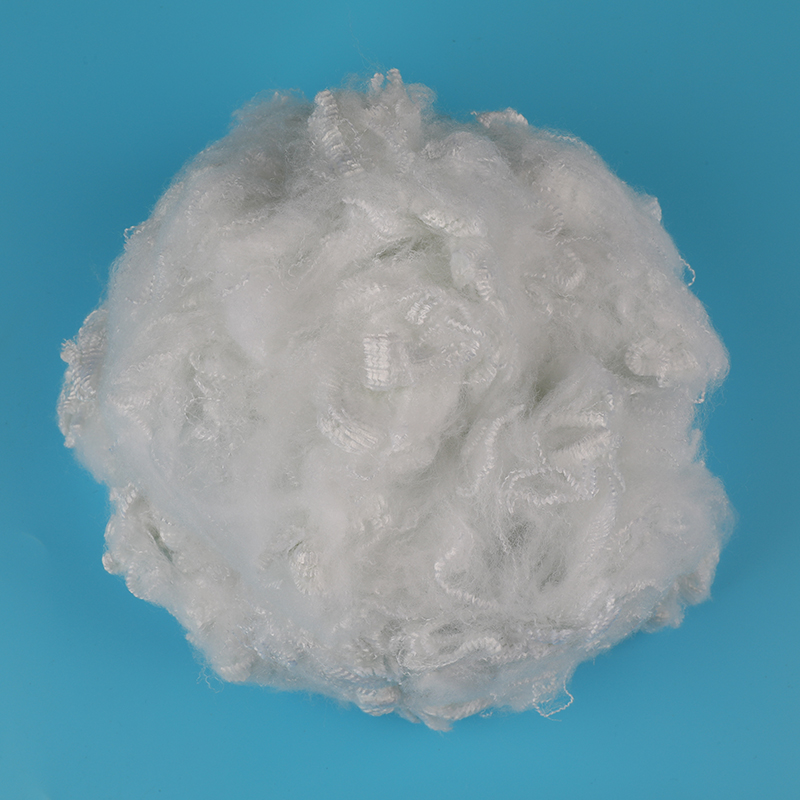
A 1.5D x 38 mm PE/PET single-hydrophilic fiber is a common topsheet choice in thin hygiene products because fine denier delivers softness with enough surface area for thermal bonding.
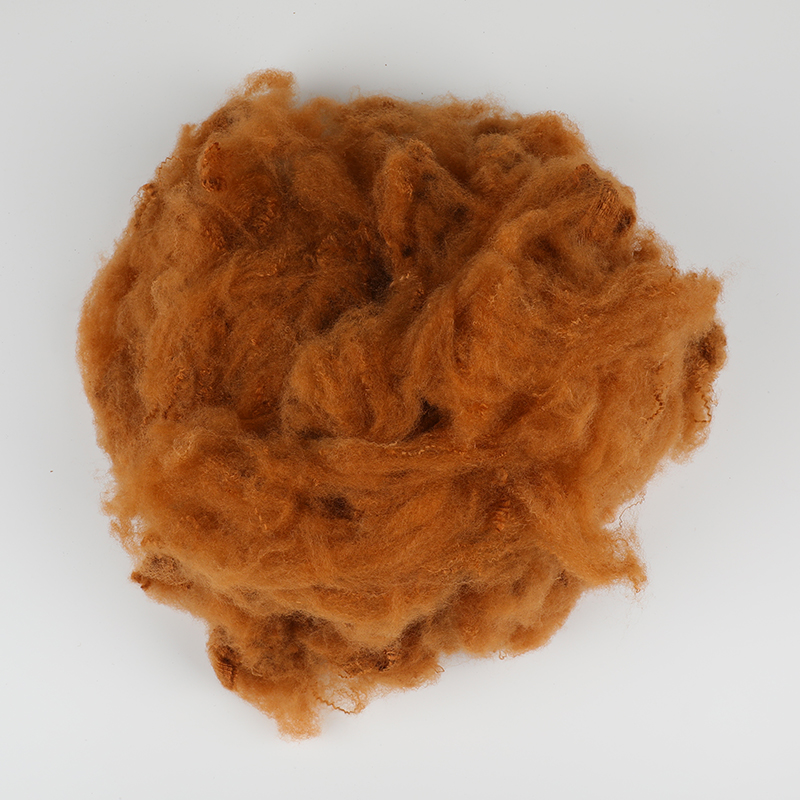
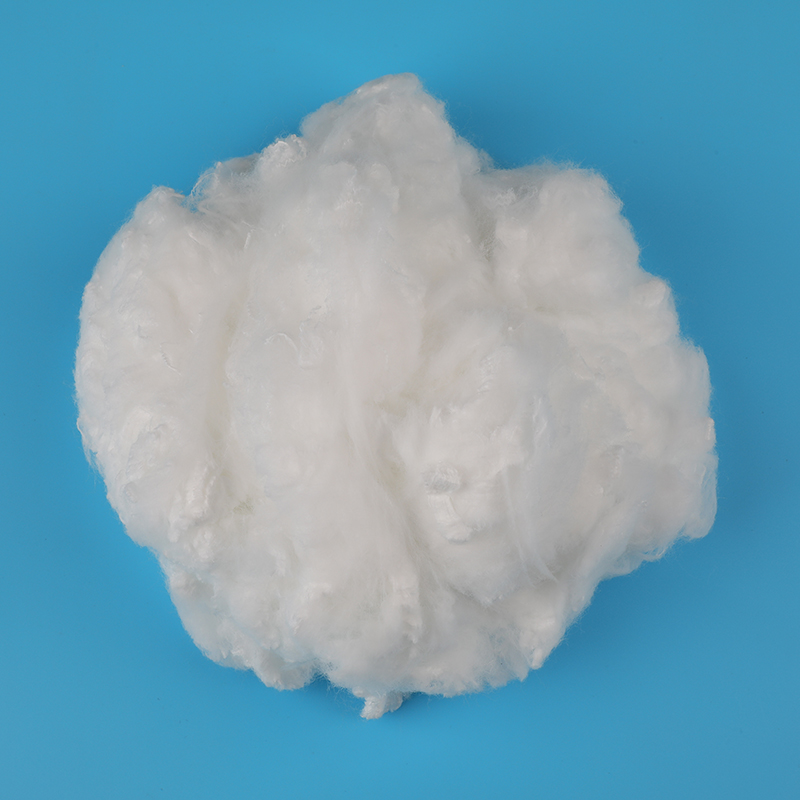 PE/PET Single Hydrophilic White 1.5D×38 Bi-Component Fiber for TopsheetThis fine-denier bico fiber suits thin hygiene topsheets, offering softness and thermal bonding area. Its sheath polymer governs hydrophilic anchoring and web bonding, making it a practical choice for reliable performance.View Product →
The sheath polymer, not the core, determines how a hydrophilic finish anchors and how the fiber bonds in the web.
In PE/PET bicomponent fiber, a PE sheath melting around 130 degrees Celsius wraps a PET core melting around 250 degrees Celsius. The sheath fuses during calendar bonding, forming strong point bonds without collapsing the core. In PE/PP bicomponent fiber, the PP core melting around 160 to 165 degrees Celsius is stiffer, so the fiber provides more bulk and resilience for thick acquisition layers.
Because the finish interacts only with the sheath surface, the polymer pair changes wetting behavior. PE accepts standard hydrophilic finishes well. PP has lower surface energy, so a PE/PP fiber usually needs a higher add-on or a more aggressive wetting agent to reach the same strike-through time. Whitening agents can slow wetting unless the formulation compensates.
| Property | PE/PET bicomponent fiber | PE/PP bicomponent fiber |
| Sheath / core | PE / PET | PE / PP |
| Sheath melting point | ~130 degrees Celsius | ~130 degrees Celsius |
| Core melting point | ~250 degrees Celsius | ~160-165 degrees Celsius |
| Fiber stiffness | Moderate | Higher |
| Finish anchoring | Standard hydrophilic agents | Higher add-on required |
| Typical layer role | Topsheet, thermal-bond base | Acquisition layer, high-bulk webs |
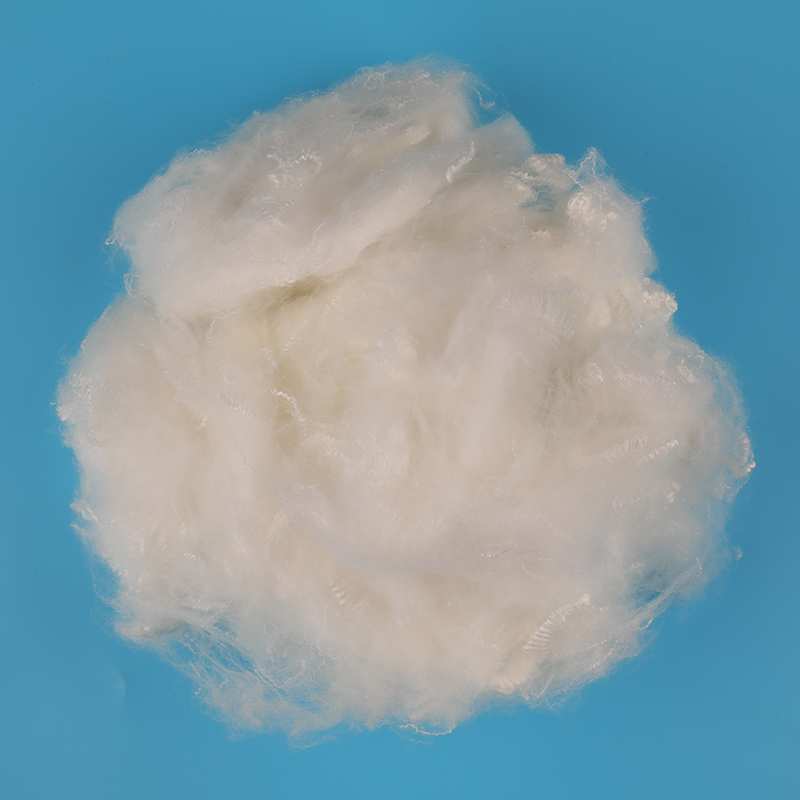
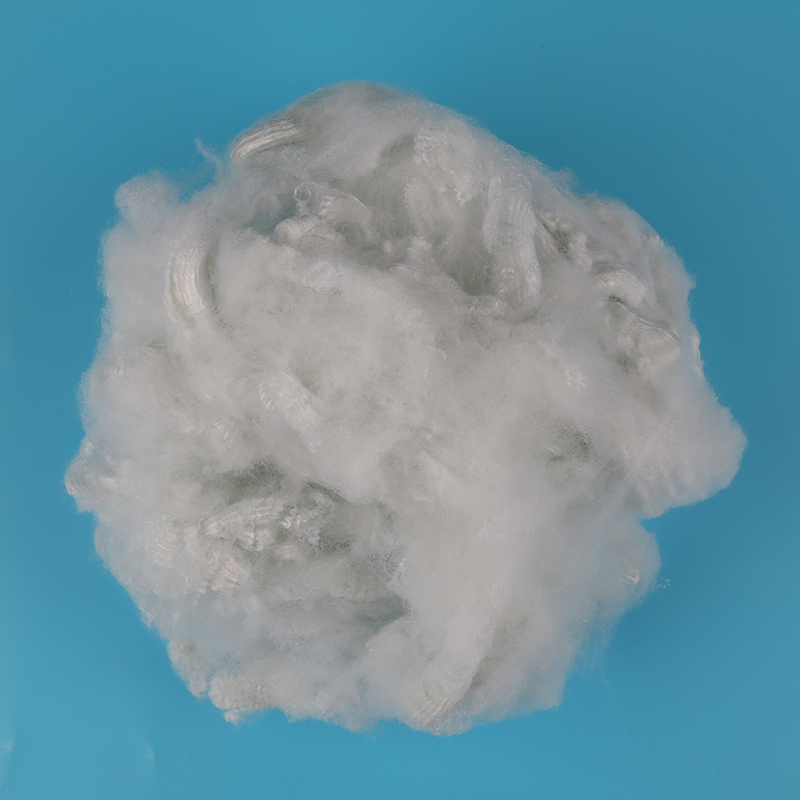
When whiteness and durable wetting are both required, a PE/PET multi-hydrophilic whitening fiber combines both properties in one specification.
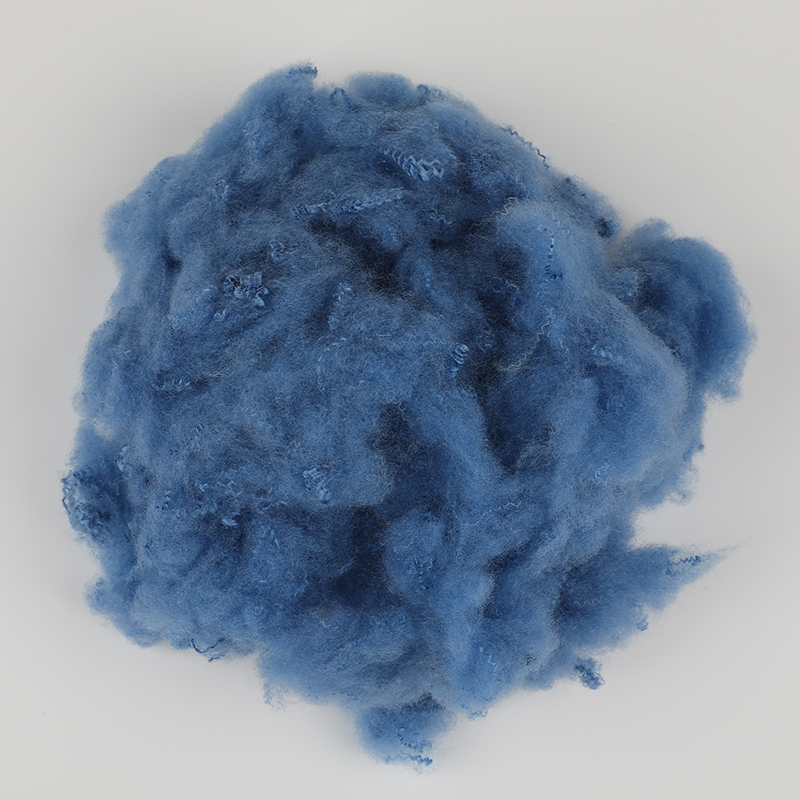
PE/PET Multi-Hydrophilic Whitening 1.5D×38 Bi-Component FiberCombining whiteness and durable wetting, this multi-hydrophilic fiber maintains stable strike-through across multiple insults, unlike single-hydrophilic types. Ideal when repeated liquid exposure and brightness are required in hygiene applications.View Product →Multi-hydrophilic finishes hold strike-through time nearly flat across three insults; single-hydrophilic finishes degrade sharply after the first insult.
Strike-through time by liquid insult (seconds)
The mechanism is direct. A single-hydrophilic finish is consumed or displaced by the first liquid contact, so the fiber surface drifts back toward its hydrophobic baseline. A multi-hydrophilic finish is anchored more durably, and its wetting agents resist migration into the liquid. The result appears in the third-insult numbers: a single finish can triple strike-through time, which produces rewet and surface-moisture complaints.
If the product test protocol includes a third insult, specify multi-hydrophilic bicomponent fiber. A single-hydrophilic finish typically exceeds 8 to 10 seconds of strike-through by the third insult, while a multi-hydrophilic finish holds under 3 seconds.
Both finish types are available across the full 1.5D to 6D denier range, in 38 mm and 51 mm cut lengths, and can be combined with white, whitening, or water-repellent variants.
Supply risk sits in finish consistency, not in the polymer. A supplier that cannot state its finish add-on range will struggle to hold strike-through stable across bales. Verify incoming lots with a repeated-drop test: form a 5 g web, drop 5 mL of water, and record strike-through time for three insults. Multi-hydrophilic fiber should hold under 3 seconds on the third drop; single-hydrophilic fiber will rise sharply.
Jiaxing Fuda Chemical Fibre Factory has produced bicomponent fiber since 1995 and operates four composite fiber lines with 40,000 tons of annual composite staple capacity. Its bicomponent fiber series covers both single-hydrophilic and multi-hydrophilic PE/PET and PE/PP products in white and whitening grades. Write the finish type and add-on value into every purchase order.
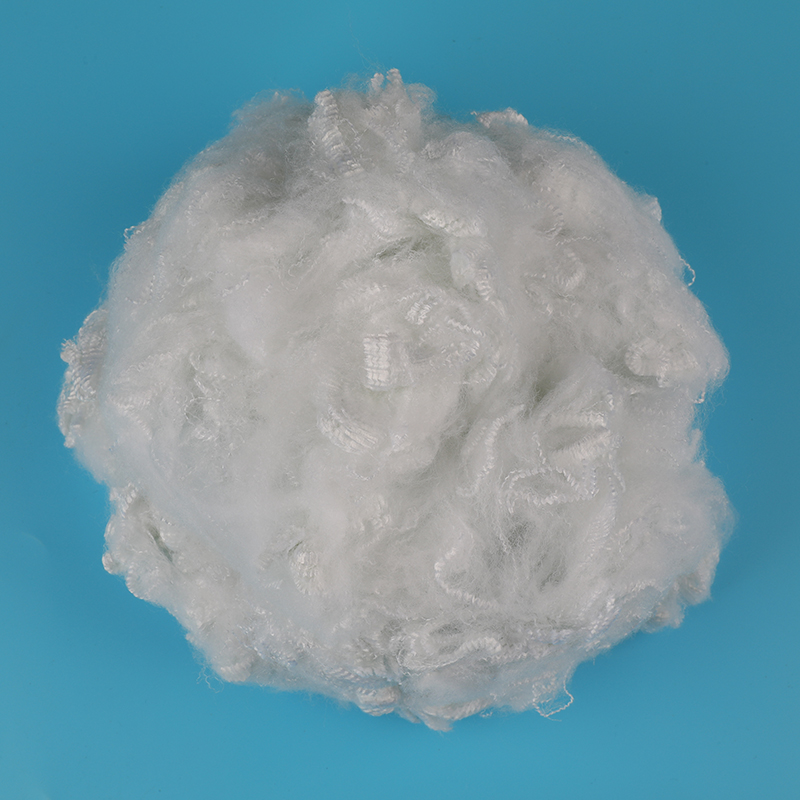
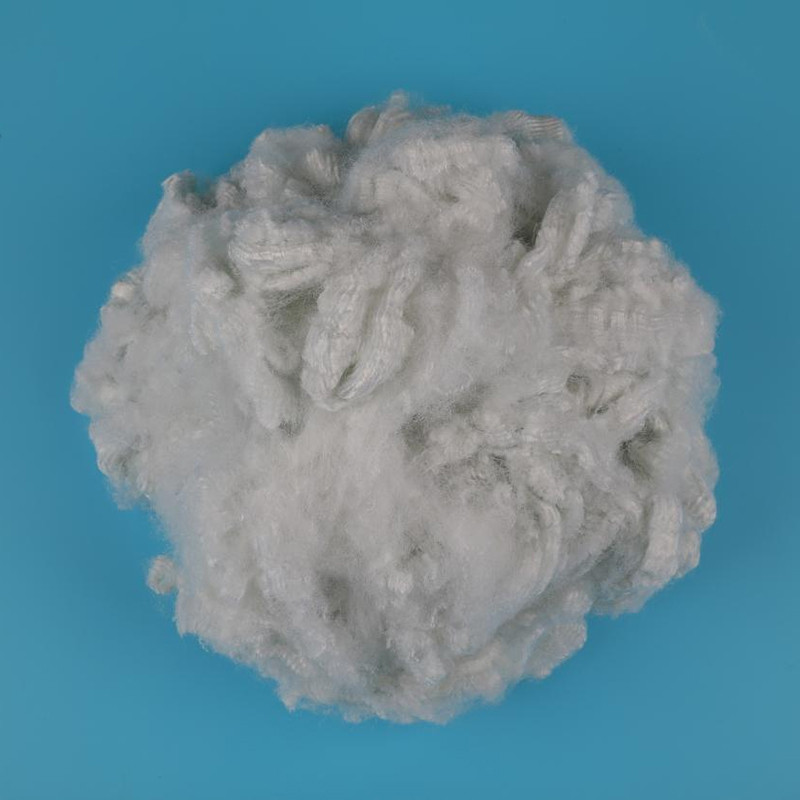
For bulky acquisition-layer constructions, a PE/PP multi-hydrophilic white 2D x 38 mm fiber balances resilience with durable wetting.
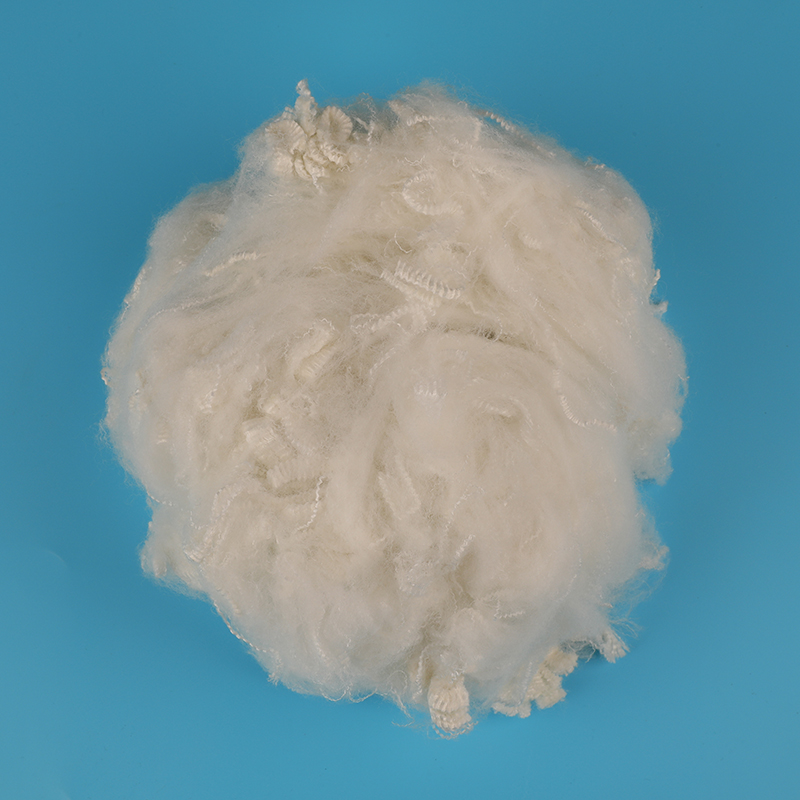
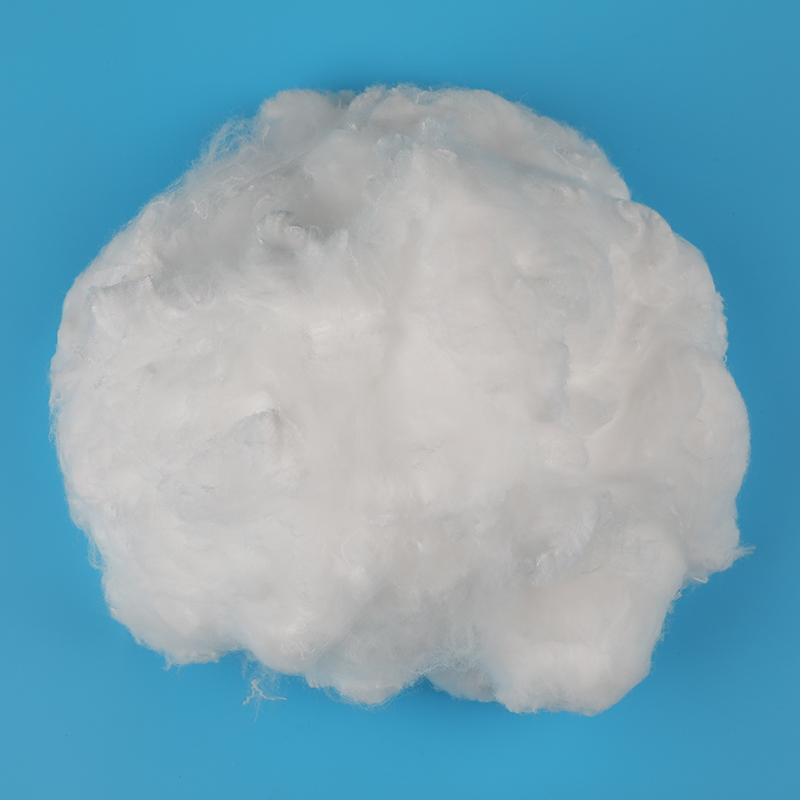 PE/PP Multi-Hydrophilic White 2D×38 Bi-Component Fiber for Acquisition LayerDesigned for bulky acquisition layers, this coarser bico fiber balances resilience with lasting hydrophilicity. Its multi-hydrophilic finish supports sustained fluid handling, making it effective for layered hygiene constructions requiring durable wetting.View Product →
Selection shortcut: topsheet uses single-hydrophilic PE/PET. Acquisition layer uses multi-hydrophilic PE/PET or PE/PP. Double-duty top-plus-ADL designs should use multi-hydrophilic on both layers.
Yes. Multi-hydrophilic fiber also reaches a fast first strike-through, so it works in a topsheet. The penalty is cost: the durable finish chemistry and higher add-on add no value when the layer is wet only once per product life.
Build a small web and run a three-insult strike-through test. Multi-hydrophilic fiber stays under roughly 3 seconds on the third insult; single-hydrophilic fiber usually climbs past 6 to 10 seconds. Cross-check with the supplier's finish add-on documentation.
Whitening with titanium dioxide can slow wetting slightly because the pigment changes the fiber surface. A well-formulated whitening grade compensates by adjusting the wetting-agent package, so specify whiteness and wetting targets together.
It can. Low-molecular-weight wetting agents migrate or oxidize over time, especially in warm, humid warehouses. Test finished bales within six months and keep storage sealed and dry to protect strike-through performance.
Your email address will not be published. Required fields are marked *

Focusing to the research and production of differentiated fiber. Applying recycle-material processing scientifically.
 86-18457317878
Zhulinjizhen, Xinfeng Town, Jiaxing City, Zhejiang Province
Copyright @ 2023 Jiaxing Fuda Chemical Fibre Factory All rights reserved
Polyester Staple Fiber Manufacturers

Friendship link - Anhui Fulin Environmental Protection Technology Co., Ltd.:https://www.ahflhb.com