en
en  English
 中文简体
中文简体 Español
 عربى
عربى
Product Consultation
Your email address will not be published. Required fields are marked *
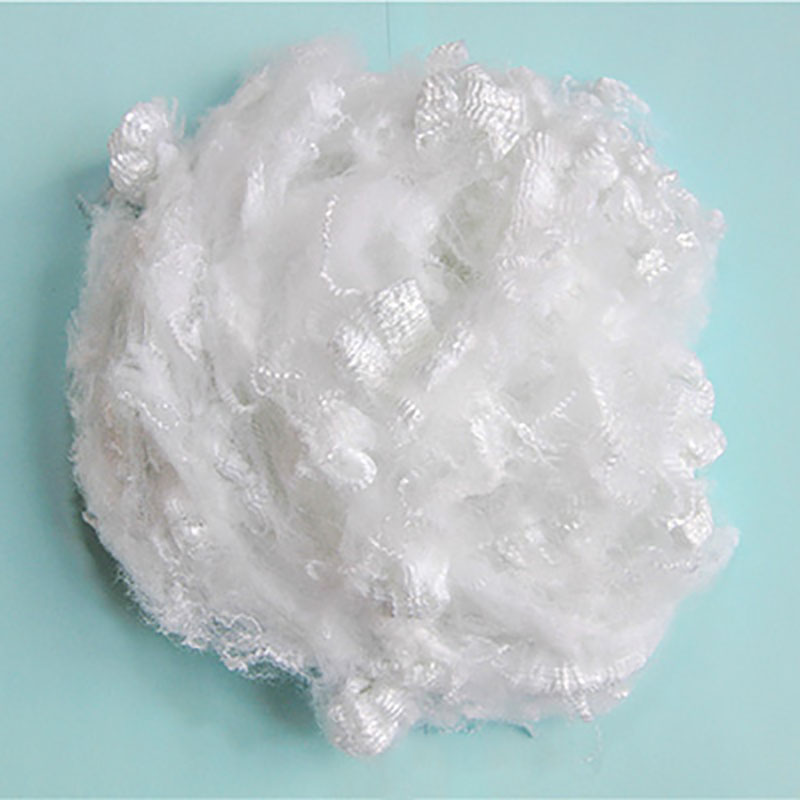
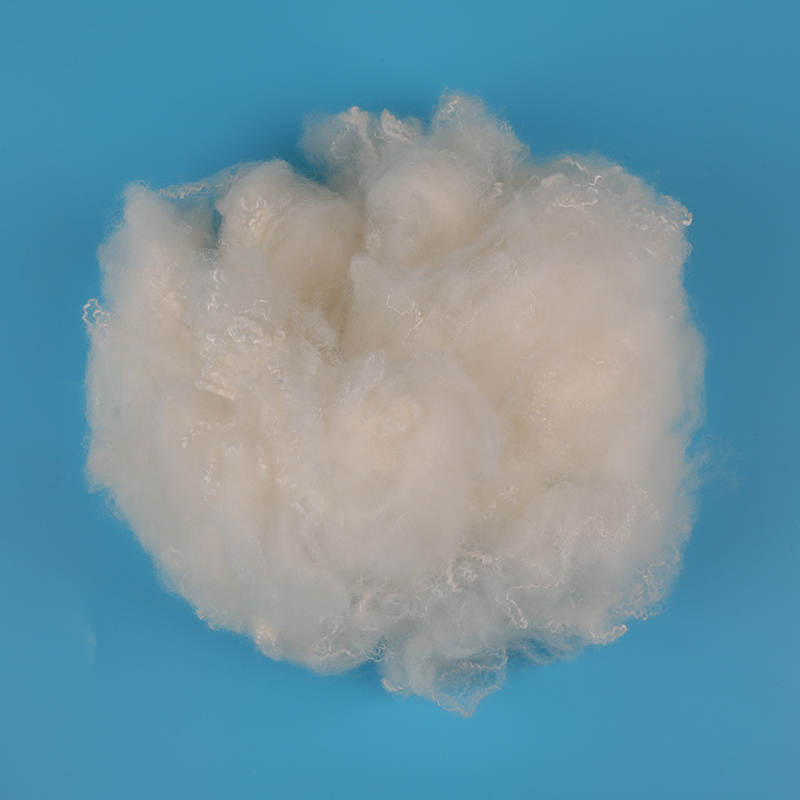
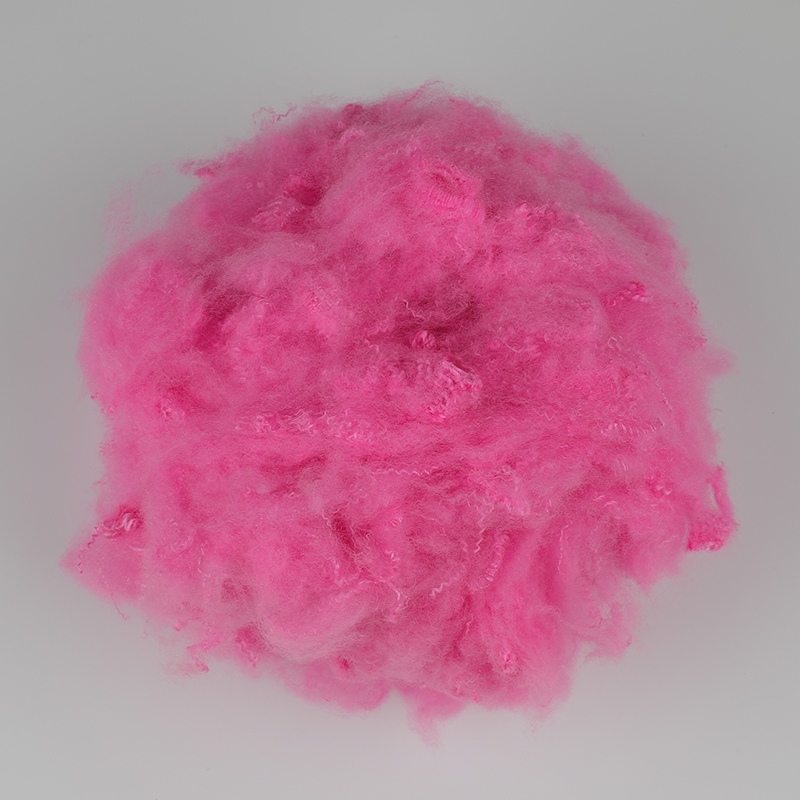
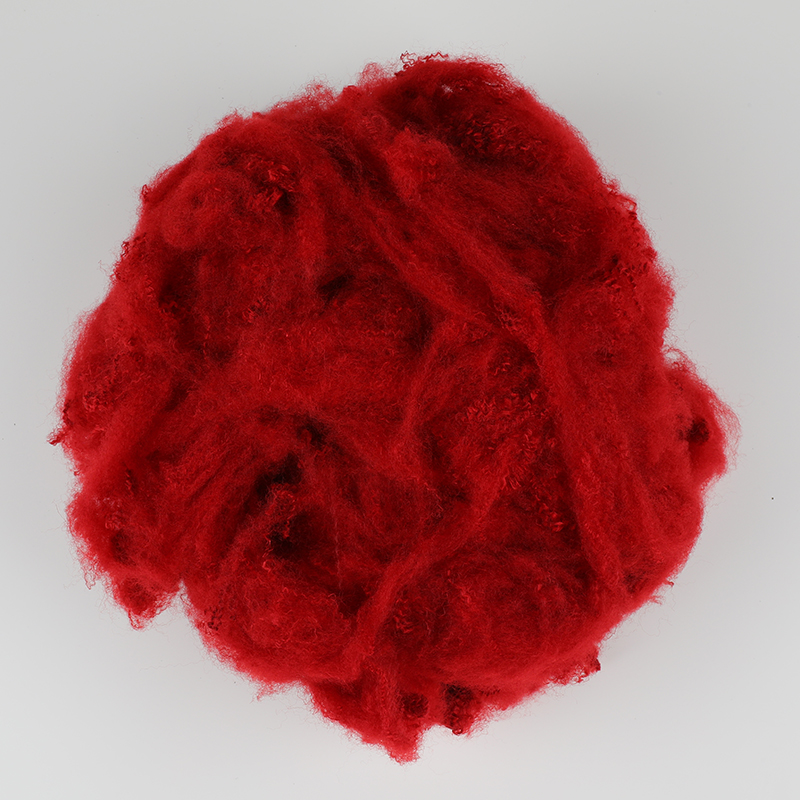
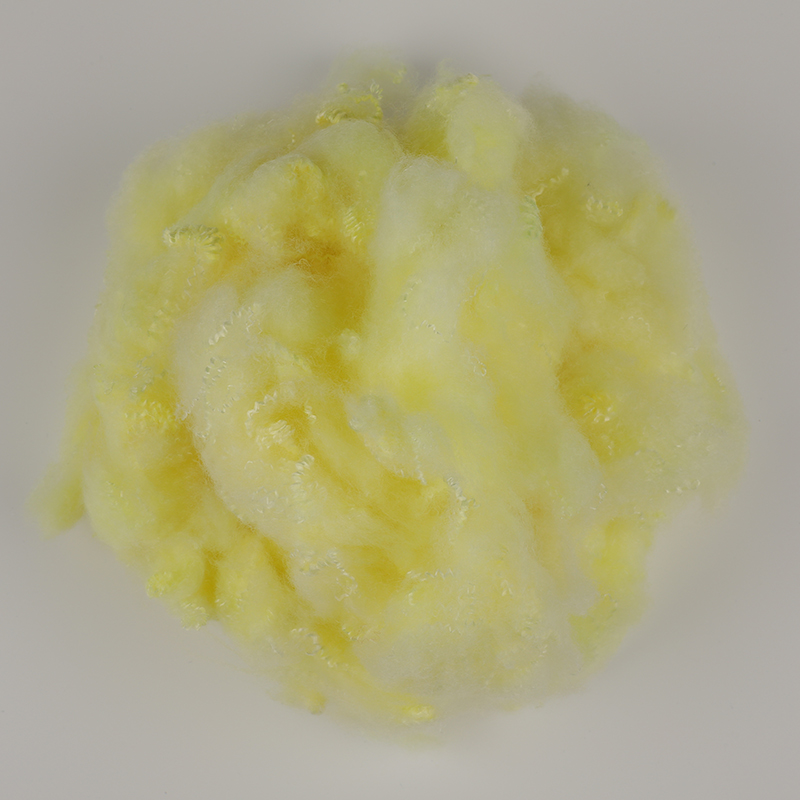
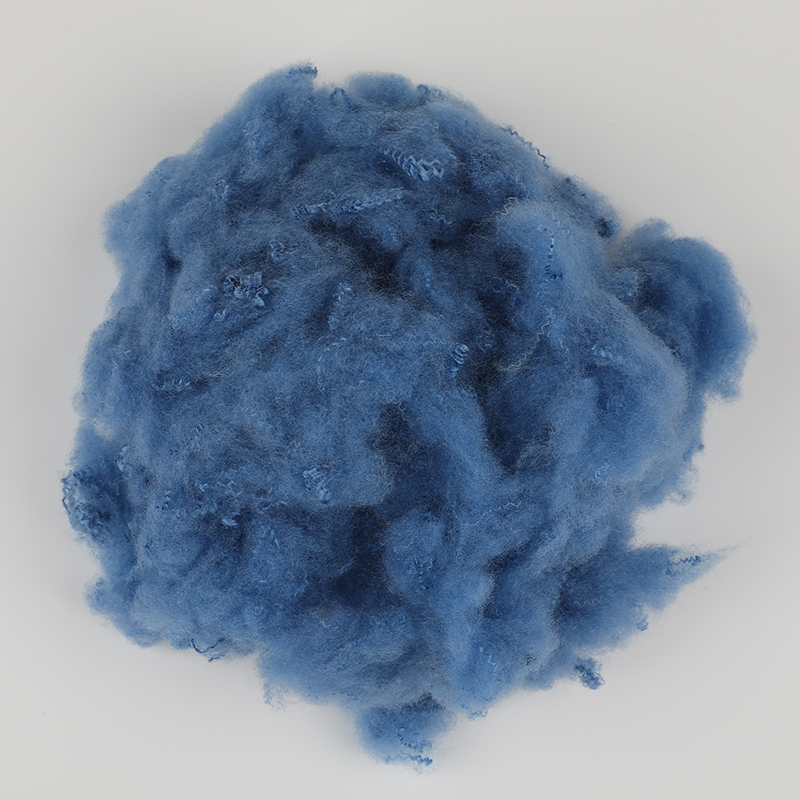
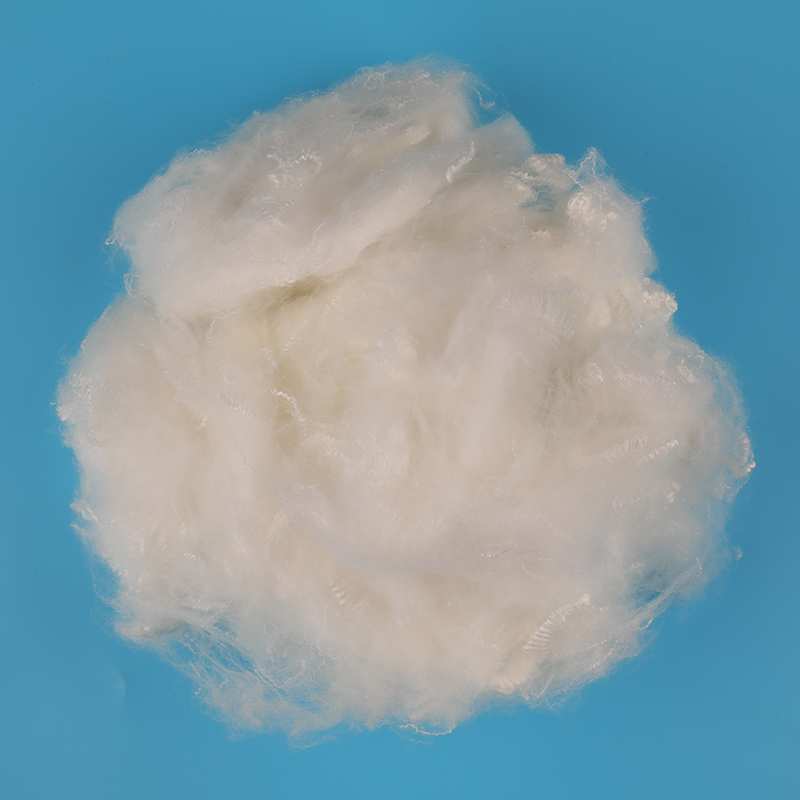
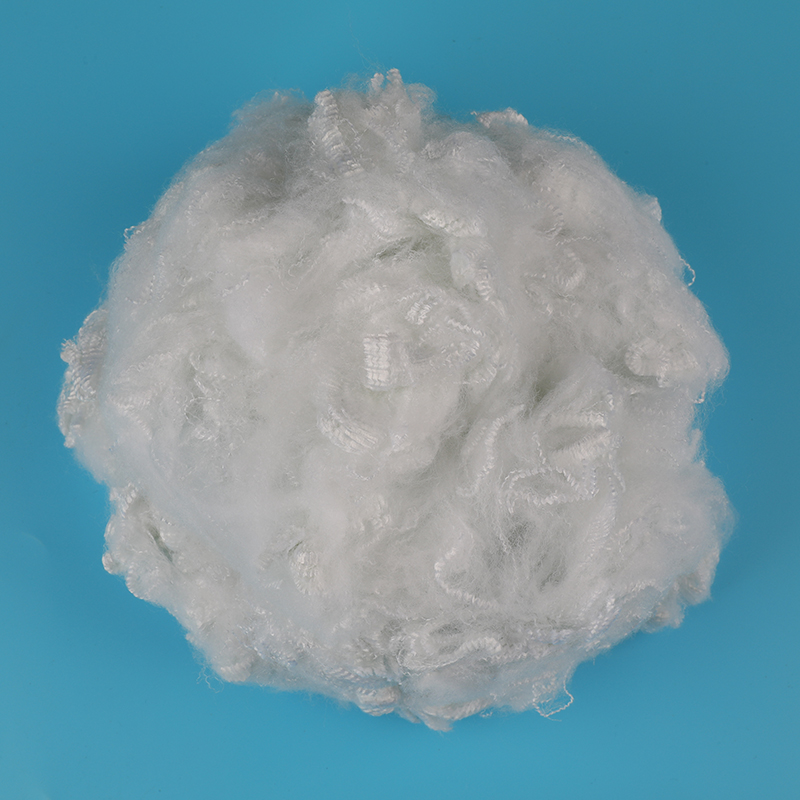
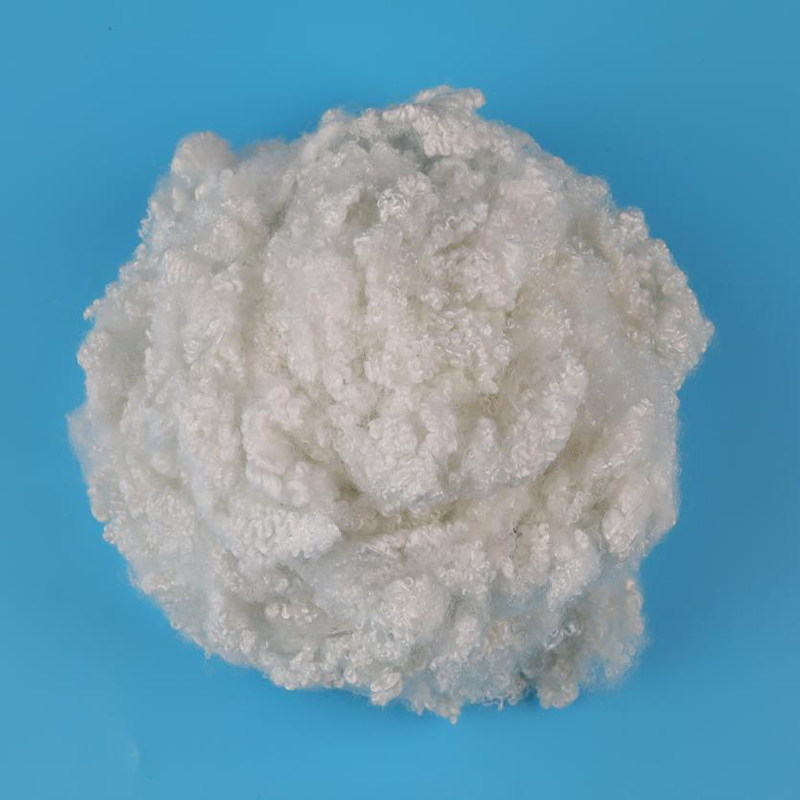
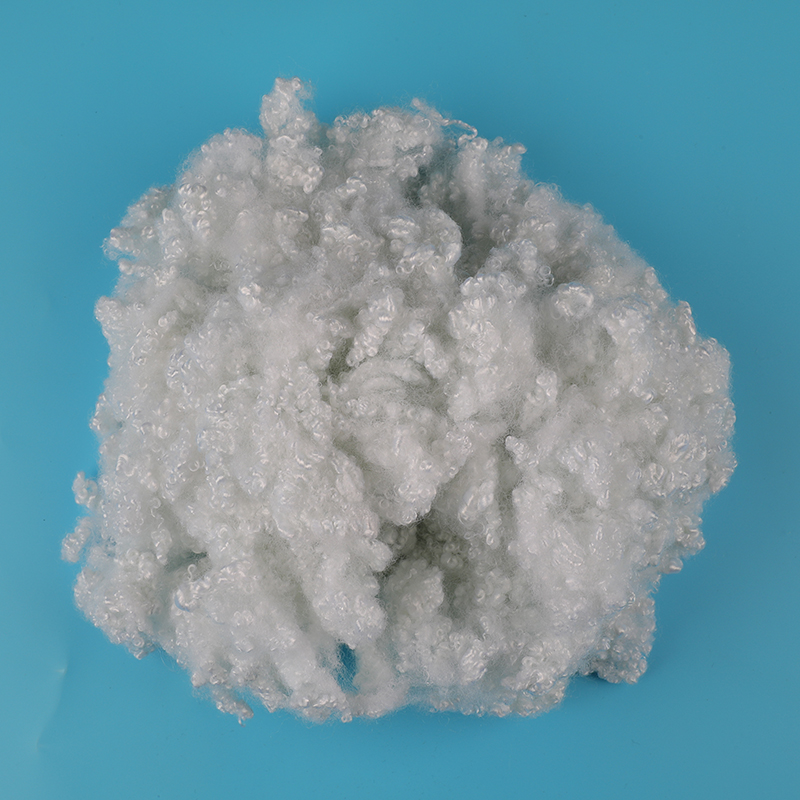
Polyester Staple Fiber (PSF) is the workhorse of nonwovens, filling, and spun yarns. Its true value lies in the “process – profile – finish” triangle. Beyond branding, PSF competitiveness is built on cost-effective recycling streams and differentiated functionality — not on fine numerical grades.
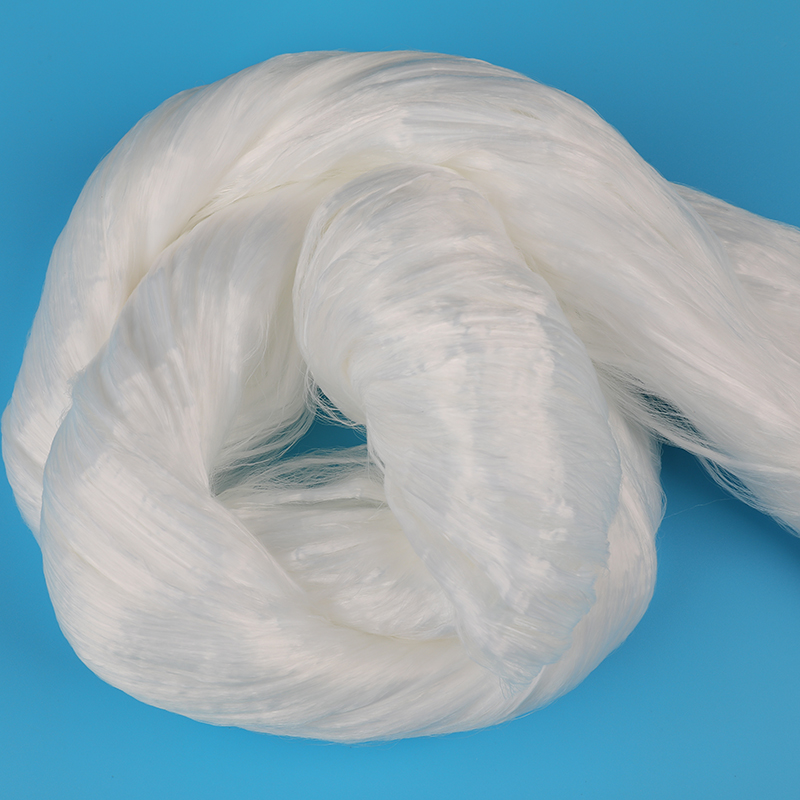
PSF is short, cut filaments from continuous polyester tow, typically 3 mm to 80 mm in length. Unlike continuous filament, PSF is designed for open-end spinning, air-laid, needle-punch, and wet-laid processes. The key performance differentiators are not just denier and cut length, but cross-section shape (round, trilobal, hollow, flat, or dog-bone) and surface finish (hydrophilic, antistatic, flame-retardant, or low-friction).
Two primary routes dominate PSF production: virgin (PET chip) spinning and recycled (bottle/flake) spinning. Each route dictates fiber strength, color consistency, and thermal stability.
| Attribute | Virgin (chip) | Recycled (flake) |
|---|---|---|
| Tensile (cN/dtex) | Higher, more uniform | Slightly lower, wider spread |
| Thermal stability | Excellent (melting onset >250 °C) | Moderate (additives may reduce) |
| Color/whiteness | High brightness, consistent | Slightly off-white/greyish, variable |
| Eco‑footprint | Higher CO₂, virgin resources | Lower CO₂, circular potential |
A practical rule: For nonwoven geotextiles or automotive carpets, recycled PSF offers cost and sustainability advantages. For fine-count spun yarns (e.g., 20 Ne or finer), virgin or high-quality recycled PSF is preferred to minimise breakage.
PSF is not a single product — it's a platform. The choice of denier, cut length, crimp, and finish defines its end-use. Below are the most volume‑driven applications with functional reasoning.
Instead of fixating on precise numbers (e.g., 2.8 cN/dtex vs 3.2 cN/dtex), focus on the “three Cs”: Crimp (cohesion and bulk), Cut length (process compatibility), and Finish (spin finish or hydrophilic oil). Here is a decision matrix for common scenarios.
| End‑use | Denier (range) | Crimp level | Finish priority |
|---|---|---|---|
| Spunlace wipes | 0.8 – 1.2 | Low crimp | Hydrophilic, low‑friction |
| Needle‑felt carpets | 6 – 15 | Medium‑high | Antistatic, durable |
| Filling (pillow/duvet) | 6 – 9 (hollow) | High crimp | Silicone or antistatic |
| Ring‑spun knitwear | 1.2 – 1.5 | Medium crimp | Low‑oil, high‑strength |
PSF is often criticised for microplastic shedding, but the industry is shifting toward closed‑loop mechanical recycling and chemical depolymerisation. The most practical near‑term strategy is “design for recyclability” — using mono‑material PSF nonwovens that can be reprocessed without separation.
A practical takeaway: Instead of demanding “100 % recycled” blindly, specify “recycled content with controlled IV (intrinsic viscosity)” — this ensures processability and end‑product durability. Many converters now accept 30 – 50 % recycled PSF blended with virgin for critical applications without compromising performance.
Based on mill‑level feedback, here are three frequent pitfalls and how to avoid them.
Innovation in PSF is moving beyond commodity grades toward intrinsic functionality — flame‑retardant (phosphorus‑based), antistatic (carbon‑black core), and even bio‑based polyester (from PDO or FDCA). These are not lab curiosities; pilot lines already produce 1 – 2 tonne batches for automotive and protective clothing.
For most buyers, the pragmatic path is to partner with converters who offer “tailored PSF” — adjusting crimp level, cut length, and finish oil in 500 kg to 2 tonne lots. This avoids over‑specification and reduces lead time.
Final insight: Polyester staple fiber is not a generic commodity. Its value is unlocked by matching process, profile, and finish to the actual end‑use. Focus on crimp, cut length, and finish type — not on fine numerical specs — and you will consistently achieve better conversion and product performance.
Can non-woven materials be recycled into new products?
2026-08-10
How does the thermal bonding process work for composite ES fiber?
2026-08-24Your email address will not be published. Required fields are marked *

Focusing to the research and production of differentiated fiber. Applying recycle-material processing scientifically.
 86-18457317878
Zhulinjizhen, Xinfeng Town, Jiaxing City, Zhejiang Province
Copyright @ 2023 Jiaxing Fuda Chemical Fibre Factory All rights reserved
Polyester Staple Fiber Manufacturers

Friendship link - Anhui Fulin Environmental Protection Technology Co., Ltd.:https://www.ahflhb.com