en
en  English
 中文简体
中文简体 Español
 عربى
عربى
Product Consultation
Your email address will not be published. Required fields are marked *
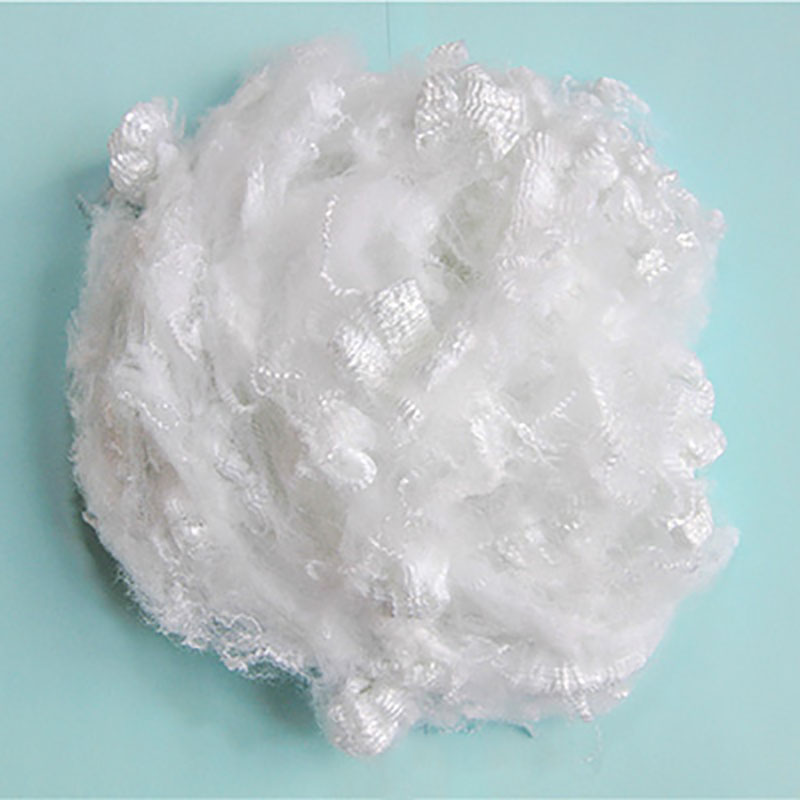
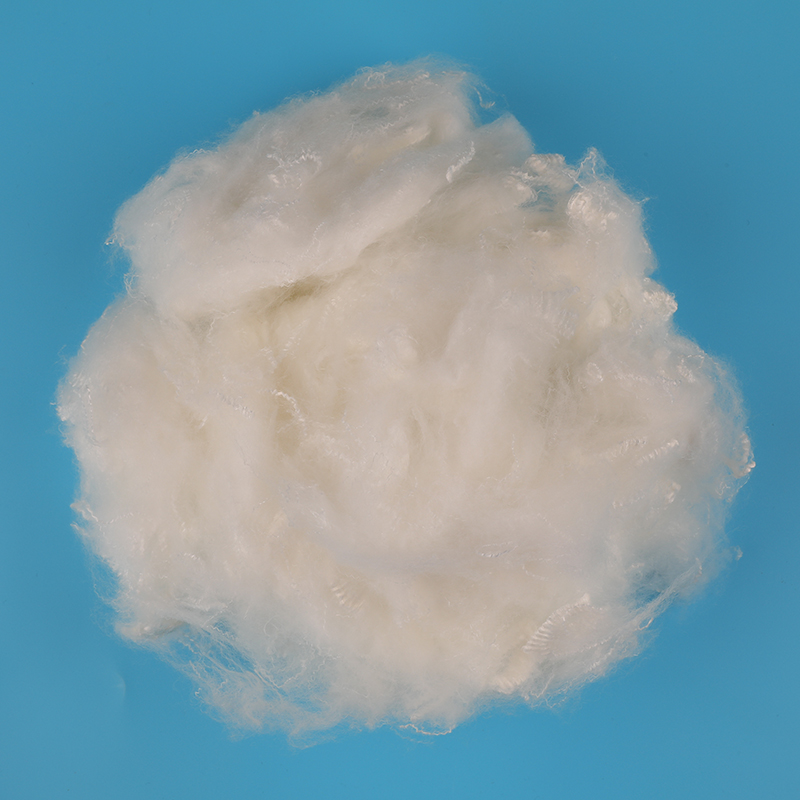
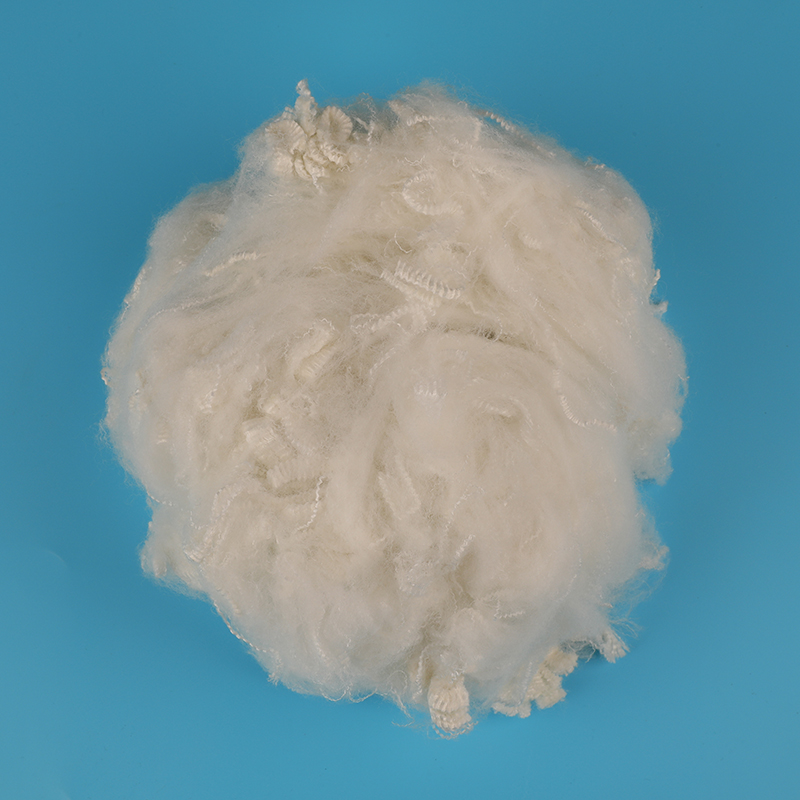
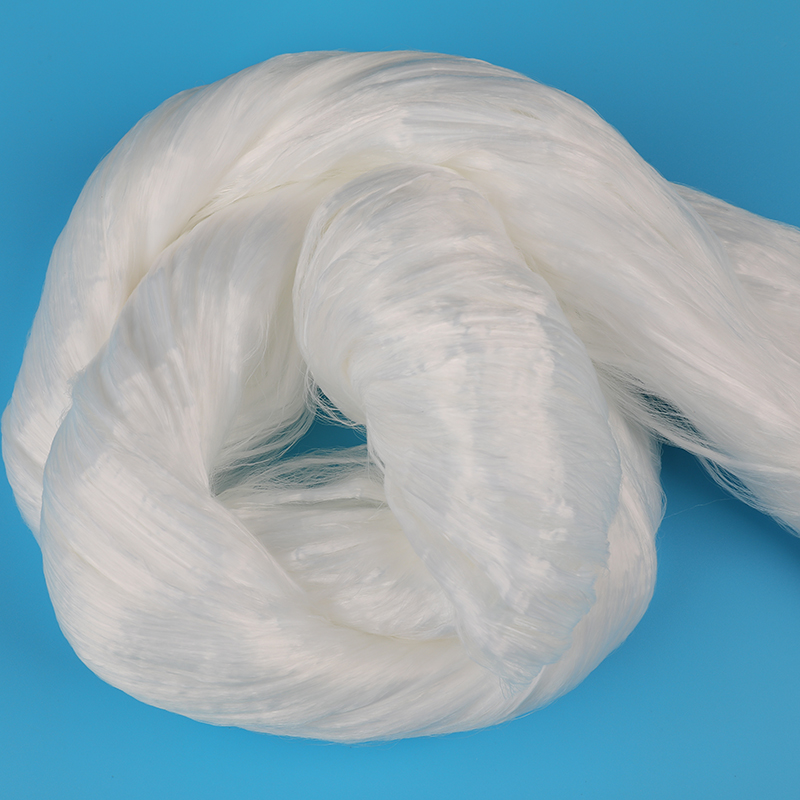
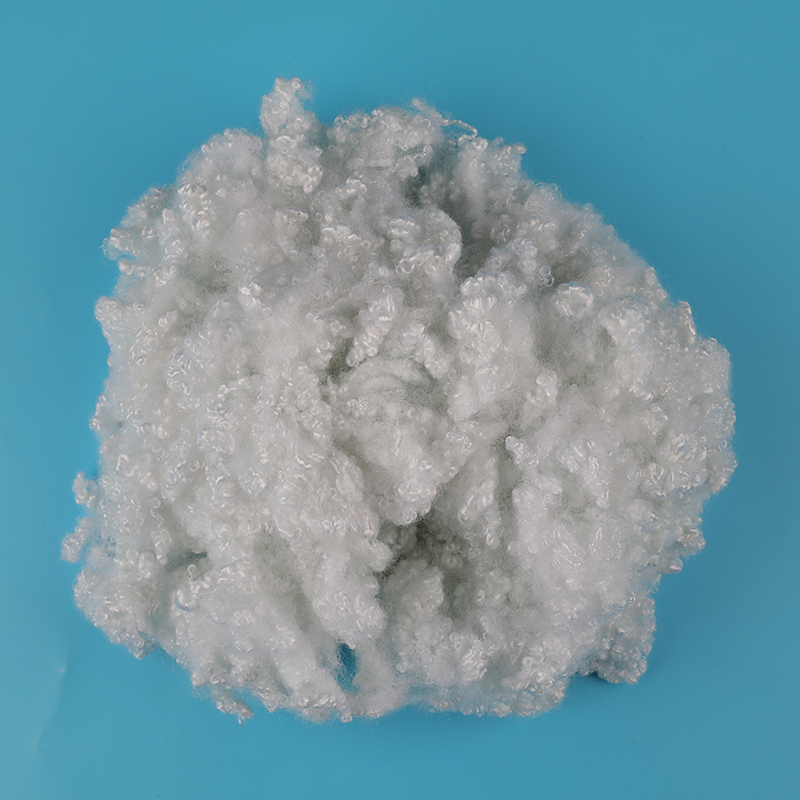
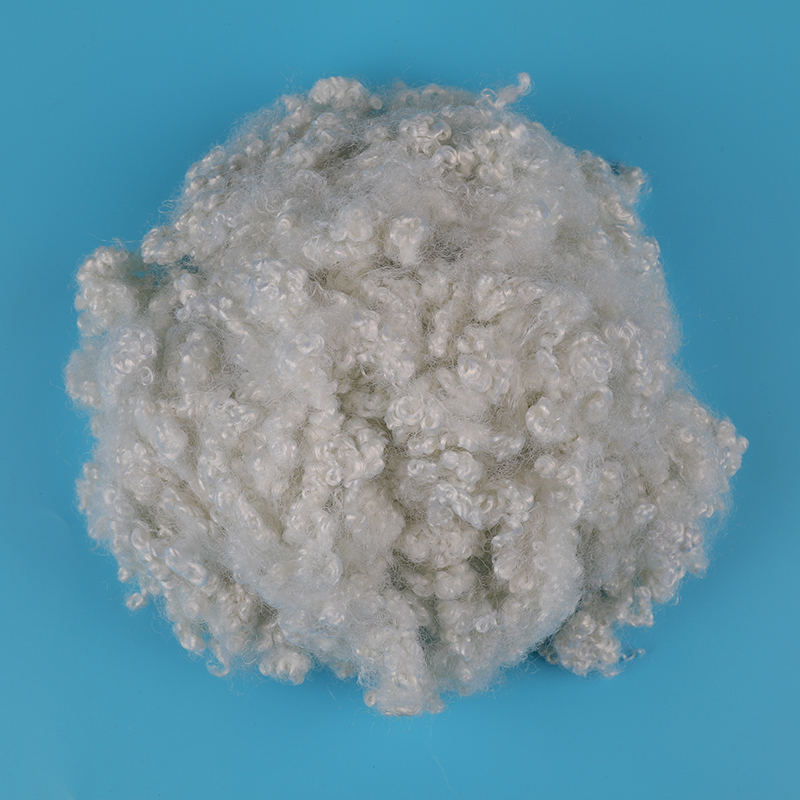
Composite ES fiber is a highly advanced bicomponent synthetic fiber specifically engineered for thermal bonding applications in the nonwoven fabric industry. By combining two different polymers into a single fiber structure—typically a polyethylene sheath and a polypropylene core—this material provides an optimal balance of exceptional softness, high tensile strength, and reliable thermal adhesion. It serves as the foundational material for manufacturing premium hygiene products, medical textiles, and specialized filtration media, offering superior performance compared to traditional single-component fibers.
The defining characteristic of composite ES fiber lies in its innovative structural design. Unlike standard fibers that consist of a single polymer, ES fibers utilize a sheath-core configuration. The outer layer, or sheath, is typically made of polyethylene (PE), which has a lower melting point. The inner layer, or core, consists of polypropylene (PP), which maintains a higher melting point.
This dual-polymer structure is critical to its functionality. When subjected to heat during the manufacturing process, the PE sheath melts and acts as a thermal adhesive, binding adjacent fibers together at their intersection points. Meanwhile, the PP core remains solid and intact, preserving the structural integrity and mechanical strength of the fiber network. This targeted melting behavior ensures that the fabric achieves strong inter-fiber bonding without compromising its bulk or flexibility.
The adoption of composite ES fiber in nonwoven manufacturing is driven by several distinct advantages that address the limitations of conventional fibers. These benefits translate directly into enhanced end-product quality.
By utilizing this bicomponent technology, manufacturers can achieve a reduction in fabric weight by up to 20% while maintaining the same mechanical performance, leading to substantial material savings and more sustainable production cycles.
The transformation of composite ES fiber into a functional nonwoven fabric involves several precise stages. The most critical phase is the thermal bonding process, which activates the adhesive properties of the fiber's sheath.
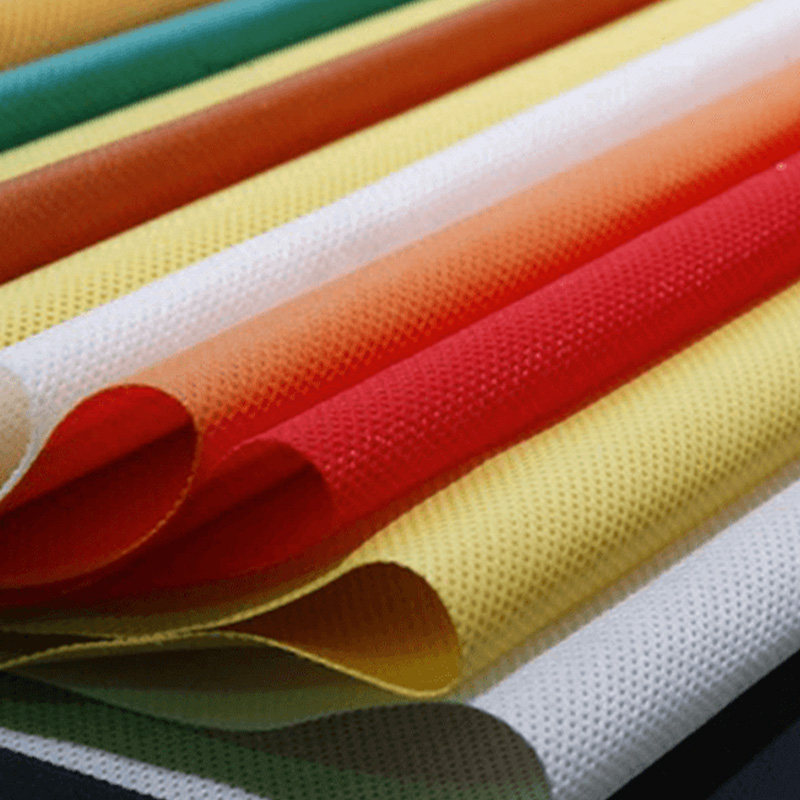
Initially, the fibers are carded to align them in a specific direction, forming a loose, uniform web. This web is then layered to achieve the desired fabric density and thickness. The consistency of this web directly affects the final fabric's uniformity and strength.
While calendering (using heated rollers) is an option, through-air bonding is the preferred method for ES fibers in high-end applications. Hot air is passed through the fiber web, melting the PE sheath uniformly. This method avoids compressing the fabric, resulting in a loftier, bulkier, and softer textile that is highly sought after in premium hygiene items.
The unique properties of composite ES fiber have enabled its penetration into various industries that require specialized nonwoven solutions.
The largest consumer of ES fiber is the hygiene sector. It is extensively used in the top sheets, acquisition distribution layers, and back sheets of disposable diapers, sanitary napkins, and adult incontinence products. The softness prevents skin irritation, while the structural integrity ensures leak prevention.
In the medical field, nonwovens made from ES fibers are used for surgical drapes, gowns, and masks. The fabric provides a reliable bacterial barrier while remaining breathable and comfortable for extended wear. The ability to sterilize these fabrics without losing structural integrity is a significant advantage.
ES fibers are increasingly utilized in air and liquid filtration systems. The customizable fiber diameter and bulkiness allow for the creation of highly porous structures that trap particulates efficiently without severely restricting airflow.
To fully understand the value proposition of composite ES fiber, it is helpful to compare its performance metrics against traditional single-component polypropylene fibers commonly used in nonwovens.
| Property | Composite ES Fiber | Traditional PP Fiber |
|---|---|---|
| Softness | High | Moderate to Low |
| Bonding Mechanism | Thermal (Sheath Melting) | Chemical or Mechanical |
| Fabric Bulk and Loft | Excellent | Low |
| Environmental Impact | Lower (Chemical-free bonding) | Higher (Binders required) |
As demonstrated, the thermal bonding capability of ES fiber eliminates the need for chemical binders, making the production process more environmentally friendly and the final product safer for sensitive applications.
The evolution of composite ES fiber is heavily focused on sustainability and performance enhancement. Future developments are expected to focus on integrating bio-based polymers into the fiber structure. Researchers are actively exploring polylactic acid (PLA) and other biodegradable materials to create a new generation of ES fibers that offer the same thermal bonding capabilities but with a significantly reduced carbon footprint. Additionally, advancements in nanotechnology may allow for the incorporation of active antimicrobial agents directly into the sheath layer, opening new possibilities for advanced medical textiles.
What Are the Key Differences Between Virgin and Recycled Polyester Staple Fiber?
2026-08-17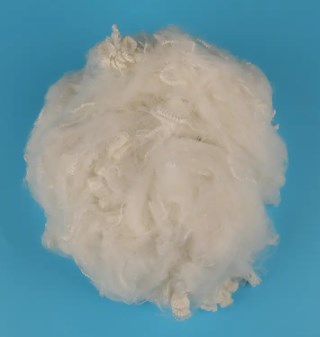
Virgin vs Recycled PSF: Performance Comparison for Nonwoven, Filling, Spinning
2026-09-03Your email address will not be published. Required fields are marked *

Focusing to the research and production of differentiated fiber. Applying recycle-material processing scientifically.
 86-18457317878
Zhulinjizhen, Xinfeng Town, Jiaxing City, Zhejiang Province
Copyright @ 2023 Jiaxing Fuda Chemical Fibre Factory All rights reserved
Polyester Staple Fiber Manufacturers

Friendship link - Anhui Fulin Environmental Protection Technology Co., Ltd.:https://www.ahflhb.com