en
en  English
 中文简体
中文简体 Español
 عربى
عربى
Product Consultation
Your email address will not be published. Required fields are marked *
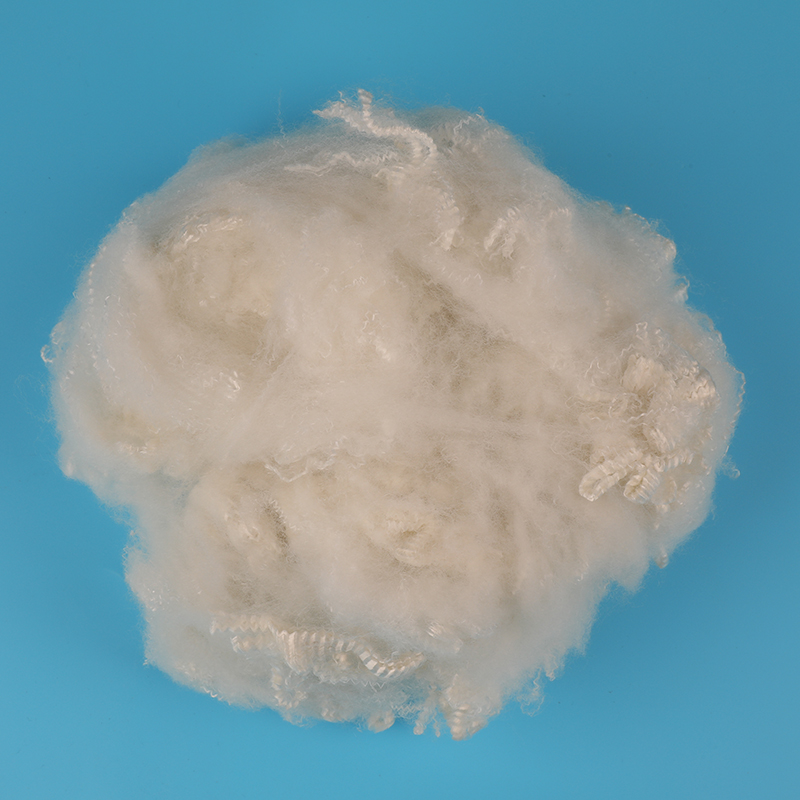
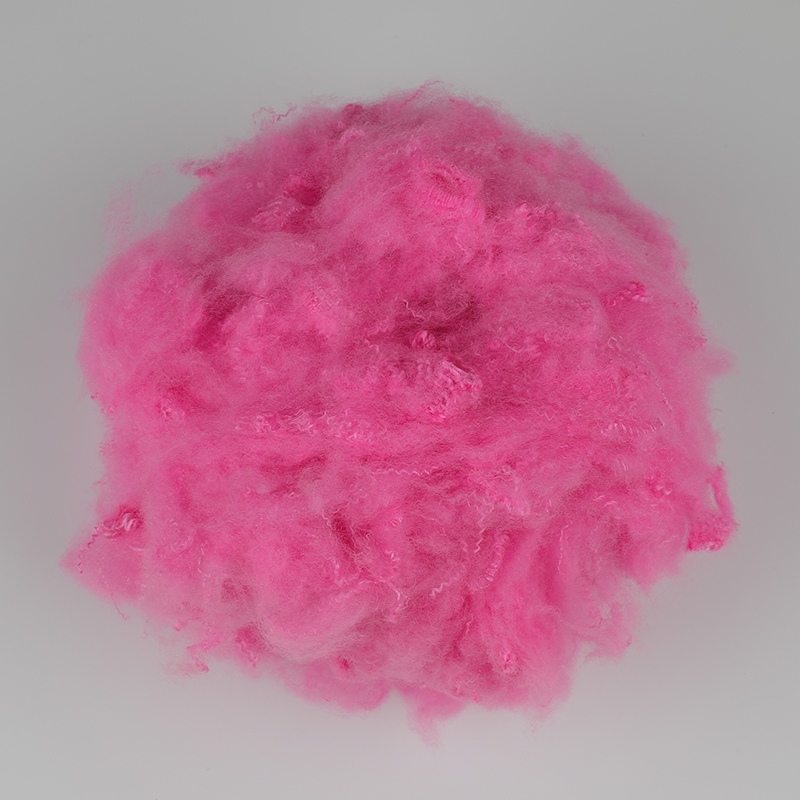
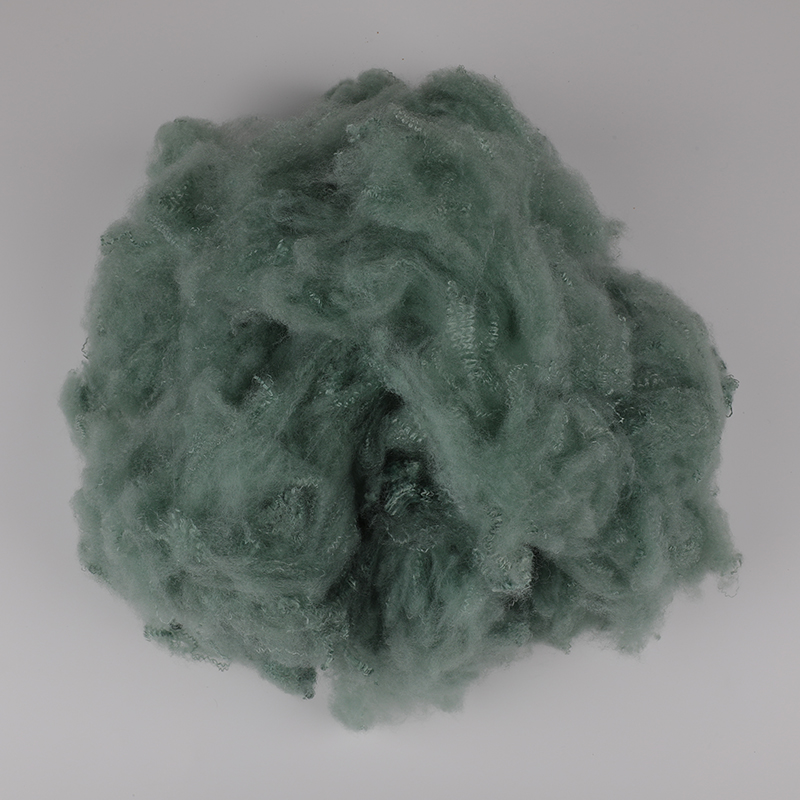
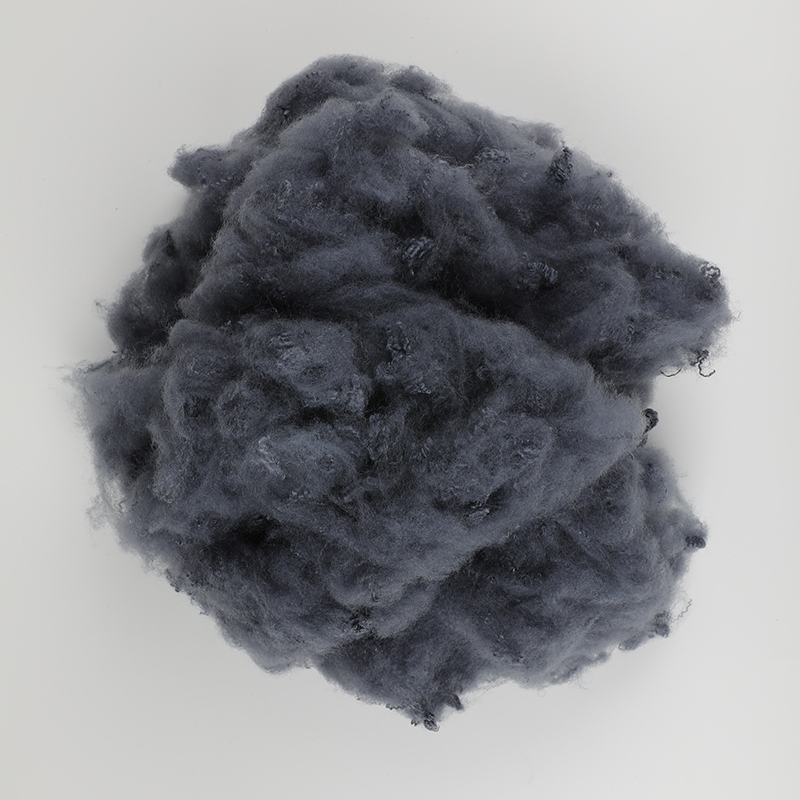
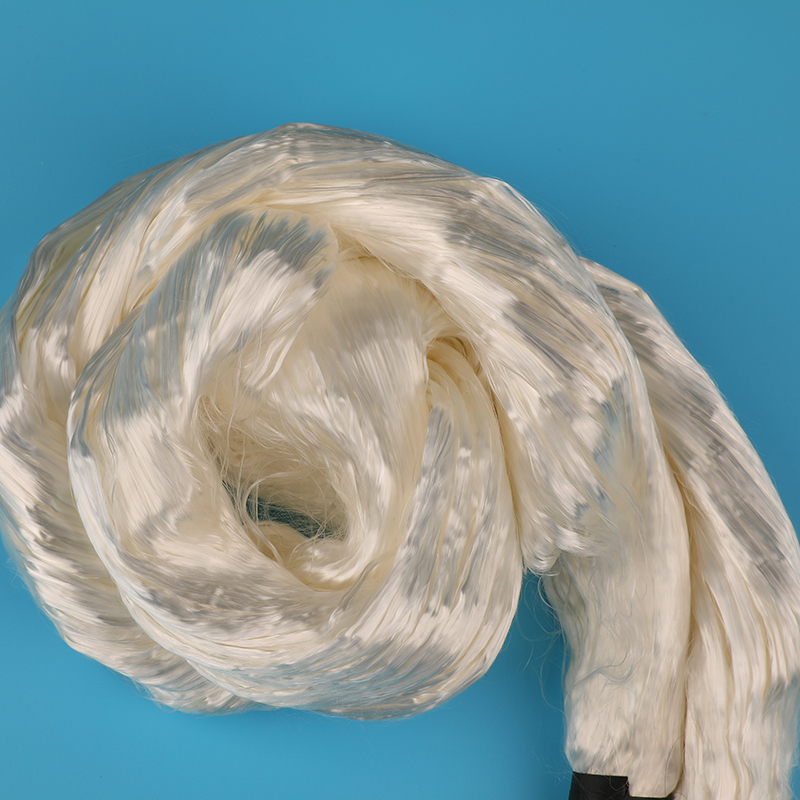
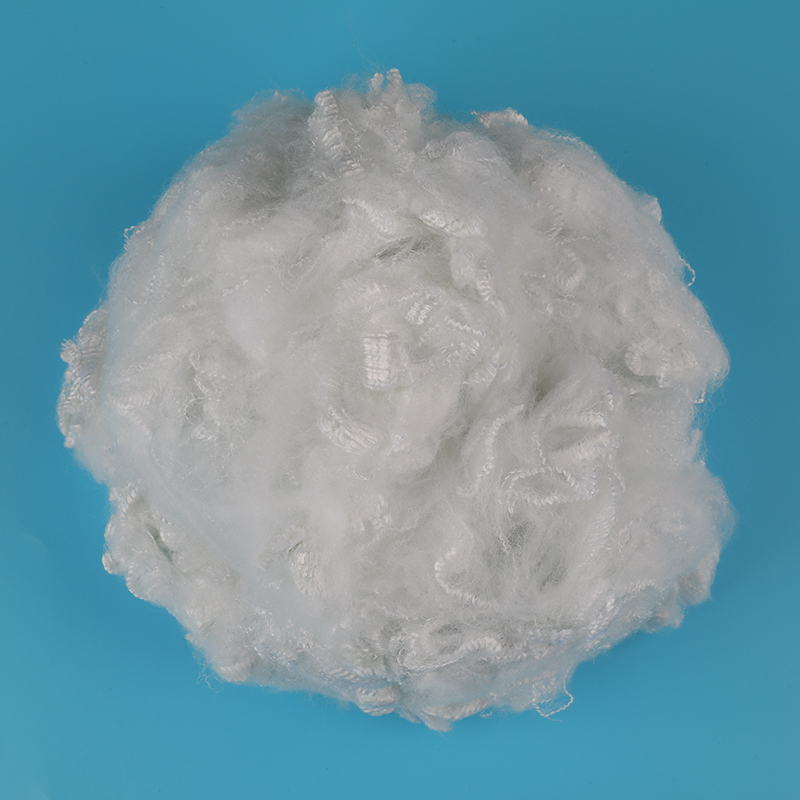
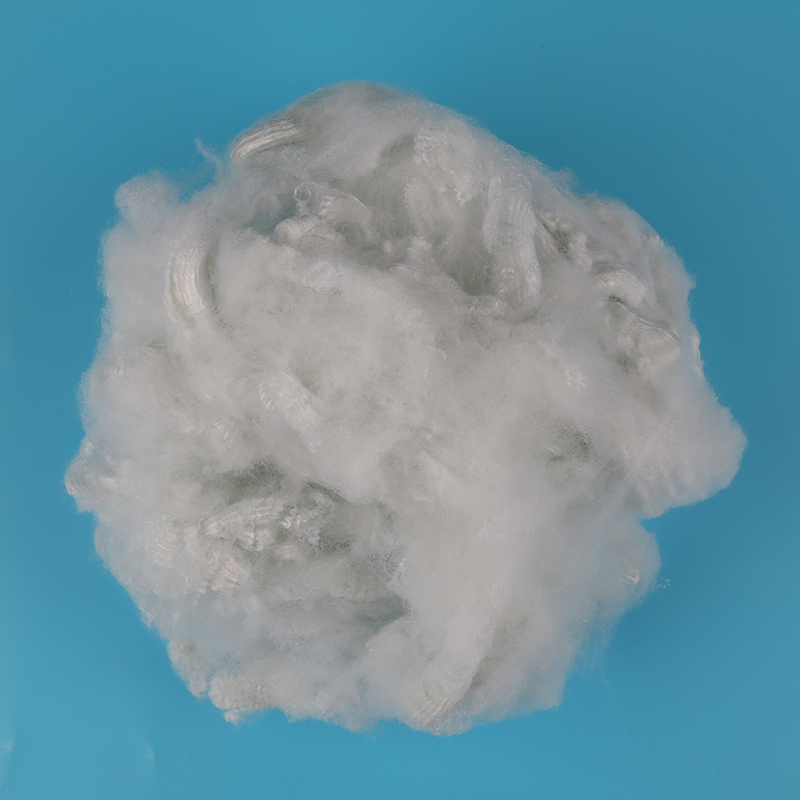
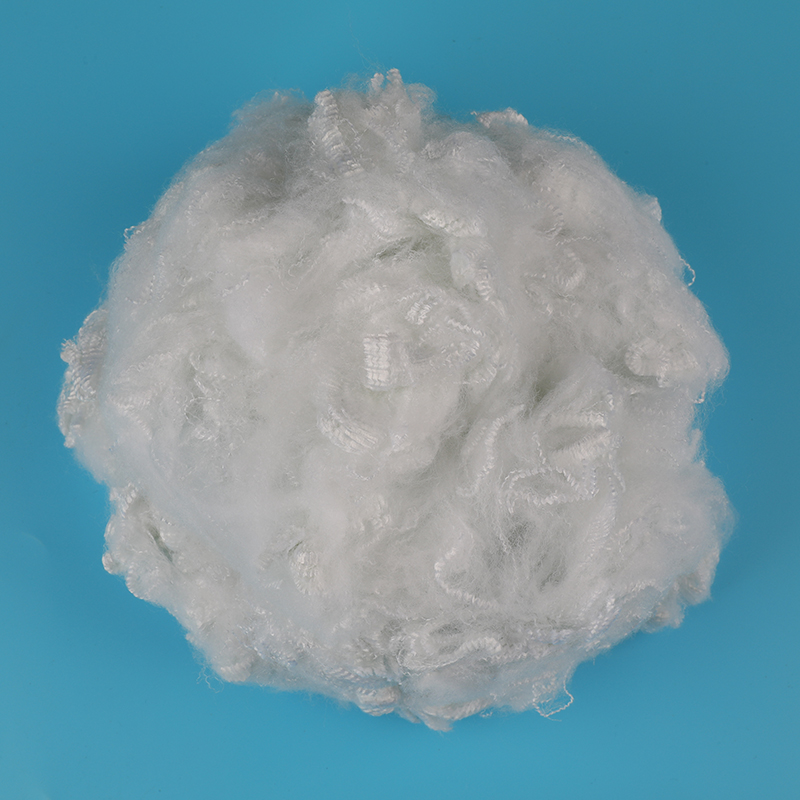
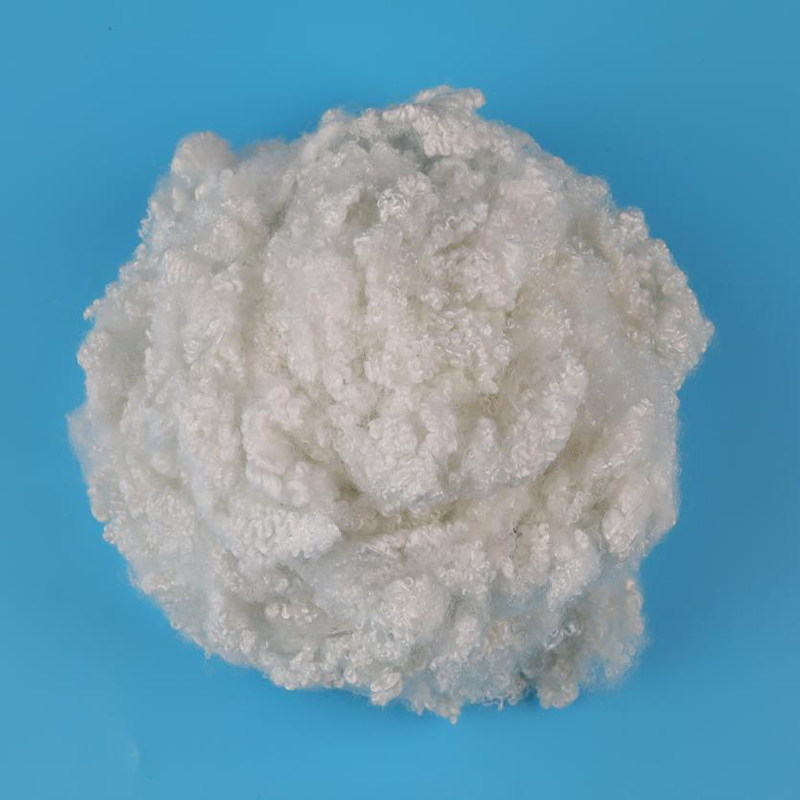
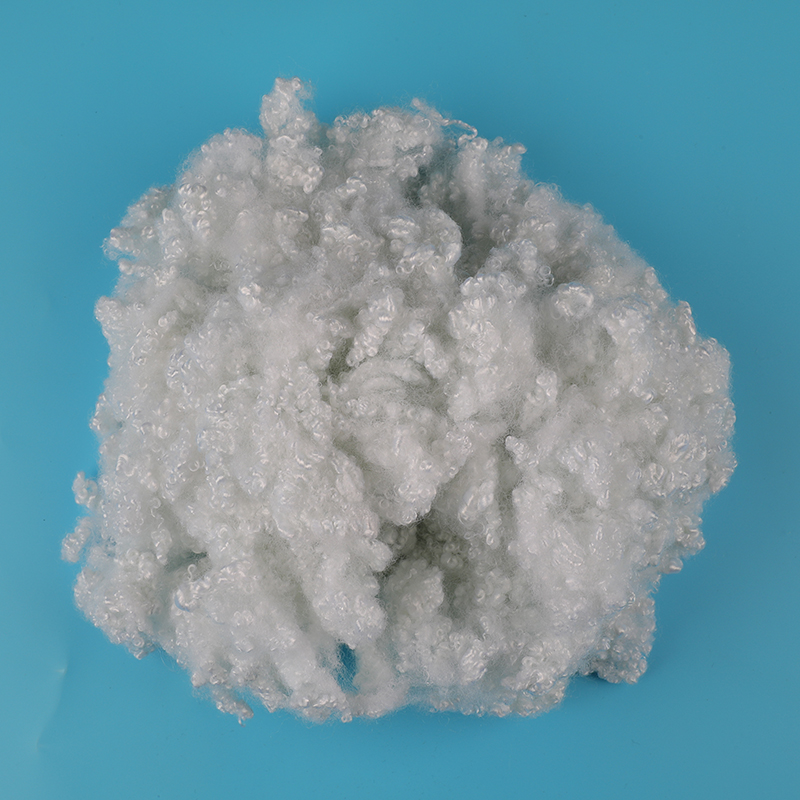
Polyester staple fiber is a synthetic fiber with high output, wide application, and stable performance, which is made from purified terephthalic acid and ethylene glycol as raw materials through polymerization, melt spinning, post-processing, and cutting. It has become an indispensable key material in textile, construction, automotive, environmental protection, and other fields due to its excellent wear resistance, wrinkle resistance, easy processability, and cost-effectiveness. The global demand for polyester staple fiber maintains a steady growth trend, and the industry is accelerating the transformation to green, low-carbon, and functional innovation, which will continue to occupy a dominant position in the synthetic fiber market in the future.
Polyester staple fiber is a short-cut synthetic fiber formed by cutting polyester tow into fixed lengths, which is one of the most important varieties in the polyester fiber family. Different from filament that maintains continuous length, staple fiber can be blended with natural fibers such as cotton, wool, and hemp, which greatly expands its application scenarios and processing flexibility.
According to the processing requirements of different textile equipment, polyester staple fiber is divided into three conventional specifications, which match cotton spinning, wool spinning, and other processes, respectively:
With the development of material modification technology, polyester staple fiber has evolved from conventional products to multi-functional differentiated products, covering almost all industrial and civil fields:
In practical industrial applications, polyester staple fiber is mainly divided into two major categories: civil fiber for clothing and home textiles, and industrial fiber for construction, transportation, and environmental protection. Civil fiber accounts for more than 60% of the total consumption, while industrial fiber has a faster growth rate and has become a new growth engine of the industry.
The production of polyester staple fiber is a systematic industrial process integrating chemical polymerization and physical processing. The entire process is completed in a closed production line, with a high degree of automation and stable product quality. The mainstream production processes include the direct spinning process and the cutting spinning process, among which the direct spinning is widely used in large-scale production due to its high efficiency and low energy consumption.
The core raw materials of polyester staple fiber are purified terephthalic acid (PTA) and ethylene glycol (EG). The two raw materials are mixed in a certain proportion and undergo esterification and polycondensation reactions at high temperature and high pressure to generate polyethylene terephthalate (PET) melt. This step is the chemical foundation of fiber forming, and the molecular weight and uniformity of the melt directly determine the performance of the final fiber.
The qualified PET melt is transported to the spinning box, extruded through the spinneret with tiny holes to form molten filaments, and cooled by circulating air to solidify into nascent fiber. The spinning speed and cooling conditions are precisely controlled to ensure the uniform thickness and internal structure of the fiber. Thousands of nascent fibers are gathered together to form a large tow, which enters the post-processing stage.
The nascent tow has low strength and poor elasticity, and needs to be processed by multi-stage drawing to improve its orientation and crystallinity, so as to enhance tensile strength and wear resistance. Then, through heat-setting treatment, the fiber shape is fixed, and the shrinkage rate is reduced. Subsequently, the tow undergoes processes such as crimping to increase bulkiness, oiling to improve antistatic performance, and drying to remove moisture.
The processed tow is cut into fixed-length fiber by a cutting machine according to the set specifications, and the finished polyester staple fiber is obtained after removing impurities and testing. Qualified products are packaged in moisture-proof and dust-proof packages and transported to downstream processing enterprises. The entire production process realizes continuous and automated production, and the qualified rate of finished products can reach more than 98%.
The wide application of polyester staple fiber stems from its excellent and balanced physical and chemical properties, which can meet the performance requirements of different fields. These properties are stable and not easy to decay under normal use conditions, ensuring the service life of products.
Polyester staple fiber has high tensile strength and elastic recovery ability, second only to nylon in synthetic fibers. Its wet strength is almost equal to dry strength, and it will not reduce strength when exposed to water. The initial modulus is high, the fabric is not easy to deform, and it has excellent wrinkle resistance. After blending with cotton, the wear resistance of the fabric can be significantly improved, and the service life is prolonged by more than 50% compared with pure cotton fabrics.
Conventional polyester staple fiber has low moisture regain, about 0.4%, which makes it dry quickly after washing and not easy to breed bacteria. With the improvement of modification technology, hygroscopic modified polyester staple fiber can increase the moisture regain to more than 3%, taking into account the comfort of natural fibers and the durability of synthetic fibers. It has good thermal stability, can maintain stable performance in the temperature range of -70°C to 170°C, and is suitable for various climate conditions.
Polyester staple fiber has strong resistance to acid, alkali, oxidant and other chemical reagents, and is not easy to corrode. It is not attacked by moths and molds, and has excellent storage stability. It has good light resistance, second only to acrylic fiber, and will not undergo obvious strength loss after long-term exposure to sunlight. These characteristics make it widely used in outdoor textiles and industrial filter materials.
Polyester staple fiber has good spinnability, can be smoothly processed on conventional textile equipment, and has high compatibility with cotton, wool, hemp, viscose fiber and other fibers. Blending can combine the advantages of various fibers, such as polyester-cotton blend has both the comfort of cotton and the wrinkle resistance of polyester; polyester-wool blend reduces the cost while maintaining the warmth retention of wool. This excellent blending performance is an important reason why it occupies a dominant position in the textile field.
Polyester staple fiber is a versatile material with application coverage spanning civil textiles, industrial textiles, environmental protection engineering, automotive manufacturing and other fields. Its consumption structure is closely related to economic development and industrial upgrading, and the application scope is still expanding.
Apparel is the largest application field of polyester staple fiber. Conventional cotton-type staple fiber is blended with cotton to make shirts, casual wear, sportswear, and other fabrics; functional polyester staple fiber is used in professional clothing, such as flame-retardant fiber for fire-fighting clothing, antibacterial fiber for medical clothing, and anti-ultraviolet fiber for outdoor clothing. The blended fabric made of polyester staple fiber has the advantages of easy washing, quick drying, wrinkle resistance, and no ironing, which meet the fast-paced living needs of modern people. In the sportswear market, hygroscopic and quick-drying polyester staple fiber has an occupancy rate of more than 70% due to its excellent perspiration performance.
Polyester staple fiber is widely used in home textile products such as bedding, sofas, curtains and carpets. Hollow polyester staple fiber is the preferred filling material for quilts and pillows, with high bulkiness, light weight and good warmth retention; low-melting polyester staple fiber is used for non-woven home textile fabrics, with soft hand feeling and strong durability. Curtains and sofa fabrics made of polyester staple fiber have good light resistance and color fastness, not easy to fade and deform, and are suitable for long-term use in home environments.
Industrial textiles are the fastest-growing application field of polyester staple fiber. High-strength staple fiber is used to produce geotextiles for road and dam construction, which can enhance the structural stability and service life of projects; non-woven fabrics made of polyester staple fiber are used for medical and health products such as surgical gowns and masks, with good air permeability and barrier properties; filter materials made of polyester staple fiber are used in dust removal and sewage treatment in steel, cement and other industries, with high filtration efficiency and long service life.
Polyester staple fiber plays an important role in automotive lightweighting. It is used to make automotive interiors, seat fabrics, sound insulation and heat insulation materials, which reduce the weight of vehicles while ensuring comfort and safety. In addition, polyester staple fiber is also used in the production of synthetic leather, plastic reinforcing materials and building thermal insulation materials, replacing traditional materials to reduce costs and improve product performance.
| Application Field | Typical Products | Core Advantages |
|---|---|---|
| Apparel Textiles | Blended Fabrics, Sportswear | Wrinkle Resistance, Quick Drying |
| Home Textiles | Quilts, Pillows, Curtains | Bulkiness, Light Resistance |
| Industrial Textiles | Geotextiles, Filter Materials | High Strength, Corrosion Resistance |
| Automotive Materials | Interiors, Sound Insulation Cotton | Lightweight, Durability |
Downstream processing enterprises need to master professional technology to give full play to the performance advantages of polyester staple fiber. The processing flow varies according to different products, mainly including spinning processing and non-woven processing two major technologies.
Spinning processing is the most traditional processing method of polyester staple fiber, suitable for apparel and home textile fabrics. The process includes opening, carding, drawing, roving, spinning and winding. The key control points are fiber blending ratio, humidity and temperature in the workshop, and drawing multiple. For polyester-cotton blended yarn, the blending uniformity directly affects the yarn evenness and strength; increasing the humidity appropriately can reduce static electricity and improve the smoothness of processing.
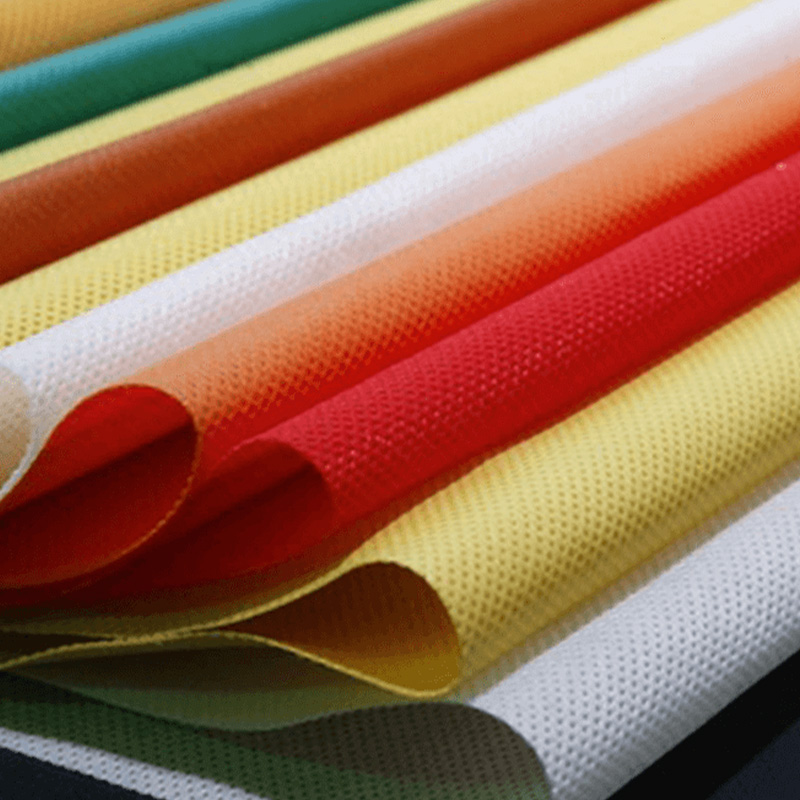
Non-woven processing has the advantages of short process and high efficiency, and is suitable for industrial textiles and medical and health products. The mainstream processes include acupuncture, hot rolling and spunlace. Acupuncture non-woven fabrics have high strength and are used for geotextiles and filter materials; hot rolling non-woven fabrics have a smooth surface and are used for packaging materials; spunlace non-woven fabrics have a soft hand feeling and are used for wet wipes and medical dressings. The selection of processing technology depends on the final product's performance requirements and cost budget.
Static electricity is the most common problem in the processing of polyester staple fiber, which is caused by low moisture regain, and can be solved by increasing workshop humidity and adding antistatic agent; uneven fiber mixing will lead to uneven fabric color and strength, which can be improved by optimizing the opening and carding process; excessive fiber shrinkage will cause fabric deformation, which can be controlled by selecting low-shrinkage polyester staple fiber and optimizing heat setting parameters. Mastering these key points can effectively improve the qualified rate of finished products and reduce production costs.
With the global promotion of green development and the circular economy, the polyester staple fiber industry is accelerating the transformation to low-carbon and environmental protection. Recycled polyester staple fiber has become the core direction of industry development, realizing the recycling of waste resources and reducing the dependence on petroleum raw materials.
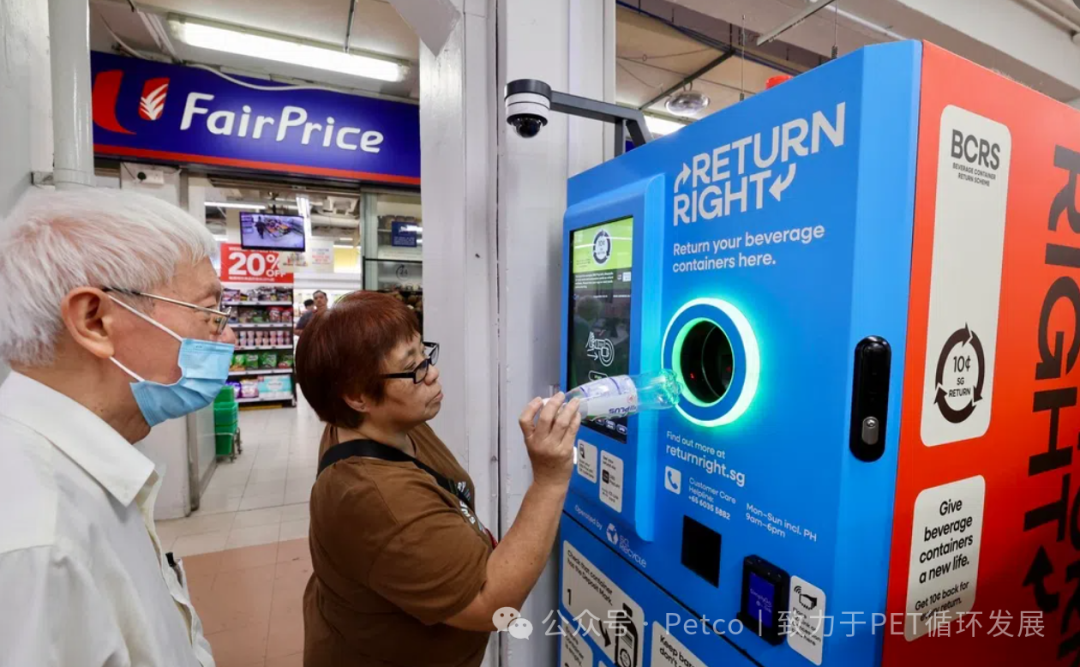
Recycled polyester staple fiber is mainly made from waste plastic bottles (PET bottles) and waste polyester textiles through sorting, cleaning, crushing, melting, spinning, and other processes. Compared with virgin polyester staple fiber, it can save more than 80% of energy consumption and reduce a lot of water and carbon emissions in the production process. The performance of recycled fiber can reach the level of virgin fiber after modification treatment, and can be widely used in textiles, filling materials, and industrial products.
The global demand for recycled polyester staple fiber is growing rapidly year by year, and the European and American markets have formulated mandatory recycled content standards for textile products. Many international brands have set the goal of using 100% recycled polyester fibers. Driven by policies and market demands, the production capacity of recycled polyester staple fiber in Asia, especially in China, has expanded rapidly, and the technology level has been continuously improved, gradually realizing large-scale and high-quality production.
At present, the recycled polyester staple fiber industry still faces challenges such as low utilization rate of colored waste textiles, high processing cost and unstable product quality. The future development trends focus on three aspects: first, develop efficient sorting and purification technology to improve the utilization rate of waste; second, innovate modification technology to expand the application of recycled fiber in high-end fields; third, establish a complete recycling system to realize the closed-loop utilization of polyester products. The industry will gradually move towards full life cycle green production.
The polyester staple fiber industry is in a critical period of structural adjustment and technological innovation. Driven by market demand, technological progress, and environmental protection policies, the industry will show four major development trends in the future, moving towards high-end, green, intelligent, and differentiated development.
Conventional polyester staple fiber will gradually reduce its proportion, and differentiated and functional products will become the mainstream of the market. New functional fibers such as phase change temperature regulation, negative ion release, and far-infrared health care will be mass-produced and applied, meeting the personalized and high-performance needs of consumers in apparel, home textiles, and medical fields. The proportion of differentiated products in the industry will increase to more than 50% in the future.
The production end will realize intelligent transformation, using big data, artificial intelligence, and other technologies to realize automatic control of the production process, real-time monitoring of product quality, and reduce labor costs and energy consumption. Green production will be fully implemented, including the use of clean energy, recycling of production wastewater and waste gas, and full coverage of recycled fiber production, to achieve the industry's carbon peak and carbon neutrality goals.
Polyester staple fiber will further expand its application in emerging fields such as new energy, environmental protection engineering, and aerospace. High-performance polyester staple fiber reinforced composite materials are used in wind turbine blades and battery casings; biodegradable modified polyester staple fiber solves the problem of environmental pollution; special functional fibers adapt to extreme environments, making up for the shortcomings of traditional materials.
Leading enterprises in the industry will carry out vertical integration of the industrial chain, covering raw materials, production, processing, and sales, reducing costs and enhancing market competitiveness. At the same time, with the globalization of the market, enterprises will accelerate the layout of overseas production bases to meet the demand of local markets and avoid trade barriers. The global industrial structure of polyester staple fiber will be more optimized and balanced.
As a high-output, wide-application, and high-cost-performance synthetic fiber, polyester staple fiber has become an irreplaceable key material in the global manufacturing industry. Its excellent physical and chemical properties, flexible processing performance, and continuous innovative upgrading ability make it occupy a dominant position in both civil and industrial fields.
From daily clothing, home textiles, to infrastructure construction, automotive manufacturing, and environmental protection engineering, polyester staple fiber is closely related to economic development and people's lives. With the advancement of recycled technology and functional modification technology, it will not only meet the basic needs of consumers but also contribute to the realization of global green and sustainable development.
In the future, with the continuous upgrading of the industry and the expansion of application scenarios, polyester staple fiber will continue to maintain stable growth in output and demand, and play a greater role in the development of synthetic fiber materials and global industrial manufacturing. For downstream enterprises, choosing appropriate polyester staple fiber products and processing technologies can effectively improve product quality, reduce production costs, and enhance market competitiveness.
Jingbo initiative, Felico's construction start, industry standard launch, domestic chemical cycle "three axes"; waste textile verification, nylon enzyme recovery, Sulzer new technology, international three consecutive hits丨ChemRePlas Chemical Cycle Weekly Report
2026-04-27
Super White vs. Standard Fibers: Which Actually Saves You Money in Non-Woven Production?
2026-05-08Your email address will not be published. Required fields are marked *

Focusing to the research and production of differentiated fiber. Applying recycle-material processing scientifically.
 86-18457317878
Zhulinjizhen, Xinfeng Town, Jiaxing City, Zhejiang Province
Copyright @ 2023 Jiaxing Fuda Chemical Fibre Factory All rights reserved
Polyester Staple Fiber Manufacturers

Friendship link - Anhui Fulin Environmental Protection Technology Co., Ltd.:https://www.ahflhb.com