en
en  English
 中文简体
中文简体 Español
 عربى
عربى
Product Consultation
Your email address will not be published. Required fields are marked *
Virgin vs recycled PSF is a decision that appears in nearly every fiber procurement review. A nonwoven production manager in Zhejiang recently asked us exactly this: if I switch 50% of my line to recycled polyester staple fiber, will my needle-punched felt lose 5% or 20% of tensile strength? The honest answer is that the application decides the gap. In filling, recycled hollow conjugated fiber performs close to virgin. In fine-denier spinning, the difference becomes measurable and affects yarn quality directly.
Jiaxing Fuda Chemical Fibre Factory of Zhejiang has produced both virgin and recycled polyester staple fiber since 1995. Data from our 7 regenerated PSF production lines and 4 composite fiber lines shows a consistent pattern: the same polymer, different applications, different tradeoffs.
The key difference between virgin and recycled polyester staple fiber is not chemistry, but polymer history. Virgin PSF is polymerized from PTA and MEG to a controlled intrinsic viscosity of 0.63-0.68 dl/g. Recycled PSF is produced from PET bottle flakes that have already been through melt extrusion, which causes chain scission and a broader molecular weight distribution. That one fact explains the measurable gaps in tenacity, elongation, and color consistency.
| Parameter | Virgin PSF | Recycled PSF | Practical impact |
| Tenacity (g/d) | 5.5 - 6.5 | 4.5 - 5.8 | 10-15% strength reduction |
| Elongation at break | 25 - 35% | 20 - 30% | 5-10% lower |
| Intrinsic viscosity (dl/g) | 0.63 - 0.68 | 0.58 - 0.65 | Lower polymer chain length |
| Whiteness (L value) | Consistent 80+ | 78 - 88, batch variable | Color shift risk |
| Cost per ton (index) | 100 | 85 - 92 | 5-12% savings |
For needle-punched nonwovens, recycled PSF delivers roughly 85-90% of virgin tensile strength at a fiber price that is 5-12% lower per ton. That is why geotextiles, roofing underlayment, automotive insulation, and filtration media are the largest volume applications for recycled polyester staple fiber.
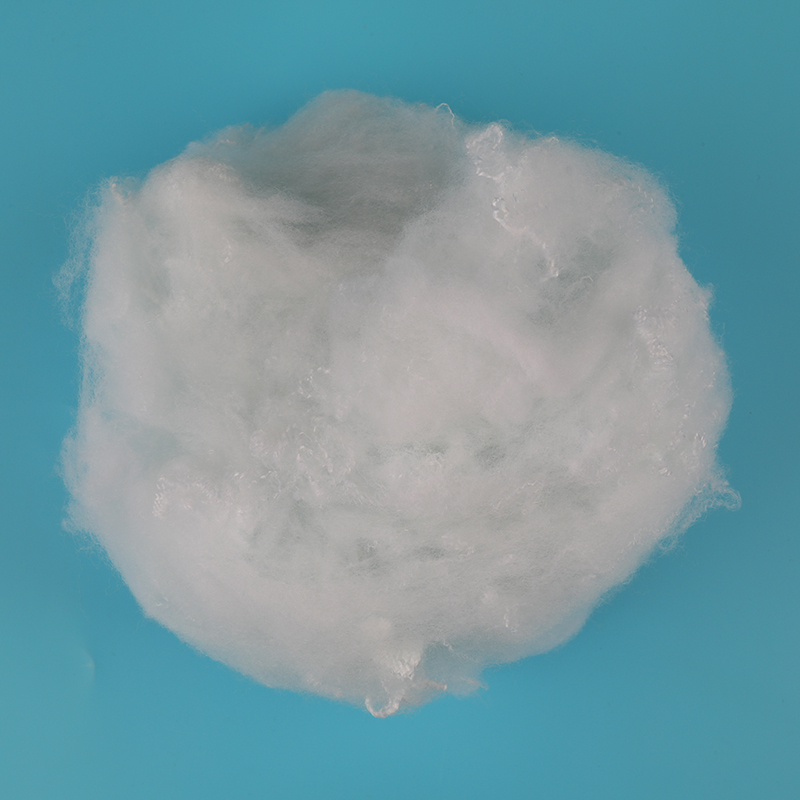
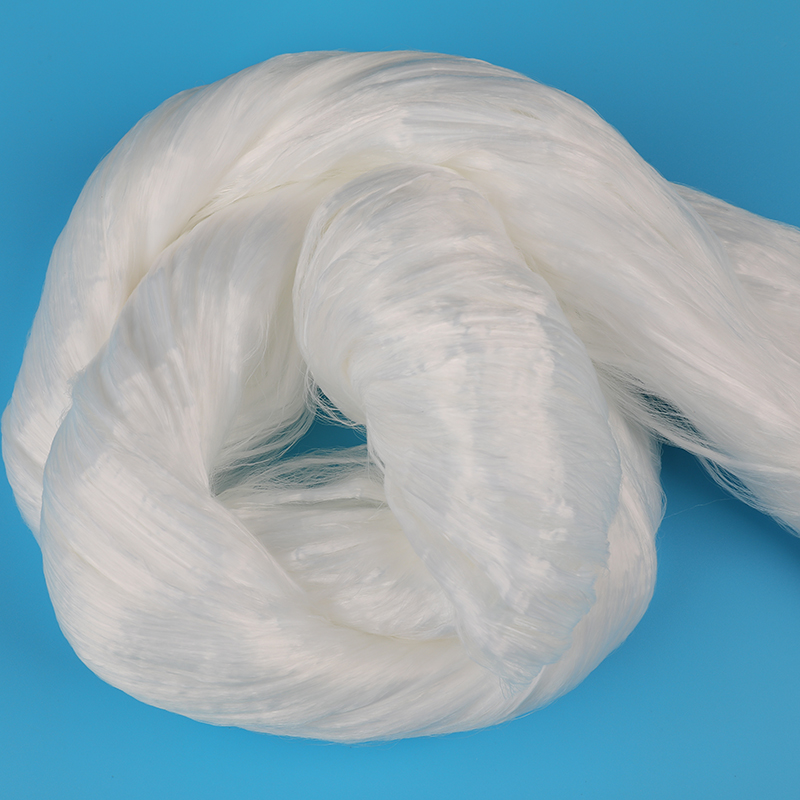
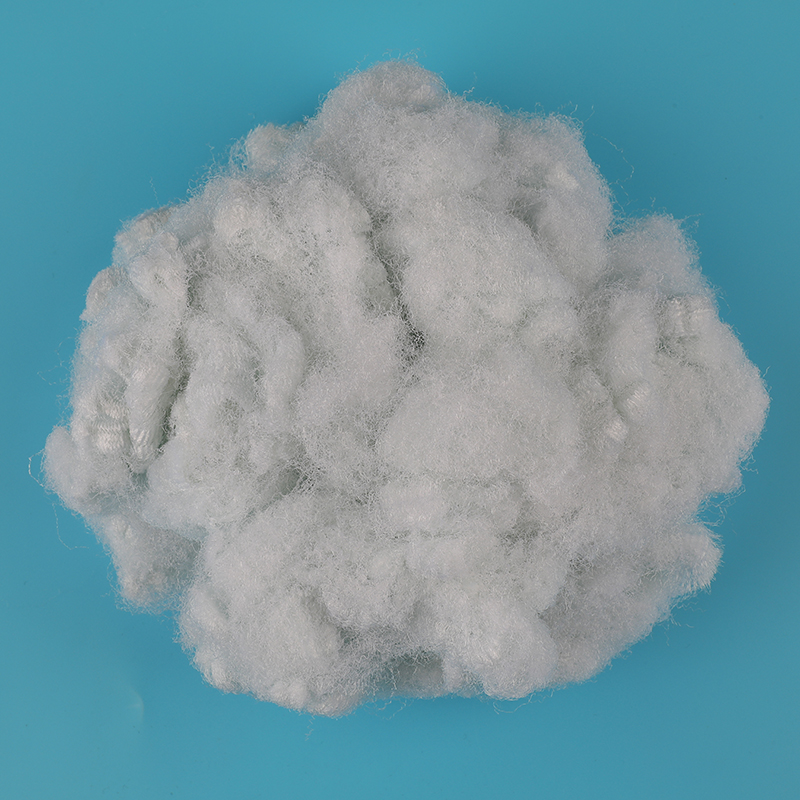
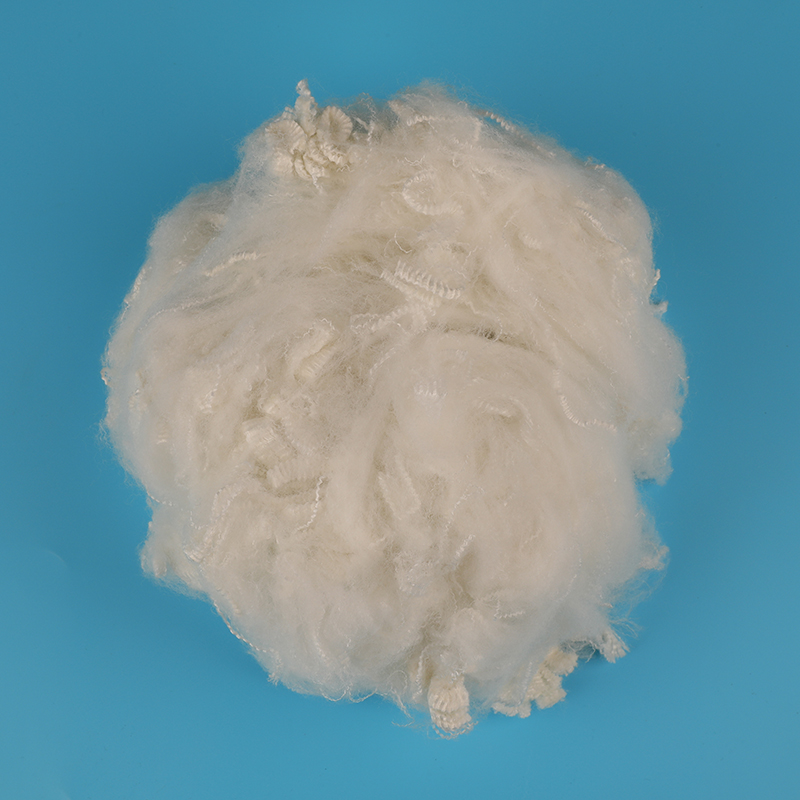 Raw White Needle-Punched Polyester Staple Fiber 2.5D×51mmThis fiber is engineered for needle-punched nonwovens, offering high tensile strength and elongation. It suits geotextiles, roofing underlayment, automotive insulation, and filtration media, providing a cost-effective alternative to virgin fiber.View Product →
Three parameters determine whether recycled PSF is acceptable in a needle-punched line: fiber fineness, cut length, and crimp level. When those are matched to the specification, the strength difference between virgin and recycled becomes a non-issue in most nonwoven end products.
In filling applications, recycled hollow conjugated PSF retains 92-97% of virgin loft, making it the most economically attractive application for recycled fiber. Pillows, sleeping bags, furniture cushions, and thermal clothing tolerate a wider performance window because compression recovery and loft dominate end-user satisfaction.
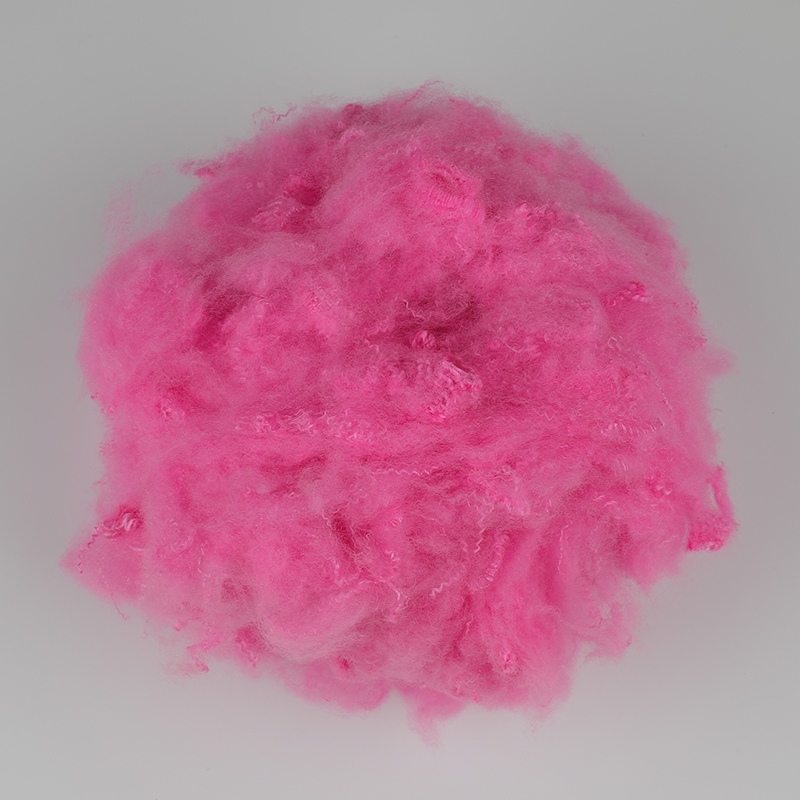
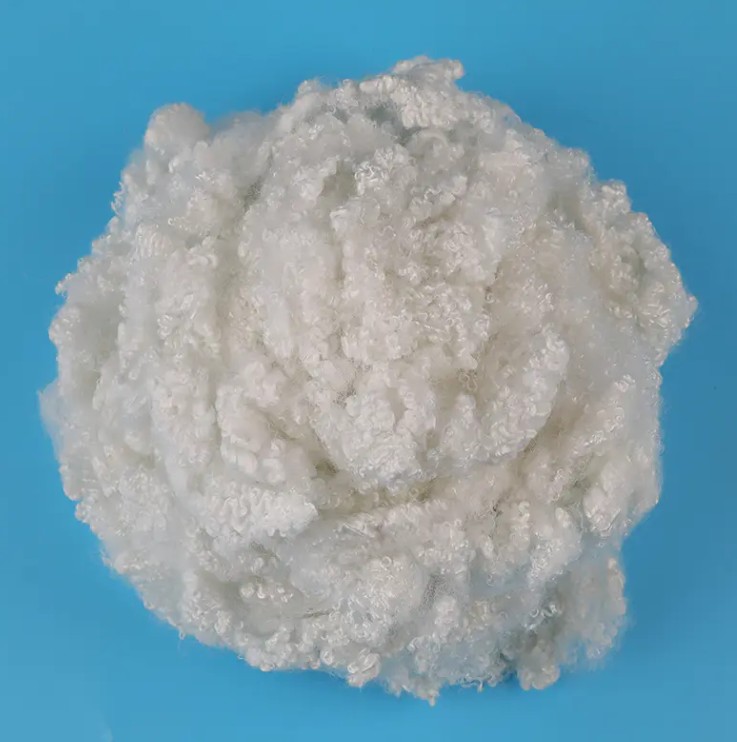
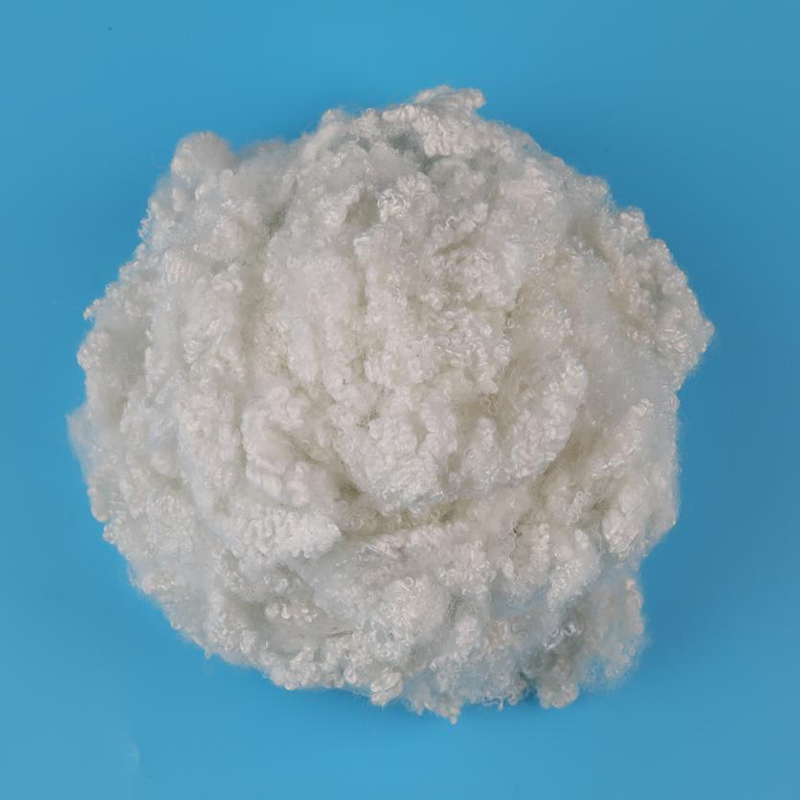
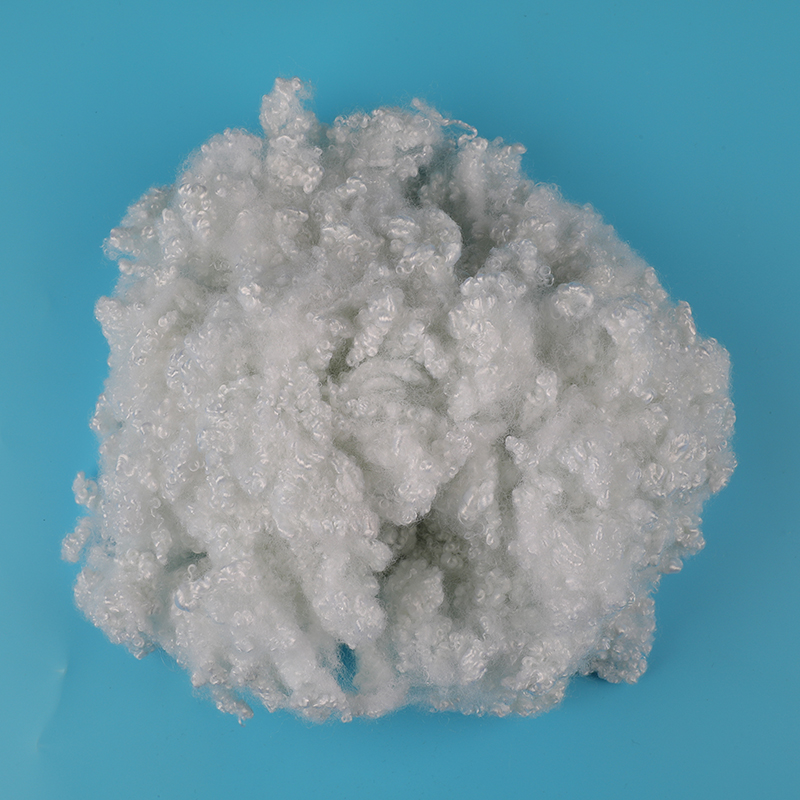 Siliconized Conjugated Polyester Staple Fiber 7D×64mmDesigned for filling applications, this siliconized hollow fiber retains loft and compression recovery, making it ideal for pillows, sleeping bags, and cushions. Its performance closely matches virgin fiber at a lower cost.View Product →
Siliconized hollow fiber is preferred when water absorption matters; non-silicon is often used for thermal bonded structures. The down-like 9D hollow series, whether virgin or recycled, performs similarly in loft retention tests. The practical difference is tint: recycled down-like fiber may appear slightly warmer or more gray, which is acceptable for most filling products.
Hollow conjugated PSF is a polyester staple fiber with a cross-section that contains one or more continuous air channels. It is crimped for bulk and treated with silicon or left untreated depending on the filling product.
In spinning, virgin PSF remains the reference standard because fine-denier yarns demand tighter tenacity uniformity and lower fiber-to-fiber friction than recycled fiber can consistently deliver. For 20s-40s cotton-type yarn, recycled PSF is typically blended at 20-50% rather than used alone.
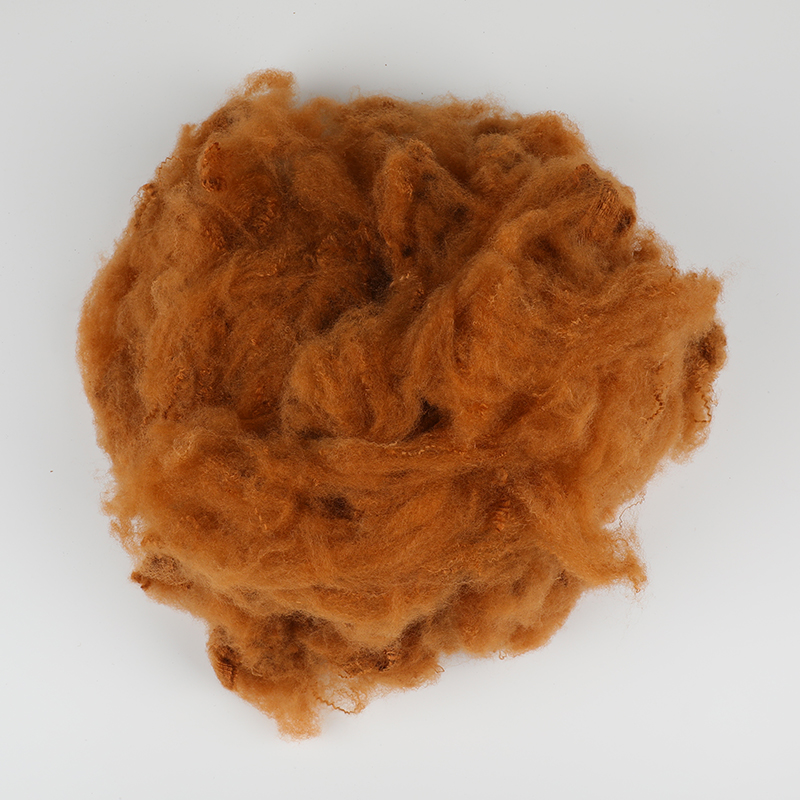
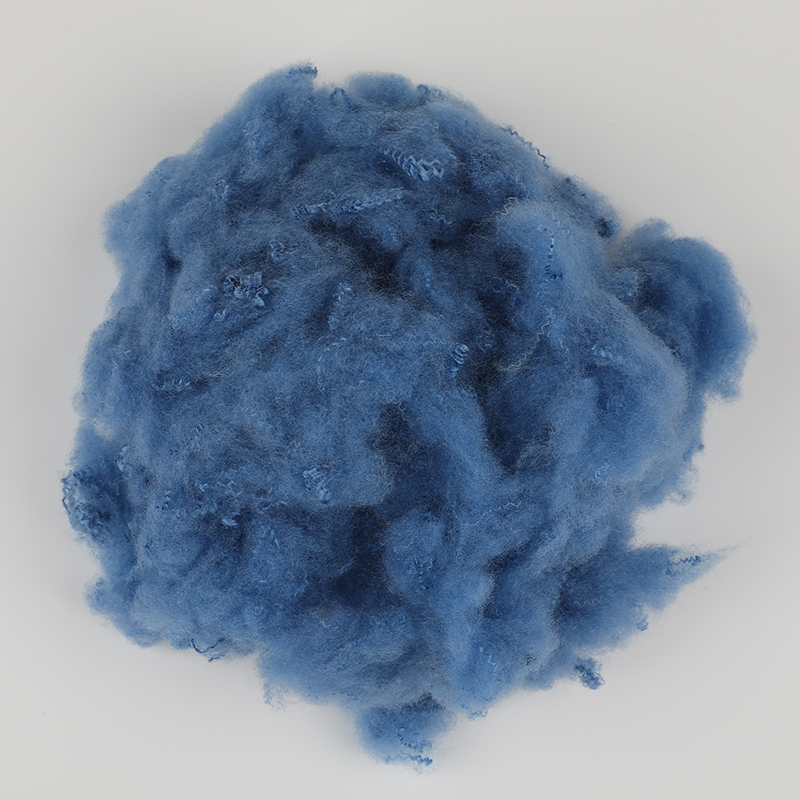
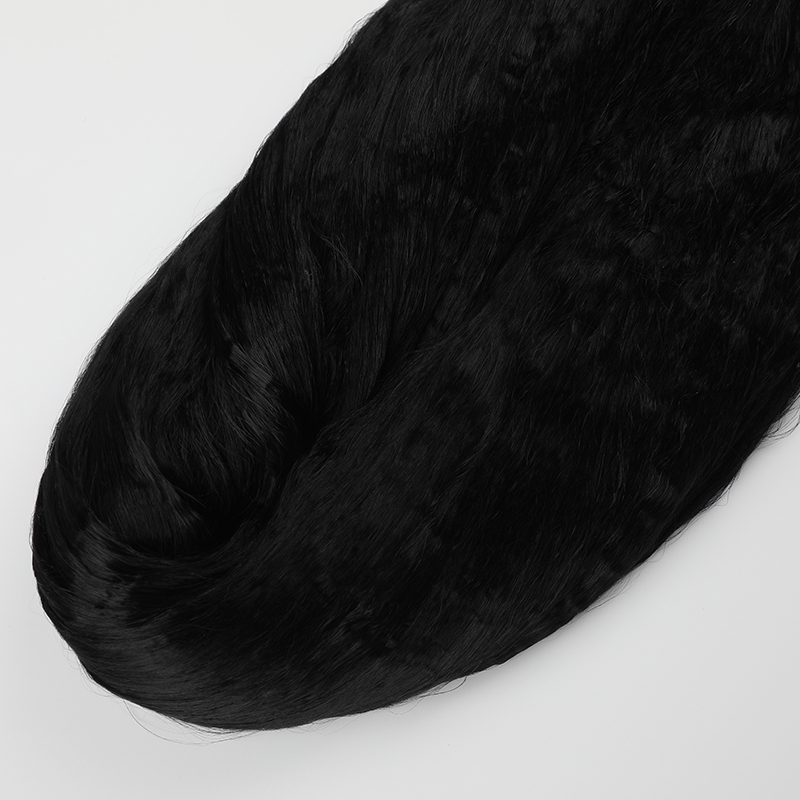
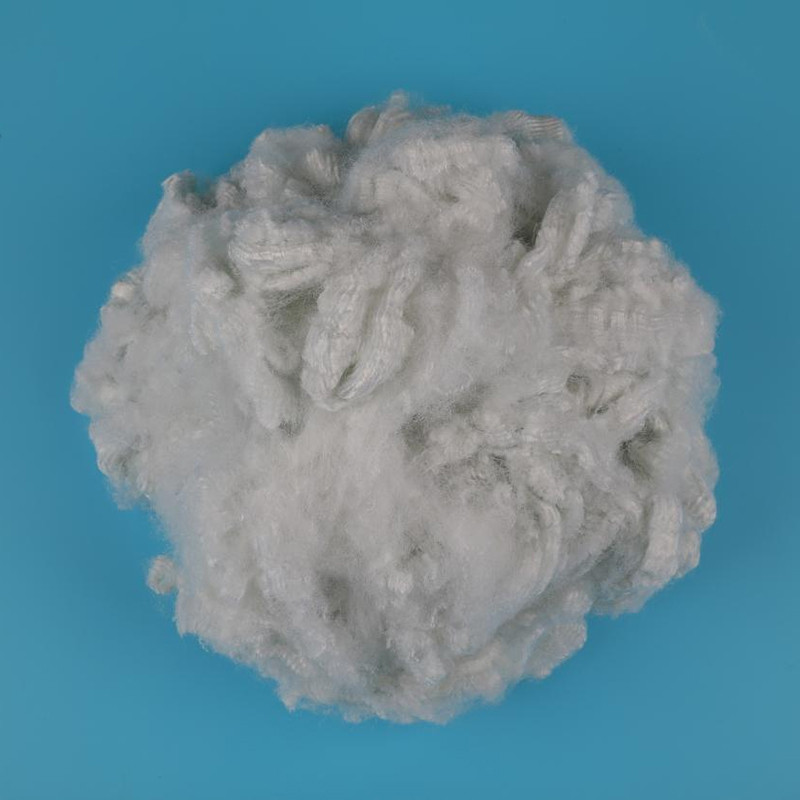
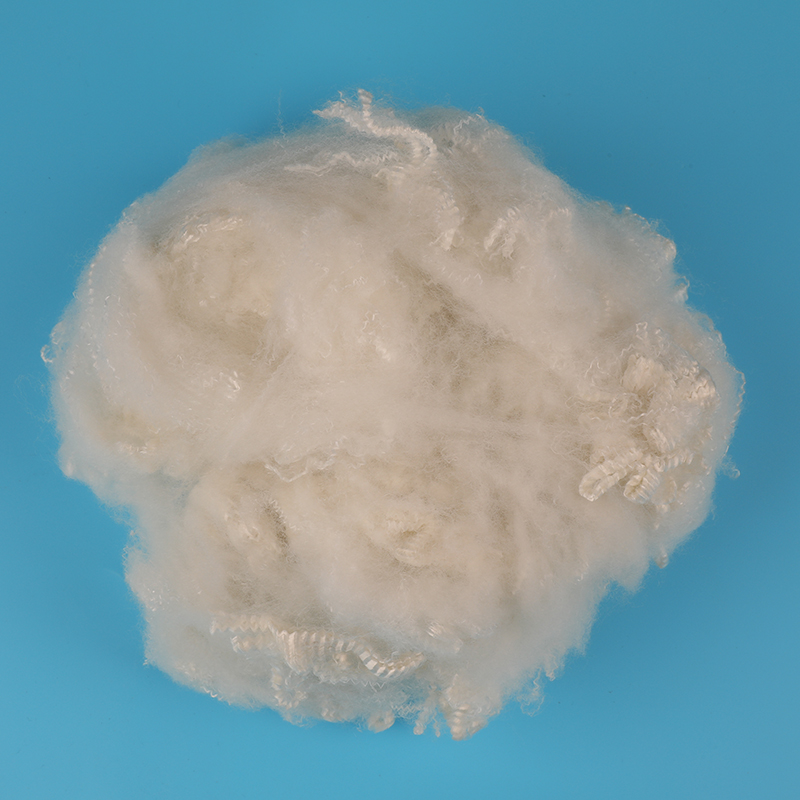 Wool Spinning Polyester Staple Fiber 3D×102mmThis fiber is suitable for wool spinning blends, especially in colored yarns where cost savings outweigh mechanical differences. It works effectively in coarse grades and can be blended with virgin fiber.View Product →
For coarser wool spinning grades, recycled PSF works effectively, especially in colored blends where the fiber is dyed in the melt. In these cases the cost advantage outweighs the mechanical performance gap.
Switching from virgin to recycled PSF requires evaluating your supply chain's GRS certification and per-batch consistency, not just the price per ton. A recycled fiber supplier with documented bottle-to-fiber traceability can reduce compliance risk and market access burden.
Contact us to discuss trial batches, technical specifications, or certification documentation.
For most needle-punched nonwovens, yes. Geotextiles, automotive interior fabric, and roofing felt require roughly 80-90% of virgin tenacity, which recycled PSF achieves. The limiting factors are color consistency and UV resistance in outdoor exposure.
Recycled PSF is typically 5-12% cheaper per ton than virgin. However, converter-level processing costs can offset the savings if the recycled fiber causes more downtime or higher waste rates, particularly in fine spinning.
GRS is the most widely accepted certification for recycled content. OEKO-TEX Standard 100 is important for textiles that make skin contact. For supply-chain transparency, request an environmental product declaration or equivalent documentation.
At 20-30% blend ratios, recycled PSF typically reduces yarn tenacity by 5-8%. At 50% or higher, the drop can reach 15-20%. Fine denier yarns are more sensitive than coarse yarns.
How does the thermal bonding process work for composite ES fiber?
2026-08-24
Hydrophilic vs Hydrophobic Bicomponent Fibers: Hygiene Performance Guide
2026-09-08Your email address will not be published. Required fields are marked *

Focusing to the research and production of differentiated fiber. Applying recycle-material processing scientifically.
 86-18457317878
Zhulinjizhen, Xinfeng Town, Jiaxing City, Zhejiang Province
Copyright @ 2023 Jiaxing Fuda Chemical Fibre Factory All rights reserved
Polyester Staple Fiber Manufacturers

Friendship link - Anhui Fulin Environmental Protection Technology Co., Ltd.:https://www.ahflhb.com