en
 English
 中文简体
 Español
 عربى

Product Consultation
Your email address will not be published. Required fields are marked *
A pillow that feels flat after six wash cycles rarely failed at the sewing line. It failed at the fiber specification, and at the manufacturer that approved the deviation.
Hollow fiber is one product name covering a wide technical spread: denier from 1.8D to 25D, cut lengths from 25 mm to 64 mm, silicon and non-silicon finishes, crimped and non-crimped cross-sections, and colors running from raw white to super white. Two bales from two suppliers can behave nothing alike on the same blowing line.
That spread is why choosing a hollow fiber manufacturer for premium fiberfill applications is a qualification exercise, not a price comparison. The real question is not who quotes lowest, but who can hold denier, cut length, finish, and bulk recovery inside a narrow band, shipment after shipment, for years.
Write the fiber specification first; the supplier shortlist is a consequence of it. Buyers who start with a supplier list end up comparing quotes for fibers that were never interchangeable, and the cheapest quote wins the wrong comparison.
A usable fiberfill specification has five variables. Denier drives loft and softness, cut length drives how fiber moves through blowing and carding equipment, cross-section drives compression recovery, finish drives friction and bonding, and color drives whiteness consistency in the finished fill.
| Variable | Working range for premium fiberfill | What it controls downstream |
| Denier | 1.8D to 25D, with 6D to 15D most common | Loft, softness and air permeability of the fill |
| Cut length | 25 mm, 32 mm, 38 mm, 51 mm, 64 mm | Blowing behavior, carding stability, clumping risk |
| Cross-section | Hollow, or hollow conjugated with spiral crimp | Compression recovery after packing and transit |
| Finish | Silicon or non-silicon | Line friction, thermal bonding, hand feel |
| Color | Raw white, white, super white | Whiteness consistency across production batches |
Negotiating order matters. Lock denier, cut length and finish before you discuss price per tonne, because those three variables decide how many bales your line actually converts into saleable fill.
Run these five checks in sequence. A plant that fails any one of them will pass your sample and fail your fourth container.
Definition: downlike hollow fiber is a hollow polyester staple fiber engineered to imitate natural down. A hollow cross-section traps still air, a spiral crimp restores bulk after compression, and a denier near 9D at 25 mm to 38 mm cut length keeps the fill from packing into hard clumps.
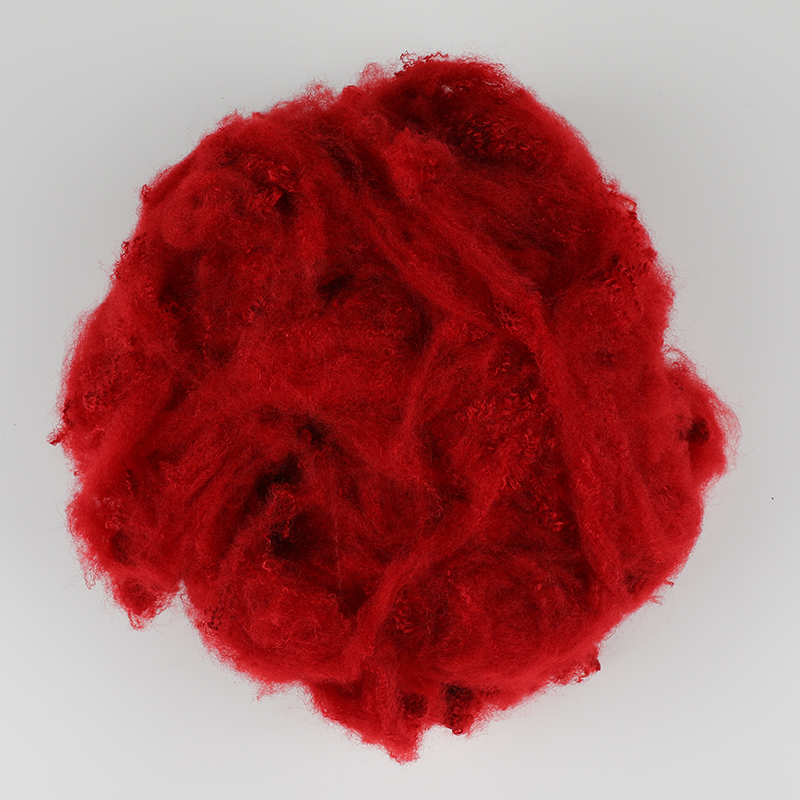
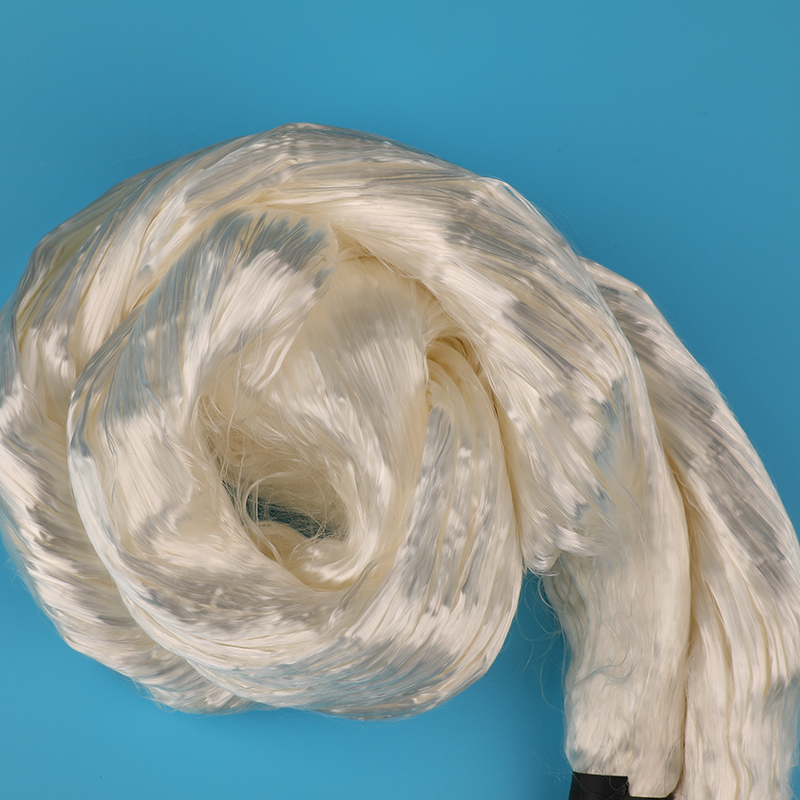
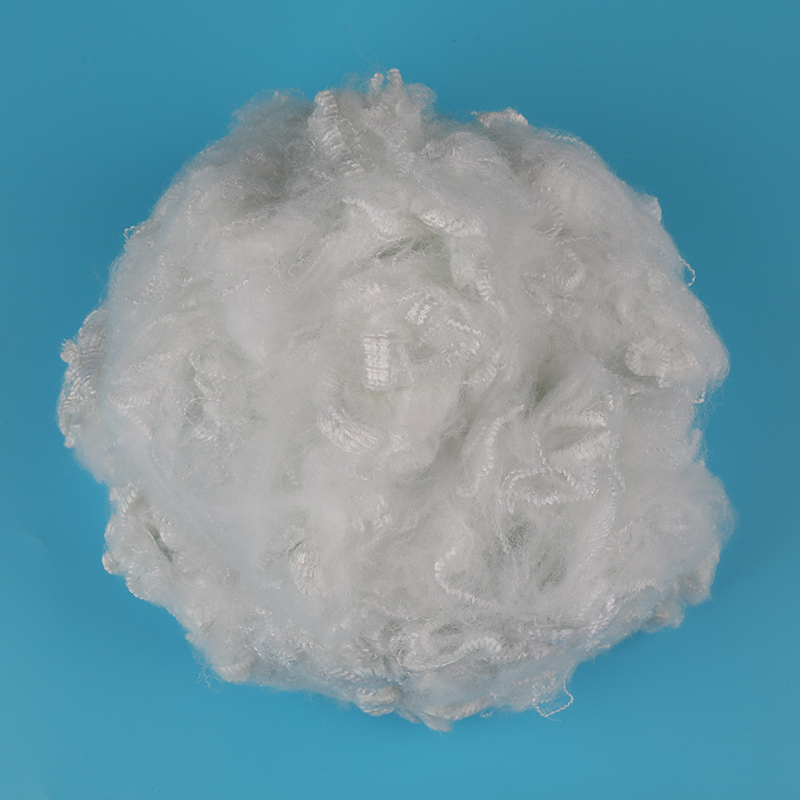
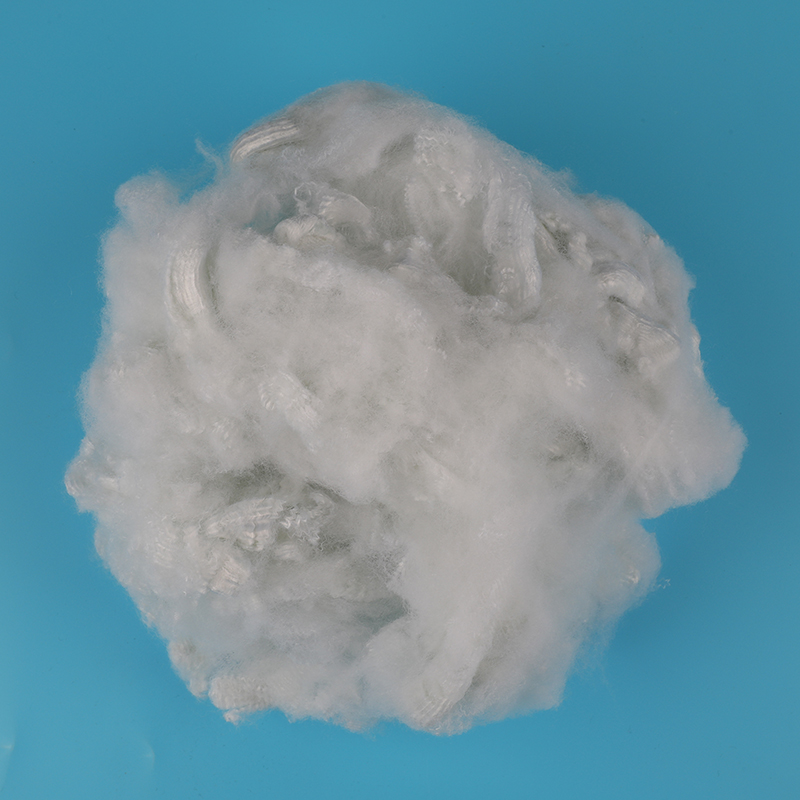
 Use For Hard Cotton FibersNon-Silicon Hollow Polyester Staple Fiber 45D×64mmView Product →
Neither finish is better in the abstract; one of them is wrong for your line. Silicon and non-silicon hollow fiber are two different processing contracts, and the right choice follows the equipment you run and the fill you sell.
Both finishes are supplied as hollow conjugated fiber, where a spiral crimp provides the three-dimensional resilience that flat hollow fiber cannot deliver.
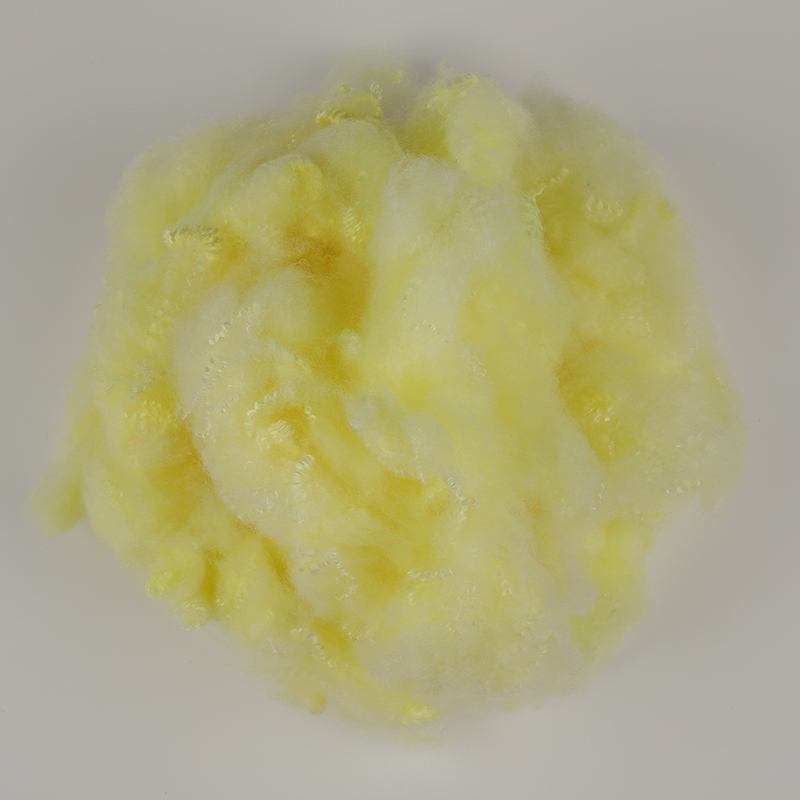
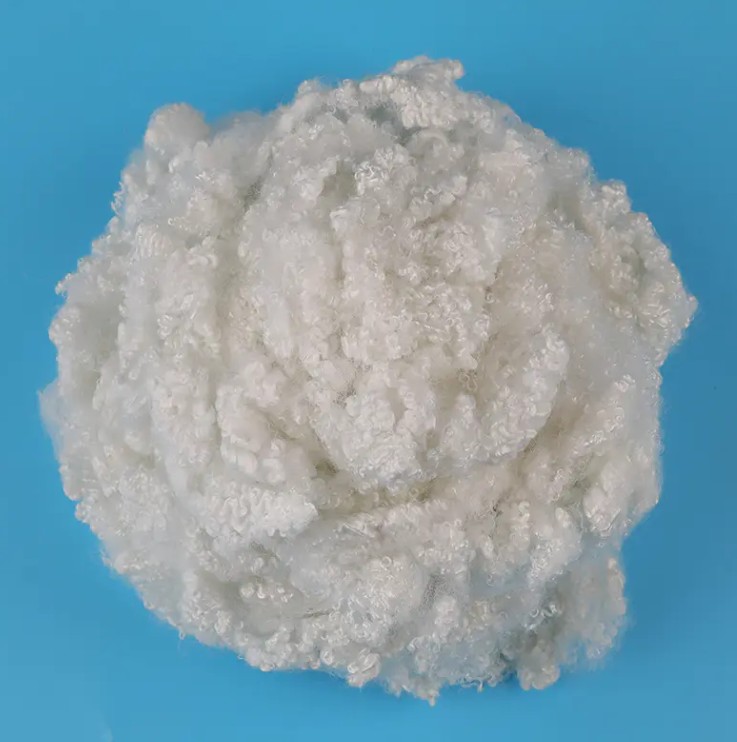
 White Silicon Conjugated Polyester Staple Fiber 15D×64mmHard cotton, glue-free cotton, filter materialView Product →
Recycled content claims are only as strong as the plant that produces the feedstock. Ask where the PET bottle chips are processed, not merely whether certificates exist.
A vertically integrated producer controls more of that chain. Jiaxing Fuda Chemical Fibre Factory, founded in 1995 and operating from Jiaxing in the Yangtze River Delta, runs a PET bottle-chip recycling plant in Huaibei with 50,000 tonnes of annual capacity, feeding seven recycled polyester staple fiber lines at its Jiaxing site.
Ask three audit questions: which plant converts the bottles, whether recycling certificates carry a lot number that matches your delivery, and how the plant segregates recycled and virgin feedstock during a changeover.
Total capacity is a marketing number; capacity inside the denier you buy is the number that protects your delivery schedule.
Stated annual capacity by fiber family, tonnes per year
A plant with four bicomponent lines and seven polyester staple lines can cover a wide denier range, but hollow fiber competes for the same equipment as every other polyester staple product. Ask what share of those lines is scheduled for hollow and downlike denier, how long a changeover takes, and whether your monthly volume is a rounding error or a planned production block.
Plant scale is a useful proxy for stability. A site of more than 180,000 square meters with over 1,030 employees can absorb a raw material swing without stopping your line. Delivery rhythm, not peak capacity, is what keeps a fiberfill launch on schedule.
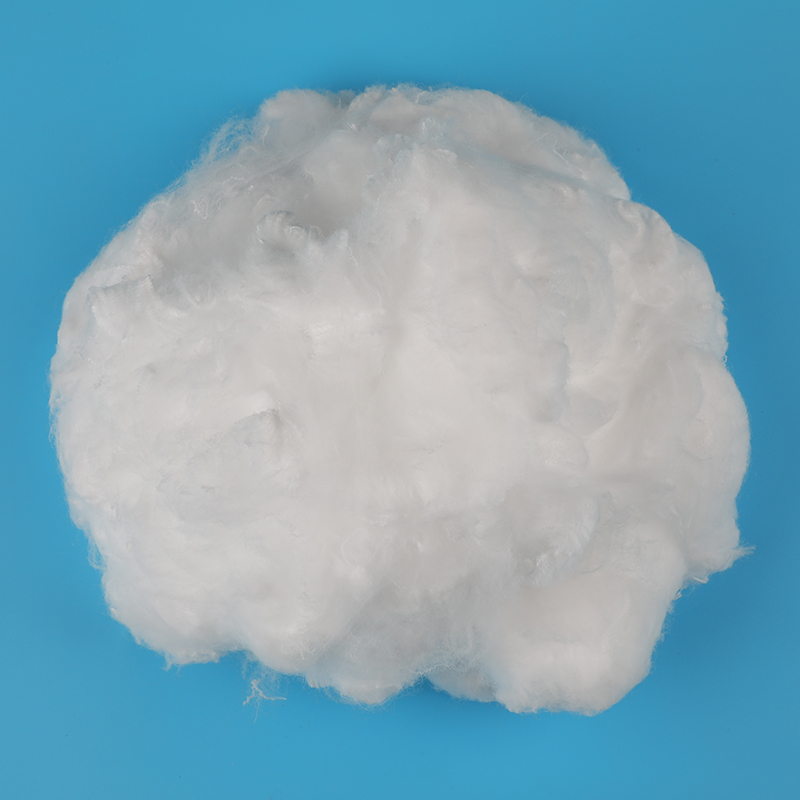
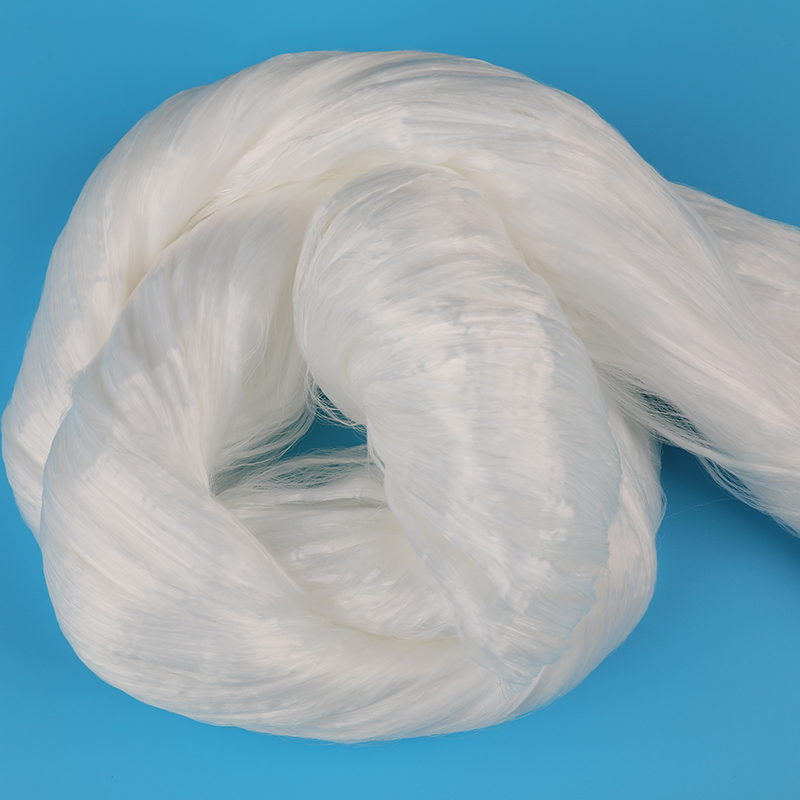
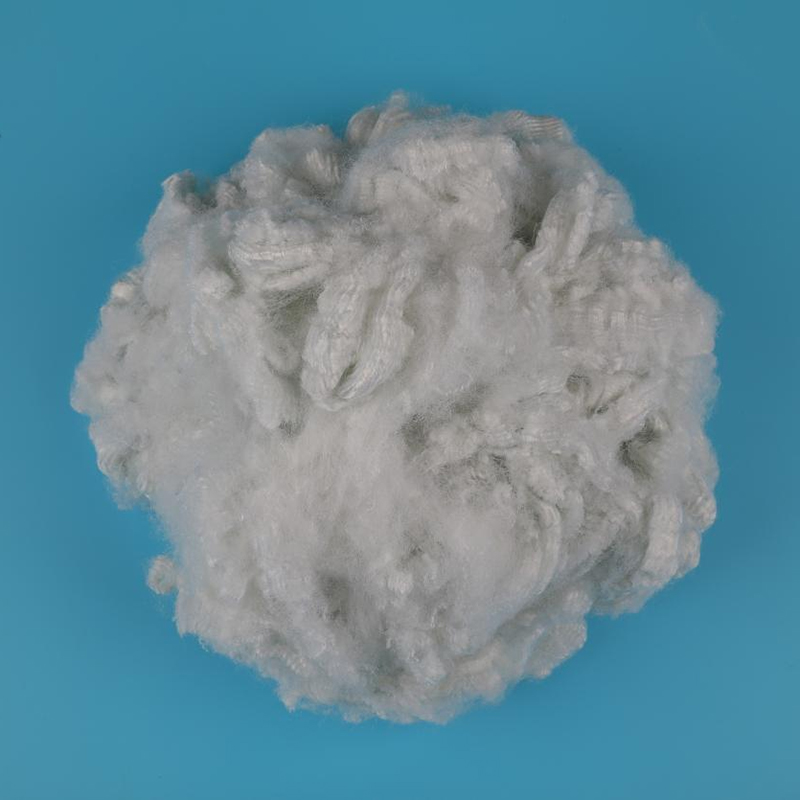
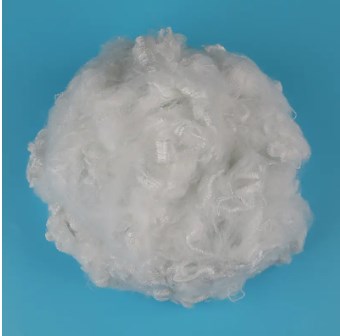
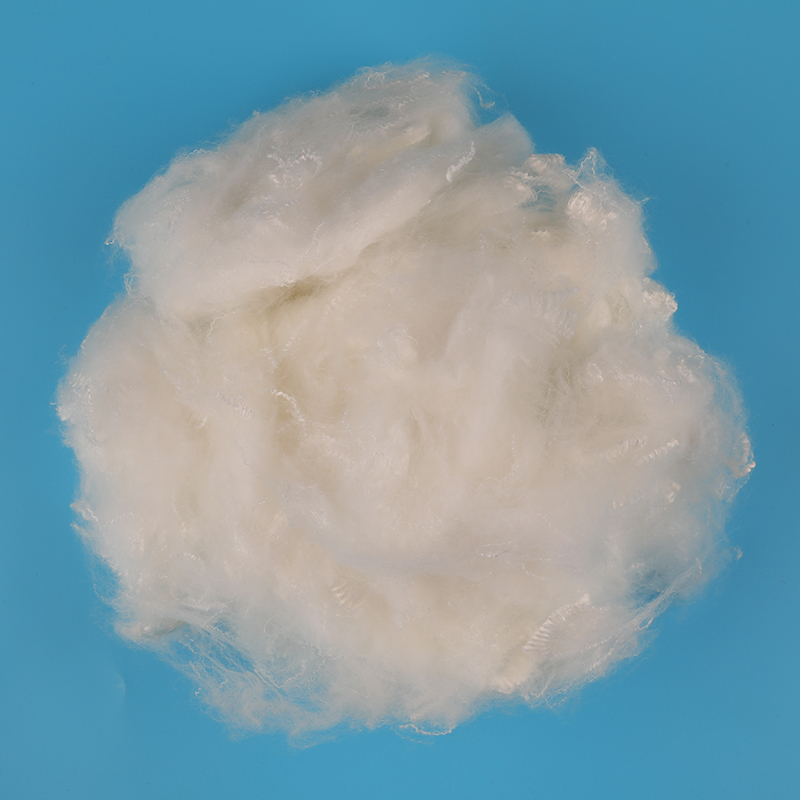 Super White Hollow Polyester Staple Fiber 6D×51mmGlue-free cotton, spray glue cottonView Product →
Request the control band from the last three production lots, then verify it against a sample you test in your own lab. A premium fiberfill program needs denier held within roughly five percent of nominal and cut length held to the specified millimeter, because both feed directly into fill weight and loft.
Silicon-treated fiber fills faster and doses more evenly in pneumatic equipment, so most high-speed pillow and duvet lines specify it. Non-silicon fiber wins where the fill is carded, bonded, or specified with a dry hand, because it carries no lubricant residue into the finished product.
Ask for a GRS transaction certificate tied to the actual shipment whenever recycled content is claimed, plus OEKO-TEX documentation for fiber that touches consumer filling. A certificate that cannot be linked to a lot number does not support a recycling claim on your own product label.
Volume producers typically quote container-scale orders because line changeovers carry real cost, but sample and trial quantities are standard before qualification. Negotiate that trial as part of the qualification protocol so the fiber you approve is produced on the line that will run your commercial order.
The shortlist that survives all five qualification tests is usually two or three plants, not ten. Qualify on the specification, then negotiate on the volume.
Your email address will not be published. Required fields are marked *

Focusing to the research and production of differentiated fiber. Applying recycle-material processing scientifically.
 86-18457317878
Zhulinjizhen, Xinfeng Town, Jiaxing City, Zhejiang Province
Copyright @ 2023 Jiaxing Fuda Chemical Fibre Factory All rights reserved
Polyester Staple Fiber Manufacturers

Friendship link - Anhui Fulin Environmental Protection Technology Co., Ltd.:https://www.ahflhb.com