en
 English
 中文简体
 Español
 عربى

Product Consultation
Your email address will not be published. Required fields are marked *
A needle-punch or air-through line set to 155 C is a comfortable operating point for PE/PET bicomponent fiber and a risky one for PE/PP bicomponent fiber, whose polypropylene core begins to soften at roughly 150 C. That single number, the melting point of the core polymer, separates the two fiber families on the production floor, and it drives bonding strength, line speed, hand feel, chemical resistance and cost per kilogram. Buyers who treat PE/PET vs PE/PP bicomponent fiber as a simple substitution usually discover the difference during a failed bonding trial rather than on a specification sheet.
Both fibers use the same class of low-melt polyethylene sheath, typically melting between 105 C and 135 C, and they differ only in the core. PE/PET bicomponent fiber carries a polyethylene terephthalate (PET) core that melts near 255 C. PE/PP bicomponent fiber carries a polypropylene (PP) core that melts near 165 C.
A bicomponent fiber is a single filament extruded from two polymers through one spinneret in a sheath-core arrangement. The low-melt sheath bonds to neighbouring filaments under heat and pressure, while the higher-melt core stays solid and preserves filament shape, web loft and tensile strength.
That division of labour is the entire purpose of a binder fiber. During bonding only the sheath needs to flow; the core acts as a structural skeleton. When the core also softens, the web compresses under the calender or the oven belt, bulk disappears, and the thickness loss is permanent.
| Property | PE/PET bicomponent fiber | PE/PP bicomponent fiber |
| Sheath polymer | Polyethylene, melting 105-135 C | Polyethylene, melting 105-135 C |
| Core polymer | PET, melting near 255 C | PP, melting near 165 C |
| Practical bonding window | About 130-175 C, roughly 45 C wide | About 125-150 C, roughly 25 C wide |
| Core softening risk | Negligible below 200 C | Starts at 150-155 C |
| Hand feel | Firmer, higher modulus | Softer, lower modulus |
| Chemical resistance | Good against oils, moderate against strong alkali | Strong against acids, alkalis and solvents |
| Recycling route | Compatible with PET and rPET streams | Requires a separate PP stream |
| Price position | Higher per kilogram | Usually lower per kilogram |
The practical consequence is a large difference in process tolerance. PE/PET can be bonded between roughly 130 C and 175 C without core damage, while PE/PP is normally held at or below 150 C. A wider window absorbs uneven oven temperatures, supports higher line speeds and reduces reject rates on wide webs.
Polypropylene melts at about 165 C, which caps the usable bonding temperature for PE/PP bicomponent fiber. The PET core stays solid above 200 C, which is why the bonding window for PE/PET bicomponent fiber is close to twice as wide.
Oven and calender temperatures are never uniform across a two-metre web. A variation of plus or minus 10 C between the centre and the edges is routine on air-through lines, and a 25 C window leaves no margin for it. When the PP core does soften, the symptoms show up as compressed edges, thickness loss after baling, and sticking or roll build-up on calender rolls.
Core softening also appears downstream rather than at the bonding station. A web bonded too close to the PP melting point can pass its own quality check and still lose loft after compression baling or during a later lamination step. The behaviour of the PP core under thermal load is described in more detail in this technical note on characterization of PE/PP bicomponent fiber.
Above 150 C, a polypropylene core stops acting as a skeleton and starts acting as a risk. If any stage of your process, or your customer's process, runs hotter than that, specify PE/PET.
PE/PET wins on thermal stability, bonding strength and compatibility with polyester webs. PE/PP wins on softness, chemical resistance and unit price. The decision is a process question, not a matter of preference.
Price deserves one honest note. PE/PP is usually cheaper per kilogram, but price per kilogram is not price per square metre of saleable fabric. A wider bonding tolerance, higher line speed and a lower reject rate often close the gap, and in some lines they reverse it.
Use PE/PET wherever the web has to hold its shape under heat and load. It is the natural choice for structures that pass through drying, lamination or a second bonding stage.
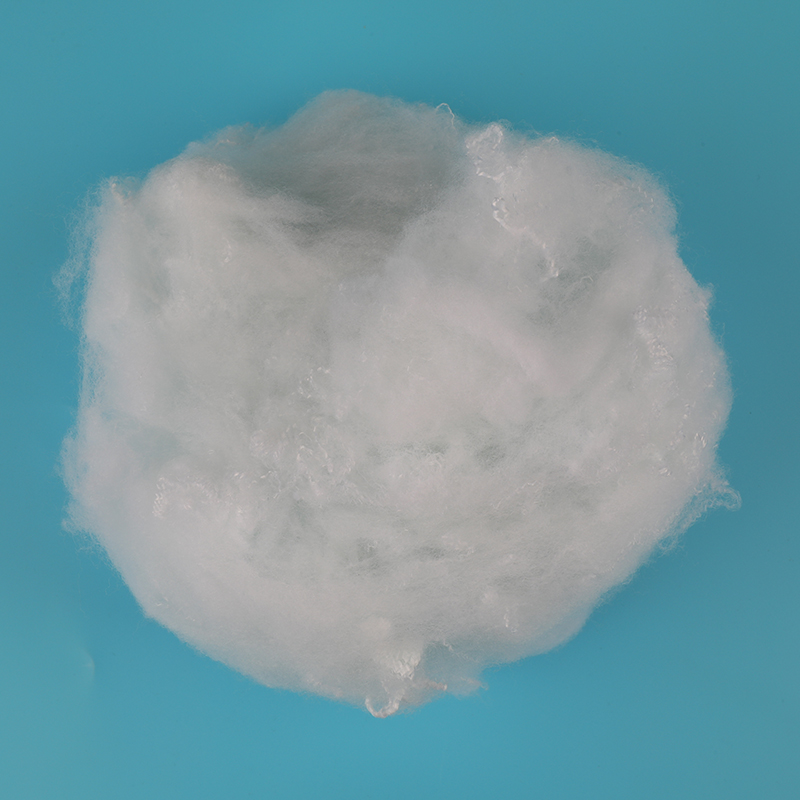
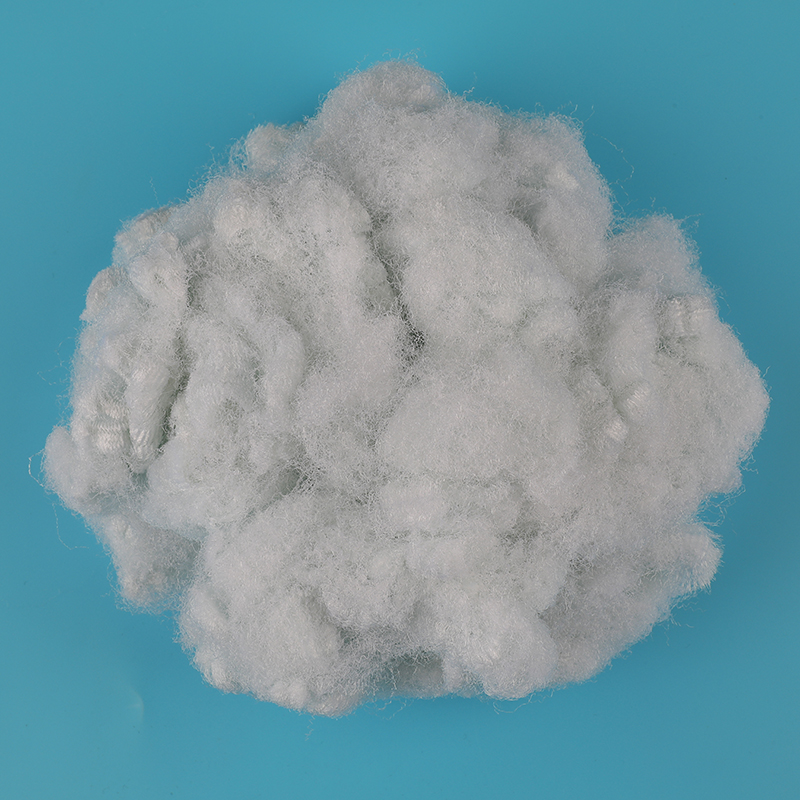
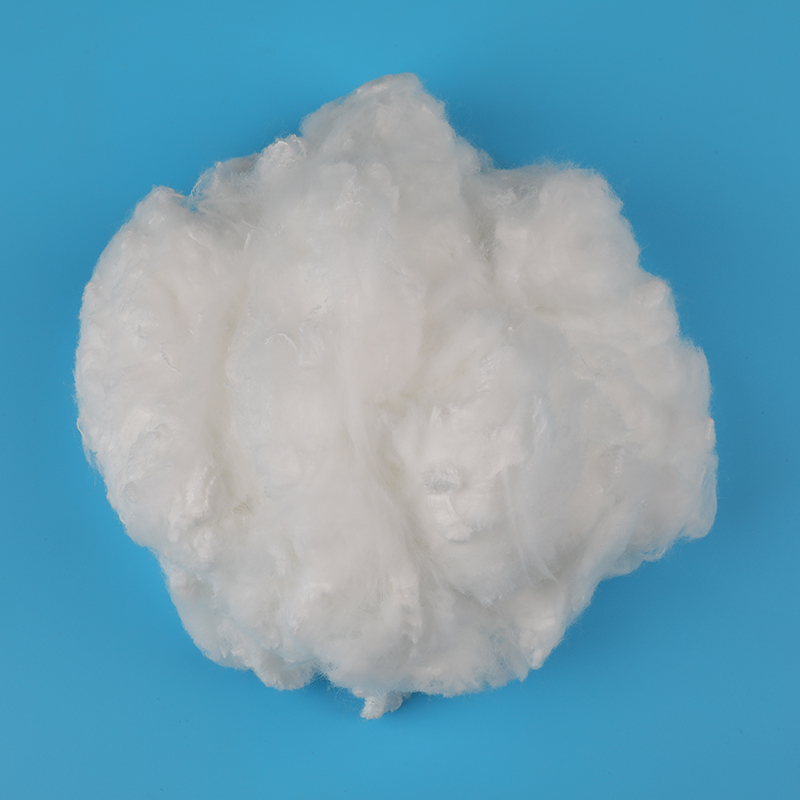 PE/PET Single Hydrophilic White 1.5D×38 Bi-Component FiberInquiry Please fill in carefully, it will help us all!View Product →
Specify PE/PP for processes that stay below 150 C and reward softness or chemical resistance. The lower modulus of the PP core produces a fabric that feels lighter and drapes more easily.
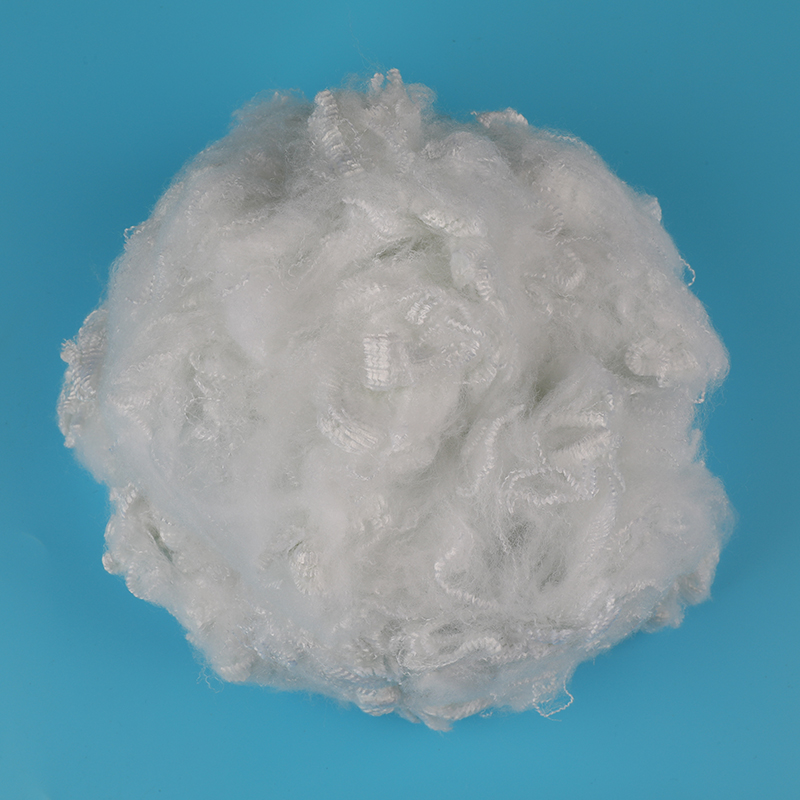
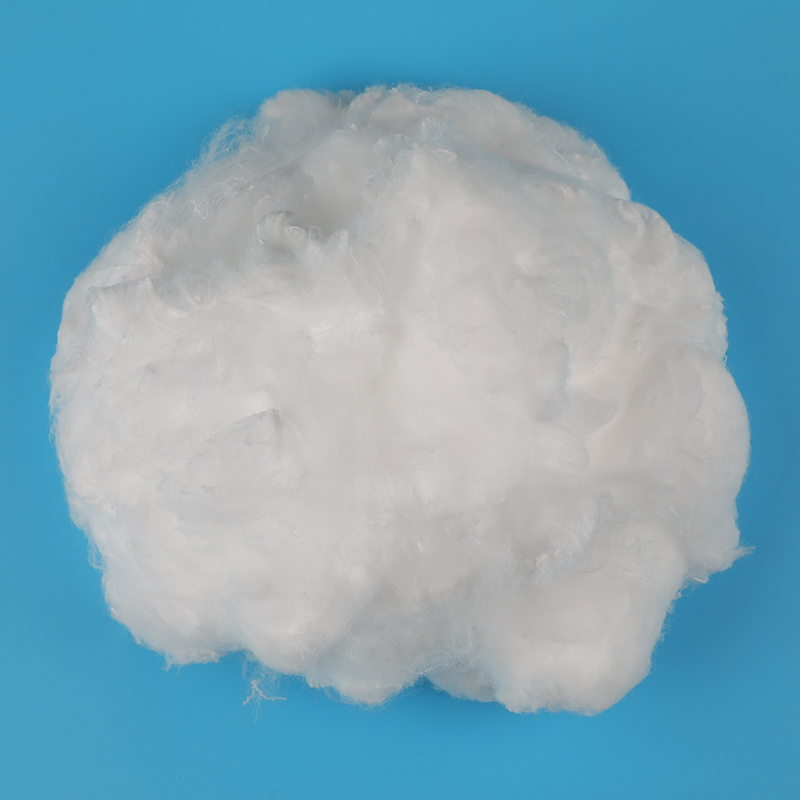 PE/PP Single Hydrophilic White 2D×38 Bi-Component FiberInquiry Please fill in carefully, it will help us all!View Product →
Run these five checks in order before placing a trial order. The first check normally eliminates one option, and the remaining four define the specification you send to suppliers.
Decision shortcut: if any process step exceeds 150 C, specify PE/PET. If everything stays below 150 C and softness or chemical exposure leads the requirement, PE/PP is normally the better buy.
Verify four things before a trial: denier and cut length match your line, the finish is specified by performance rather than by name, melting data is quoted for the actual resin grade, and recycled content is documented in writing.
Scale matters when the same specification has to repeat across hundreds of tonnes. Jiaxing Fuda Chemical Fibre Factory, a Chinese producer of bicomponent and recycled polyester staple fiber established in 1995, operates four composite fiber lines alongside seven recycled polyester staple fiber lines and a PET bottle-chip recycling plant. More background sits on the company profile page.
| Parameter | Typical options to confirm |
| Denier | 1.5D to 6D for bicomponent grades |
| Cut length | 38 mm and 51 mm as standard, others on request |
| Finish | Single hydrophilic, multi-hydrophilic, water repellent, whitening |
| Colour | Raw white, bright white, whitened |
| Certification | GRS, OEKO-TEX and recycled content traceability |
| Consistency | Melting point and finish level quoted per lot |
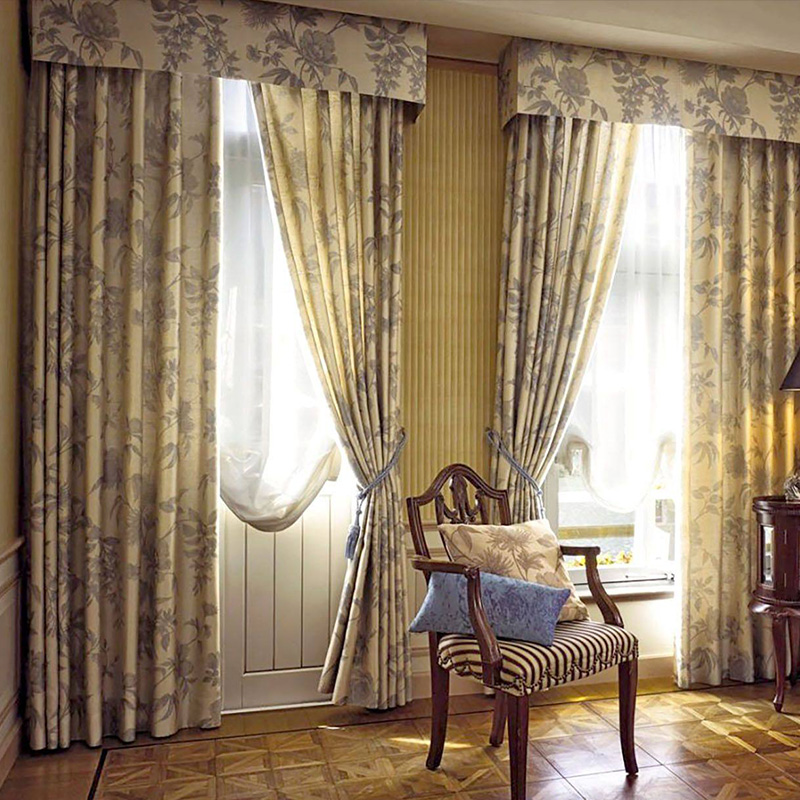
Ask for melting data on the specific resin grade rather than for the fiber family, because a high-density sheath and a low-density sheath can differ by 25 C and change the whole bonding setup. Then check finish level consistency, since a drifting hydrophilic finish shows up as variable absorbency long before it shows up on a certificate. A water-repellent grade is often the practical answer for drapes and protective fabrics that must resist liquid strike-through.
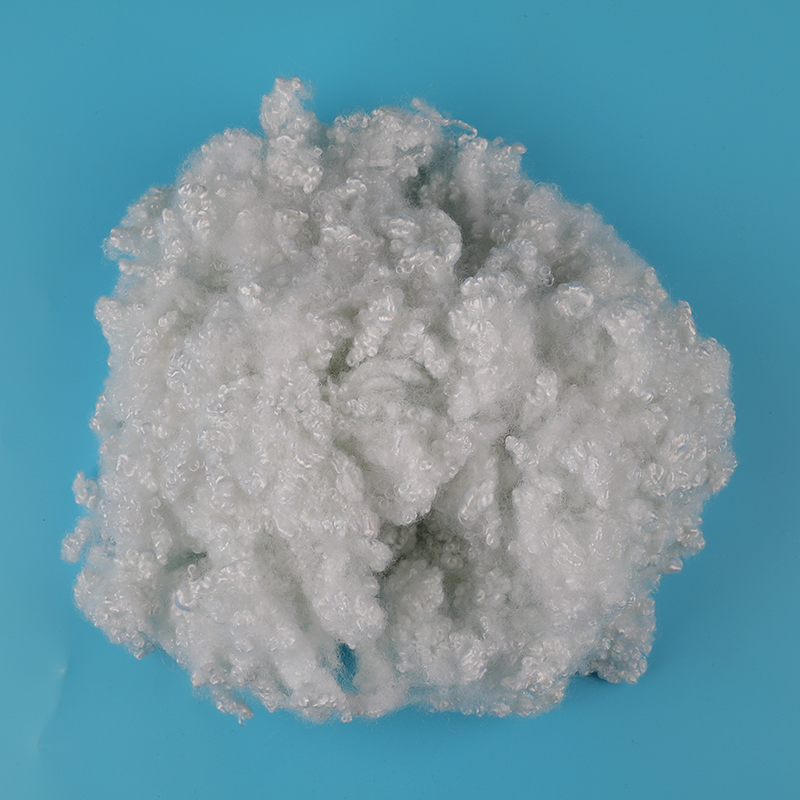
PE/PP Water-Repellent Whitening 1.5D×38 Bi-Component FiberInquiry Please fill in carefully, it will help us all!View Product →Yes, and many nonwoven lines do exactly that. The setpoint must change between the two: PE/PET tolerates 130-175 C, while PE/PP should stay at or below 150 C. A product change also needs a temperature and tension check on the first metres, because the PP core reaches its softening range faster than a PET core warms up.
PE/PP is softer. The polypropylene core has a lower modulus, so the finished web drapes more easily and feels less boardy. PE/PET feels firmer and recovers its thickness better after compression, which is why it is preferred for padding and structural nonwovens.
PE/PET aligns with established PET and rPET streams when the polyethylene content stays within the accepted tolerance for the recycling route. PE/PP requires a separate polypropylene stream. For either type, buyers should confirm recycled content documentation and certification before the fabric is specified into a programme that reports recyclability.
Most commercial grades sit between 1.5D and 6D with cut lengths of 38 mm or 51 mm. Finer denier delivers more bonding points, softer handle and better coverage in thin webs, while coarser denier adds loft and opening performance in needle-punched felt and thick padding.
Your email address will not be published. Required fields are marked *

Focusing to the research and production of differentiated fiber. Applying recycle-material processing scientifically.
 86-18457317878
Zhulinjizhen, Xinfeng Town, Jiaxing City, Zhejiang Province
Copyright @ 2023 Jiaxing Fuda Chemical Fibre Factory All rights reserved
Polyester Staple Fiber Manufacturers

Friendship link - Anhui Fulin Environmental Protection Technology Co., Ltd.:https://www.ahflhb.com