en
en  English
 中文简体
中文简体 Español
 عربى
عربى
Product Consultation
Your email address will not be published. Required fields are marked *
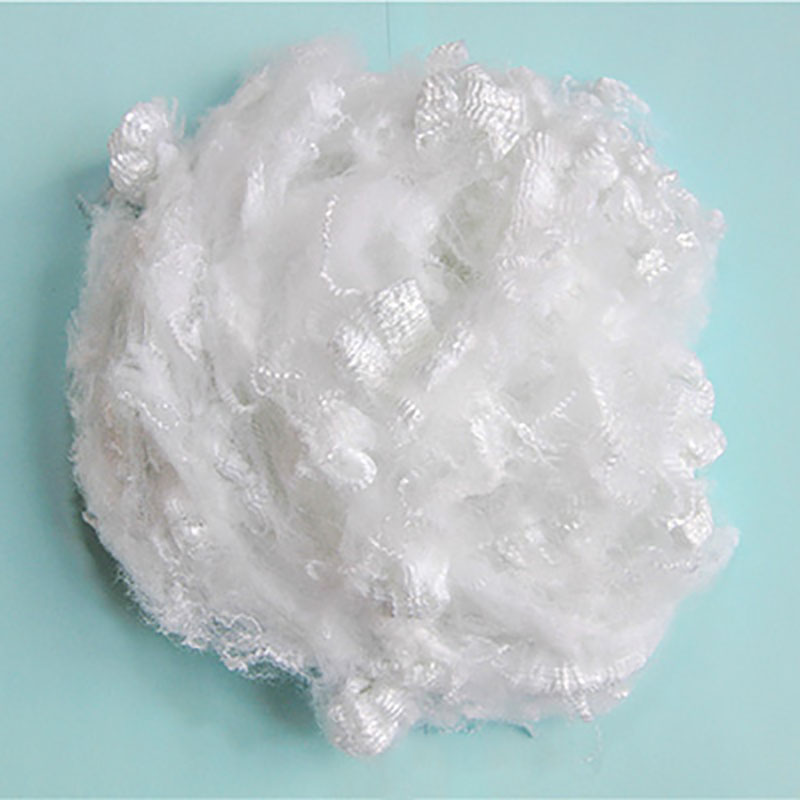
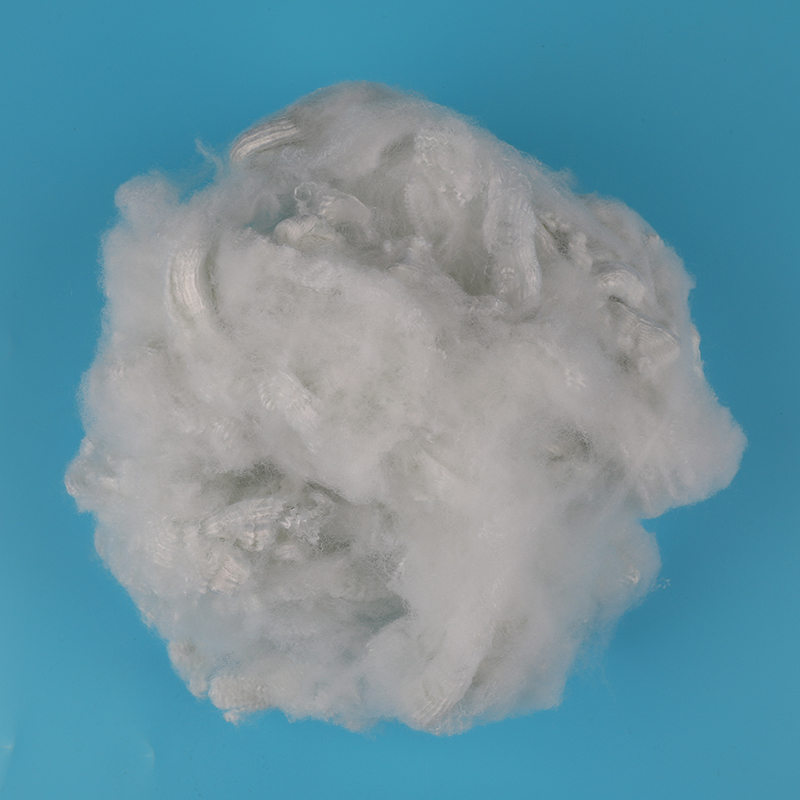
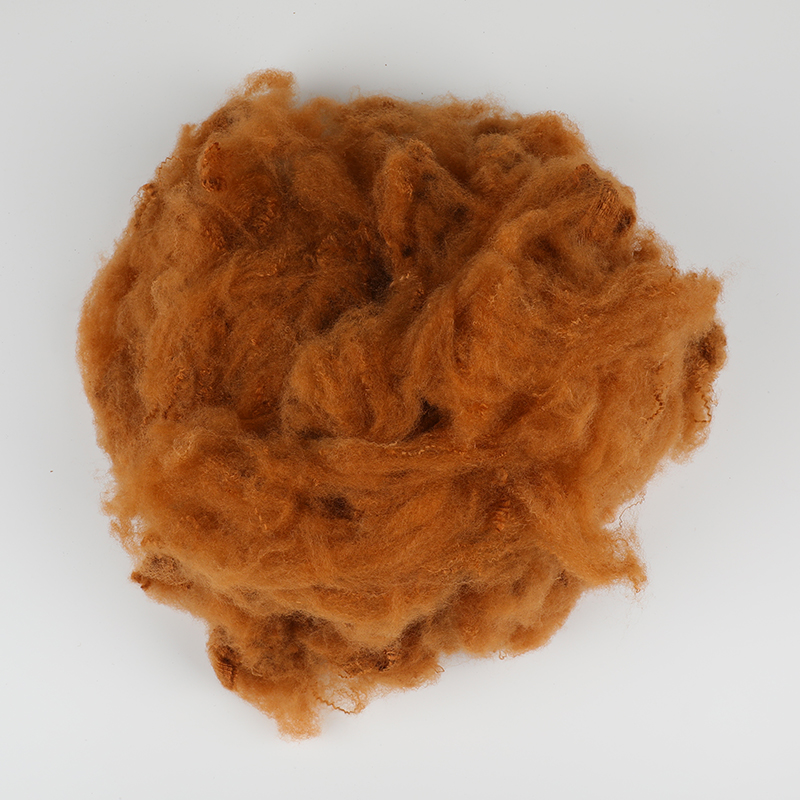
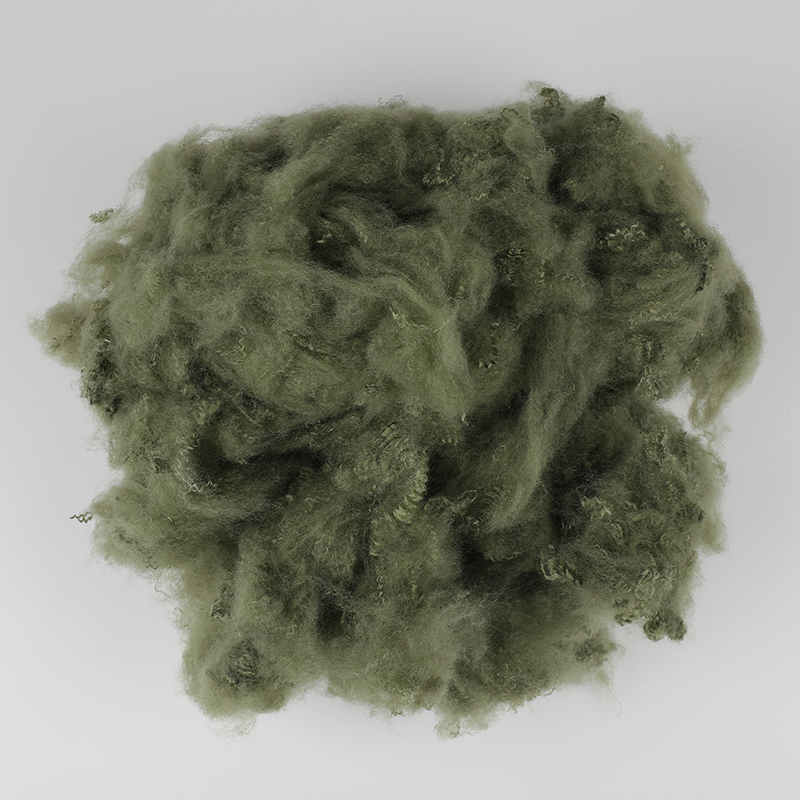
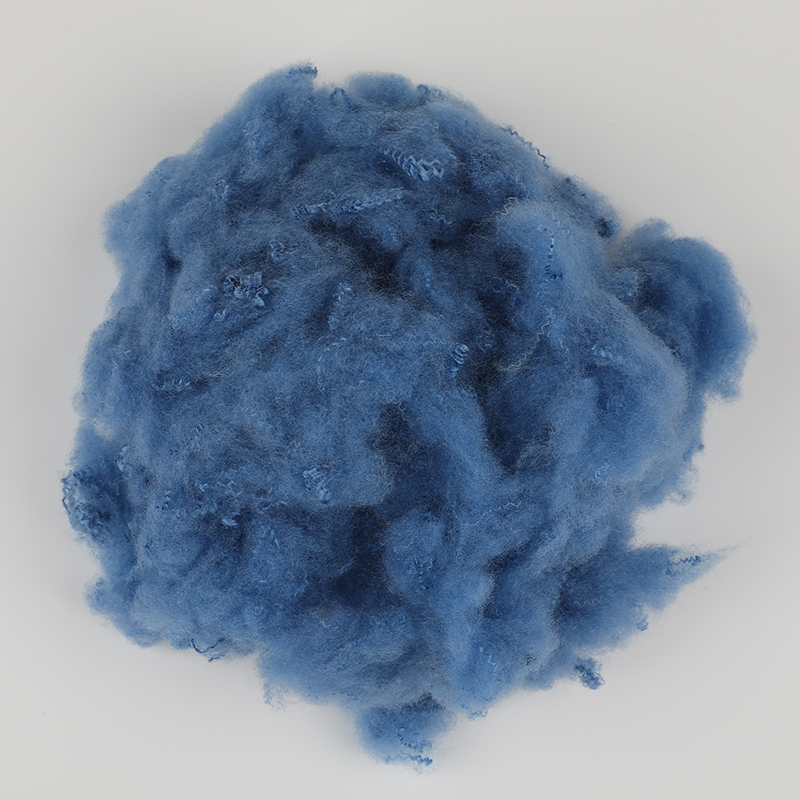
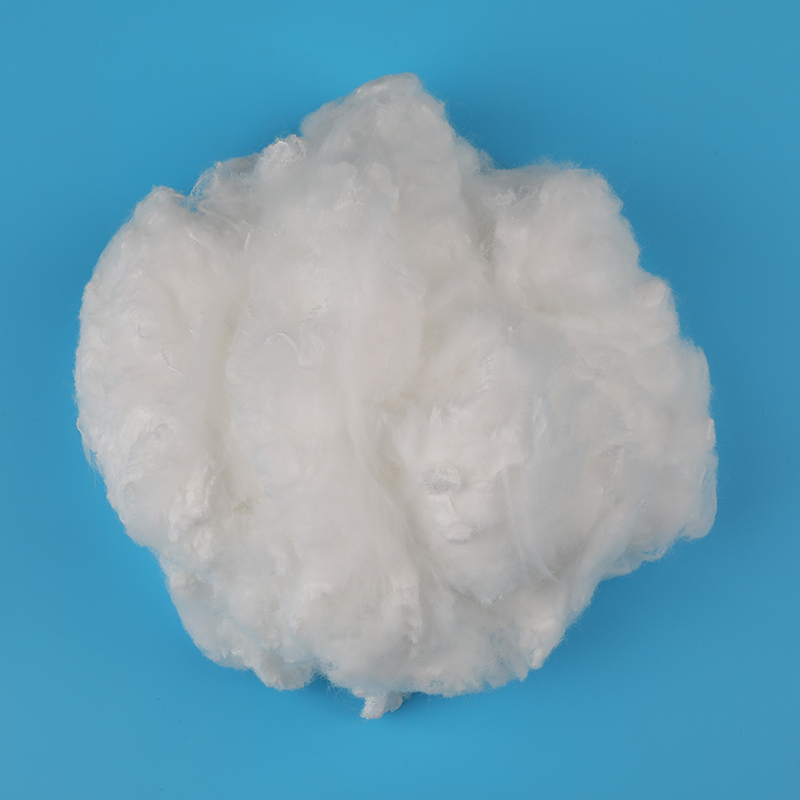
Polyester staple fiber (PSF) is the backbone of the modern textile and industrial materials industry, offering an unmatched combination of durability, versatility, and cost-effectiveness. Whether it is spun into comfortable apparel, integrated into automotive interiors, or used as high-performance insulation, PSF provides reliable solutions that synthetic continuous filaments or natural fibers alone cannot achieve. Its ability to be recycled and engineered for specific performance metrics ensures that it will remain a critical material in the global shift toward sustainable and functional manufacturing.
Understanding the fundamental properties, manufacturing processes, and diverse applications of PSF is essential for industry professionals seeking to optimize material selection. This article delves deep into the technical and practical aspects of polyester staple fiber, demonstrating why it continues to dominate the fiber landscape and how it is evolving to meet future environmental and performance demands.
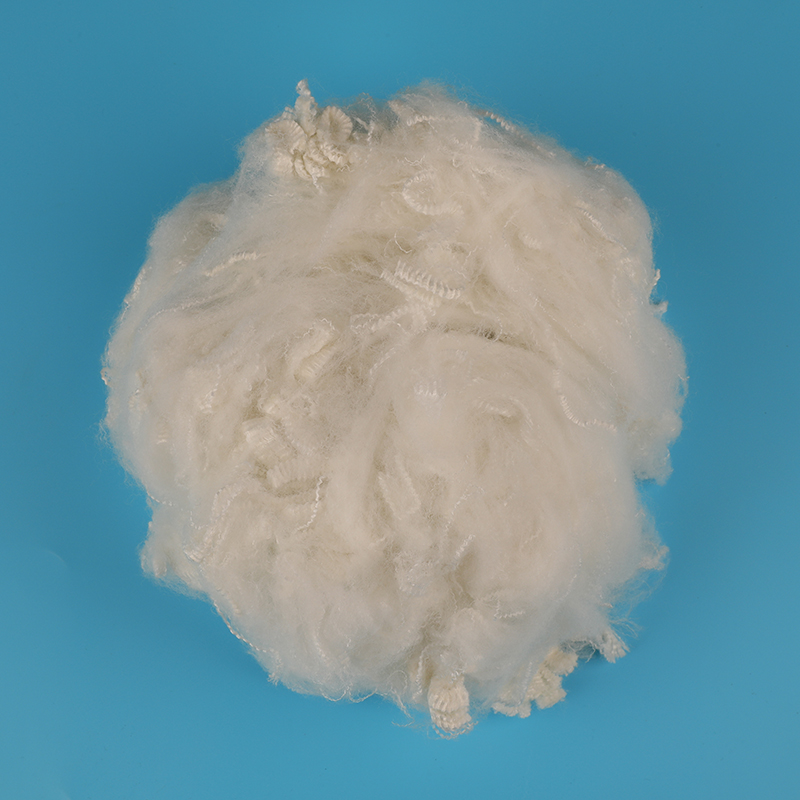
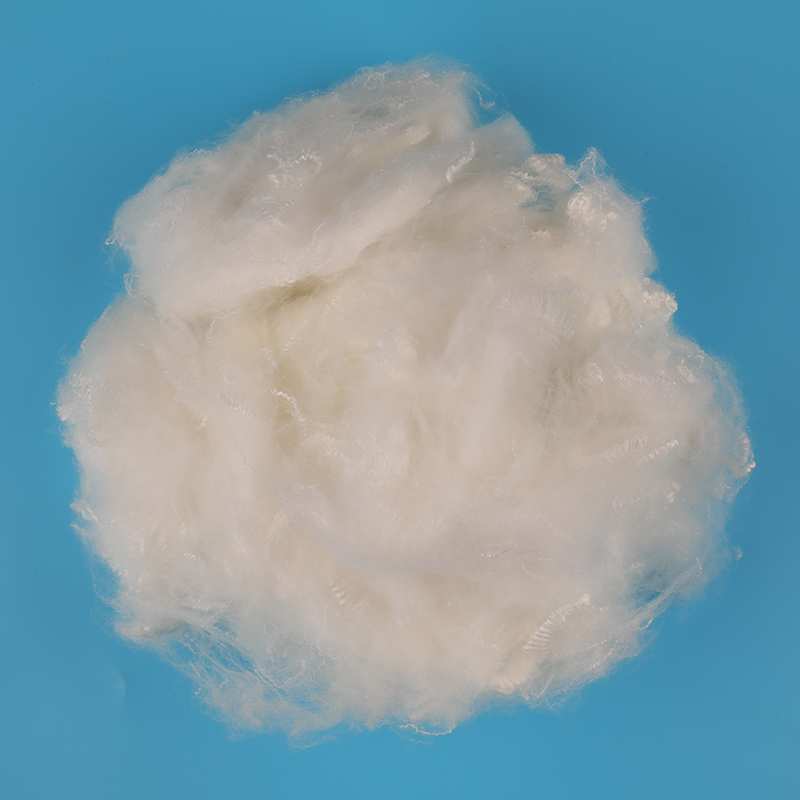
Polyester staple fiber, commonly abbreviated as PSF, is a synthetic fiber made from polymerized polyethylene terephthalate (PET). Unlike continuous filament yarn that runs in long, unbroken strands, staple fiber is cut into predetermined lengths. These cut lengths mimic the structure of natural fibers like cotton or wool, allowing them to be spun into yarn using traditional spinning machinery. The length and crimp of the staple fiber are precisely controlled during manufacturing to suit specific spinning systems and end-use requirements.
PSF is primarily categorized by its raw material source and its mechanical properties. Based on the source, it is divided into virgin PSF, which is derived directly from petrochemicals, and recycled PSF (rPSF), which is produced from post-consumer PET bottle flakes. Based on properties, it is classified into regular and high-tenacity fibers. The following table highlights the core differences between the main types:
| Type | Raw Material | Key Characteristic | Primary Use Case |
|---|---|---|---|
| Virgin PSF | Petrochemical PTA and MEG | Consistent high quality and purity | Apparel and medical textiles |
| Recycled PSF | Post-consumer PET bottles | Eco-friendly, reduces carbon footprint | Filling, home textiles, automotive |
| High-Tenacity PSF | Modified PET polymer | Superior strength and abrasion resistance | Sewing thread and industrial belts |
One of the most compelling reasons manufacturers choose PSF is its exceptional strength-to-weight ratio. Polyester fibers exhibit high tensile strength, meaning they can withstand significant pulling forces without breaking. High-tenacity PSF variants offer roughly double the strength of regular PSF, making them indispensable in applications where structural integrity is paramount. Furthermore, PSF boasts excellent recovery properties; it resists wrinkling and maintains its shape even after repeated stretching and washing, ensuring the longevity of the end product.
PSF is inherently hydrophobic, meaning it repels water rather than absorbing it. This low moisture regain results in incredibly fast drying times and prevents the fiber from weakening when wet, a distinct advantage over natural alternatives like cotton. Additionally, polyester staple fiber is highly resistant to a wide range of chemicals, including weak acids, oxidizing agents, and common solvents. It is also inherently resistant to mold, mildew, and insect damage, allowing it to be stored and used in demanding environmental conditions without degrading.
When exposed to heat, PSF demonstrates remarkable stability. It can withstand high-temperature washing and drying cycles without shrinking or losing its structural form. This thermal stability is crucial for industrial applications where the material may be exposed to friction-generated heat or hot environments. By applying heat-setting treatments during production, the crimp and cross-sectional shape of the fiber are permanently locked in, ensuring the final product maintains its intended dimensions and loft throughout its lifespan.
The textile industry remains the largest consumer of PSF. In apparel, it is frequently blended with cotton, viscose, or wool to create fabrics that combine the comfort of natural fibers with the durability and easy-care properties of polyester. A classic example is the poly-cotton blend, which resists shrinking and wrinkling far better than pure cotton. PSF can also be engineered with special cross-sections to enhance moisture wicking, making it a preferred choice for activewear and performance sportswear.
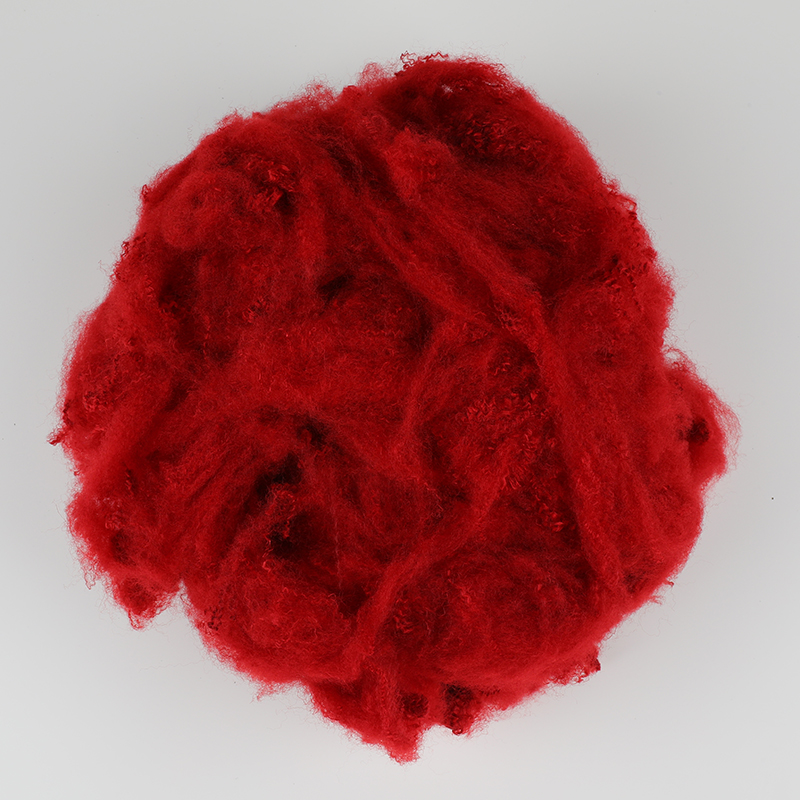
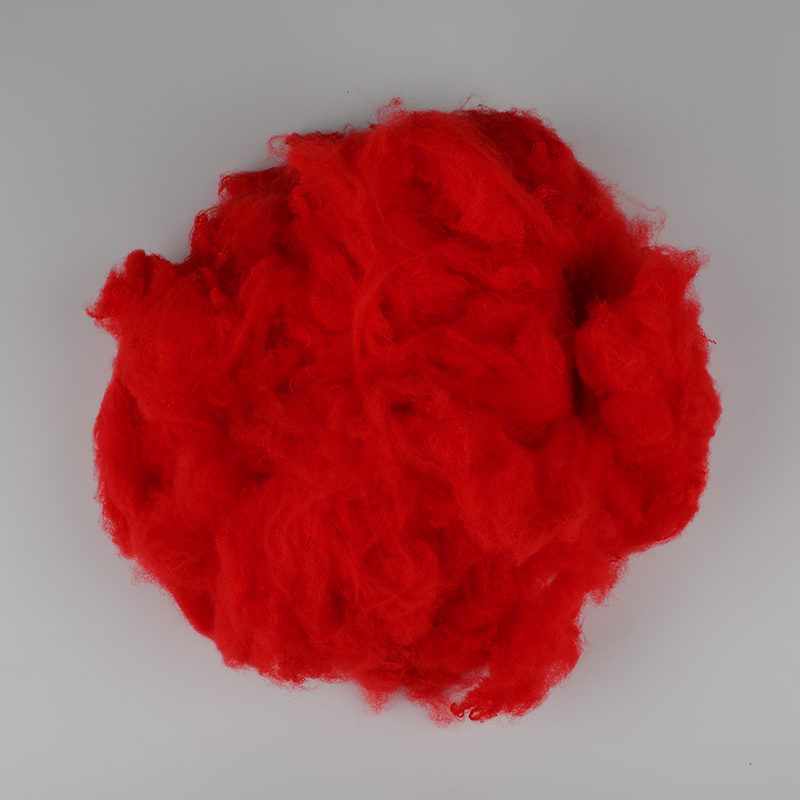
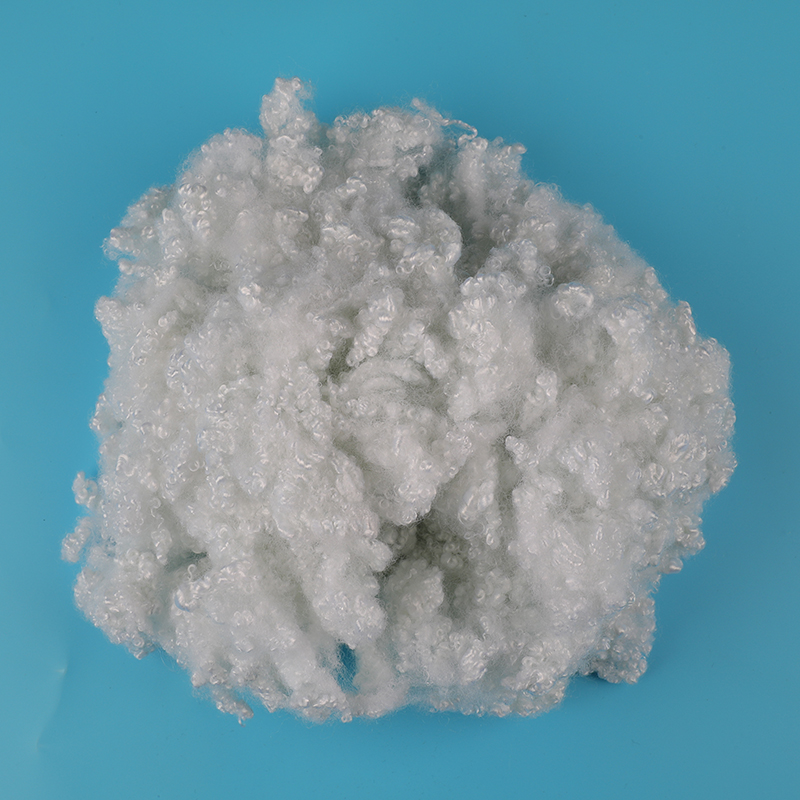
In home textiles, PSF is utilized both as a structural component and as filling material. Hollow conjugated PSF, which features a hollow core and a spiraled crimp, is extensively used as a premium filling for pillows, duvets, and stuffed toys because it provides excellent loft, softness, and thermal insulation. For upholstery, solution-dyed PSF is heavily relied upon. The pigment is added during the molten polymer stage, ensuring that the color is embedded throughout the fiber rather than just on the surface, resulting in exceptional resistance to fading from UV exposure and harsh cleaning chemicals.
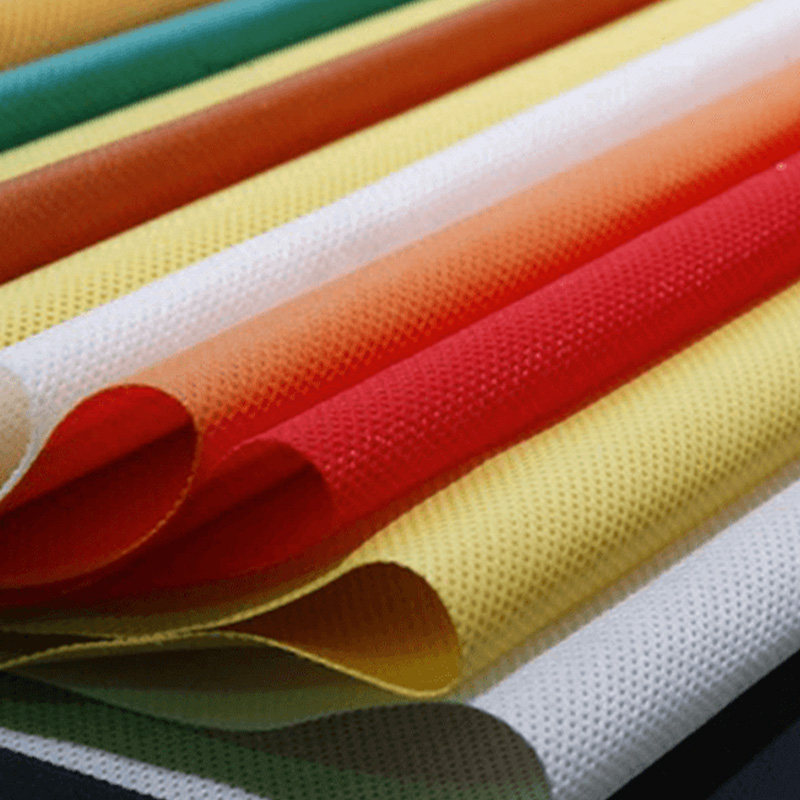
The automotive sector relies on PSF for a variety of non-woven applications. Car seat covers, headliners, trunk liners, and door panels are frequently manufactured using polyester staple fiber. Its ability to be molded into complex shapes using heat, combined with its resistance to abrasion and fading, makes it ideal for vehicle interiors. Furthermore, recycled PSF is increasingly specified by automakers looking to meet strict sustainability targets and reduce the overall carbon footprint of their vehicles.
In industrial filtration, PSF is the workhorse material for both dry and wet filtration systems. Needlefelt non-woven fabrics made from PSF are used to capture particulate matter in power plants, cement factories, and HVAC systems. In civil engineering, PSF geotextiles are laid beneath roads and embankments. These geotextiles provide critical soil stabilization, prevent erosion, and allow for proper water drainage, significantly extending the lifespan of infrastructure projects.
The production of PSF begins with the polymerization of purified terephthalic acid (PTA) and monoethylene glycol (MEG) to form PET resin. This resin is dried to prevent hydrolysis and then fed into an extruder, where it is melted at high temperatures. The molten polymer is forced through a spinneret, a metal plate with thousands of microscopic holes, forming continuous filaments. The geometry of these holes determines the cross-sectional shape of the fiber, which can be engineered to provide specific characteristics such as increased surface area or enhanced soil-hiding properties.
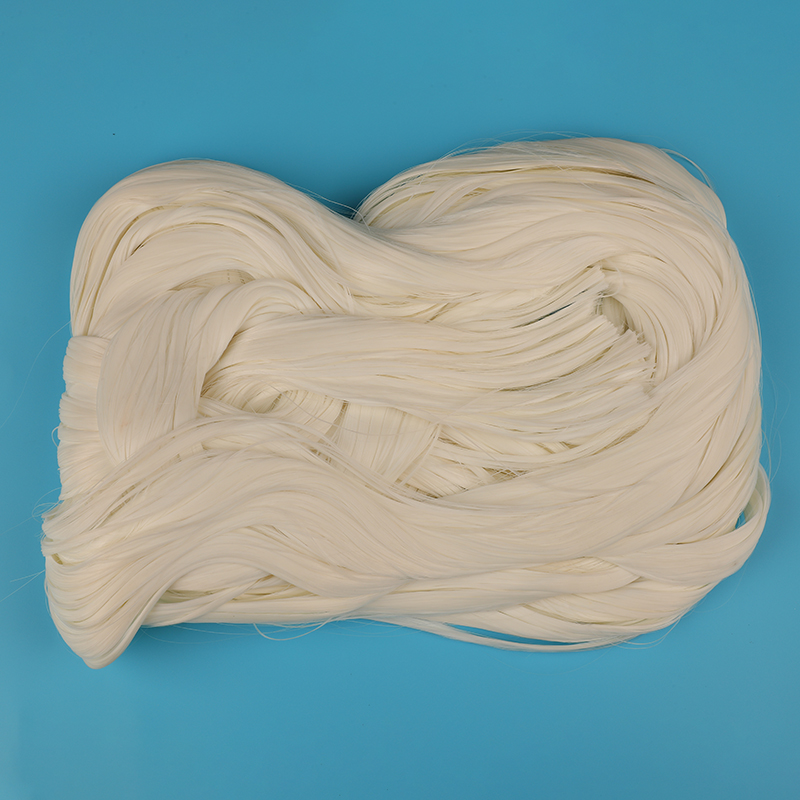
The newly extruded filaments are weak and lack structural orientation. To impart strength, the filaments undergo a drawing process where they are stretched to several times their original length, aligning the polymer molecules and increasing tenacity. Following drawing, the continuous tow is fed into a crimping machine, which compresses the fibers to create a zigzag or spiral wave pattern. This crimp is essential as it provides the fiber with cohesiveness, allowing it to be spun into yarn effectively. Finally, the crimped tow is passed through a cutter that slices it into precise staple lengths, typically ranging from short cuts suitable for cotton spinning to longer cuts designed for woolen systems.
Choosing the appropriate PSF for a specific application requires a careful evaluation of several technical parameters. Selecting the wrong specification can lead to poor processing performance or product failure. The following list outlines the critical factors to consider:
The environmental impact of virgin polyester production has driven a massive industry shift toward recycled polyester staple fiber. rPSF is primarily manufactured using mechanical recycling methods where post-consumer PET bottles are collected, cleaned, chopped into flakes, and then melted to create new fiber. This process diverts millions of plastic bottles from landfills and oceans. Producing recycled PSF consumes significantly less energy and generates a fraction of the carbon emissions compared to virgin polyester production, making it a cornerstone of circular economy initiatives within the textile sector.
While mechanical recycling is prevalent, it faces limitations regarding color consistency and the gradual degradation of polymer strength over multiple life cycles. Chemical recycling represents the next frontier for PSF sustainability. This advanced technology breaks down waste polyester into its fundamental monomers, purifies them, and repolymerizes the material into virgin-quality PET. This method allows for the recycling of colored and blended textiles that mechanical processes cannot handle, paving the way for truly closed-loop textile manufacturing.
Beyond recycling, the industry is actively developing bio-based PSF derived from renewable resources such as sugarcane or corn starch instead of petroleum. While still in the early stages of commercial scalability, bio-based polyesters offer the potential to further reduce the carbon footprint of synthetic fibers. As technological advancements continue and supply chains mature, the integration of bio-based and chemically recycled PSF will redefine the environmental profile of the global fiber industry.
Why is composite ES fiber gradually replacing traditional synthetic fibers?
2026-06-01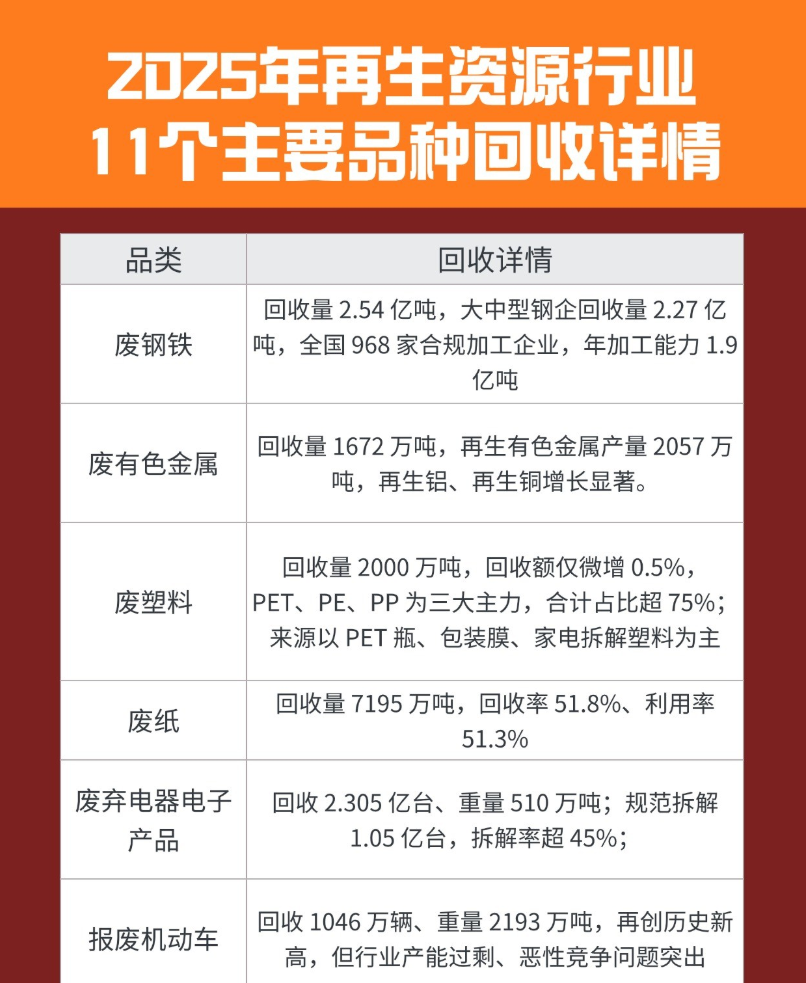
Recycling details of 11 major types of renewable resources industry in 2025
2026-06-18Your email address will not be published. Required fields are marked *

Focusing to the research and production of differentiated fiber. Applying recycle-material processing scientifically.
 86-18457317878
Zhulinjizhen, Xinfeng Town, Jiaxing City, Zhejiang Province
Copyright @ 2023 Jiaxing Fuda Chemical Fibre Factory All rights reserved
Polyester Staple Fiber Manufacturers

Friendship link - Anhui Fulin Environmental Protection Technology Co., Ltd.:https://www.ahflhb.com