en
en  English
 中文简体
中文简体 Español
 عربى
عربى
Product Consultation
Your email address will not be published. Required fields are marked *
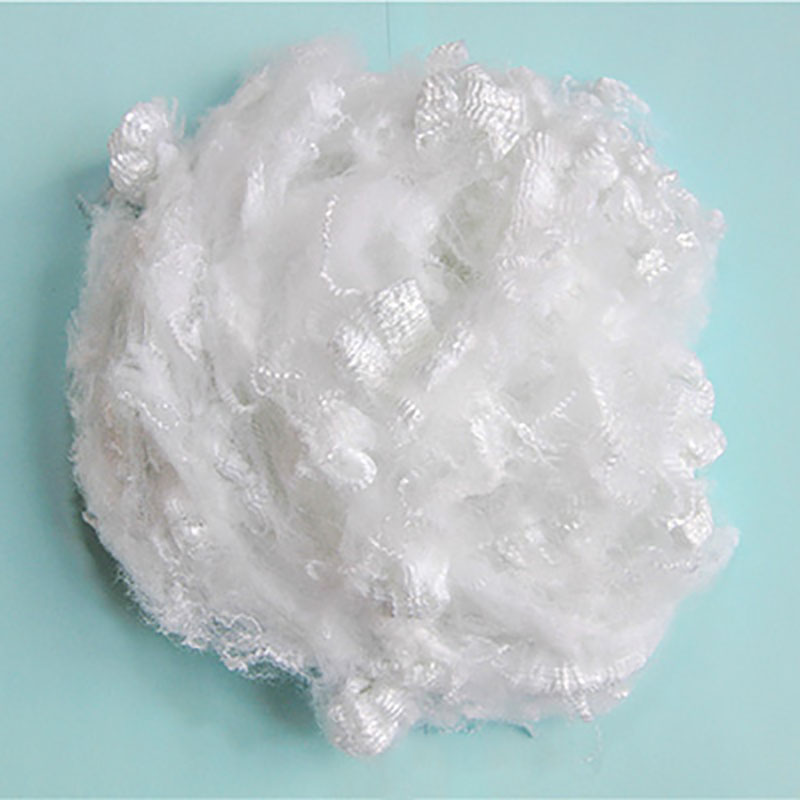
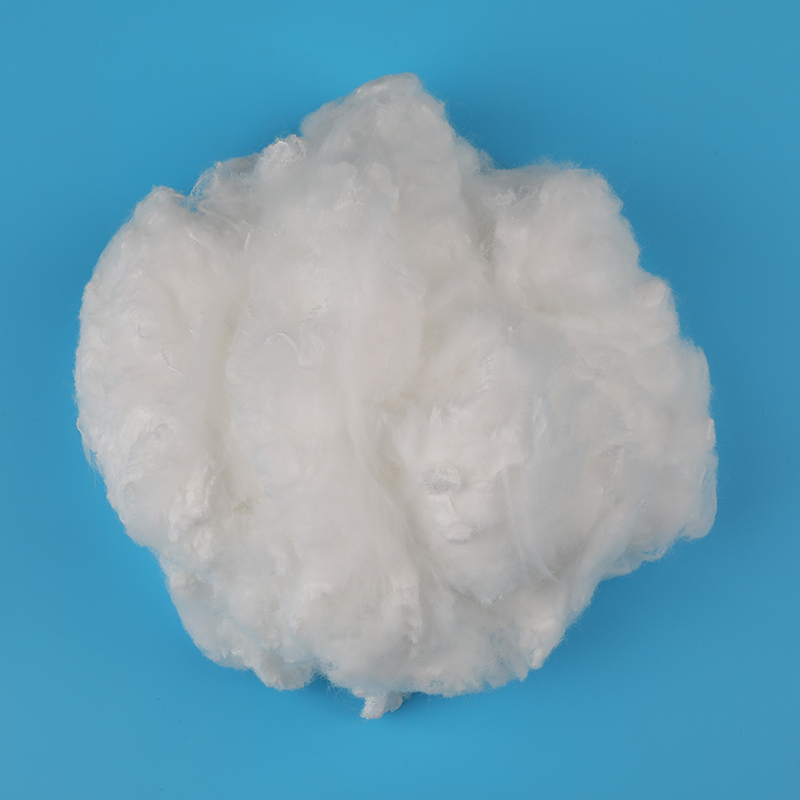
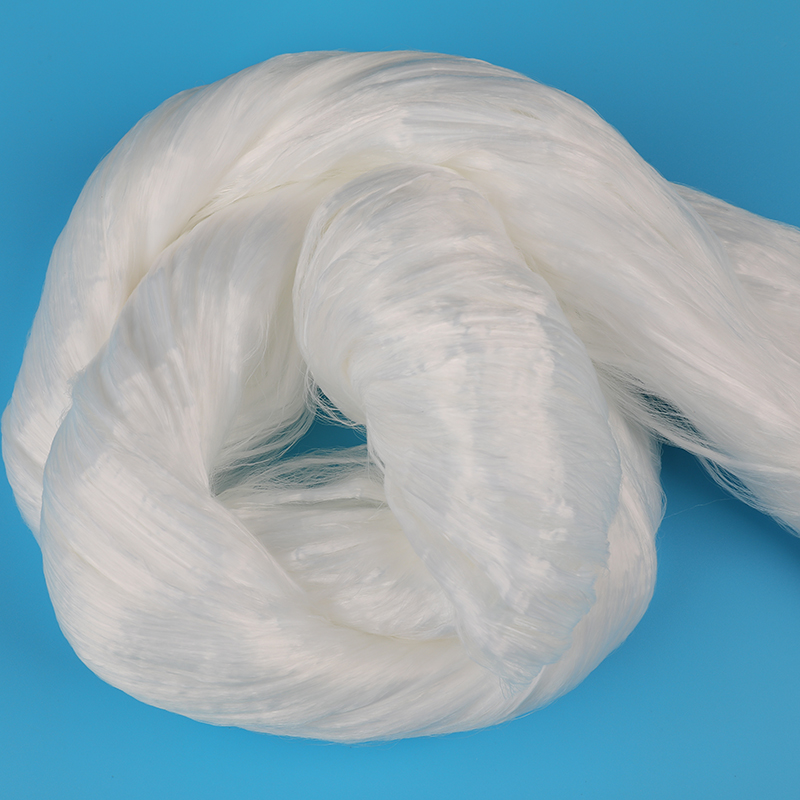
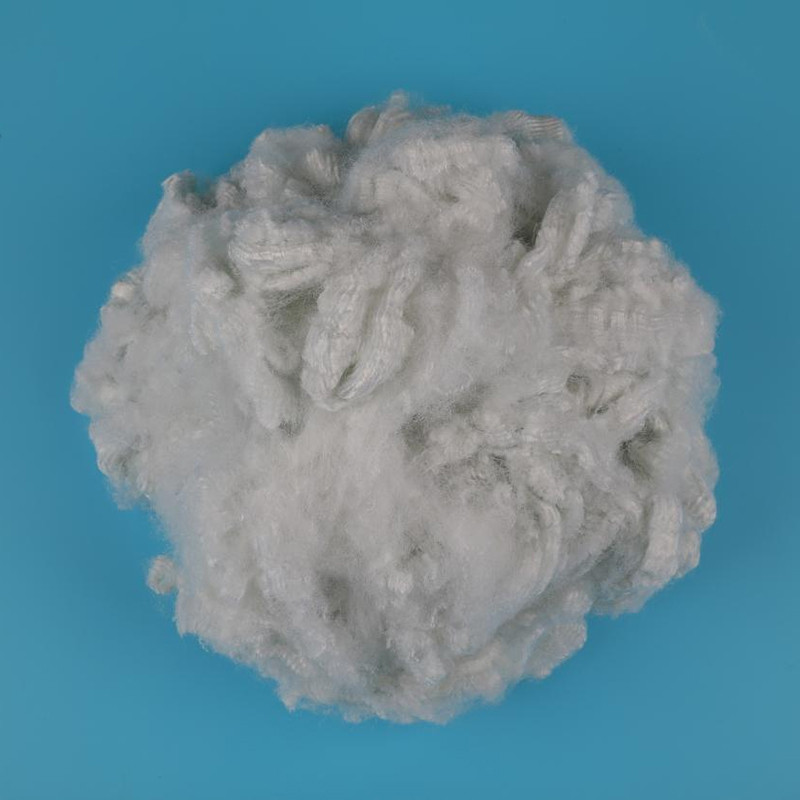
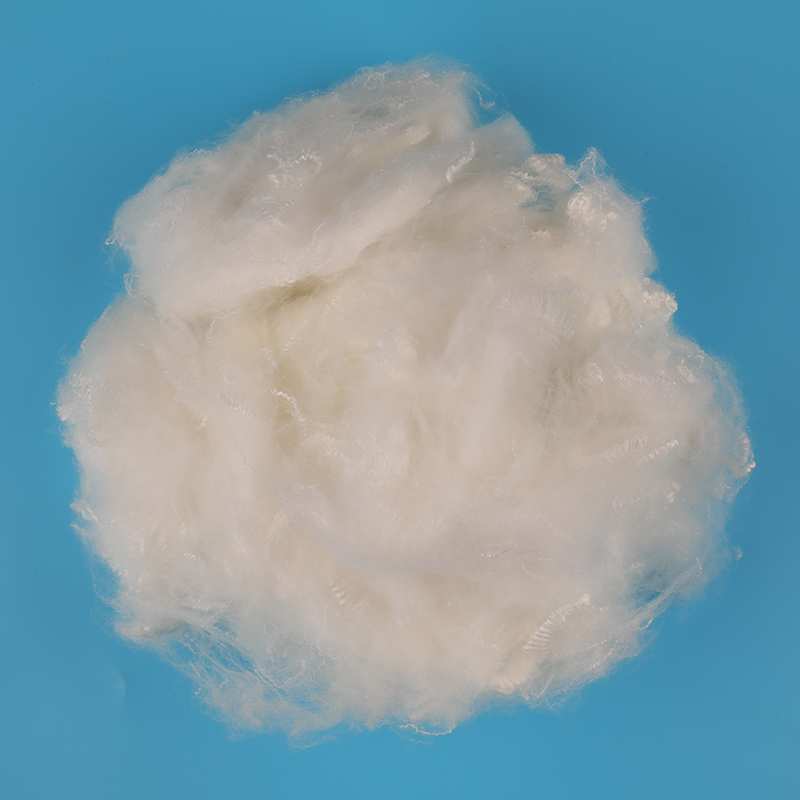
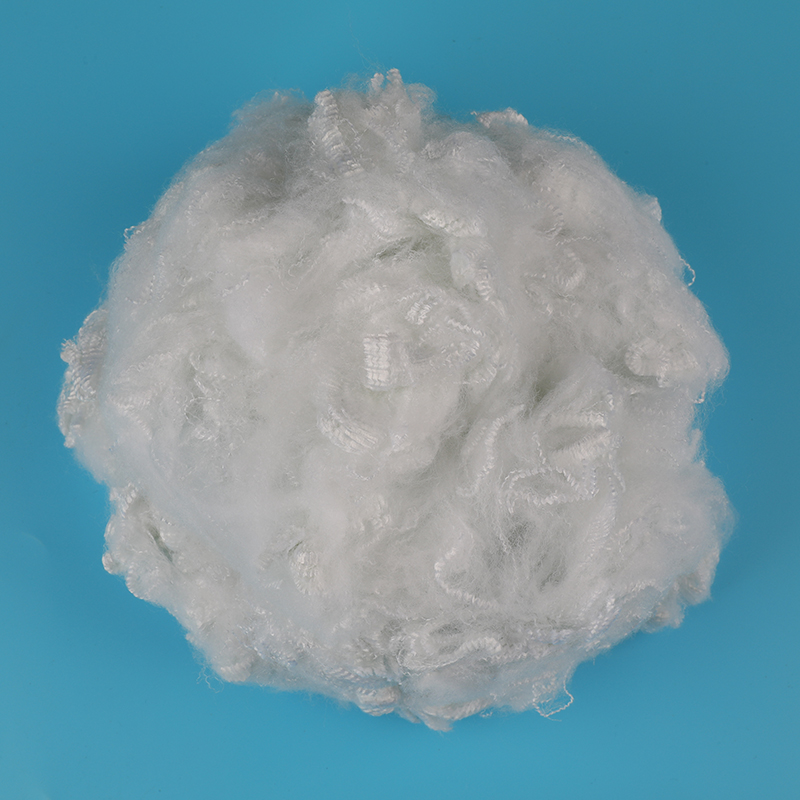
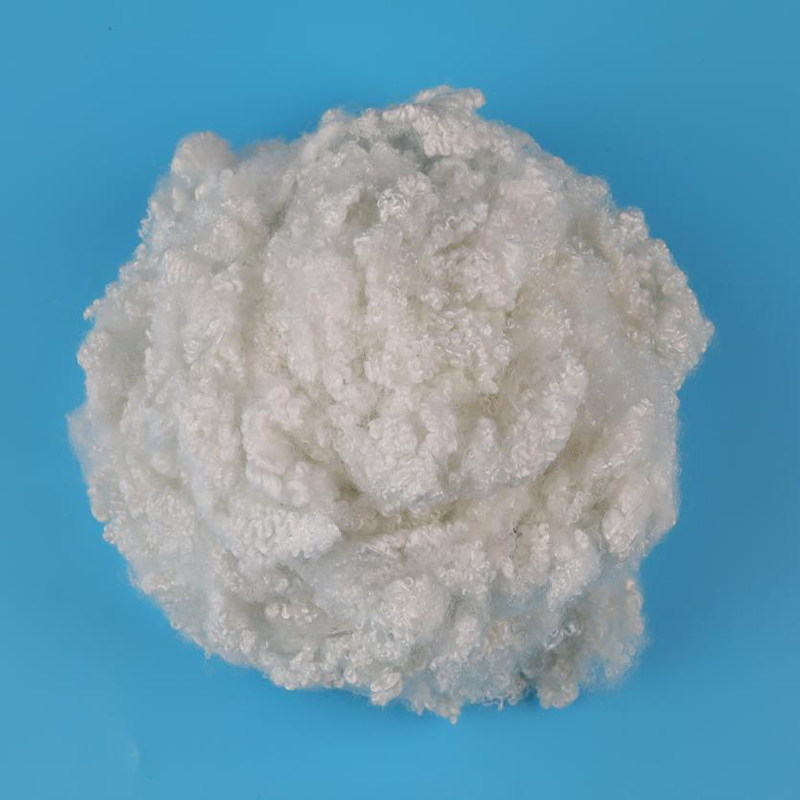
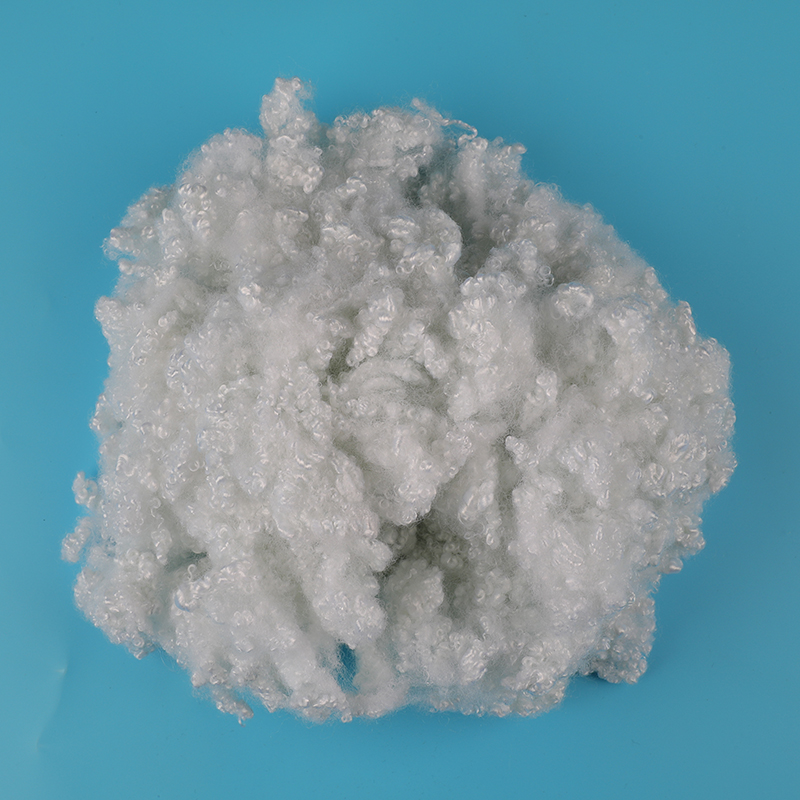
Composite ES fiber is a high-performance functional fiber material formed by compounding ethylene-propylene side branch copolymers and modified polymer components, with core advantages of high thermal stability, strong chemical corrosion resistance, uniform fiber fineness, and excellent bonding performance. It is not a single-component fiber, but a composite structural material optimized for multi-scenario applications, and has become an irreplaceable key material in industrial filtration, composite material reinforcement, non-woven fabrics, and special textile fields.
In practical industrial applications, the comprehensive performance of composite ES fiber is 30%-50% higher than that of traditional single polypropylene fiber, with longer service life, better processing adaptability, and wider environmental adaptability, which can meet the strict use requirements of high-temperature, corrosive, and high-load working conditions.
The core feature of composite ES fiber lies in its unique composite structure, which is completely different from the homogeneous structure of traditional synthetic fibers. This structure is formed by advanced composite spinning technology, integrating two or more polymer materials with complementary properties into a single fiber filament, so that the fiber has both the basic properties of raw materials and synergistic enhanced effects.
Most commercial composite ES fibers adopt a bi-component composite structure, mainly divided into core-shell structure and side-by-side structure. The core-shell structure uses high-strength polymer as the core layer and low-melting bonding component as the shell layer, which can achieve stable thermal bonding without damaging the core strength; the side-by-side structure combines two polymers with different shrinkage rates to endow the fiber with permanent crimp and elasticity.
This structural design makes the fiber have dual functional characteristics: the internal component provides mechanical support and structural stability, and the external component provides processability, surface adhesion and environmental adaptability. The two components are closely combined at the molecular level during the spinning process, without delamination or cracking during stretching, processing and use, ensuring the overall stability of the fiber.
The molecular chain arrangement of composite ES fiber is optimized by modification and composite technology, with moderate crystallinity and uniform crystal distribution. The crystallinity is controlled between 55% and 65%, which not only ensures the tensile strength and rigidity of the fiber, but also retains appropriate toughness and elongation, avoiding the brittleness caused by excessive crystallinity and the softness defect caused by low crystallinity.
The uniform crystalline structure also makes the fiber have consistent fineness and performance in the length direction, with a fineness error rate of less than 5%, which is far better than that of traditional single-component fibers. This uniformity is critical for industrial applications such as precision filtration and thin non-woven fabrics, directly determining the stability and consistency of the final product performance.
The outstanding performance of composite ES fiber comes from its optimized composite structure and formula design, covering thermal properties, mechanical properties, chemical resistance and processing properties, forming a complete performance system to adapt to various complex application scenarios.
Thermal stability is one of the core advantages of composite ES fiber. The long-term service temperature ranges from -40°C to 135°C, and the short-term temperature resistance can reach 150°C, which can maintain stable shape and performance in high-temperature environments, without melting, shrinkage or performance degradation. The bonding temperature of the fiber shell layer is low, generally between 100°C and 120°C, which can realize low-temperature hot bonding processing, reduce energy consumption and avoid damage to other matching materials.
Compared with traditional polypropylene fibers, composite ES fiber has a thermal shrinkage rate reduced by more than 60% under high-temperature conditions, and the dimensional stability is significantly improved. This characteristic makes it widely used in high-temperature filtration, automotive interior materials and other fields with strict thermal stability requirements.
Composite ES fiber has balanced mechanical properties, with tensile strength, elongation at break and wear resistance reaching an optimal match. The breaking strength of conventional filaments is 2.5-4.0 cN/dtex, and the elongation at break is controlled between 80% and 150%, which can withstand repeated stretching and friction without breaking. The fiber also has good bending resistance and fatigue resistance, and can maintain structural integrity after tens of thousands of times of bending and compression.
In composite material reinforcement applications, the fiber can form a stable mechanical interlock structure with the matrix material, improving the overall tensile strength and impact resistance of the composite material by more than 40%, and enhancing the structural stability and service life of the material.
This excellent chemical resistance makes composite ES fiber widely used in chemical filtration, marine textiles, industrial protective materials and other harsh environmental fields, solving the problem of short service life of traditional fibers in corrosive environments.
The production of composite ES fiber relies on professional bi-component spinning equipment and precise process control, which is more complex than traditional single-component fiber production, and the core lies in the synchronous conveying, composite spinning and post-processing of two polymer components.
The key to producing high-quality composite ES fiber is the precise control of process parameters. The temperature difference between the two extruders is controlled within 5°C, the melt pressure fluctuation is less than 1MPa, and the spinning speed is between 800m/min and 1500m/min. The drawing ratio is set according to the product performance requirements, generally between 2.0 and 3.5 times, to balance the strength and toughness of the fiber.
The heat setting process directly affects the thermal shrinkage rate of the fiber. The setting temperature is 10-20°C higher than the use temperature, and the setting time is controlled at 10-30 seconds, which can reduce the thermal shrinkage rate of the fiber to less than 2%, meeting the requirements of high-dimensional stability applications.
With its comprehensive performance advantages, composite ES fiber has been widely used in industrial manufacturing, environmental protection, textile, automotive and other fields, and has become a high-performance alternative to traditional synthetic fibers, creating huge economic and social value.
Industrial filtration is the largest application field of composite ES fiber, accounting for more than 40% of the total consumption. The fiber is made into non-woven filter materials, which are used in high-temperature flue gas filtration, industrial wastewater filtration, chemical liquid purification and other scenarios. The filtration efficiency can reach more than 99.5%, and the service life is 3-5 times that of traditional polypropylene filter materials.
The low-pressure drop characteristic of composite ES fiber filter materials reduces the operating energy consumption of filtration equipment by 20%-30%, and has good backwash resistance, realizing repeated use and reducing the use cost of enterprises. It is widely used in steel, cement, chemical, pharmaceutical and other industries' environmental protection treatment systems.
Composite ES fiber is an excellent reinforcement material for polymer-based composites, which can be mixed with thermosetting and thermoplastic resins to prepare reinforced composites with high strength, light weight and corrosion resistance. These composites are used in automotive parts, construction templates, sports equipment and other fields, reducing the weight of products by 30%-50% while improving mechanical strength.
The fiber has good compatibility with resin matrix, uniform dispersion, no agglomeration, and forms a three-dimensional reinforcement structure inside the composite material, effectively inhibiting crack propagation and improving the impact resistance and fatigue resistance of the material.
In the non-woven fabric industry, composite ES fiber is mainly used to produce hot-bonded non-woven fabrics, which are used in sanitary materials, medical supplies, automotive interiors and geotextiles. The low-temperature bonding performance of the fiber simplifies the production process, improves production efficiency, and the prepared non-woven fabrics have soft hand feeling, high strength and good air permeability.
In the textile field, the fiber is blended with natural fibers and other synthetic fibers to make functional textiles with waterproof, anti-aging and high wear resistance, which are used in outdoor sports, industrial protective clothing and other products, significantly improving the service life and functional performance of textiles.
Composite ES fiber is also used in battery separators, sound insulation materials, insulation materials and other special fields. Its excellent electrical insulation and thermal stability make it an ideal material for electronic and electrical insulation parts; the porous structure formed after processing gives it good sound absorption and noise reduction performance, which is used in building and automotive sound insulation systems.
To more intuitively reflect the advantages of composite ES fiber, we compare it with traditional polypropylene fiber, polyester fiber and polyethylene fiber in key performance indicators, as shown in the table below:
| Performance Index | Composite ES Fiber | Traditional Polypropylene Fiber | Polyester Fiber |
|---|---|---|---|
| Long-term Service Temperature | -40℃~135℃ | -20℃~100℃ | -30℃~120℃ |
| Thermal Shrinkage Rate | <2% | 5%-8% | 3%-5% |
| Chemical Resistance | Excellent | Good | Medium |
| Bonding Performance | Excellent | Poor | Medium |
The data shows that composite ES fiber has obvious advantages in thermal stability, dimensional stability, chemical resistance and bonding performance, making up for the performance defects of traditional fibers, and is more suitable for high-performance and high-demand application scenarios.
With the continuous progress of material technology and the expansion of industrial demand, composite ES fiber is developing in the direction of high functionalization, refinement, green environmental protection and multi-component compounding, and its application scope and market scale will be further expanded.
The future research and development of composite ES fiber will focus on the preparation of ultra-fine denier and functional composite fibers. The fineness of ultra-fine composite ES fiber will be reduced to below 0.5dtex, with larger specific surface area and higher filtration precision, which will be used in precision filtration and biomedical fields; at the same time, conductive, antibacterial, flame retardant and other functional components will be introduced to prepare multi-functional composite fibers to meet the personalized needs of different industries.
In response to the global call for environmental protection, the production of composite ES fiber will adopt bio-based polymers and recycled polymer raw materials, reducing the dependence on petroleum-based resources. The production process will optimize energy consumption and waste emissions, realizing low-carbon and green production. The recycled composite ES fiber has reached the performance level of virgin fiber, and its application proportion will increase year by year.
In the future, composite ES fiber will be widely used in emerging fields such as new energy, aerospace, and intelligent textiles. In the new energy field, it is used in hydrogen fuel cell components and battery pack insulation materials; in aerospace, it is used in lightweight structural parts and thermal insulation materials; in intelligent textiles, it is combined with sensing materials to prepare wearable functional textiles with high stability and durability.
With technological iteration and cost reduction, composite ES fiber will gradually replace traditional synthetic fibers in more fields, becoming one of the core materials of the new generation of functional fibers, and providing strong material support for the upgrading and development of industrial manufacturing, environmental protection and textile industries.
What is Recycle Wool Spinning Fiber? How can old sweaters be transformed into high-end new yarn?
2026-05-22
In which industries can polyester staple fiber (PSF) be used?
2026-06-08Your email address will not be published. Required fields are marked *

Focusing to the research and production of differentiated fiber. Applying recycle-material processing scientifically.
 86-18457317878
Zhulinjizhen, Xinfeng Town, Jiaxing City, Zhejiang Province
Copyright @ 2023 Jiaxing Fuda Chemical Fibre Factory All rights reserved
Polyester Staple Fiber Manufacturers

Friendship link - Anhui Fulin Environmental Protection Technology Co., Ltd.:https://www.ahflhb.com