en
en  English
 中文简体
中文简体 Español
 عربى
عربى
Product Consultation
Your email address will not be published. Required fields are marked *
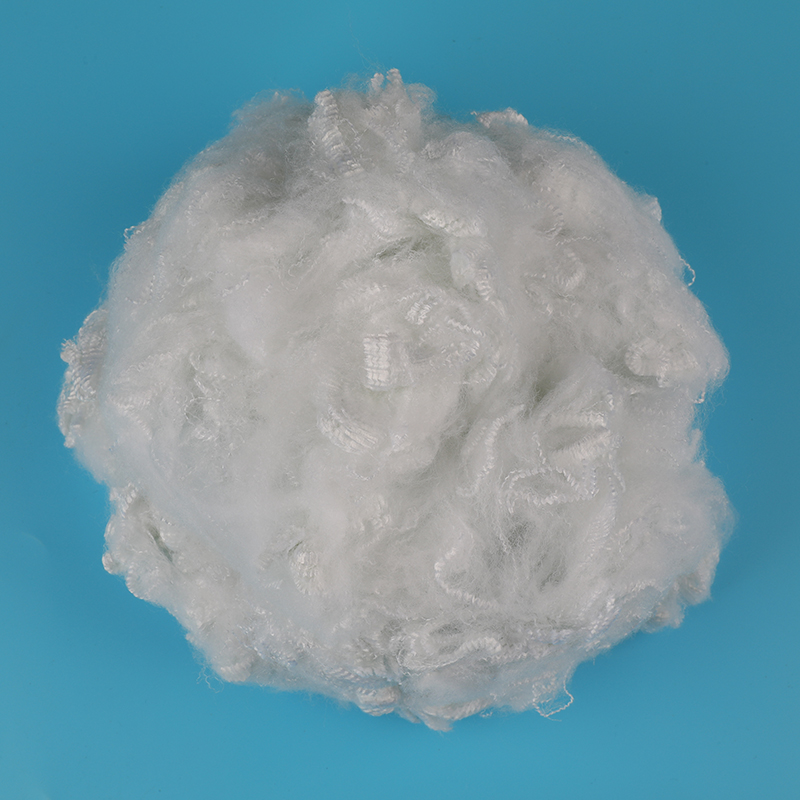
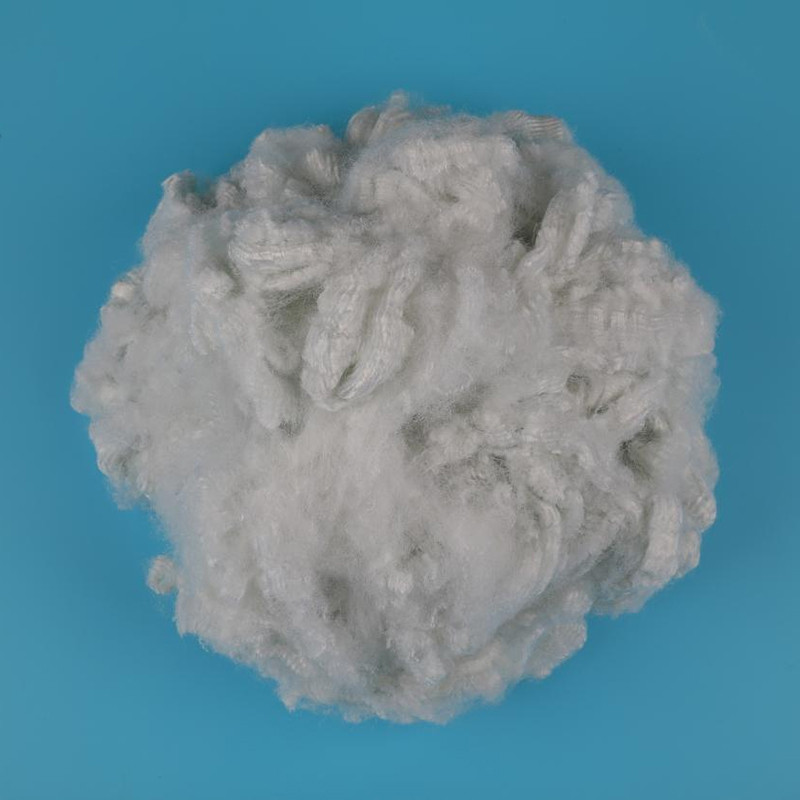
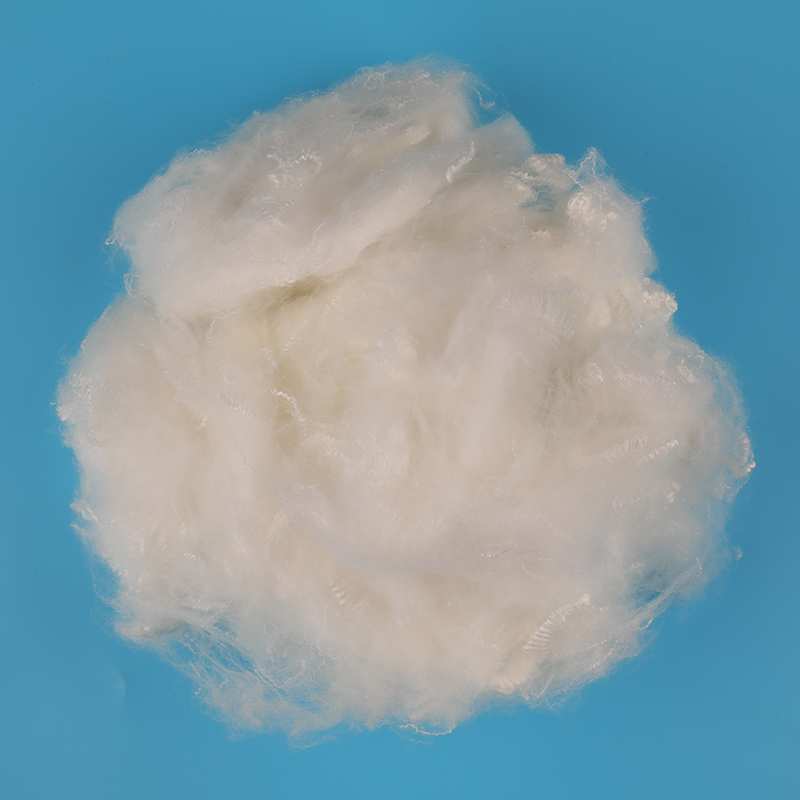
PE/PET bicomponent fiber is a highly engineered composite material designed with a low-melting-point polyethylene (PE) sheath and a high-strength polyester (PET) core. This specific configuration makes it the premier choice for manufacturing premium nonwovens. Its core value lies in its ability to achieve thermal bonding at relatively low temperatures while maintaining the high tensile strength and structural stability provided by the PET core. This dual characteristic makes it indispensable in hygiene products, automotive interiors, and advanced filtration systems, perfectly combining processing efficiency with final product durability.
The most common and effective structural design for PE/PET bicomponent fiber is the sheath-core configuration. In this layout, the outer layer and the inner layer serve completely different but complementary roles. Understanding this structure is essential for fully utilizing the material in various manufacturing processes.
The outer sheath is composed of polyethylene, which has a relatively low melting point. During the thermal bonding process, this outer sheath softens and melts, acting as an adhesive that locks the crossing fibers together. Once cooled, it forms a solid, stable bond point. The low melting point of the sheath drastically reduces the processing temperature required for thermal bonding the fiber web, which leads to significant energy savings during production.
The inner core is made of polyester, a material that maintains its solid state and physical integrity even at higher temperatures. During the bonding process, the PET core does not melt, thereby providing the backbone for the nonwoven structure. This ensures that the final fabric does not lose its shape or strength even when the PE bonding points soften. The core provides superior tensile strength, excellent elastic recovery, and dimensional stability to the end product.
| Structural Layer | Material | Primary Function | Thermal Reaction |
|---|---|---|---|
| Sheath | Polyethylene (PE) | Provides thermal bonding capability | Melts at low temperatures |
| Core | Polyester (PET) | Maintains strength and structure | Remains solid and unmelted |
The production of PE/PET bicomponent fiber involves advanced composite spinning technology. The two distinct polymers are converged in a specialized spinneret, extruded, and then drawn into continuous filaments. The high degree of customization available in this manufacturing process is the primary reason it can meet such a diverse range of industrial requirements.
Due to its unique thermal and mechanical properties, PE/PET bicomponent fiber is utilized in a variety of highly demanding sectors. Its versatility makes it an invisible but crucial component in many everyday and industrial products.
In the hygiene sector, softness and breathability are paramount. Through-air bonded nonwovens made from this fiber are extensively used in the leg cuffs of diapers, the top sheets of sanitary napkins, and adult incontinence products. The low bonding temperature ensures the final product is exceptionally soft against the skin, while the PET core provides the necessary stretch and strength for the wearer's comfort. In the medical field, they are utilized in surgical gowns and drapes, offering a reliable bacterial barrier while maintaining breathability.
The automotive industry demands materials that can withstand harsh environments and maintain performance over time. PE/PET bicomponent fibers are heavily used in car carpet backings, seat trim, and headliners. These components require high durability, abrasion resistance, and dimensional stability despite temperature fluctuations. The composite fiber structure ensures these interior parts remain intact throughout the vehicle's lifespan without sagging or tearing.
Filtration technology relies heavily on this specialized fiber. For air filtration, these fibers can form gradient density structures that effectively capture particulate matter of varying sizes. The low-melting PE sheath allows the fibers to self-bond at crossover points, creating a rigid three-dimensional skeleton that will not deform under airflow pressure. In liquid filtration, they provide the necessary chemical compatibility and mechanical strength to ensure the integrity of the filtration medium.
When compared to single-component fibers or nonwovens that rely on chemical binders, PE/PET bicomponent fibers offer several decisive advantages. These benefits translate directly into improved manufacturing efficiency and superior end-product quality.
As global industries transition towards sustainable practices, the environmental attributes of PE/PET bicomponent fiber have become increasingly important. Although it is made from synthetic polymers, it offers significant advantages in terms of lifecycle management and recyclability.
First, the absence of chemical binders in the manufacturing process means the end product is essentially one hundred percent recyclable. Both materials are thermoplastics, which can be remelted and extruded from manufacturing scraps or post-consumer waste. Furthermore, the lower thermal bonding temperature directly contributes to reduced energy consumption during production, thereby minimizing greenhouse gas emissions.
Additionally, nonwovens made from these fibers are generally durable and have a long service life, particularly in filtration and automotive applications. This reduces the need for frequent product replacements and minimizes overall material consumption over time. By utilizing post-consumer recycled PET for the core, the industry is actively reducing its reliance on virgin petroleum-based materials, pushing material science towards a more circular economic model.
The future of bicomponent fiber technology lies in further miniaturization and functionalization. Ultra-fine sheath-core fibers are currently being developed to create biomimetic filtration materials and synthetic leathers used in advanced medical environments. Another exciting area of development is the incorporation of active substances, such as antimicrobial agents or flame retardants, into the sheath. These substances can be locked into the fiber matrix during the thermal process, imparting unique properties to the final fabric without compromising structural strength. As the demand for high-performance, lightweight, and environmentally friendly textiles grows, PE/PET bicomponent fiber will undoubtedly play an even more critical role in advanced manufacturing.
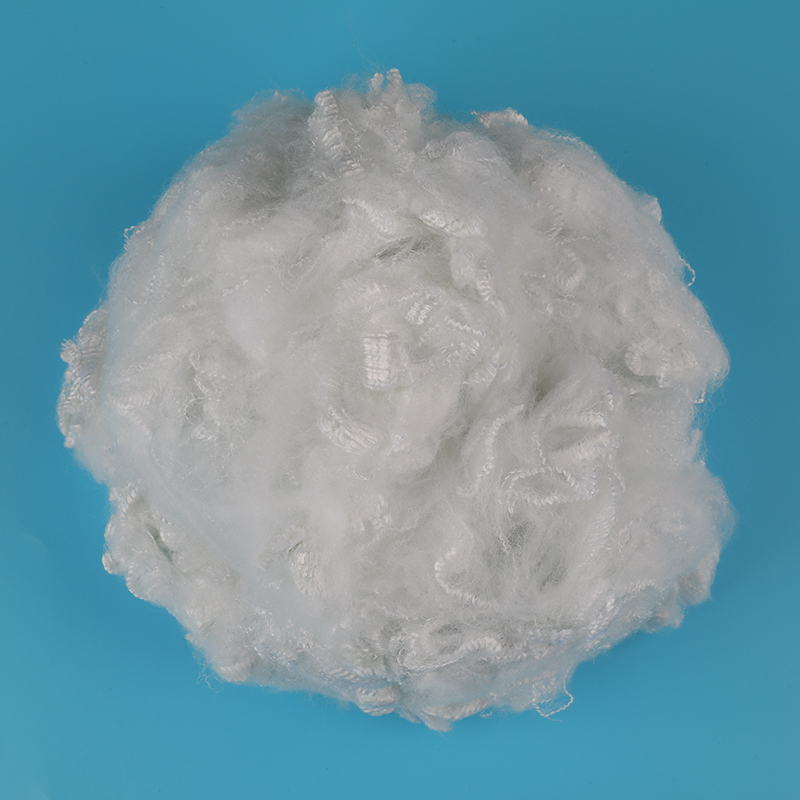
What Is the Difference Between Raw White and Dyed Non-Woven Staple Fibers?
2026-07-15
Low-denier vs. high-denier fiber: what are their application differences?
2026-07-31Your email address will not be published. Required fields are marked *

Focusing to the research and production of differentiated fiber. Applying recycle-material processing scientifically.
 86-18457317878
Zhulinjizhen, Xinfeng Town, Jiaxing City, Zhejiang Province
Copyright @ 2023 Jiaxing Fuda Chemical Fibre Factory All rights reserved
Polyester Staple Fiber Manufacturers

Friendship link - Anhui Fulin Environmental Protection Technology Co., Ltd.:https://www.ahflhb.com