en
en  English
 中文简体
中文简体 Español
 عربى
عربى
Product Consultation
Your email address will not be published. Required fields are marked *
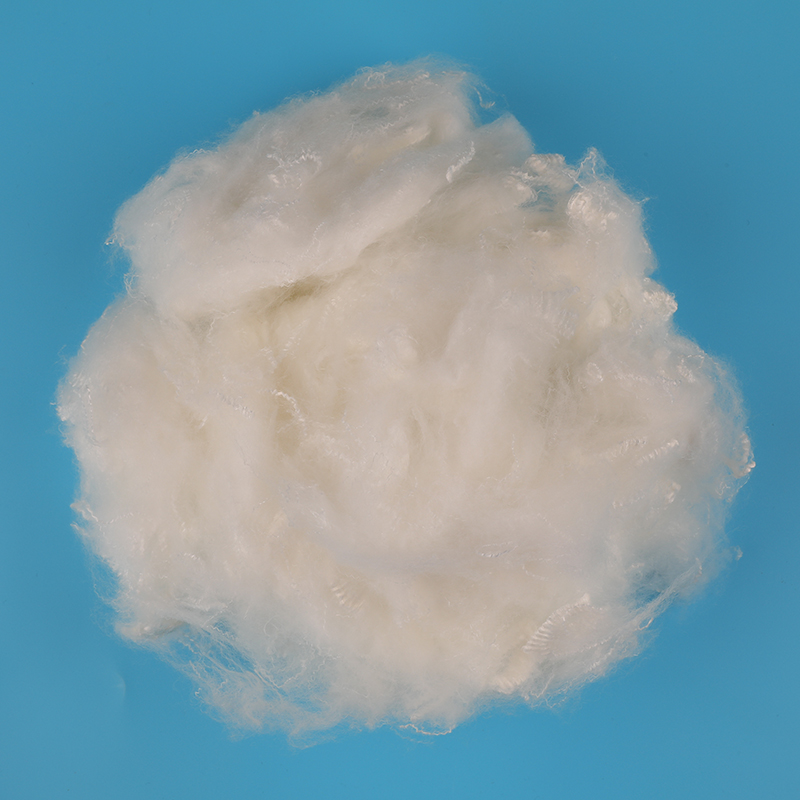
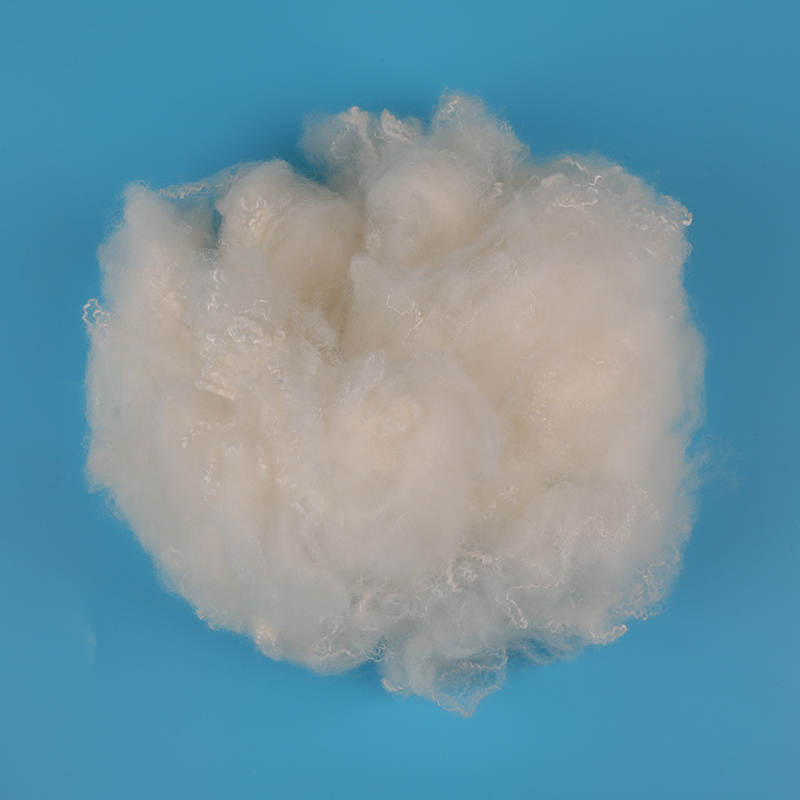
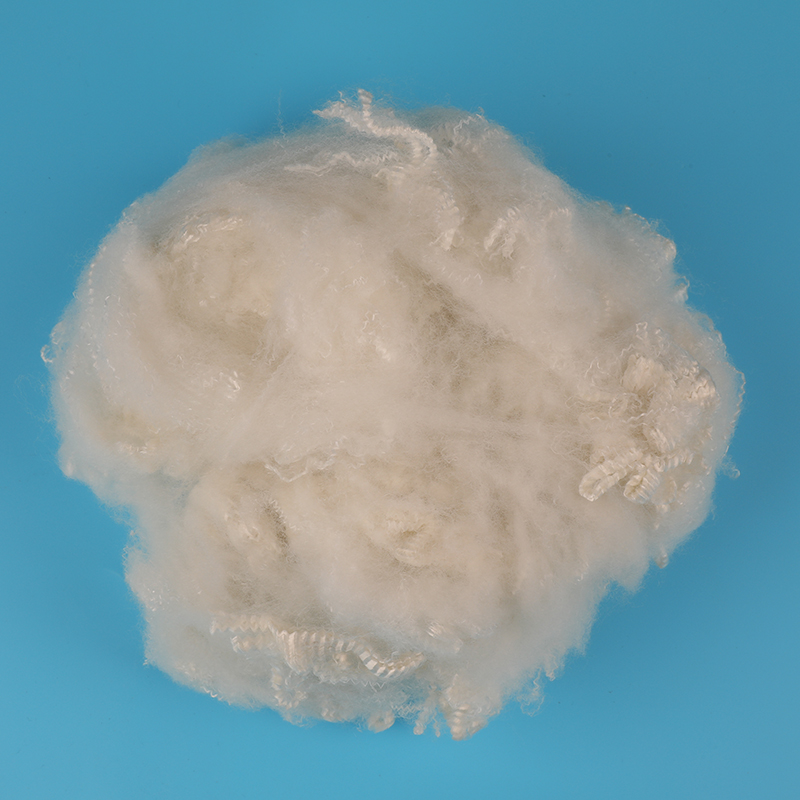
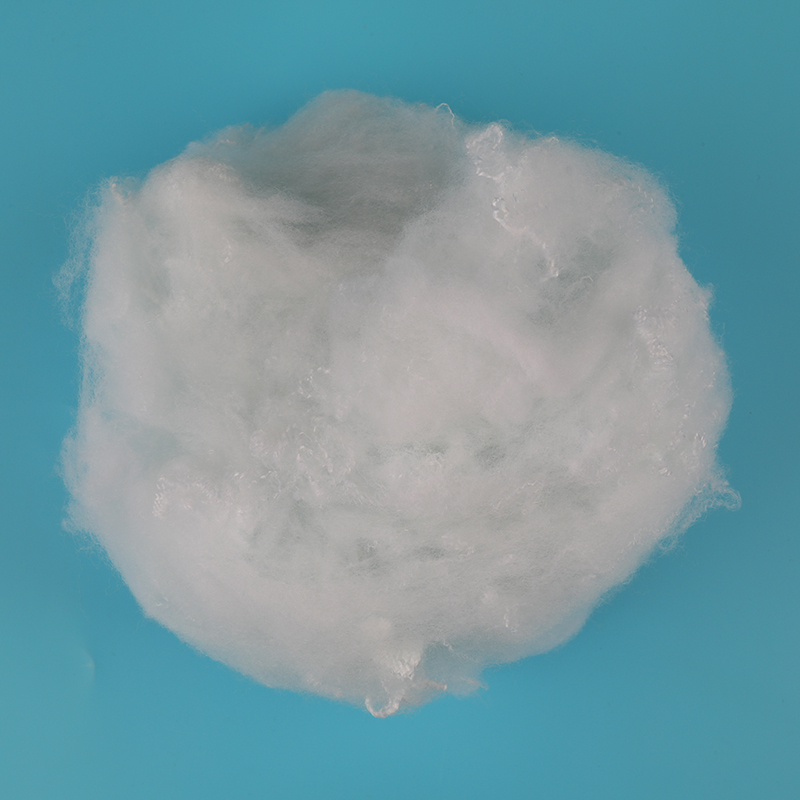
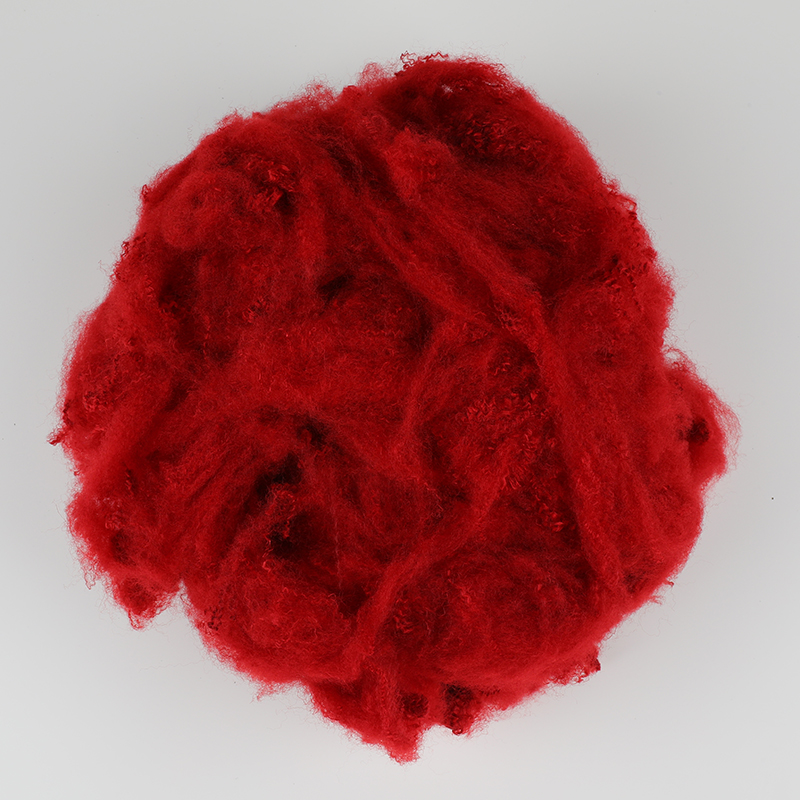
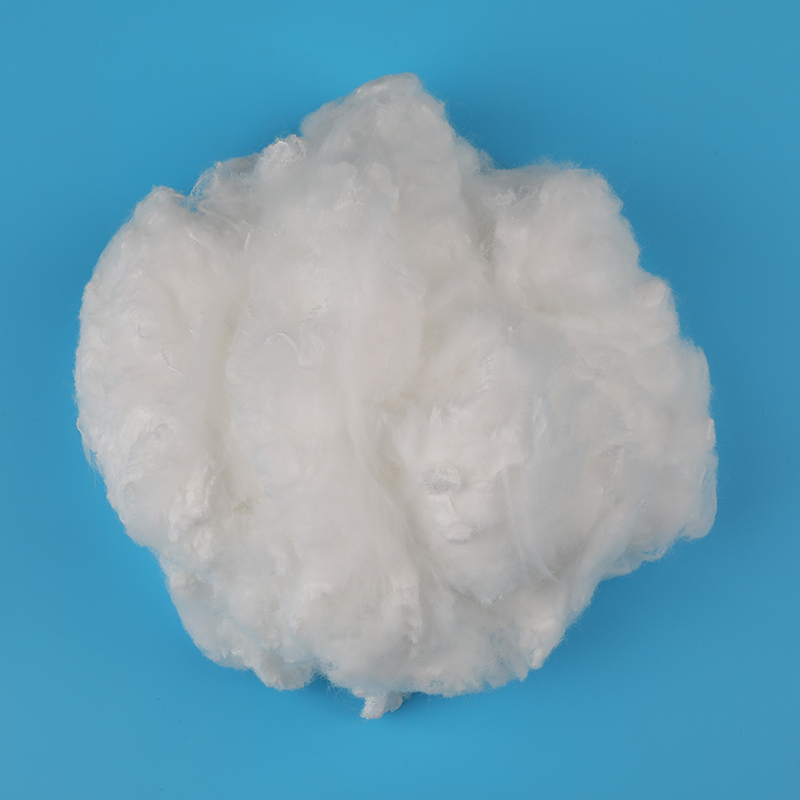
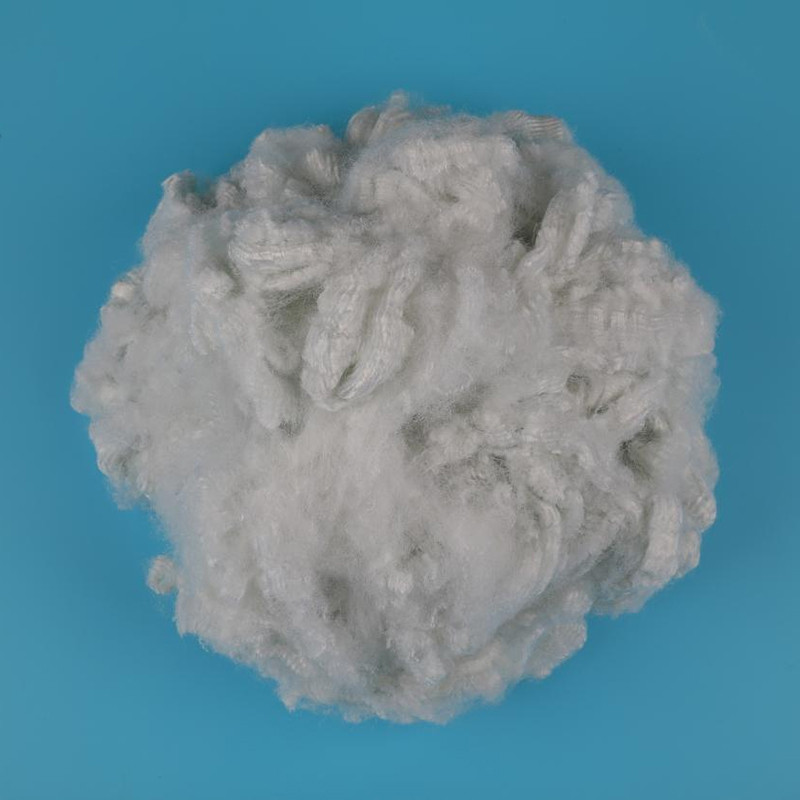
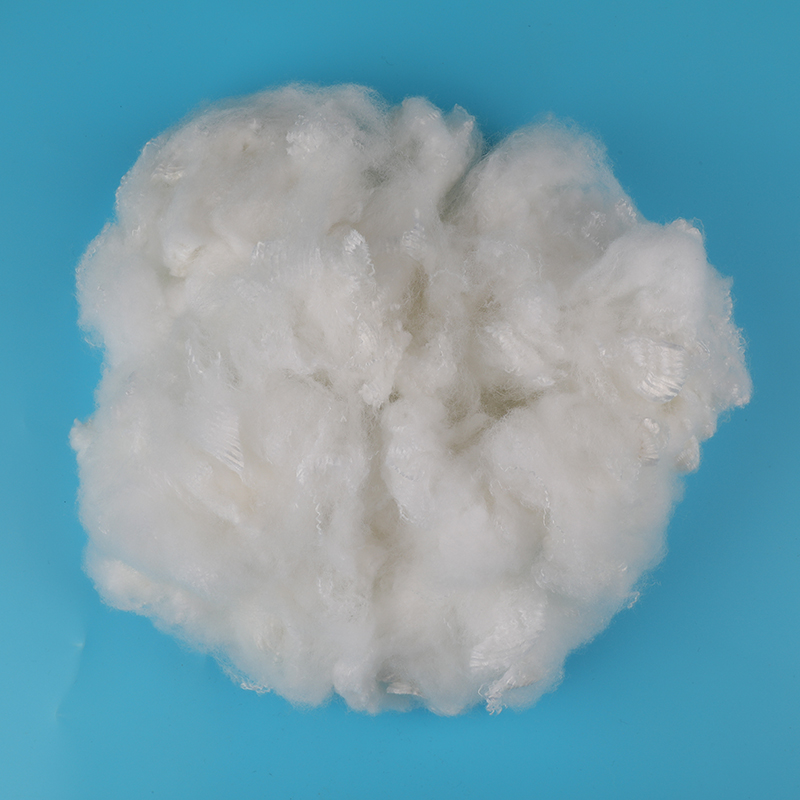
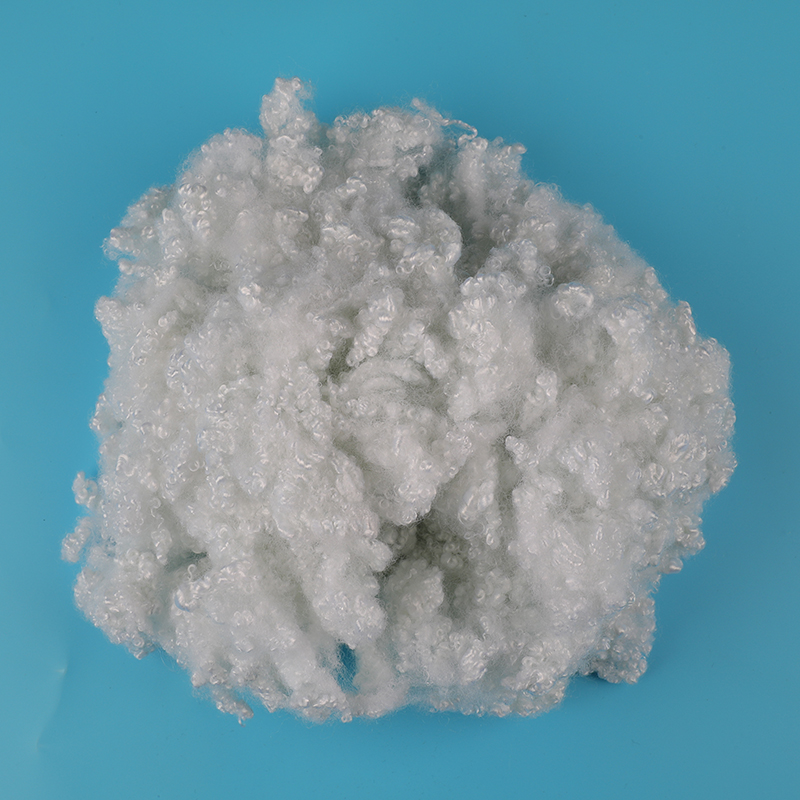
Raw white non-woven staple fibers serve as the fundamental building blocks for a vast array of textile and industrial products. Unlike dyed or processed variants, these fibers retain a natural, pristine whiteness, offering manufacturers a versatile base material. The primary conclusion is that raw white non-woven staple fibers provide the optimal balance between cost-efficiency and material performance, making them the preferred choice for industries ranging from medical hygiene to automotive insulation. Their popularity stems from the fact that they arrive at the manufacturing facility in a ready-to-process state, eliminating the need for additional dyeing steps, which reduces production time and minimizes environmental impact.
These fibers are characterized by their staple length, meaning they are spun into specific cut lengths before being processed into non-woven webs. This differentiates them from continuous filament fibers. The "raw white" designation specifically refers to the initial visual appearance of the fiber after extrusion, prior to the addition of optical brighteners or colorants. This characteristic is not merely aesthetic; it signals a high level of purity and ensures that the material is receptive to subsequent treatments, printing, or dyeing processes if required by the end-use application.
To understand the utility of these fibers, one must examine their physical structure. Non-woven staple fibers are engineered to be processed through various web-forming technologies such as carding, air-laying, or wet-laying. The term "raw white" typically implies the use of polymers like polypropylene, polyester, or viscose, which have been extruded without the addition of colored masterbatches. This results in a semi-matte or slightly lustrous finish that is highly valued in the hygiene and medical sectors.
The demand for raw white non-woven staple fibers is driven by their adaptability. Because they are undyed, they can be used in products where a sterile appearance is mandatory, or they can be custom-dyed later to meet specific design requirements. This flexibility makes them indispensable in several key sectors.
One of the largest consumption markets for these fibers is the hygiene industry. Products such as baby diapers, adult incontinence pads, and feminine hygiene products utilize raw white fibers for their coverstock and acquisition layers. In these applications, the visual impression of cleanliness is critical. Consumers associate bright, white materials with hygiene and safety. Furthermore, the fibers used here are often specially treated to be hydrophilic (water-loving) or hydrophobic (water-repelling) depending on the functional requirement of the layer. For instance, a top sheet needs to allow liquid to pass through quickly, requiring a specific surface treatment on the raw white fiber.
In the medical field, non-woven fabrics made from raw white staple fibers are the standard for disposable surgical gowns, drapes, and face masks. The raw white color serves as a neutral background that clearly shows any potential contamination or stains. More importantly, these fibers are compatible with sterilization methods such as gamma irradiation or ethylene oxide treatment. The consistency of the raw white fiber ensures that the fabric maintains its integrity and barrier properties even after rigorous sterilization cycles, protecting both patients and medical staff.
Beyond hygiene, industrial applications rely heavily on the durability and cost-effectiveness of these fibers. In the automotive sector, raw white polyester staple fibers are processed into non-woven felts used for sound insulation, trunk liners, and dashboard backing. The non-woven structure provides excellent noise dampening and structural integrity. Since these components are often hidden from view or covered with other materials, the raw white color is perfectly functional and cost-effective. Similarly, in the construction industry, geotextiles made from these fibers provide soil stabilization and drainage solutions, where material strength is prioritized over aesthetics.
Transforming raw white staple fibers into a functional non-woven fabric involves several sophisticated manufacturing processes. The choice of technology depends largely on the desired characteristics of the final product, such as softness, strength, or porosity.
Carding is the most traditional method for processing staple fibers. In this process, the raw white fibers are opened, cleaned, and passed through a series of rotating drums covered in card clothing. This action separates the fibers and aligns them into a parallel web. The resulting fabric is strong in the machine direction but weaker in the cross direction. This method is predominantly used for medical and hygiene applications where uniformity and softness are paramount. After carding, the web is typically consolidated using thermal bonding (using low-melt fibers) or needle punching.
For heavier industrial fabrics, needle punching is a common technique. Here, barbed needles mechanically interlock the raw white staple fibers, creating a dense, felt-like structure. This is widely used for automotive interiors and geotextiles. Alternatively, hydroentanglement (spunlace) uses high-pressure water jets to entangle the fibers. This method produces a fabric that feels much like traditional woven textiles and is highly valued for high-end wipes and medical surgical drapes. The raw white fiber's ability to withstand these mechanical and hydraulic forces without degrading is a testament to its robustness.
Choosing raw white fibers over pre-dyed or semi-finished options offers manufacturers significant strategic advantages in a competitive market. The benefits extend from the production floor to the final product's marketability.
The performance of the final non-woven fabric is dictated by the choice of polymer. Below is a comparison of the common types of raw white staple fibers used in the industry.
| Polymer Type | Key Attribute | Typical Application |
|---|---|---|
| Polypropylene (PP) | Lightweight, Hydrophobic | Hygiene Coverstock, Medical Masks |
| Polyester (PET) | High Strength, Resilience | Automotive Interiors, Geotextiles |
| Viscose Rayon | High Absorbency, Softness | Wet Wipes, Surgical Swabs |
For procurement professionals and engineers, selecting the right raw white non-woven staple fiber involves evaluating several technical parameters. The fiber must meet strict specifications to ensure smooth processing on high-speed non-woven lines.
Tenacity is a primary consideration; high-tenacity fibers are necessary for durable applications like carpets and geotextiles, whereas low-tenacity fibers may be sufficient for disposable wipes. The elongation property must be compatible with the bonding method; fibers with high elongation are better suited for stretchable non-wovens. Furthermore, the finish application on the fiber surface—such as the type of spin finish or antistatic agent—determines the friction coefficient. A proper friction coefficient is vital for controlling the web formation; too much friction can cause fiber breakage, while too little can lead to poor web cohesion. Finally, the fiber must be free of oligomers and gel particles to prevent roller deposits on the production machinery, ensuring uninterrupted manufacturing runs.
Why is composite ES fiber considered a cost-effective solution for hygiene products?
2026-07-08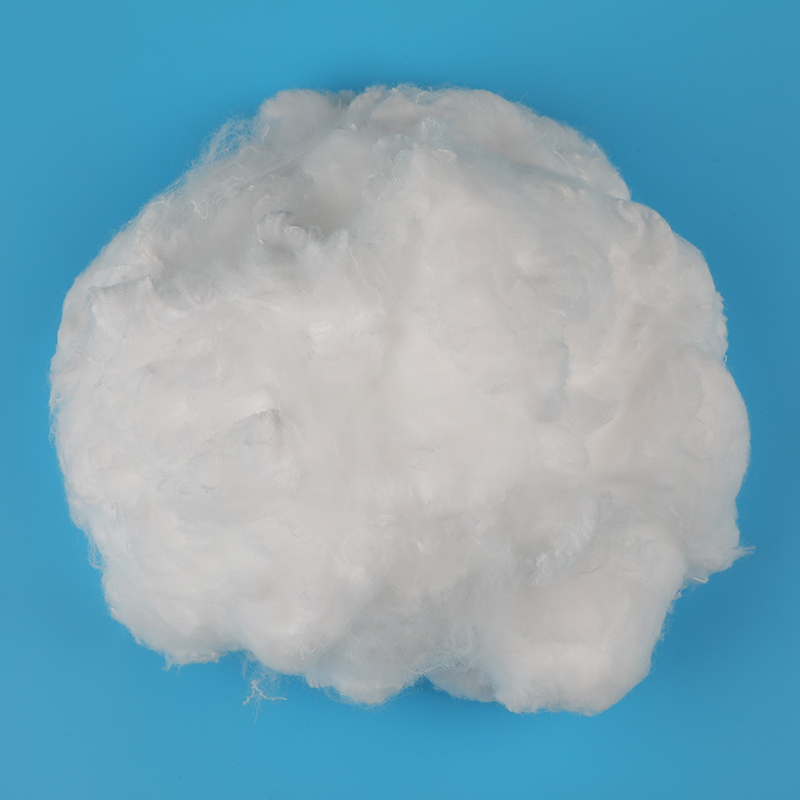
What are the advantages of PE/PET bicomponent fiber in advanced filtration systems?
2026-07-22Your email address will not be published. Required fields are marked *

Focusing to the research and production of differentiated fiber. Applying recycle-material processing scientifically.
 86-18457317878
Zhulinjizhen, Xinfeng Town, Jiaxing City, Zhejiang Province
Copyright @ 2023 Jiaxing Fuda Chemical Fibre Factory All rights reserved
Polyester Staple Fiber Manufacturers

Friendship link - Anhui Fulin Environmental Protection Technology Co., Ltd.:https://www.ahflhb.com