en
en  English
 中文简体
中文简体 Español
 عربى
عربى
Product Consultation
Your email address will not be published. Required fields are marked *
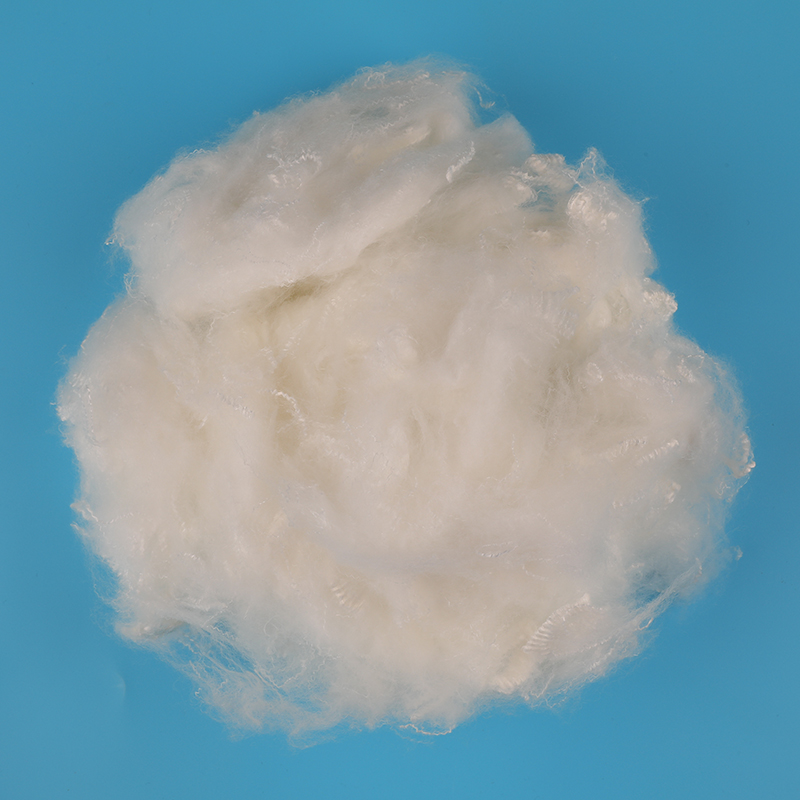
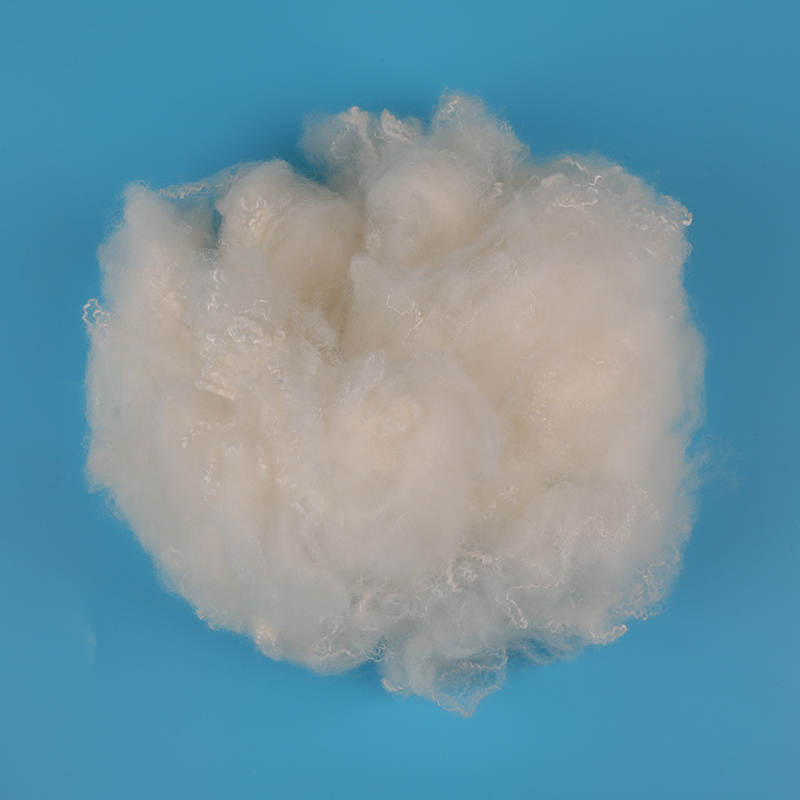
Recycled wool spinning fiber stands as a cornerstone of sustainable textile manufacturing, offering a direct and effective solution to the environmental burdens associated with conventional wool production. By reclaiming post-consumer garments and pre-consumer manufacturing waste, this process drastically reduces landfill accumulation, minimizes water and energy consumption, and significantly lowers greenhouse gas emissions. The resulting fiber retains the natural warmth, breathability, and biodegradability of virgin wool, proving that ecological responsibility does not require compromising on quality or performance. Embracing recycled wool is a crucial, practical step toward a circular economy in the fashion and textile industries.
To appreciate the value of recycled wool spinning fiber, one must understand its origins and definition. In traditional wool production, vast amounts of natural resources are expended from raising sheep to processing fleece. Recycled wool interrupts this resource-intensive cycle. It is defined as wool fiber that has been reclaimed from existing products or byproducts, processed back into a fibrous state, and then spun into new yarn. This practice is not merely about downcycling old clothes into lower-quality goods; modern advancements allow recycled wool to be engineered for high-performance applications, maintaining the integrity and versatility of the original material.
The sourcing of recycled wool is categorized into two primary streams, each presenting unique challenges and opportunities for the spinning process:
Transforming a discarded woolen garment into a premium spinning fiber is a complex, multi-stage operation that requires meticulous attention to detail. The journey involves several critical phases, each designed to refine the material and prepare it for the spinning mill.
The initial phase is arguably the most labor-intensive. Collected textiles must be sorted manually by skilled workers who assess the fabric composition and color. Color sorting is exceptionally vital because dyeing recycled wool requires significantly less water and chemicals than dyeing virgin fiber. By sorting garments into precise color categories before processing, manufacturers can often bypass the dyeing stage entirely, relying on the inherent color of the reclaimed fabric to dictate the final hue of the new yarn.
Once sorted, the wool undergoes a rigorous cleaning process. Post-consumer garments are contaminated with dust, oils, and non-textile components. Zippers, buttons, rivets, and synthetic linings must be removed. The fabric is then washed to eliminate soil and residual finishes. This stage must balance thorough cleaning with the preservation of the wool's natural scales and crimp, which are essential for spinning strength.
The cleaned fabrics are fed into garneting machines, which are essentially heavy-duty carding units equipped with sharp, rotating rollers. These rollers tear the woven or knitted fabric apart, breaking the structural bonds and reducing the textile back into individual fibers. This mechanical action inevitably causes some fiber breakage, resulting in shorter staple lengths compared to virgin wool. The efficiency of the garneting process directly dictates the quality of the final spinning fiber, as overly aggressive processing will produce excessively short, weak fibers unsuitable for fine yarns.
The reclaimed wool fibers are then carded to align them and remove any remaining impurities. Because recycled fibers are generally shorter, they are often blended with a carrier fiber to enhance spinability and yarn strength. Recycled wool can be successfully blended with other recycled fibers, such as recycled polyester or recycled cashmere, to create bespoke yarn profiles tailored to specific performance requirements. Finally, the blended fibers are drawn and spun into new yarn, ready for weaving or knitting.
The shift toward recycled wool spinning fiber is driven by compelling environmental and economic imperatives. The traditional wool industry, while producing a natural and renewable fiber, carries a substantial ecological footprint. Sheep farming requires vast tracts of land and produces methane, a potent greenhouse gas. Furthermore, the scouring and dyeing of raw wool consume enormous volumes of freshwater and energy. Recycled wool mitigates many of these impacts.
The most significant advantage of recycled wool is its capacity for resource conservation. By utilizing existing materials, the demand for virgin wool production is reduced, thereby preserving land and reducing the climate impact associated with animal agriculture. More importantly, processing recycled wool consumes a fraction of the energy and water required for virgin wool. Since the fiber has already been scoured and frequently retains its color, the need for harsh chemical dyes and extensive washing is drastically diminished.
The fashion industry generates immense textile waste, much of which ends up incinerated or in landfills. Recycled wool provides a practical outlet for this waste stream. By converting discarded garments into valuable spinning fiber, the industry moves closer to a circular model where materials are kept in use for as long as possible. This not only alleviates the burden on waste management systems but also reduces the release of microplastics and harmful chemicals associated with the decomposition of synthetic blends.
Understanding the practical differences between virgin and recycled wool is essential for textile engineers and designers. While both offer the inherent benefits of wool, such as excellent insulation and moisture-wicking properties, they differ significantly in their physical characteristics and environmental footprint.
| Characteristic | Virgin Wool | Recycled Wool |
|---|---|---|
| Staple Length | Long and Uniform | Shorter and Variable |
| Water Consumption | Very High | Significantly Lower |
| Chemical Dyeing | Frequently Required | Often Unnecessary |
| Yarn Strength | Inherently High | Enhanced via Blending |
| Thermal Insulation | Excellent | Comparable to Virgin |
As the table demonstrates, recycled wool holds its own in terms of thermal performance, which is the primary function of woolen textiles. While the shorter staple length requires adjustments in spinning techniques, the environmental benefits—particularly in water and chemical reduction—make it an increasingly attractive alternative.
Despite its clear advantages, working with recycled wool spinning fiber presents specific technical hurdles that must be addressed during yarn engineering. The mechanical process of tearing apart old fabrics inherently damages the fibers, leading to a reduction in average staple length and a decrease in fiber cohesion. This makes the spinning process more volatile, increasing the risk of yarn breakage and irregularities.
Textile engineers employ several sophisticated strategies to compensate for the shorter staple length of recycled wool and ensure the resulting yarn is robust enough for commercial use:
Recycled wool spinning fiber is remarkably versatile and is utilized across a broad spectrum of textile products. Its applications range from traditional cold-weather gear to innovative, eco-friendly technical fabrics. The ability to blend it with other fibers expands its utility considerably.
In the fashion sector, recycled wool is highly prized for sweaters, coats, and suits. The fiber retains excellent thermal regulation properties, making it ideal for winter wear. Designers increasingly favor recycled wool not only for its sustainability credentials but also for its unique, slightly textured hand-feel, which adds character to high-end garments. Furthermore, finely spun recycled wool blends are used in next-to-skin apparel, offering comfort without the environmental guilt.
The home textile industry is a major consumer of recycled wool. It is extensively used in the production of blankets, throws, and upholstery fabrics. In these applications, the slightly coarser texture of heavily processed recycled wool is not a detriment but rather an advantage, providing durability and a desirable, rustic aesthetic. Recycled wool blankets are particularly popular as they offer exceptional warmth and weight, perfect for insulation and comfort.
Beyond fashion and home decor, recycled wool finds practical application in technical and industrial sectors. It is used for thermal and acoustic insulation in building materials, where its natural fire-retardant properties and sound-dampening capabilities outperform many synthetic alternatives. Additionally, recycled wool is processed into industrial felts used in machinery for polishing, padding, and filtration, proving that even the shortest reclaimed fibers have valuable utility.
The trajectory of recycled wool spinning fiber is firmly pointed toward expansion and technological refinement. As global regulations on textile waste tighten and consumer demand for sustainable products grows, the industry is rapidly evolving. The future of this fiber lies in overcoming current limitations through innovation and industry collaboration.
One of the most significant bottlenecks in recycled wool production is the manual sorting of post-consumer waste. To scale operations, the industry is adopting automated sorting technologies utilizing spectroscopy and artificial intelligence. These systems can rapidly identify fabric composition and color with high precision, drastically increasing the volume of textiles that can be processed while improving the consistency of the output fiber. This automation will lower costs and make recycled wool more competitive with virgin materials.
Research is ongoing into gentler garneting techniques that minimize fiber breakage. By optimizing the speed, roller configuration, and temperature of the reclamation machinery, it is possible to preserve greater staple length. Furthermore, enzyme-based treatments are being developed to soften and condition the recycled fibers without degrading their core structure, which improves spinnability and results in a softer final product.
The ultimate success of recycled wool depends on robust supply chain partnerships. Brands, collectors, and spinners must work together to ensure a steady flow of quality raw materials. Equally important is traceability. Blockchain and digital tagging systems are being implemented to track the journey of a garment from donation bin to recycled yarn. This transparency builds consumer trust and verifies sustainability claims, ensuring that recycled wool spinning fiber remains a genuine solution rather than a marketing myth.
Can Recycle PSF Completely Replace Virgin Polyester Staple Fiber?
2026-05-15
Why is composite ES fiber gradually replacing traditional synthetic fibers?
2026-06-01Your email address will not be published. Required fields are marked *

Focusing to the research and production of differentiated fiber. Applying recycle-material processing scientifically.
 86-18457317878
Zhulinjizhen, Xinfeng Town, Jiaxing City, Zhejiang Province
Copyright @ 2023 Jiaxing Fuda Chemical Fibre Factory All rights reserved
Polyester Staple Fiber Manufacturers

Friendship link - Anhui Fulin Environmental Protection Technology Co., Ltd.:https://www.ahflhb.com