en
en  English
 中文简体
中文简体 Español
 عربى
عربى
Product Consultation
Your email address will not be published. Required fields are marked *
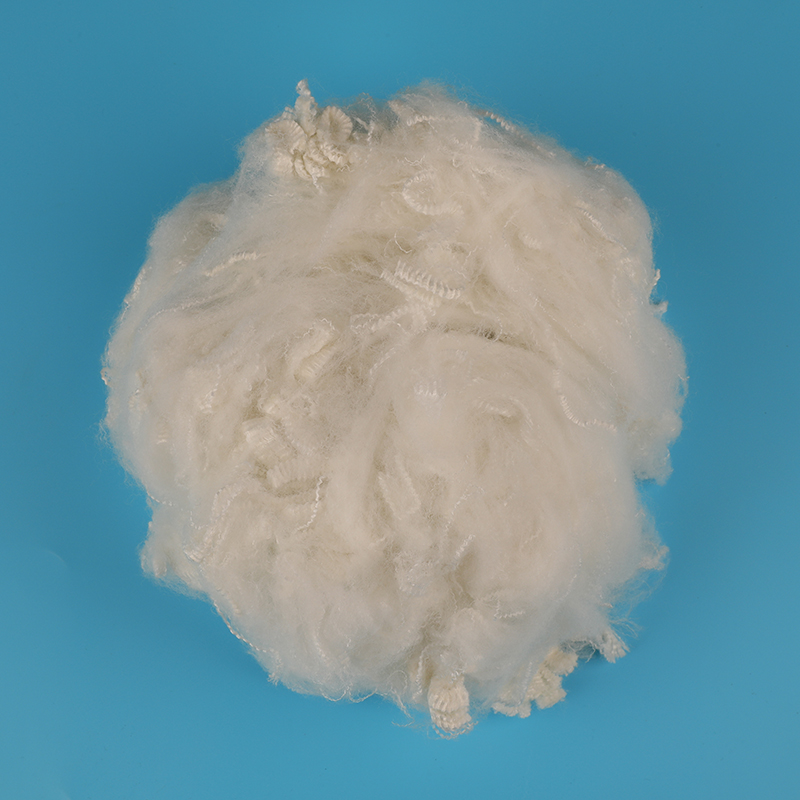
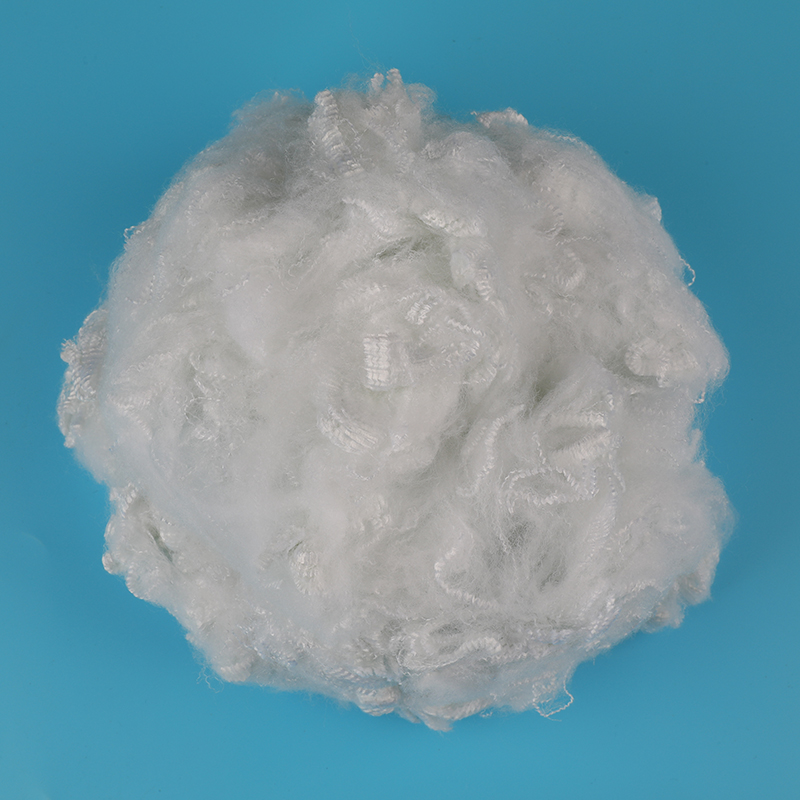
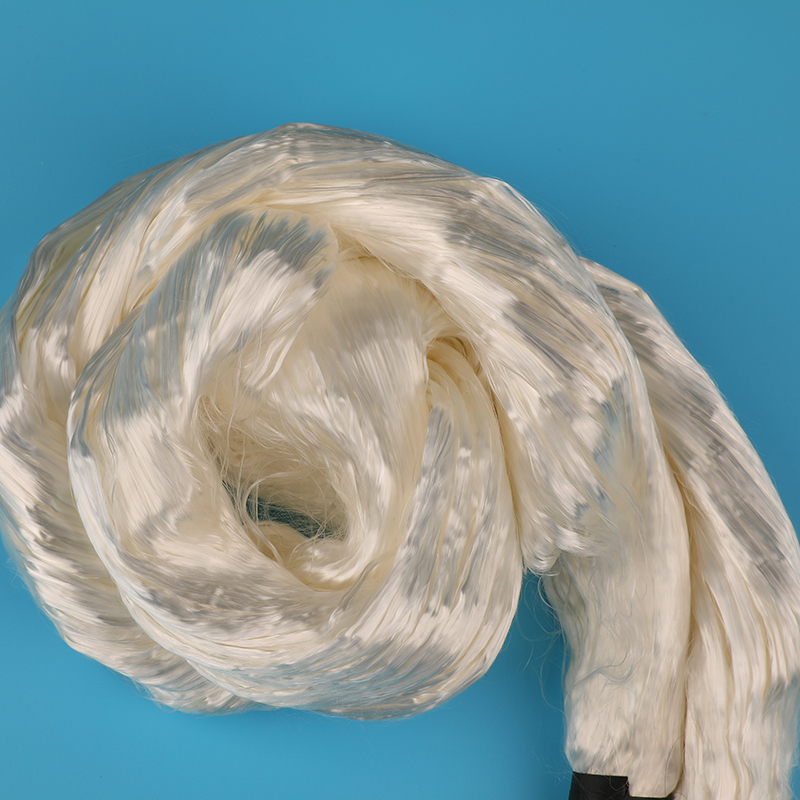
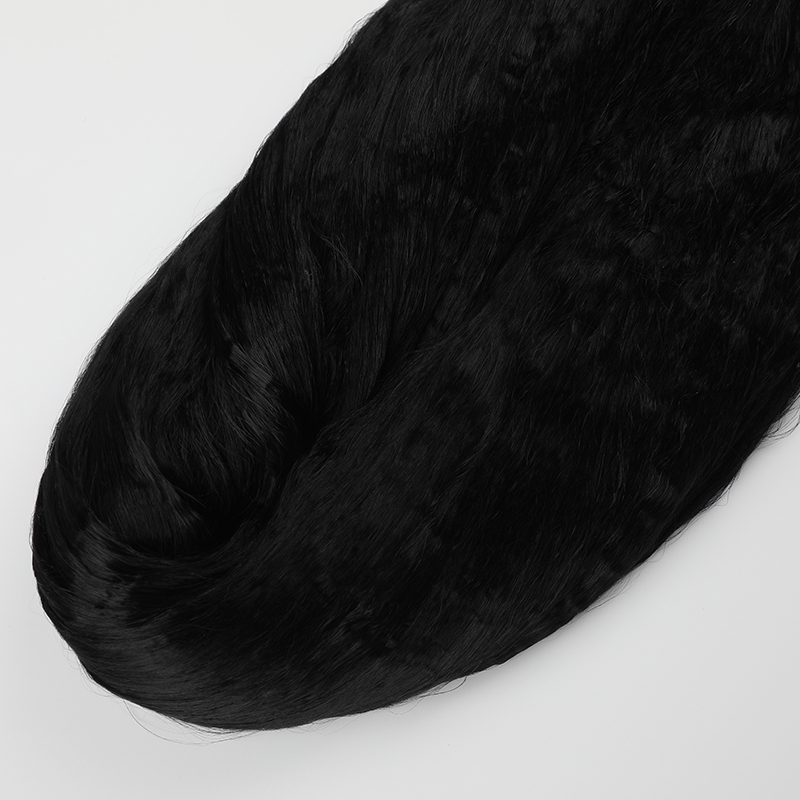
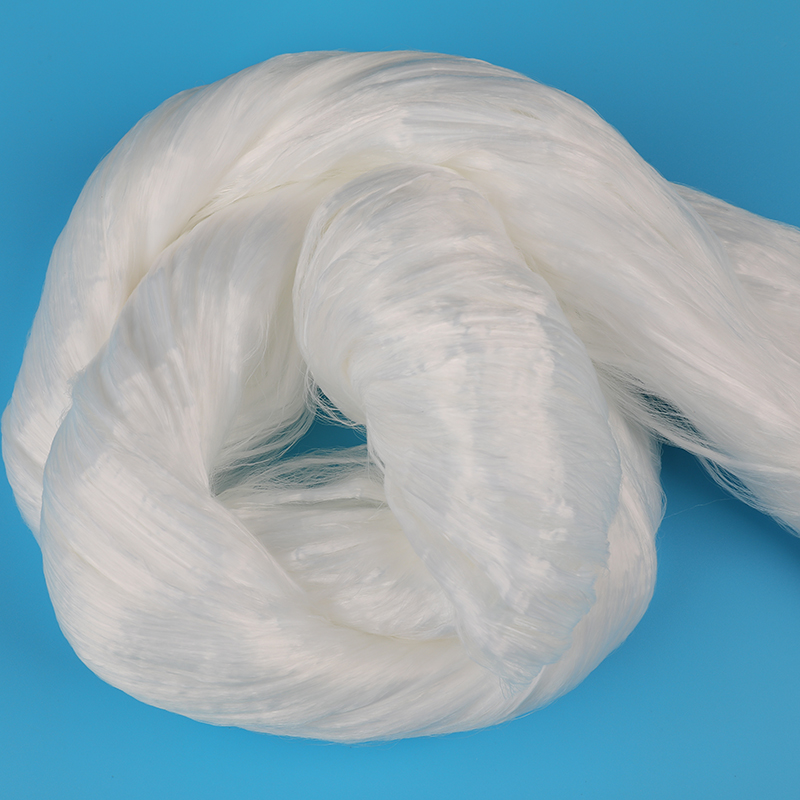
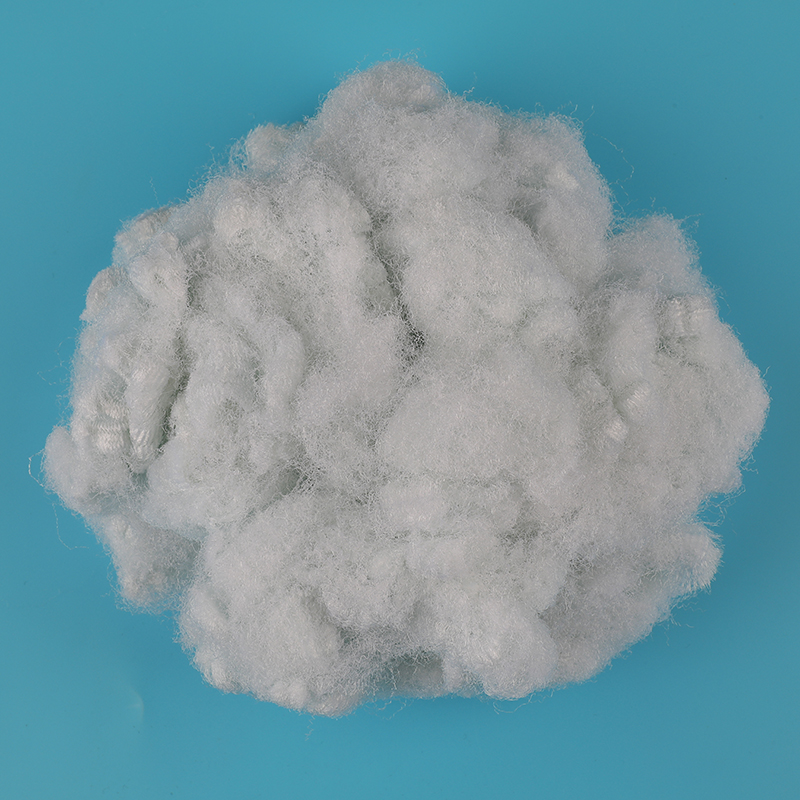
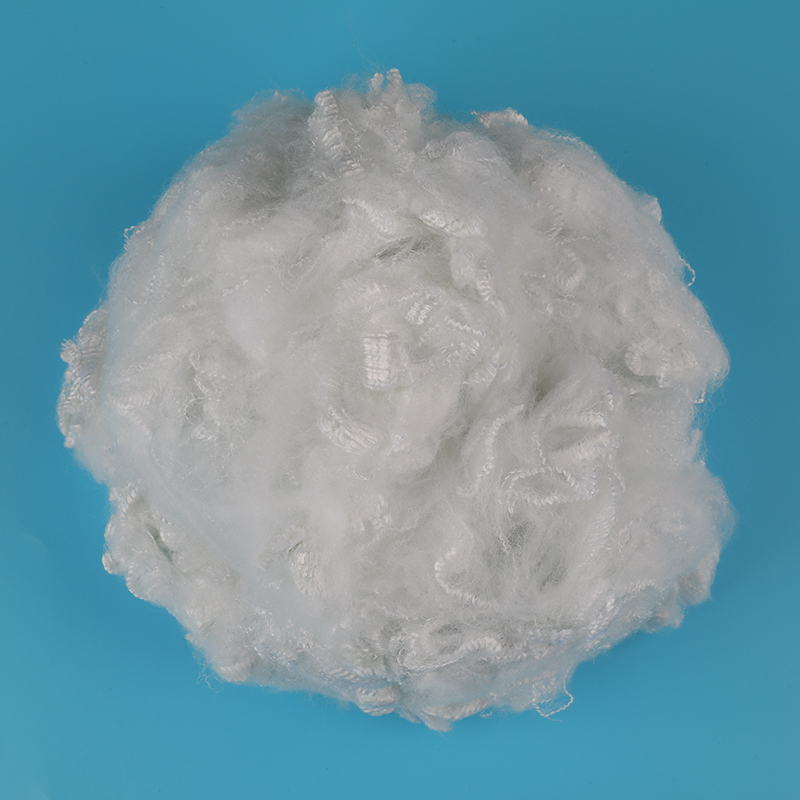
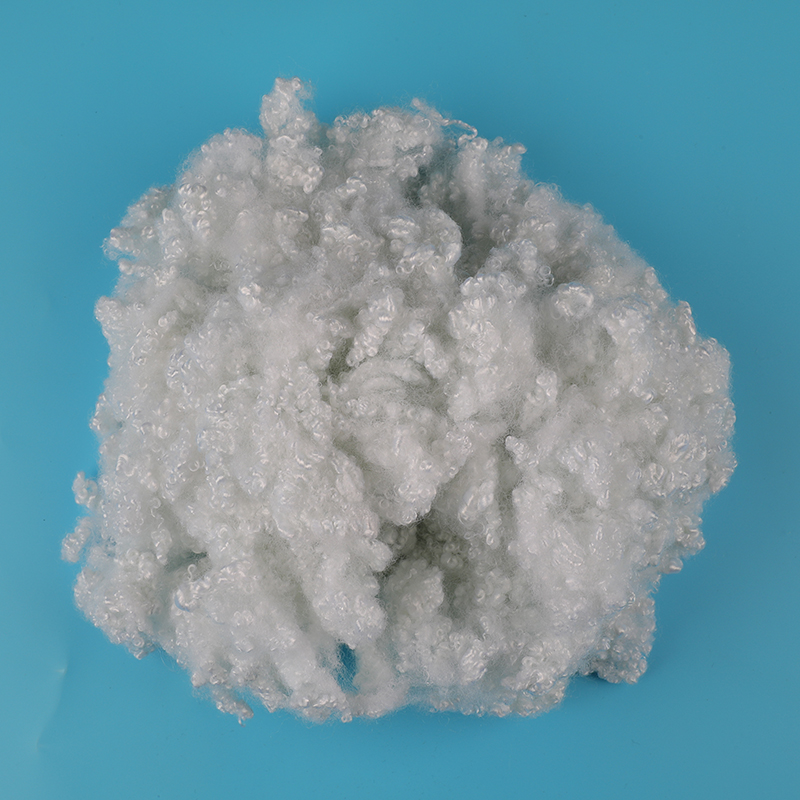
Recycled Polyester Staple Fiber (recycle PSF) is a fully industrialized recycled fiber material made from waste polyester products such as plastic bottles, waste textiles, and leftover fabrics through collection, sorting, cleaning, melting, spinning, and post-processing. It has the same basic performance as virgin PSF, and can replace virgin materials in most scenarios while significantly reducing resource consumption and carbon emissions.
The core value of recycle PSF lies in its closed-loop recycling of polyester resources: one ton of recycled PSF can save nearly 80% of energy consumption and reduce more than 70% of carbon emissions compared with producing one ton of virgin PSF. At present, the global recycling technology system is complete, the product quality is stable, and it has become an indispensable core material in the fields of textiles, filling, non-woven fabrics, and automotive interiors. For enterprises and supply chains, choosing recycled PSF is not only a response to environmental policies but also a practical measure to improve product added value and market competitiveness.
This article will start from the definition and raw material sources of recycle PSF, systematically explain its recycling process, performance characteristics, application fields, quality control standards, environmental benefits, industrial challenges, and development trends, providing a comprehensive and practical reference for the production, application, and sustainable development of recycled PSF.
Polyester Staple Fiber (PSF) is a short-cut polyester fiber with a specific length, which is one of the most widely used synthetic fibers in the world. Recycled PSF refers to PSF produced by recycling and reprocessing waste polyester materials, belonging to the category of recycled polyester fibers.
According to raw material sources, recycle PSF is divided into two main categories: one is bottle-grade recycled PSF, mainly using waste PET plastic bottles as raw materials, with high purity, stable performance, and the largest market share; the other is textile-grade recycled PSF, using waste polyester fabrics, clothing leftovers, and industrial leftover materials as raw materials, with wider sources but higher sorting difficulty.
According to product specifications, recycled PSF can be divided into three-dimensional hollow PSF, solid PSF, low-melting PSF, anti-static PSF, flame-retardant PSF, etc. Different specifications correspond to different application scenarios, and the recycled processing technology can meet the customization needs of various functional fibers.
In terms of physical and chemical properties, high-quality recycled PSF is almost consistent with virgin PSF, including tensile strength, elongation at break, heat resistance, and dyeing performance. The main differences are reflected in raw material sources, environmental impacts, and production costs.
With the upgrading of recycling technology, the performance gap between the two is gradually narrowing, and recycled PSF has fully met the quality requirements of civilian and industrial products.
Waste PET bottles are the highest-quality and most utilized raw material for recycled PSF, including beverage bottles, mineral water bottles, oil bottles, etc. This kind of raw material has high polyester purity, low impurity content, uniform molecular weight, and is easy to sort and process. About 60% of the global recycled PSF is produced from waste PET bottles, which is the mainstream raw material in the industry.
The recycling volume of waste PET bottles is huge. Every year, hundreds of millions of tons of waste PET bottles are generated globally. If they are not recycled, they will cause long-term environmental pollution. Making them into recycled PSF is the most efficient recycling method.
Waste polyester textiles include used clothing, home textiles, carpets, and industrial fabrics; leftovers include leftover fabrics, leftover yarns, and leftover fibers in the production process. This part of the raw material has a huge base, accounting for more than 30% of the total raw materials of recycled PSF.
The difficulty of this raw material lies in the existence of blended components (such as polyester-cotton, polyester-nylon), dyes, and additives, which require more precise sorting and purification processes. With the development of mechanical recycling and chemical recycling technology, the utilization rate of waste textile recycled PSF is increasing year by year.
Industrial polyester waste includes unqualified polyester chips, leftover materials from fiber production, waste non-woven fabrics, etc. This kind of raw material has high purity and stable performance, and is mostly used to produce high-grade recycled PSF. Although its proportion is not high, it is an important supplement to the raw material system of recycled PSF.
| Raw Material Type | Proportion | Purity Level | Processing Difficulty |
|---|---|---|---|
| Waste PET Bottles | 60% | High | Low |
| Waste Polyester Textiles | 32% | Medium | Medium |
| Industrial Polyester Waste | 8% | High | Low |
The first step of recycle PSF production is raw material collection. Waste PET bottles are collected through urban recycling systems, and waste textiles are collected through clothing recycling stations and enterprise leftovers. After collection, primary sorting is carried out to remove non-polyester impurities such as metal, plastic, glass, and fabric accessories.
At this stage, manual sorting and mechanical sorting are combined. Mechanical sorting uses density difference, color recognition, and material separation equipment to improve efficiency and ensure the initial purity of raw materials.
The sorted raw materials are sent to the cleaning production line, including label removal, bottle cap separation, high-pressure water washing, hot water washing, and disinfection. After cleaning, the raw materials are crushed into small flakes or particles to facilitate subsequent melting processing.
The cleaning process is critical: sufficient cleaning can reduce the impurity content of the final product to below 0.1%, ensuring the spinning performance and appearance quality of recycled PSF.
The cleaned and crushed raw materials enter the melting system, and are heated and melted at high temperature to remove residual moisture and volatile impurities. The molten polyester liquid is filtered through a multi-stage precision filter to remove tiny solid impurities, ensuring the uniformity of the spinning liquid.
Then, the molten liquid is spun through a spinneret to form primary fibers, which are stretched, shaped, and cooled to form continuous polyester filaments, laying the foundation for cutting into staple fibers.
The continuous filaments are cut into fixed lengths according to product standards, generally 38mm, 51mm, 64mm, etc., to become primary recycled PSF. Then, post-processing such as oiling, loosening, drying, and functional modification (flame retardant, anti-static, hollow molding) is carried out to improve the fiber's hand feel, bulkiness, and special performance.
Finally, the qualified recycled PSF is packed in bags or packaged in bundles, and can be put into the market after passing the quality inspection. The entire production process realizes closed-loop recycling, and most of the waste water and waste gas are treated and reused, meeting environmental protection standards.
High-quality recycled PSF has excellent physical properties: the breaking strength reaches more than 3.5cN/dtex, the elongation at break is controlled at 30%-40%, the heat resistance temperature is above 180°C, and it has good wrinkle resistance and shape retention. These indicators are consistent with virgin PSF, fully meeting the processing requirements of spinning, non-woven fabrics, and filling.
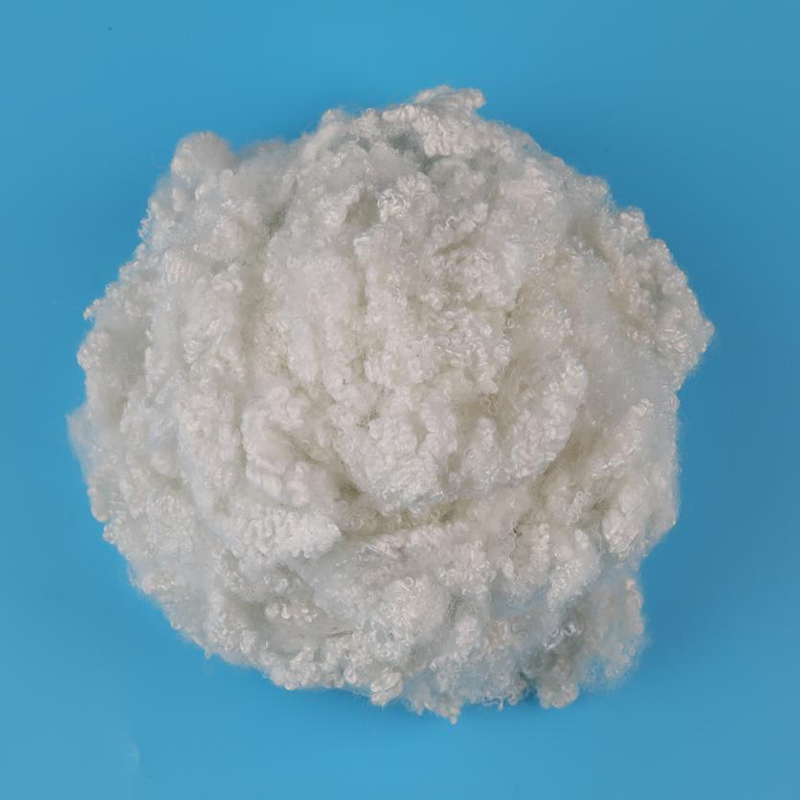
Three-dimensional hollow recycled PSF has a bulkiness of more than 80cm³/g, which is higher than some virgin fibers, and is especially suitable for filling products such as down jackets and pillows.
Recycled PSF has good dyeing performance, can adapt to conventional disperse dye dyeing, uniform color, no color difference and fading, and can meet the color requirements of various textile products. At the same time, it has good processing adaptability, can be blended with cotton, wool, hemp, and other fibers, and is compatible with most textile processing equipment without equipment modification.
Recycled PSF can carry out multi-dimensional functional modification according to application needs, including:
In terms of cost, recycled PSF raw materials are waste resources, and the procurement cost is lower than virgin polyester chips. Although the sorting and cleaning links increase the cost, the comprehensive production cost is still 5%-10% lower than virgin PSF in large-scale production.
In terms of environmental protection, as mentioned above, the energy saving and emission reduction effect is significant, and it can help enterprises obtain environmental certification and carbon footprint reduction certificates, enhancing the brand's sustainable image.
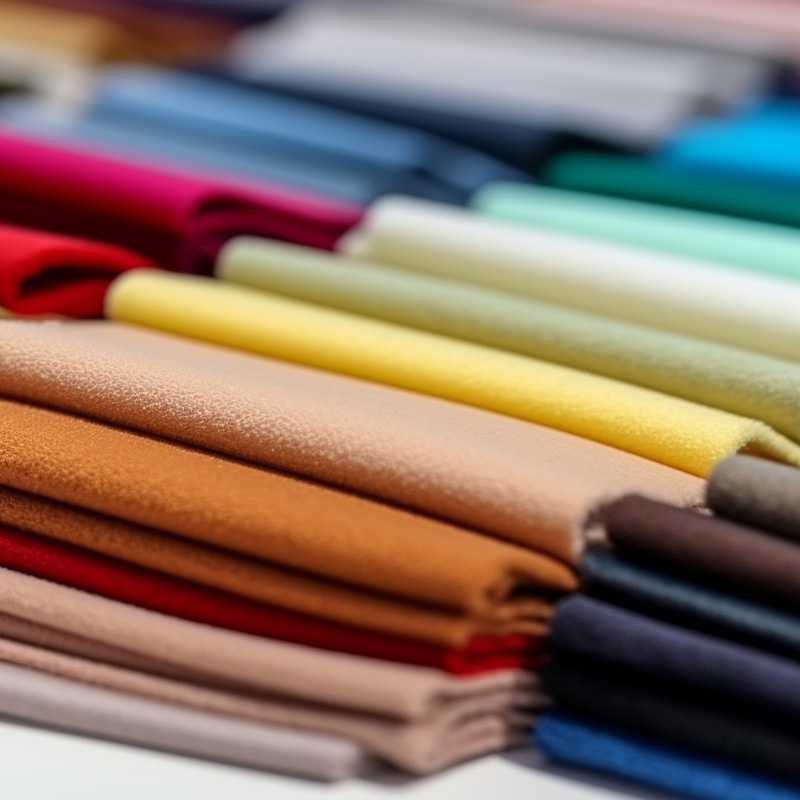
The textile and apparel industry is the largest application field of recycled PSF, accounting for more than 45% of the total consumption. Recycled PSF can be spun into yarn alone or blended with other fibers to make casual wear, sportswear, shirts, pants, etc. The fabric made of it is light, breathable, wear-resistant, and easy to take care of, which is favored by the market.
With the rise of sustainable fashion, more and more apparel brands use recycled PSF as the main raw material, covering high-end and civilian markets, and the market demand is growing rapidly.
Home textiles are the second largest application field of recycled PSF, mainly including pillows, quilts, cushions, mattresses, sofa fabrics, etc. Three-dimensional hollow recycled PSF has excellent bulkiness and resilience, which can replace down and chemical fiber filling materials, with low price and good warmth retention. At the same time, recycled PSF fabrics are used for bed sheets, quilt covers, and curtains, with good color fastness and durability.
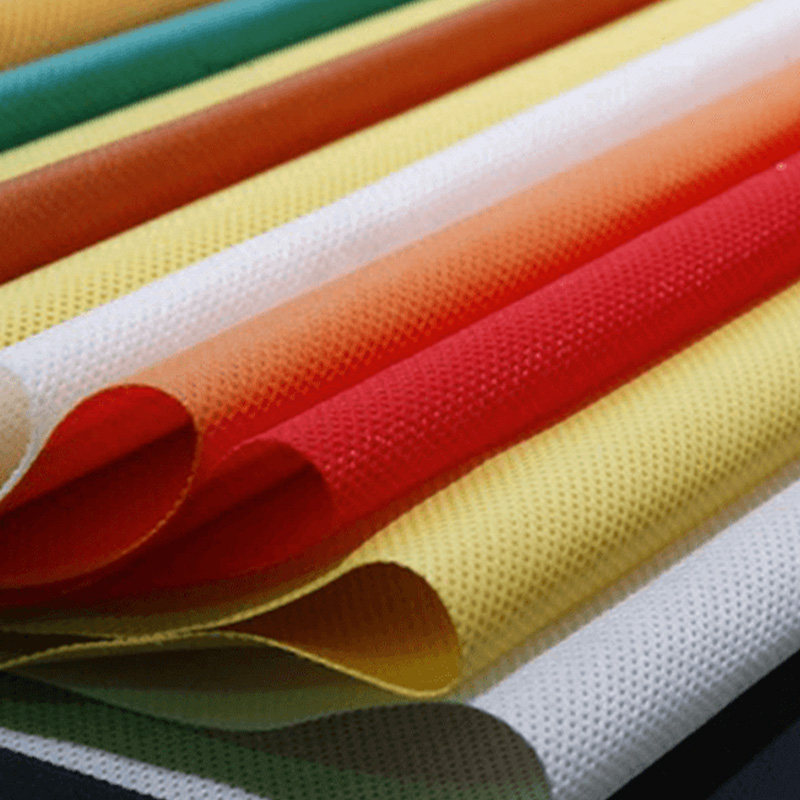
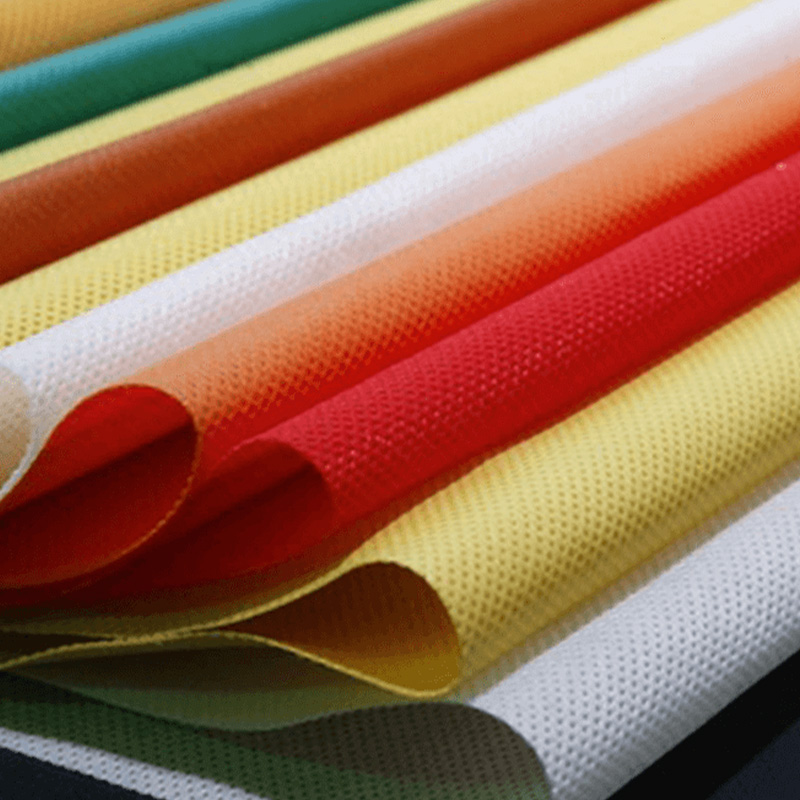
Recycled PSF is widely used in the production of non-woven fabrics, including spunbonded non-woven fabrics, needle-punched non-woven fabrics, and hot-rolled non-woven fabrics. These products are used in medical supplies, sanitary products, agricultural non-woven fabrics, packaging materials, and wiping cloths. The non-woven fabrics made of recycled PSF have good air permeability and tensile strength, and meet the use standards of various scenarios.
In the automotive field, recycled PSF is used for automotive interiors, seat filling, sound insulation cotton, carpets, etc., with flame retardant and sound insulation effects. In industrial textiles, it is used for filter materials, conveyor belts, protective clothing, and building insulation materials, with high strength and corrosion resistance.
| Application Field | Consumption Proportion | Main Products |
|---|---|---|
| Textile & Apparel | 45% | Casual wear, sportswear, yarn |
| Home Textiles | 28% | Pillows, quilts, sofa fabrics |
| Non-woven Fabrics | 18% | Medical fabrics, packaging materials |
| Automotive & Industrial | 9% | Car interiors, filter materials |
The quality control of recycled PSF runs through the entire production process, and the core indicators include:
Recycled PSF products need to pass authoritative certification to prove their recycled attributes and quality. The mainstream certifications include GRS (Global Recycled Standard), RCS (Recycled Claim Standard), OEKO-TEX Standard 100, etc. Among them, GRS certification is the most widely recognized international standard for recycled PSF, which covers raw material traceability, environmental protection, social responsibility, and chemical management.
Products with GRS certification can be circulated and recognized in the global market, which is a necessary condition for entering high-end markets and brand supply chains.
Formal recycled PSF production enterprises have established a complete traceability system, which can track the source of raw materials, production process, processing flow, and sales direction of each batch of products. This system not only meets the certification requirements but also ensures the authenticity of recycled ingredients and prevents the occurrence of counterfeit recycled products.
Petroleum is a non-renewable resource, and virgin PSF production relies heavily on petroleum. The application of recycled PSF realizes the recycling of polyester resources, reducing the dependence on petroleum. Every ton of recycled PSF can save about 6 tons of petroleum resources, which greatly alleviates the pressure of resource shortage.
At the same time, recycling waste polyester products reduces the amount of solid waste buried and incinerated. Globally, millions of tons of plastic bottles and waste textiles are recycled into PSF every year, effectively reducing environmental pollution.
The production process of recycled PSF omits the petroleum extraction and refining links, and the energy consumption is greatly reduced. Relevant data show that compared with virgin PSF, recycled PSF production reduces energy consumption by 78% and carbon emissions by 72%, and also reduces the emission of air pollutants such as sulfur dioxide and nitrogen oxides, making a positive contribution to coping with global warming.
The recycled PSF industry has driven the development of the entire industrial chain of waste recycling, sorting, processing, and production, creating a large number of jobs. At the same time, it promotes the transformation of the textile industry to green and sustainable development, improves the overall image of the industry, and meets the public's demand for environmentally friendly products.
For enterprises, using recycled PSF can obtain policy support such as tax reductions and green subsidies, and at the same time improve product added value and market competitiveness, achieving both economic and social benefits.
Although the total amount of waste polyester resources is large, the recycling system is not perfect in some regions, resulting in unstable raw material supply. In addition, blended waste textiles are difficult to sort, and the separation efficiency of different materials is low, which limits the production of high-quality recycled PSF.
Small and medium-sized recycled PSF enterprises have relatively backward production technology, low purification accuracy, and limited functional modification capabilities, resulting in uneven product quality. Chemical recycling technology, which can completely degrade waste polyester into monomers, has high costs and is not fully industrialized, restricting the upgrading of the industry.
Some consumers and small enterprises have insufficient awareness of recycled PSF, and there is a misunderstanding that "recycled products have poor quality". At the same time, the cost of certification and environmental protection equipment increases the production cost of enterprises, and the price advantage is not obvious in the low-end market.
At present, there are differences in the recycled PSF standards of different countries and regions, and the testing methods and indicator requirements are not completely unified, which brings obstacles to the global circulation of products and increases the compliance cost of enterprises.
The recycled PSF industry will move towards large-scale production, and leading enterprises will expand their production capacity through technological upgrading and industrial integration. At the same time, product quality will be further improved, and high-performance, high-functional recycled PSF will become the mainstream, replacing virgin PSF in more high-end fields.
Chemical recycling technology will achieve large-scale industrial application, which can treat waste polyester that cannot be recycled by mechanical technology, realizing infinite recycling of resources. This technology will reduce the impurity impact of raw materials and greatly improve the quality and application scope of recycled PSF.
With the global promotion of carbon neutrality and carbon peaking policies, sustainable textile materials will become the mainstream of the market. Recycled PSF will become a necessary raw material for apparel, home textiles, and industrial products, and market awareness and acceptance will be fully improved.
The global recycled PSF testing and certification standards will be unified, and a more perfect traceability system will be established based on digital technologies such as blockchain to ensure the authenticity of recycled ingredients. The global circulation of products will be more smooth, and the industry will develop standardized and orderly.
Recycled PSF will expand to emerging fields such as medical treatment, aerospace, and environmental protection materials. High-strength, antibacterial, and degradable modified recycled PSF will meet the special needs of emerging industries, opening up a broader market space.
Recycled PSF is a mature, high-value, and widely applicable sustainable fiber material, which realizes the closed-loop recycling of polyester resources and has significant advantages in energy saving, emission reduction, and resource conservation. Its performance is stable, the application fields are extensive, and it has become an important support for the green transformation of the global textile industry.
At present, the industry is facing challenges such as raw material sorting, technical upgrading, and market awareness, but with the advancement of technology, the unification of standards, and the popularity of sustainable concepts, these problems will be gradually solved. In the future, recycled PSF will occupy a larger market share, realize large-scale, high-quality, and functional development, and become an indispensable core material in the global textile and industrial fields.
For all participants in the industrial chain, investing in and applying recycled PSF is not only a compliance with environmental policies but also a forward-looking layout for the future market. The development of the recycled PSF industry will promote the sustainable development of the entire synthetic fiber industry and make important contributions to global environmental protection and resource recycling.
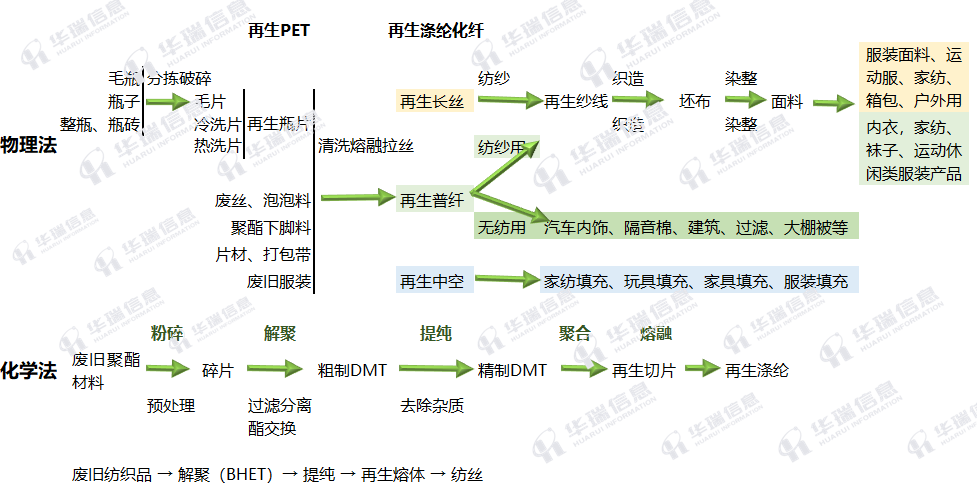
A picture to understand the recycled polyester industry chain process
2026-05-11
What is Recycle Wool Spinning Fiber? How can old sweaters be transformed into high-end new yarn?
2026-05-22Your email address will not be published. Required fields are marked *

Focusing to the research and production of differentiated fiber. Applying recycle-material processing scientifically.
 86-18457317878
Zhulinjizhen, Xinfeng Town, Jiaxing City, Zhejiang Province
Copyright @ 2023 Jiaxing Fuda Chemical Fibre Factory All rights reserved
Polyester Staple Fiber Manufacturers

Friendship link - Anhui Fulin Environmental Protection Technology Co., Ltd.:https://www.ahflhb.com