en
en  English
 中文简体
中文简体 Español
 عربى
عربى
Product Consultation
Your email address will not be published. Required fields are marked *
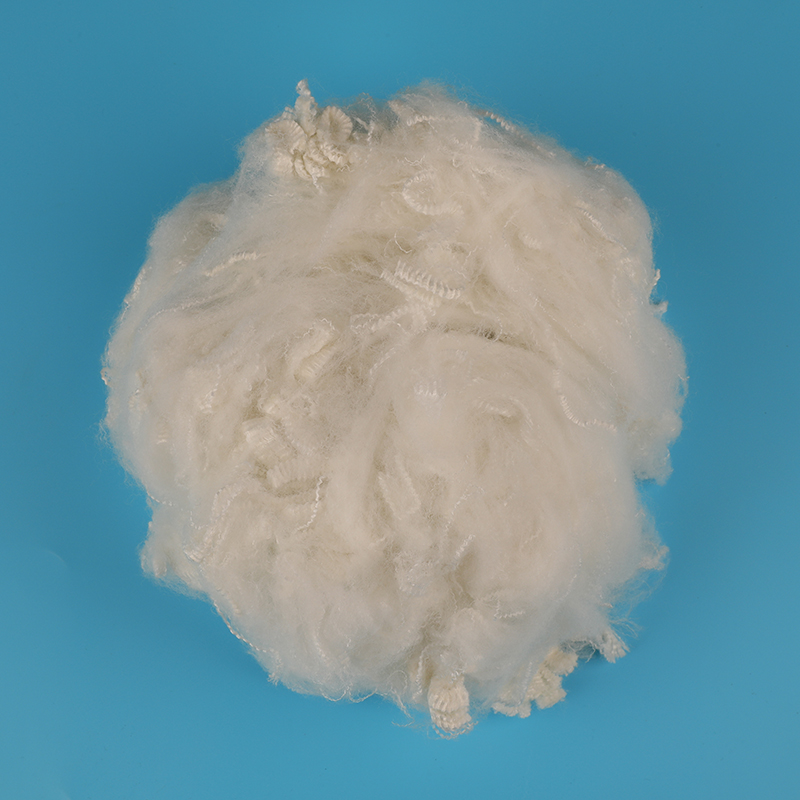
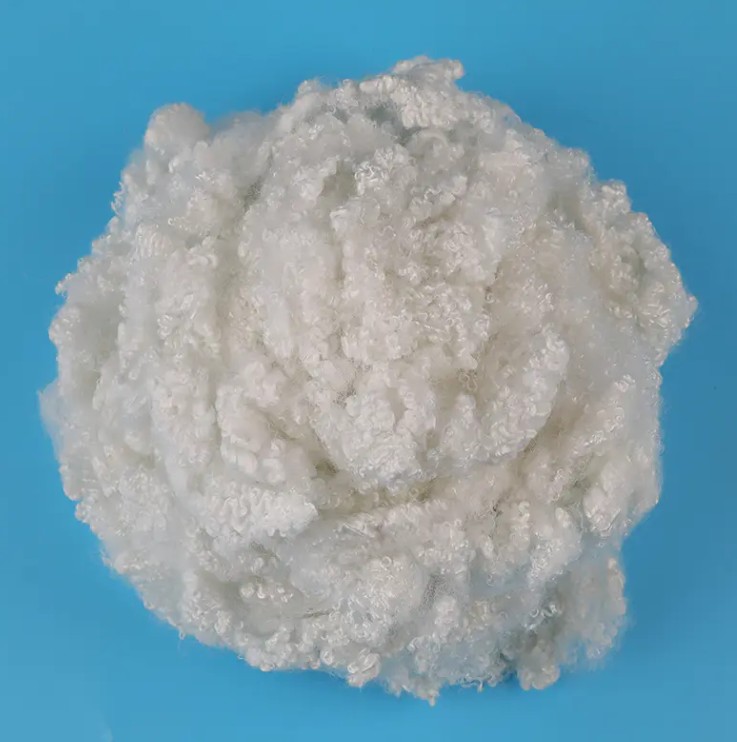
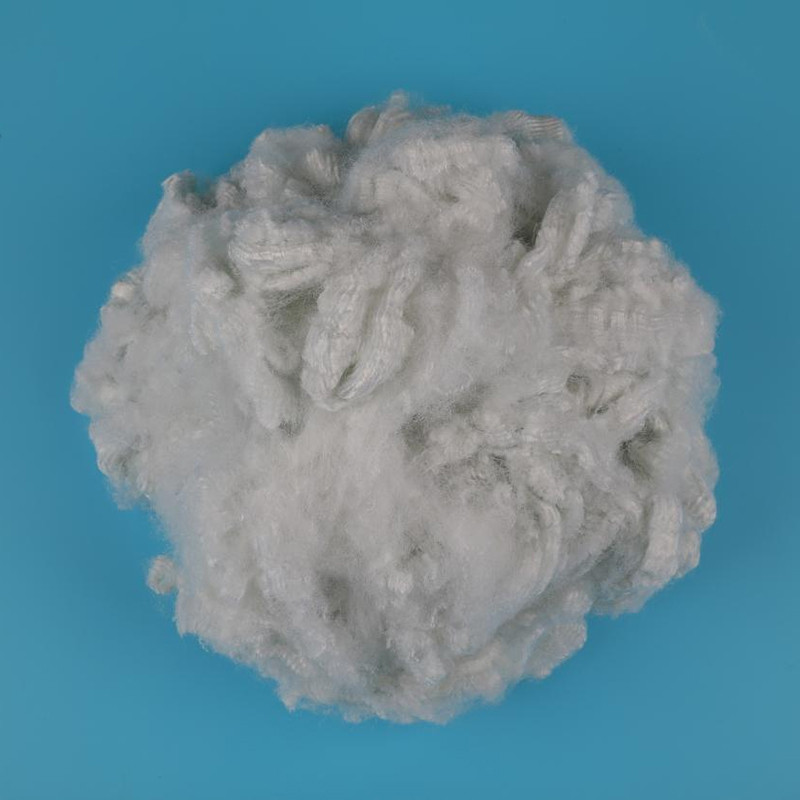
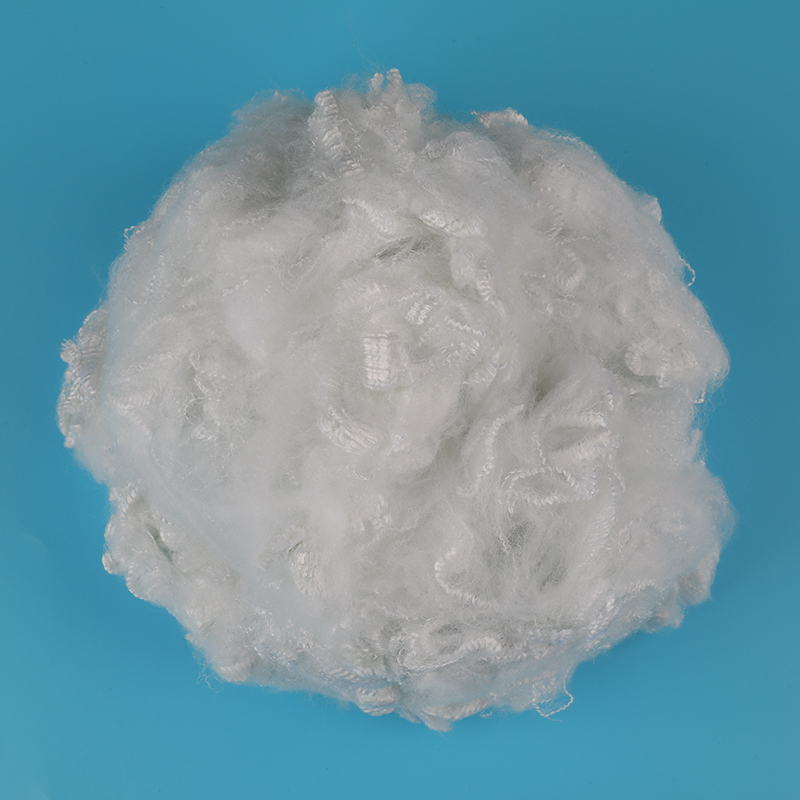
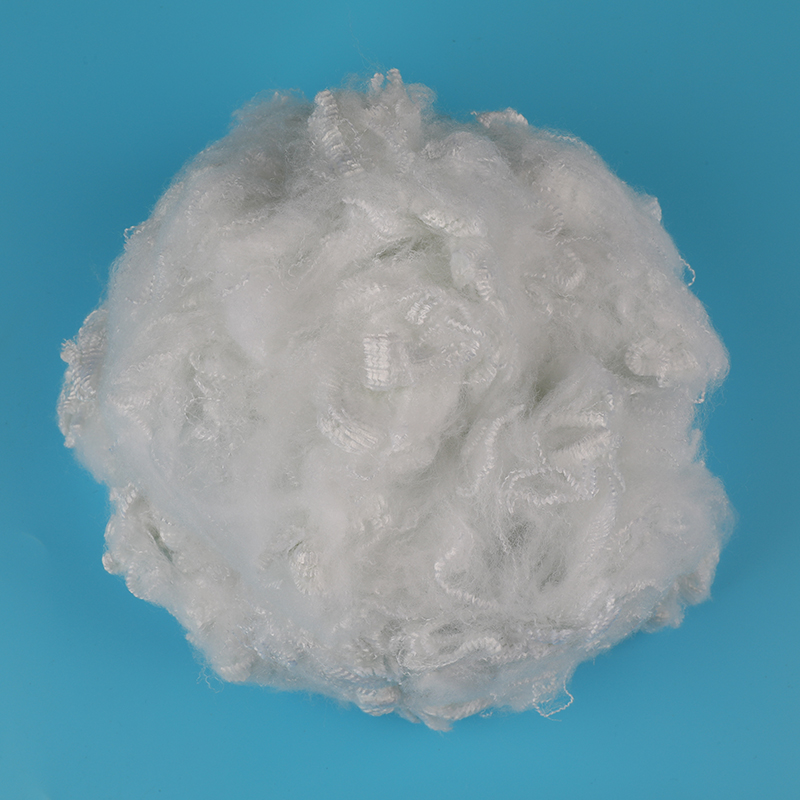
Composite Es fiber is a high-performance composite functional fiber with a unique bicomponent structure and modified polymer formula, which integrates the advantages of thermal bonding, hydrophilicity, filtration efficiency, and mechanical stability. It has become an irreplaceable key material in the fields of disposable non-woven products, industrial filtration, medical protection, and clean materials.
Compared with traditional single-component fibers, composite Es fiber can form a stable three-dimensional network structure without adding adhesive, and its bonding strength is increased by more than 50%, and the softness and air permeability are significantly improved. At the same time, it maintains excellent processability and can adapt to high-speed production lines, which greatly reduces production costs and energy consumption for downstream industries.
The core value of composite Es fiber lies in its structural design and material compounding technology. Through precise control of fiber diameter, component ratio, and surface properties, it can meet the customized performance requirements of different scenarios, and has broad application prospects and sustainable development potential in the global functional fiber market.
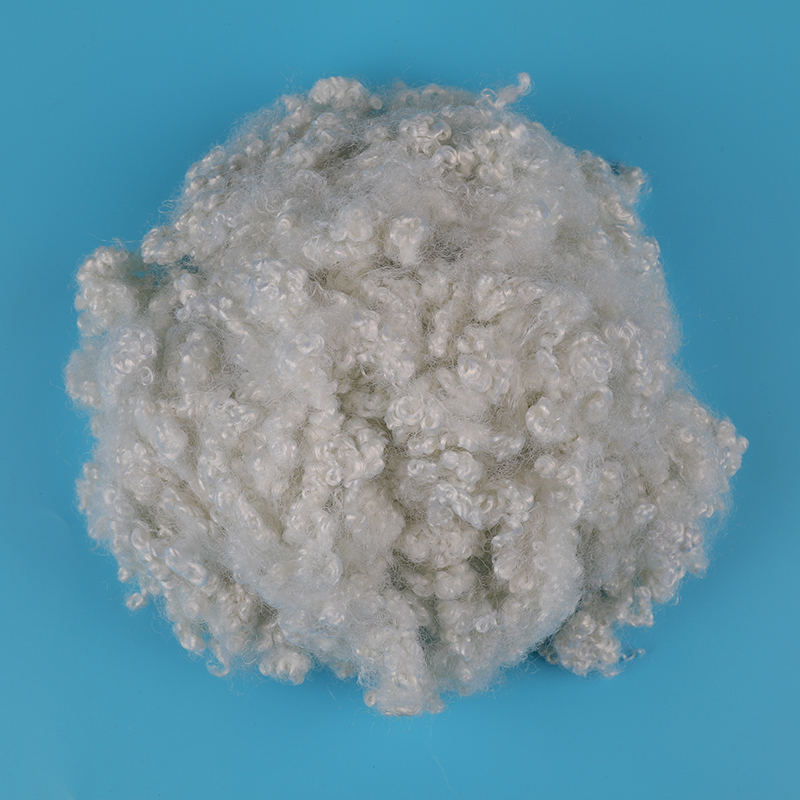
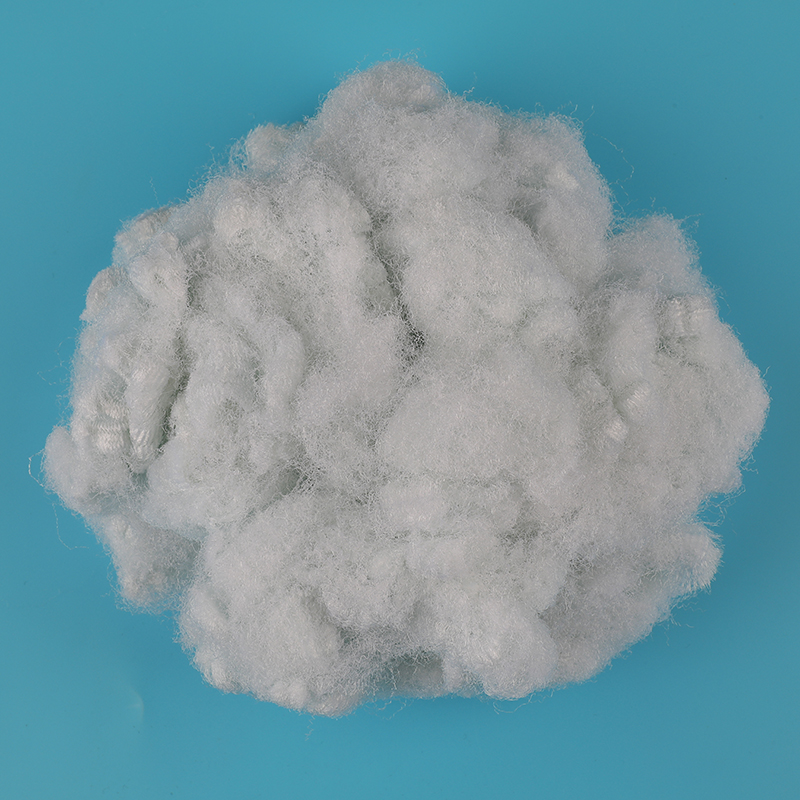
Composite Es fiber is a special conjugated composite fiber, and ES is the abbreviation of Ethylene-Propylene Side-by-side, which refers to a bicomponent composite fiber composed of polyethylene and polypropylene as the core raw materials through the composite spinning process. Different from ordinary blended fibers, its two polymer components are distributed in a fixed structure inside the fiber, rather than simply mixed together, which is the fundamental reason for its unique functional properties.
According to the cross-sectional structure, composite Es fiber can be divided into three common types: side-by-side type, core-sheath type, and segmented pie type. Among them, the side-by-side structure is the most widely used in industrial production, which can give full play to the thermal bonding performance of polyethylene components and the mechanical strength of polypropylene components, achieving a balanced performance of softness and toughness.
The microscopic structure of the composite Es fiber has high uniformity and continuity. The polyethylene component with low melting point is distributed on one side or the surface layer of the fiber, and the polypropylene component with high melting point is used as the supporting skeleton. When heated to a certain temperature, the polyethylene component melts and bonds with the surrounding fibers, while the polypropylene component maintains the fiber shape and structural strength, forming a stable non-woven network structure after cooling.
This unique structure enables composite Es fiber to have thermal bonding temperatures as low as 100-130°C, which is much lower than the processing temperature of traditional fibers. Low-temperature bonding can not only save energy, but also avoid damage to other sensitive materials in the composite product, expanding the scope of application of the fiber.
The production of composite Es fiber adopts advanced composite spinning technology, which is a high-precision and continuous process. The whole process is divided into five key steps: raw material modification, melt extrusion, composite distribution, spinning cooling, and post-processing stretching.
The performance of composite Es fiber is closely related to its technical parameters. The control of key parameters directly affects the bonding performance, mechanical strength and application effect of the fiber. The main technical parameters include component ratio, fineness, melting point, breaking strength and elongation at break.
| Technical Parameter | Standard Range | Performance Impact |
|---|---|---|
| Component Ratio (PE:PP) | 30:70 to 50:50 | Determines bonding strength and softness |
| Fiber Fineness | 1.5D to 6D | Affects filtration efficiency and hand feel |
| Low Melting Point | 100°C to 130°C | Controls thermal bonding temperature |
In the actual production process, manufacturers will adjust these parameters according to the application requirements of downstream products. For example, the fiber used for medical masks needs finer fineness to improve filtration efficiency, while the fiber used for industrial wiping cloth needs higher breaking strength to enhance durability.
Thermal bonding performance is the most prominent advantage of composite Es fiber. Due to the low-melting-point polyethylene component, the fiber can achieve firm bonding under low-temperature heating conditions without adding any chemical adhesives. This adhesive-free bonding method not only makes the product non-toxic and odorless, but also avoids the blockage of fiber pores caused by adhesives, maintaining good air permeability of the material.
Experimental data shows that non-woven fabrics made of composite Es fiber have peel strength increased by 60% or more compared with adhesive-bonded non-woven fabrics, and the bonding fastness is durable, not easy to fall off and delaminate during use, which significantly prolongs the service life of the product.
Composite Es fiber perfectly combines the softness of polyethylene and the rigidity of polypropylene, solving the problem that traditional fibers cannot take into account both softness and strength. The fiber has a delicate hand feel, no irritation to human skin, and meets the use requirements of skin-contacting products; at the same time, it has high breaking strength and elongation at break, and is not easy to break under tension and friction.
This balanced performance makes composite Es fiber widely used in the field of personal care products. For example, baby diapers and feminine hygiene products made of this fiber are not only soft and comfortable to use, but also have strong tensile resistance, avoiding breakage and leakage during use.
Through surface modification technology, composite Es fiber can obtain excellent hydrophilic performance, which can quickly absorb and guide liquid, and is especially suitable for absorbent sanitary products. The modified fiber surface can reduce the contact angle of liquid, realize rapid infiltration and diffusion, and improve the absorption efficiency and dryness of the product.
In terms of filtration, the small fineness and three-dimensional network structure of composite Es fiber enable it to intercept tiny particles and bacteria efficiently. The filtration efficiency of composite Es fiber non-woven fabric for sub-micron particles can reach more than 85%, and it has low resistance to air flow, ensuring good ventilation effect while filtering, which is an ideal material for medical and industrial filtration products.
Composite Es fiber is a green environmental protection material. It is made of polyolefin polymers that can be recycled and processed without chemical adhesives, reducing environmental pollution. The waste products can be recycled and reused, in line with the global low-carbon and environmental protection development trend.
In terms of processability, composite Es fiber has good crimping property and dispersibility, which can adapt to high-speed non-woven production lines. The processing speed can reach several hundred meters per minute, which greatly improves production efficiency. At the same time, its low-temperature bonding characteristic reduces the energy consumption in the heating process, and the comprehensive production cost is reduced by more than 20% compared with traditional fiber materials.
The medical and health care field is the largest application market of composite Es fiber, relying on its safety, softness and filtration performance. In disposable medical supplies, composite Es fiber is widely used in medical masks, protective clothing, surgical drapes, medical gauze and absorbent pads. These products require non-toxic, sterile and good barrier properties, and composite Es fiber fully meets these strict medical standards.
In personal care products, composite Es fiber is the core raw material of baby diapers, adult incontinence products and feminine hygiene products. Its hydrophilicity and softness can improve the comfort of the product, and the thermal bonding structure ensures the firmness of the product and prevents liquid leakage. At present, more than 70% of high-end disposable hygiene products on the market use composite Es fiber as the key raw material.
Composite E-fiber has broad application prospects in the field of industrial filtration. It can be made into air filtration materials, liquid filtration membranes and oil-water separation materials, which are used in industrial waste gas treatment, water purification, food processing and petrochemical industries. The three-dimensional porous structure of the fiber can effectively intercept solid particles and impurities, and has good permeability and regeneration performance.
Compared with traditional filtration materials, composite Es fiber filtration products have longer service life and lower replacement frequency, reducing the operating cost of industrial enterprises. In the field of automotive air conditioning filtration, composite Es fiber filter elements have become the preferred material due to their high filtration efficiency and low wind resistance.
Composite Es fiber is widely used in the production of disposable wiping cloths, industrial clean cloths and household cleaning products. The fiber has strong water and oil absorption capacity, can quickly wipe off stains, and does not shed hair or scratch the surface of objects during wiping. It is suitable for precision instrument cleaning, food processing workshop cleaning and daily household cleaning.
The wiping cloth made of composite Es fiber has high strength and wear resistance, and can be used repeatedly for many times, which is more economical and practical than traditional cotton cloth and paper towels. In the electronic manufacturing industry, static-resistant composite Es fiber wiping cloth can also prevent static damage to precision components, which is an indispensable cleaning material in the production process.
In the automotive industry, composite Es fiber is used to make automotive interior sound insulation cotton, seat cushions and air filter materials. Its lightweight, sound insulation and thermal insulation properties can reduce the weight of the car body and improve the comfort of the car interior. At the same time, the high temperature resistance and aging resistance of the fiber can adapt to the complex use environment inside the car.
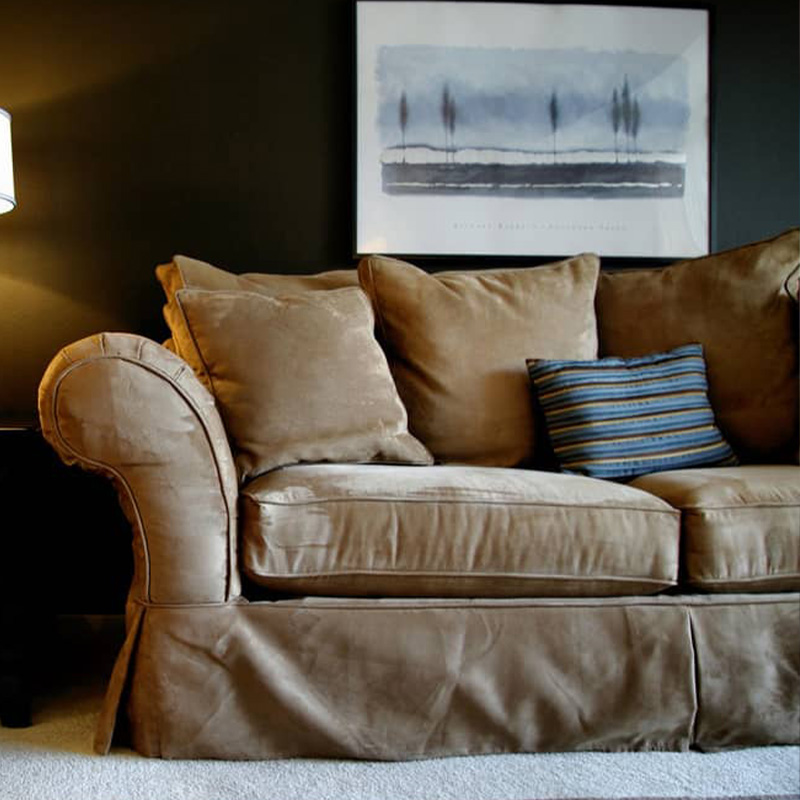
In the field of home textiles, composite Es fiber is used to make disposable bed sheets, pillowcases, sofa cushions and filter cotton for air purifiers. The products have the characteristics of hygiene, comfort and easy replacement, meeting the needs of modern people for a healthy and convenient life. With the improvement of people's living standards, the application of composite Es fiber in the home textile market is expanding year by year.
The quality evaluation of composite Es fiber needs to combine multiple indicators to comprehensively judge, covering structural parameters, physical properties, and application performance. The core evaluation indicators include fiber fineness uniformity, breaking strength, thermal bonding strength, hydrophilic rate, filtration efficiency, and dimensional stability.
At present, the production and testing of composite E-s fibers have formed a complete standard system. International standards mainly include ISO standards for textile fibers and non-woven fabrics, which specify the testing methods and qualification requirements for various performance indicators. Domestic standards combine the characteristics of the domestic market and industrial applications, and formulate targeted industry standards to ensure the quality stability of composite Es fiber products.
In the testing process, professional instruments and equipment are used for standardized detection, such as universal testing machine for measuring mechanical properties, a contact angle instrument for testing hydrophilicity, and filtration efficiency tester for evaluating filtration performance. Only products that meet all standard indicators can be put into the market for downstream application.
The future development of composite Es fiber will focus on high-performance and multi-functional innovation. On the basis of traditional performance, researchers are developing composite Es fiber with functions of static resistance, antibacterial, flame retardant and biodegradation. Antibacterial composite Es fiber can inhibit the growth of bacteria and is more suitable for medical and health products; biodegradable composite Es fiber can solve the problem of environmental pollution caused by waste products and realize green circulation.
At the same time, the ultra-fine composite Es fiber technology is becoming more and more mature. The fiber fineness is further reduced, and the filtration efficiency and softness are greatly improved, which can meet the higher requirements of high-end medical protection and precision filtration fields. It is expected that in the next few years, ultra-fine composite Es fiber will occupy a larger market share.
Environmental protection and sustainability are the inevitable trends of the global textile industry, and composite Es fiber is no exception. The future research and development will focus on bio-based composite Es fiber, using renewable plant-based polymers instead of petroleum-based raw materials, reducing the dependence on petrochemical resources and carbon emissions in the production process.
In addition, the recycling technology of composite Es fiber waste is also being continuously optimized. The recycled fiber has performance close to that of new fiber, which can realize the closed-loop recycling of materials. With the promotion of global carbon neutrality policies, green and sustainable composite Es fiber products will become mainstream of the market.
The production of composite Es fiber is developing in the direction of intelligence and automation. The intelligent production line based on digital control technology can realize real-time monitoring and adjustment of process parameters, improve the stability and consistency of product quality, and reduce the labor cost and defective rate of production.
For downstream customers, customized fiber products will become a major trend. Manufacturers can adjust the component ratio, fineness and surface properties of composite Es fiber according to the specific performance requirements of customers, providing personalized solutions to meet the diversified application needs of different industries and scenarios.
In recent years, the global market demand for composite E-glass fiber has maintained a steady growth trend. The rapid development of medical and health care, industrial filtration, and clean materials industries has driven the continuous expansion of the composite Es fiber market. Especially in the post-epidemic era, the demand for medical protective products and high-performance filtration materials has increased sharply, which has greatly promoted the growth of composite Es fiber consumption.
In emerging markets, with the improvement of residents' living standards and the upgrading of consumption, the demand for disposable hygiene products, clean materials, and automotive supplies is increasing year by year, providing a broad space for the application of composite Es fiber. It is expected that the global composite Es fiber market will maintain a growth rate of more than 5% in the next five years.
From the perspective of long-term development, composite Es fiber, as a high-performance functional fiber with mature technology and wide application, will continue to replace traditional fiber materials in more fields. With the continuous breakthrough of technological innovation and the deepening of environmental protection concepts, its application scope will be further expanded, and it will become one of the core materials in the global functional textile industry.
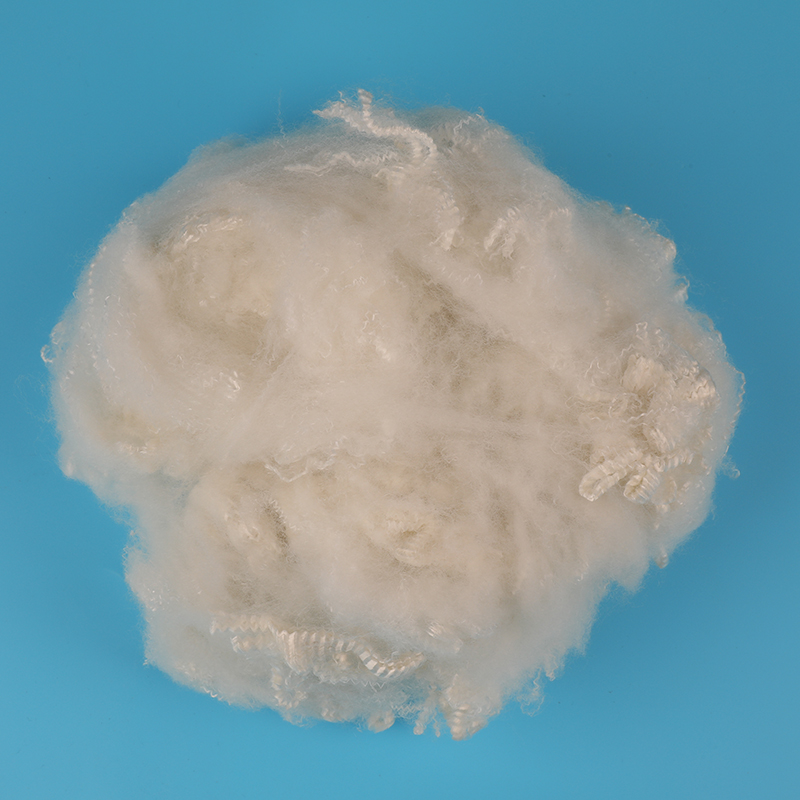
What Are the Industrial Applications of Polyester Staple Fiber?
2026-04-01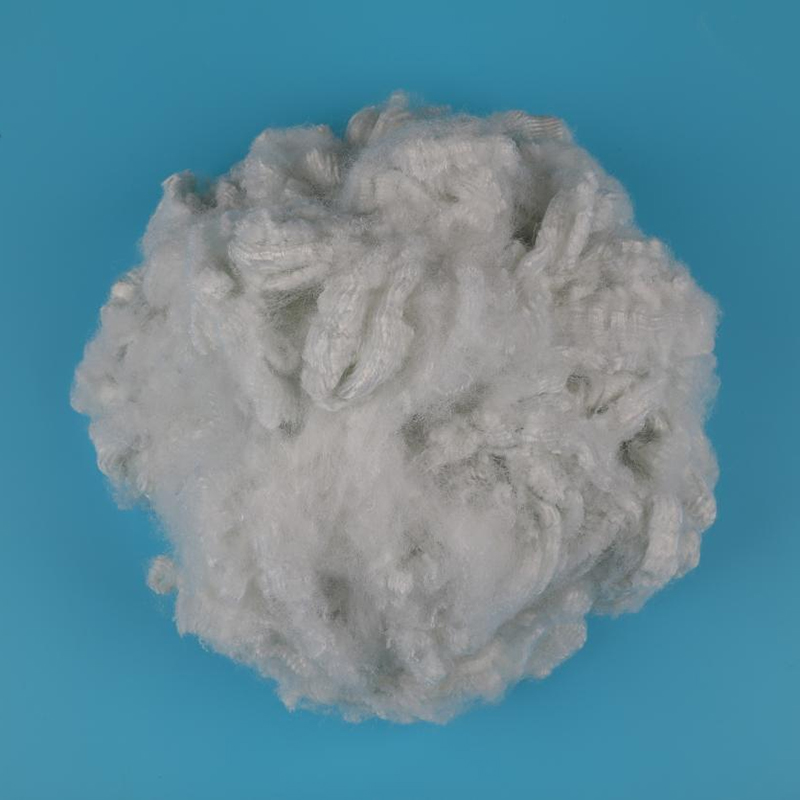
What Does Denier Mean in Fabrics? The Ultimate Guide to Fiber Thickness
2026-04-15Your email address will not be published. Required fields are marked *

Focusing to the research and production of differentiated fiber. Applying recycle-material processing scientifically.
 86-18457317878
Zhulinjizhen, Xinfeng Town, Jiaxing City, Zhejiang Province
Copyright @ 2023 Jiaxing Fuda Chemical Fibre Factory All rights reserved
Polyester Staple Fiber Manufacturers

Friendship link - Anhui Fulin Environmental Protection Technology Co., Ltd.:https://www.ahflhb.com