en
en  English
 中文简体
中文简体 Español
 عربى
عربى
Product Consultation
Your email address will not be published. Required fields are marked *
Recycling non-woven fibers is technically feasible, economically viable, and environmentally essential for modern manufacturing and ecological protection. Mature mechanical and chemical recycling processes can effectively recover and reuse most non-woven fiber materials, reducing industrial waste, lowering carbon emissions, and conserving natural resources.
Unlike traditional textile waste, non-woven fibers have unique structural characteristics, but modern recycling technology has overcome key barriers such as fiber separation and performance restoration. After recycling, non-woven fibers can be reused in industrial supplies, daily necessities, construction materials, and agricultural products, forming a closed-loop circular economy system.
Globally, the recycling rate of non-woven fibers continues to rise, and recycled products maintain stable performance indicators, fully meeting the application requirements of multiple industries. This confirms that non-woven fiber recycling is not only a sustainable environmental measure but also a practical industrial solution with long-term development potential.
Non-woven fibers are divided into multiple categories based on raw materials, and each type has distinct physical and chemical properties, which directly determine the recycling method and reuse value. The most common raw materials include polypropylene (PP), polyester (PET), viscose, cotton blends, and polyamide (PA).
Non-woven fibers are formed by bonding or interlocking fibers without spinning and weaving, resulting in a loose porous structure. This structure makes them easy to process but difficult to degrade naturally, and the bonding agents and additives used in production will affect the recycling efficiency.
Most non-woven fiber products are disposable or short-term use items, leading to a large amount of waste generated every year. If not recycled in time, these materials will occupy landfills and cause long-term environmental pollution, highlighting the urgency of targeted recycling solutions.
Mechanical recycling is the primary technology for non-woven fiber recycling, featuring low cost, high efficiency, and wide adaptability. The entire process does not change the chemical composition of fibers, making it suitable for large-scale industrial production lines.
More than 70% of industrial non-woven fiber recycling uses mechanical processes, which can maintain more than 80% of the original fiber performance, fully meeting the needs of secondary applications.
Chemical recycling is aimed at composite non-woven fibers and contaminated materials that cannot be treated by mechanical methods. It decomposes fibers into polymer monomers or chemical raw materials through chemical reagents, which can be re-polymerized into new fibers.
This process has higher requirements for equipment and technology, and the cost is relatively higher, but it can achieve high-purity and high-performance recycled fiber production, suitable for high-end application fields such as medical treatment and filtration.
For non-woven fiber waste that is severely contaminated, damaged, or cannot be recycled mechanically or chemically, thermal recycling is used to convert it into thermal energy or electric energy through controlled combustion. This method reduces landfill volume while providing renewable energy for industrial production.
The global output of non-woven fiber products is huge, and a large amount of waste is generated every year. Recycling can reduce more than 60% of non-woven fiber waste entering landfills, effectively alleviating the pressure on urban waste treatment systems and protecting soil and groundwater resources from pollution.
Non-woven fibers made of synthetic materials are difficult to degrade naturally and can exist in the environment for hundreds of years. Recycling and reuse avoid long-term accumulation of waste and reduce the ecological burden on the planet.
Producing new non-woven fibers relies heavily on petroleum and natural gas resources, while recycled fibers reduce the demand for virgin raw materials. Studies show that using recycled non-woven fibers can save 30% to 50% of raw material resources compared to producing new fibers.
In terms of energy consumption, the recycling process requires significantly less energy than the production of virgin fibers. This energy-saving effect is more obvious in large-scale industrial production, helping enterprises achieve energy conservation and emission reduction targets.
The carbon emission of recycled non-woven fibers is reduced by more than 40% compared to new fibers. This reduction plays a key role in addressing global climate change and helping industries achieve carbon neutrality goals.
Recycling also reduces environmental pollution caused by raw material extraction and processing, including air pollution, water pollution, and deforestation, forming a complete green industrial chain.
Recycled non-woven fibers have a lower raw material cost than virgin fibers, which can effectively reduce production costs for enterprises. In the fiercely competitive market, using recycled materials helps enterprises improve profit margins and enhance market competitiveness.
In addition, governments around the world have introduced environmental incentives and tax reductions for enterprises using recycled materials, further improving the economic benefits of non-woven fiber recycling.
Recycled non-woven fibers have stable performance and can be applied in dozens of industries, covering daily life, industrial production, agricultural production, and construction engineering. The table below shows the main application areas and product examples:
| Application Field | Typical Products | Performance Requirements |
|---|---|---|
| Agriculture | Plant cover cloth, seedling bags | Breathable, weather-resistant |
| Packaging | Eco-friendly bags, cushioning materials | Tear-resistant, lightweight |
| Construction | Thermal insulation, waterproof membranes | High strength, durable |
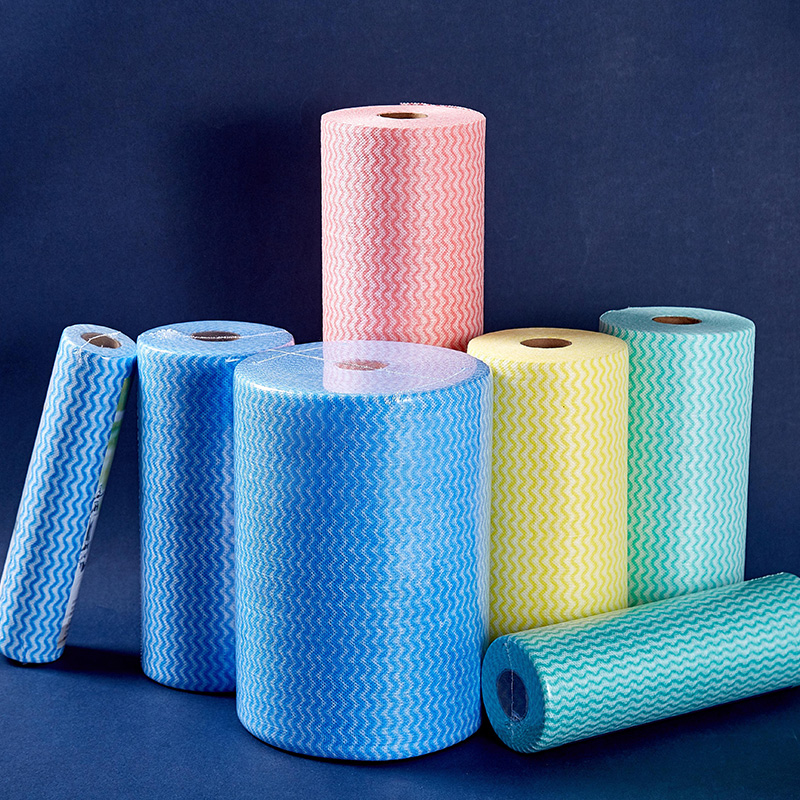
| Industry | Filtration materials, wiping cloths | Absorbent, corrosion-resistant |
With the global promotion of sustainable development, the market demand for recycled non-woven fibers is growing rapidly year by year. More and more brands and manufacturers take recycled materials as an important part of their sustainable development strategy, driving the continuous expansion of the recycling industry scale.
The recycled non-woven fiber industry has formed a complete industrial chain from waste collection, processing, to product sales, creating considerable economic benefits and employment opportunities while protecting the environment.
The biggest challenge in non-woven fiber recycling is the mixed materials and serious contamination of waste products. Manual classification is inefficient, and traditional mechanical classification has low accuracy, affecting the quality of recycled fibers.
Solutions include adopting optical sorting equipment and near-infrared technology to achieve automatic and accurate classification, and establishing standardized waste collection systems to reduce contamination before recycling.
Mechanical recycling may cause a slight decrease in fiber length and strength, limiting its application in high-end fields. This problem is more prominent in multi-cycle recycling.
The solution is to blend recycled fibers with a small amount of virgin fibers to improve overall performance, or use chemical modification technology to restore fiber performance, extending the service life of recycled fibers by more than 3 cycles.
Small and medium-sized enterprises face high equipment investment and technical thresholds in the early stage of recycling, making it difficult to carry out large-scale recycling operations.
Governments and industry alliances can provide financial subsidies, technical training, and shared recycling equipment to reduce the entry barriers for enterprises and promote the popularization of non-woven fiber recycling technology.
Establish a dedicated non-woven fiber waste collection network to separate it from other municipal and industrial waste. Carry out preliminary cleaning, drying, and classification at the collection end to improve the efficiency of subsequent processing.
Select mechanical, chemical, or thermal recycling according to material type and application scenarios. Pure non-woven fibers give priority to mechanical recycling, composite materials use chemical recycling, and unrecyclable waste uses thermal energy recovery.
Formulate unified quality standards for recycled non-woven fibers, conduct strict testing on indicators such as strength, air permeability, and durability, and ensure that recycled products meet industry application requirements.
Combine production, use, recycling, and reuse to build a closed-loop circular economy system. Manufacturers design products with recyclability in advance, reducing the difficulty of later recycling and maximizing resource utilization.
In the future, non-woven fiber recycling will develop in the direction of intelligence, high efficiency, and high value. Artificial intelligence and automatic sorting technology will greatly improve classification accuracy and processing efficiency, reducing labor and time costs.
New recycling technologies will achieve full-component and high-purity recycling of composite non-woven fibers, expanding the application of recycled fibers to high-end fields such as medical treatment and electronics. The performance gap between recycled fibers and virgin fibers will be further narrowed.
Global environmental policies will continue to strengthen, promoting mandatory recycling standards for non-woven fiber products. The recycling industry will move towards large-scale, standardized, and international development, becoming an indispensable part of the global green economy.
In addition, biodegradable non-woven fibers combined with recycling technology will achieve a double upgrade of environmental protection. The entire life cycle of products from production to degradation is eco-friendly, creating a more sustainable industrial model.
Recycling non-woven fibers is a key measure to balance industrial development and ecological protection, with significant environmental, economic, and social values. Mature technology, complete processes, and broad application prospects make it a sustainable solution with long-term investment value.
Through standardized collection, scientific classification, appropriate recycling technology, and strict quality control, non-woven fiber waste can be transformed into high-value reusable materials, reducing resource waste and environmental pollution.
The continuous development and popularization of non-woven fiber recycling technology will promote the transformation of the entire industry to a circular economy, making positive contributions to global environmental protection and sustainable resource utilization.
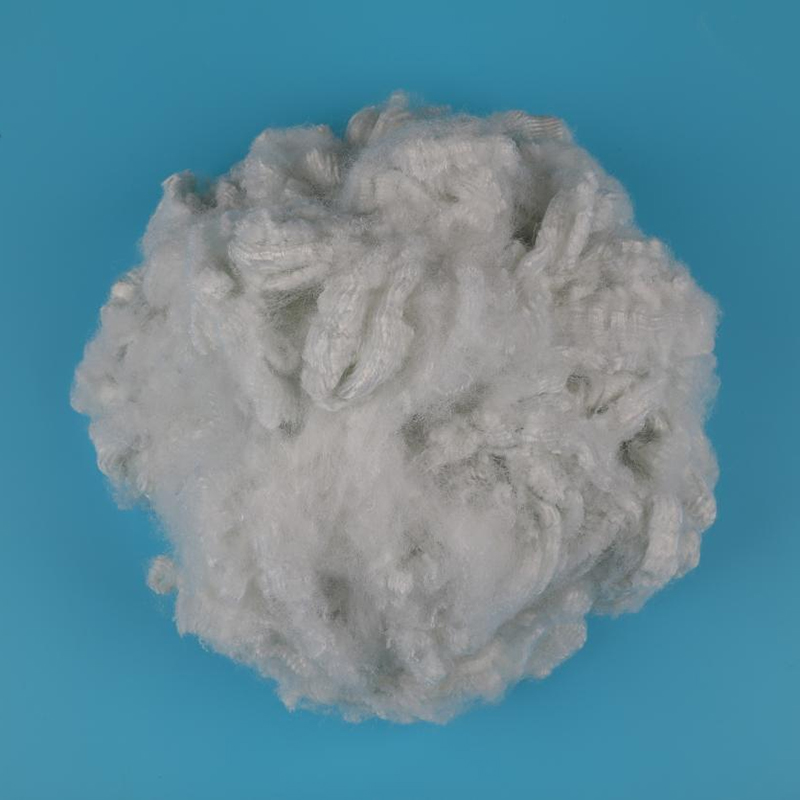
What Does Denier Mean in Fabrics? The Ultimate Guide to Fiber Thickness
2026-04-15
Jingbo initiative, Felico's construction start, industry standard launch, domestic chemical cycle "three axes"; waste textile verification, nylon enzyme recovery, Sulzer new technology, international three consecutive hits丨ChemRePlas Chemical Cycle Weekly Report
2026-04-27Your email address will not be published. Required fields are marked *

Focusing to the research and production of differentiated fiber. Applying recycle-material processing scientifically.
 86-18457317878
Zhulinjizhen, Xinfeng Town, Jiaxing City, Zhejiang Province
Copyright @ 2023 Jiaxing Fuda Chemical Fibre Factory All rights reserved
Polyester Staple Fiber Manufacturers

Friendship link - Anhui Fulin Environmental Protection Technology Co., Ltd.:https://www.ahflhb.com